


Key Takeaways
- A good local map pack plan is grounded in local relevance, distance and prominence.
- Trust comes from your Google Business Profile and all listings having correct and consistent information over the web, which helps with local map pack optimization.
- Great photos, posts, and review management make businesses pop out and build trust with search engines and local consumers.
- Localized website content, mobile optimization, and structured data markup make your business look relevant and accessible to nearby searchers.
- Continuous involvement in your local community and tracking of user behavior can bolster your area of expertise.
- Consistently monitor your performance, stay clear of typical local SEO blunders, and refresh your optimization to keep and increase your presence in the local map pack.
Local map pack optimization is how you make a business’s map listings more visible for Google local search results.
Businesses appearing in this prized space typically receive increased foot traffic, phone calls, and online visits from local customers.
Accurate Google Business Profiles, consistent citations, and strong local reviews are key.
Below, this guide distills tested tactics for winning and maintaining top map pack rankings.
Understand Core Ranking Pillars
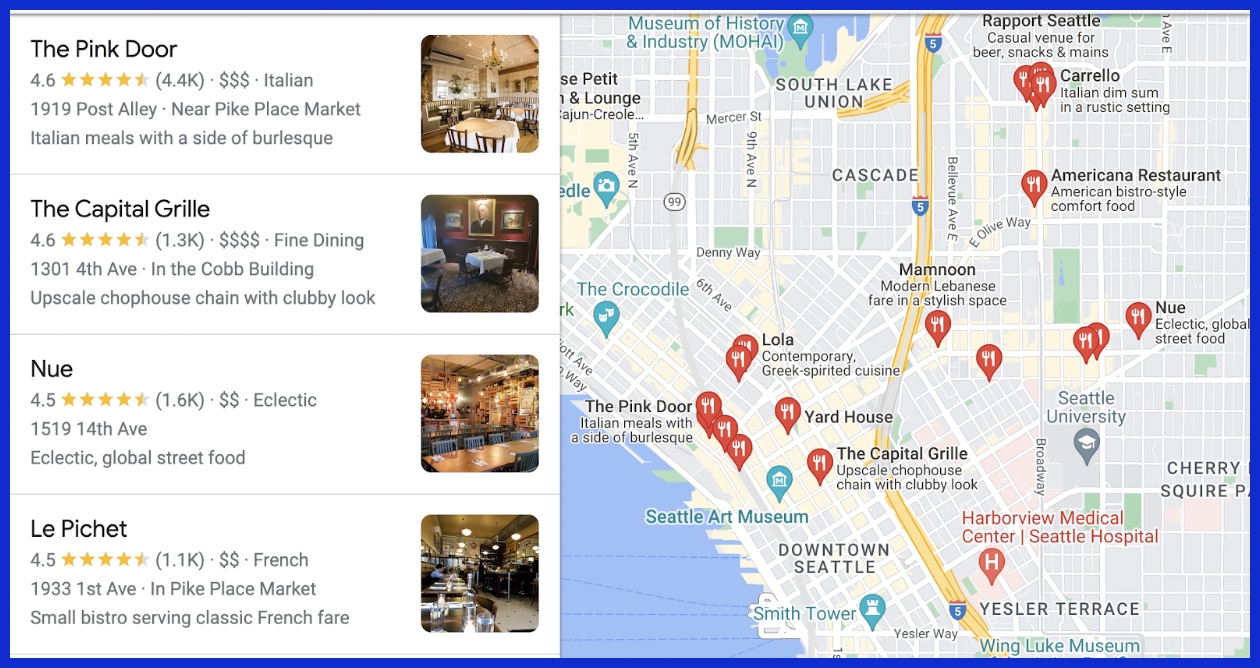
Local map pack optimization boils down to three core ranking pillars: relevance, distance, and prominence. These pillars fuel how Google ranks businesses in the local pack, which is the group of three or four listings displayed above organic results. Each pillar has varying importance based on the query and the user’s location.
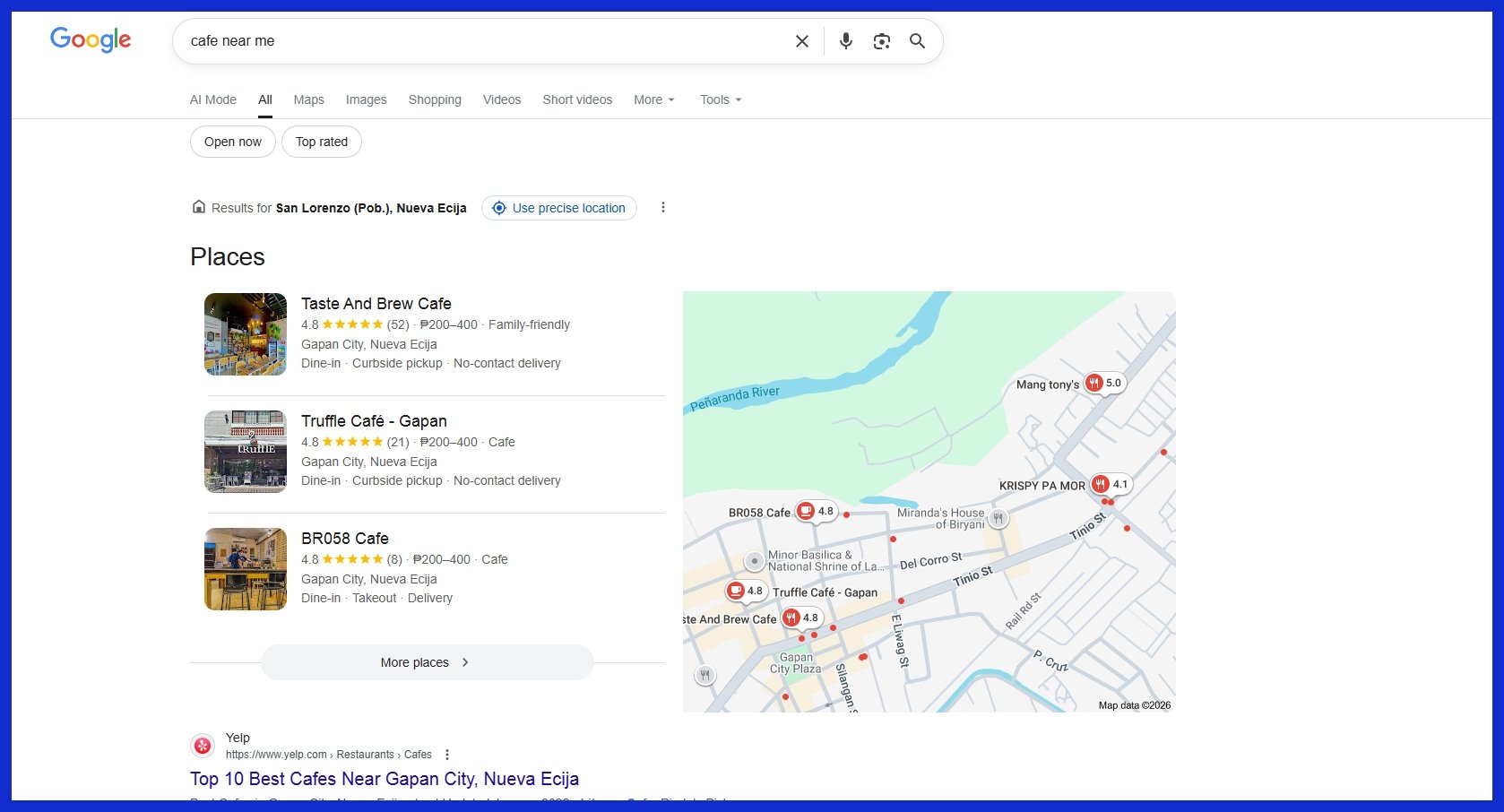
Local search algorithms take into account signals such as the searcher’s device location, the search terms they use, and the relevance of your business to the search. For businesses looking to be seen where it matters, knowing these pillars and owning them is the difference between standing up and standing down.
Relevance
Relevance is how well your business matches what a user is searching for, particularly in the context of local search rankings. It’s not just about keywords; it’s also about intent and context. Begin with local keywords that describe your services accurately. For instance, if you were a bakery in Berlin, you should aim for “German sourdough bakery Kreuzberg” instead of just “bakery.”
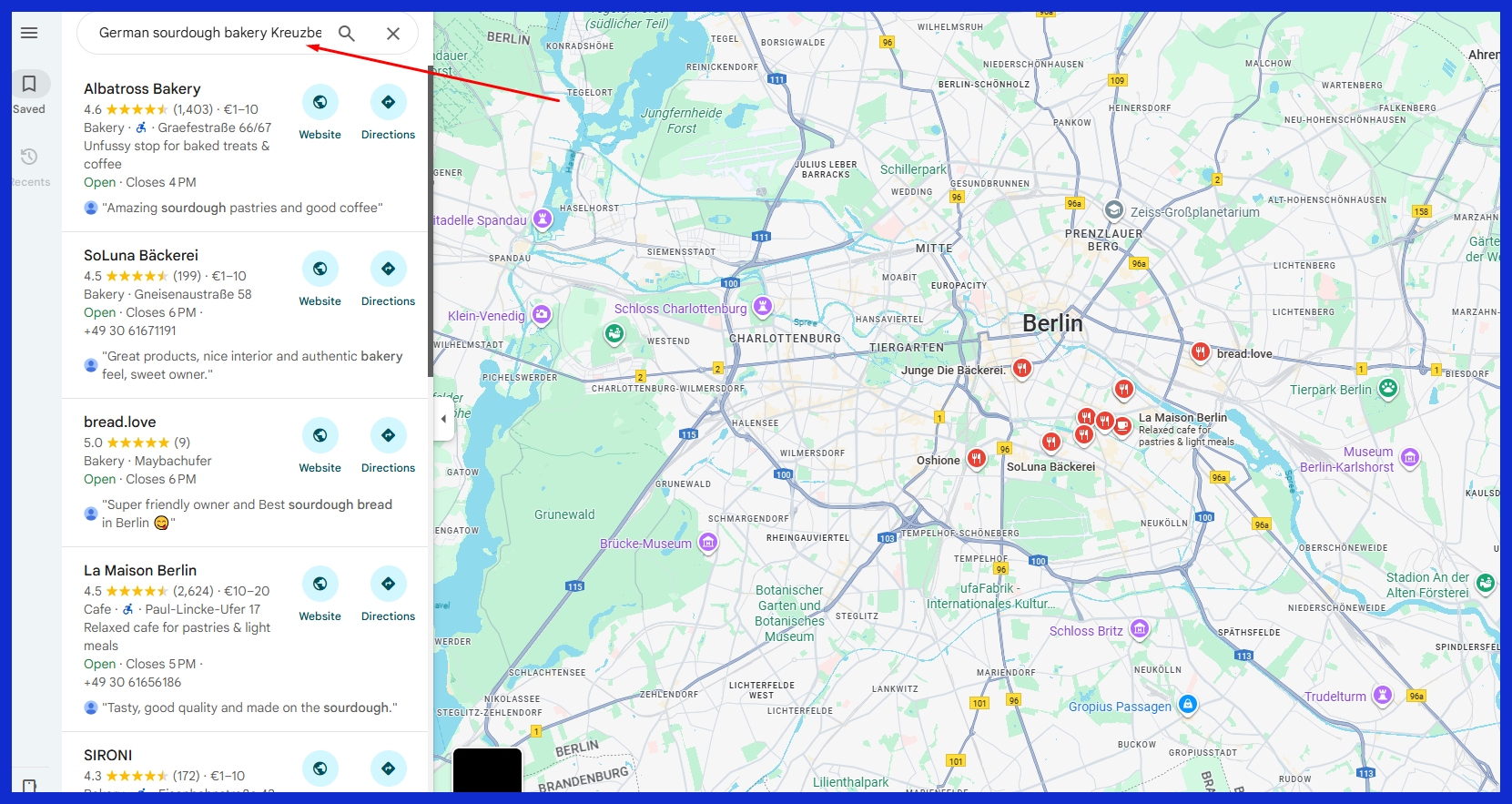
Leverage your Google Business Profile (GBP) description to detail your offerings and communicate your target audience clearly. Be explicit: “Artisan gluten-free pastries for Kreuzberg families and commuters.” This clarity helps improve your local pack SEO and informs both Google and potential customers about what you provide.
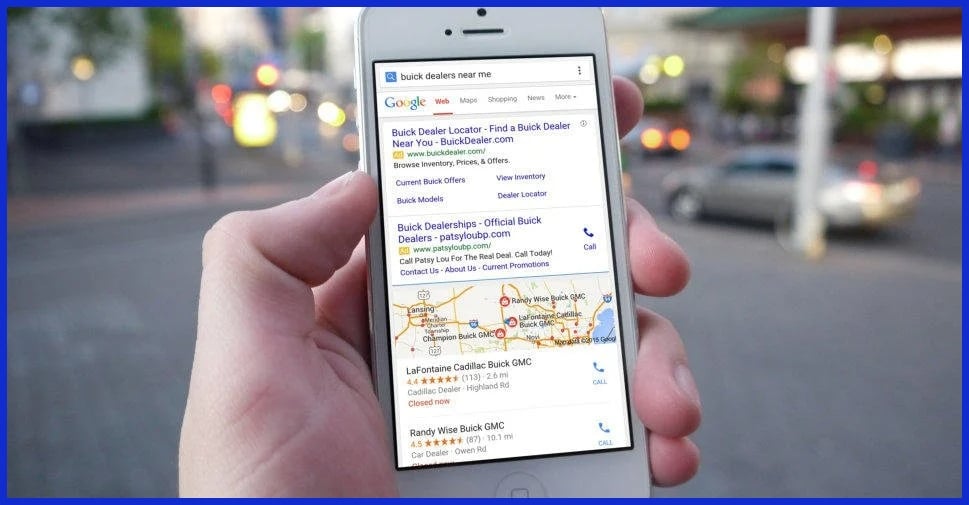
Hyperlocal keywords — like neighborhood names or landmarks — are essential for attracting nearby businesses and searchers who are ready to purchase. Incorporate these into your GBP, on-page copy, and internal links. Your website content should reflect local intent, as using local venues or events shows that you’re part of the community.
On-page signals represent approximately 24 percent of local AI search visibility, making it crucial to implement effective local map pack optimization strategies to enhance your local SEO performance. Don’t skip this step to ensure your business stands out in the local search landscape.
Distance
Distance is how far your business is from the searcher or the location in their query. For instance, if you type “coffee shop near me,” Google relies on your device’s GPS to pair you with local establishments.
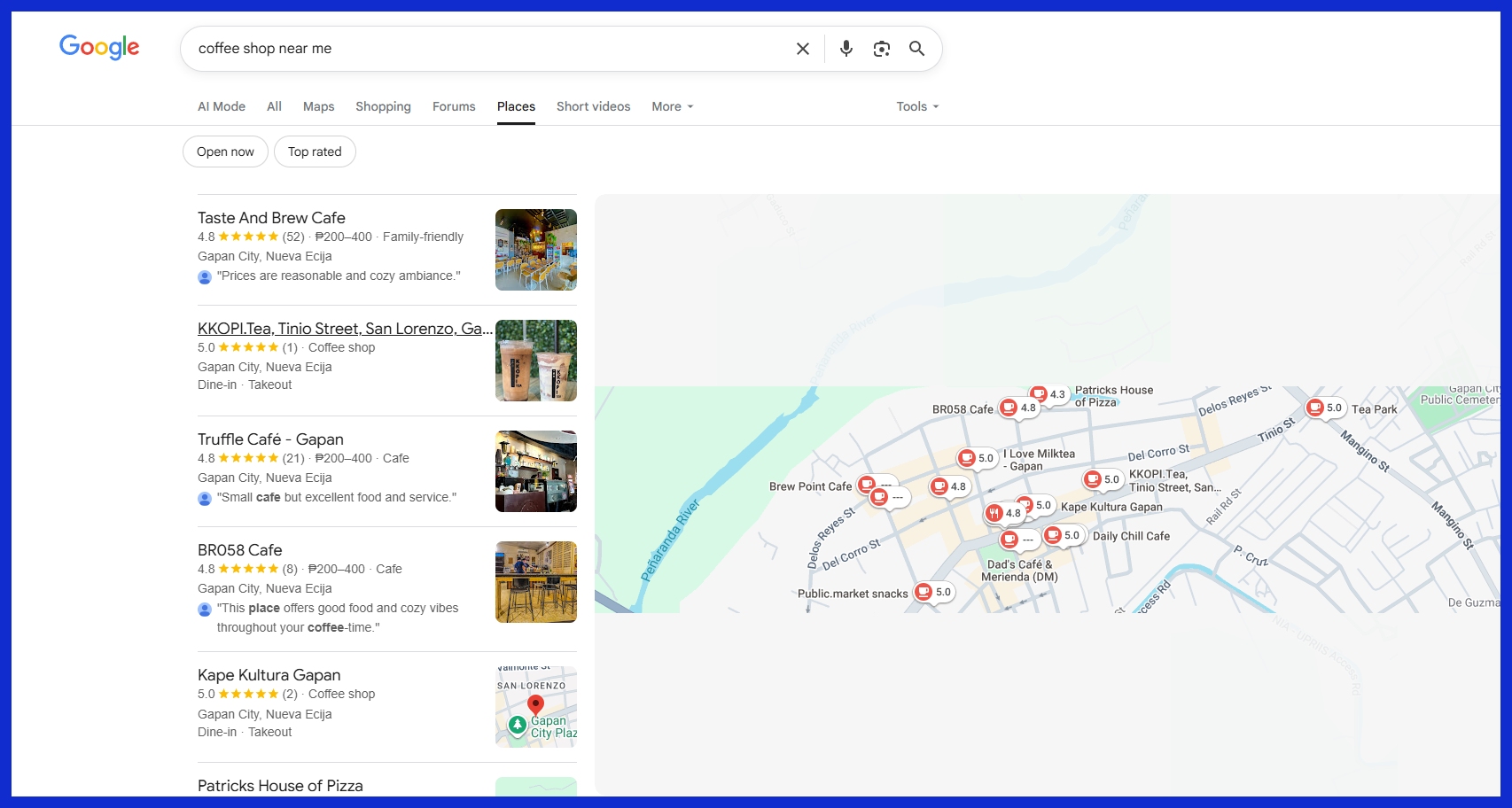
First, identify your actual service area. Don’t even bother to rank for locations you couldn’t possibly serve. Incorporate location-specific keywords like city names, neighborhood tags, or even postal codes on your website and GBP. That clarifies your space.
Include your precise address and landmark references in your GBP to assist Google Maps in visually demonstrating your proximity. If you’re a multi-location business, make a landing page for each location. This enables you to target certain neighborhoods or cities with custom content, which can boost your ranking for those searches.
Prominence
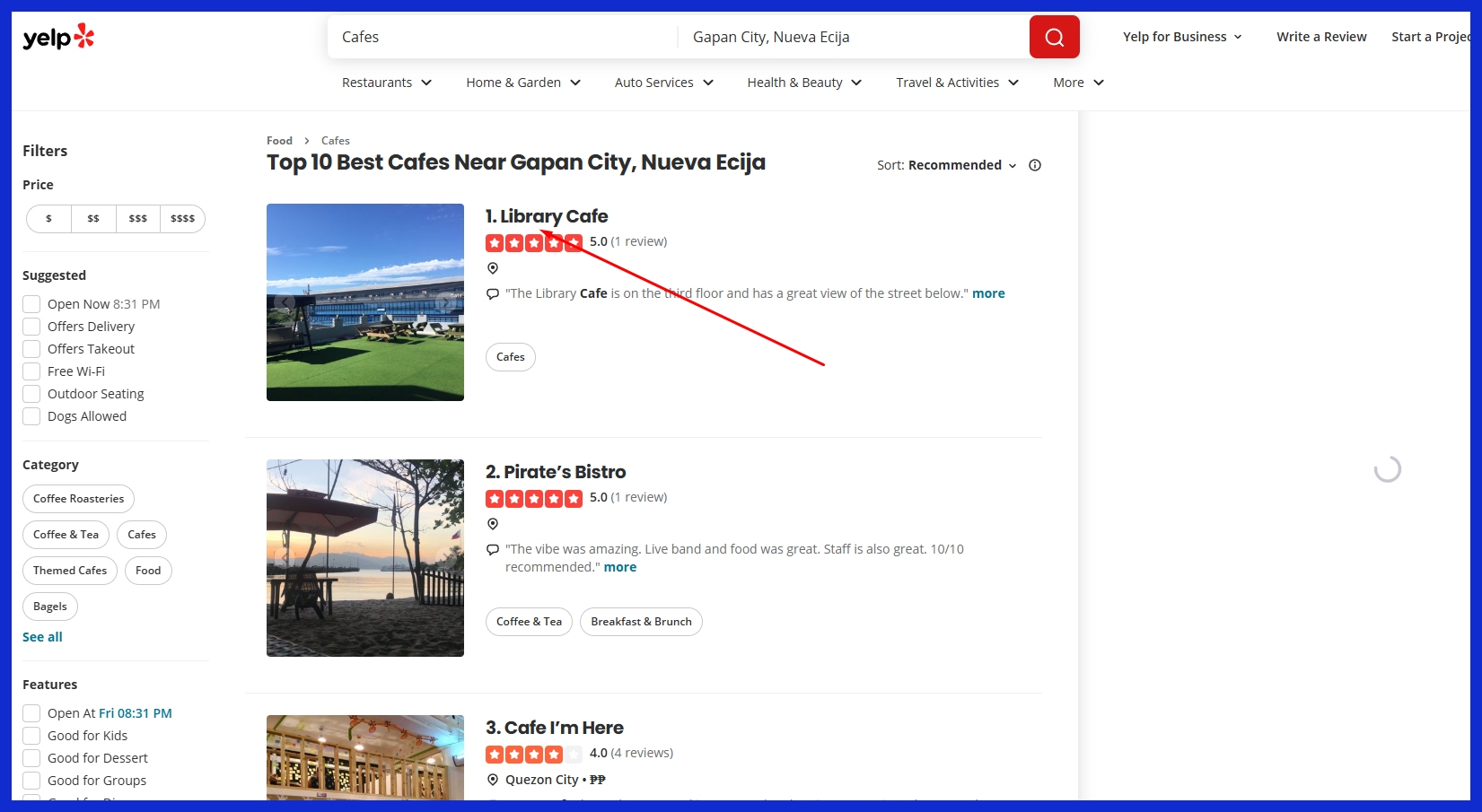
Prominence is the online version of your business’s offline reputation. Google gauges this via things like backlinks, reviews, and mentions throughout the web. Establishing strong local backlinks from community sites, local news, or partner businesses indicates trust and authority.
Participate in a local event or community sponsorship and be sure this is public online too with press releases or social posts. Get happy customers to post real reviews on Google. Good reviews account for about 20 percent of local pack ranking signals and increase your trustworthiness to Google and to people as well.
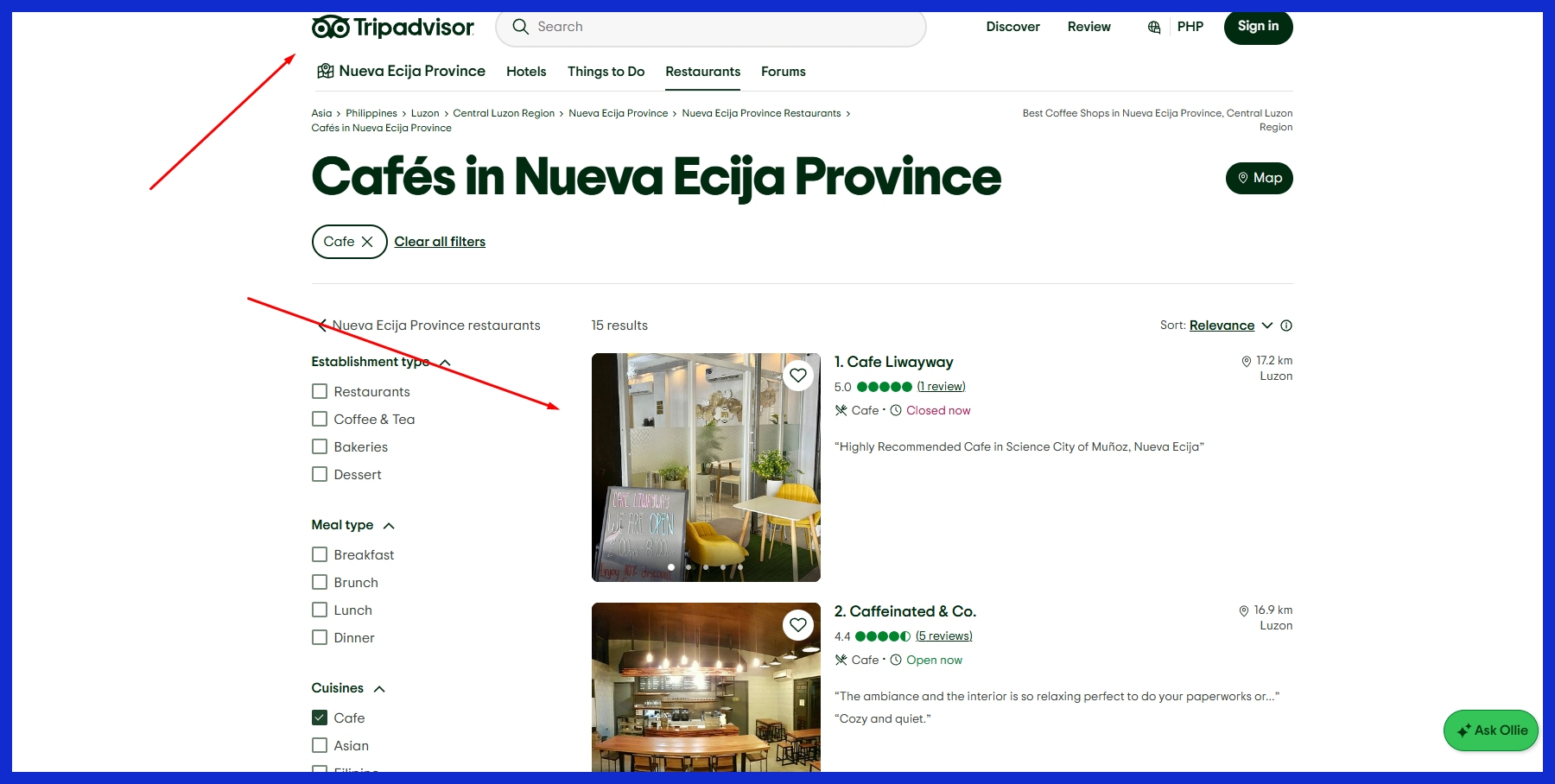
Competitive analysis assists as well. Google local ranking factors, watch what other businesses in your space are doing for visibility, and look for gaps you can fill. Perhaps you can get listed in directories where they aren’t or earn links from relevant local blogs.
Consistency is vital. Incorrect citations across platforms can erode your prominence, so keep your business info uniform everywhere.
The Interplay of Pillars
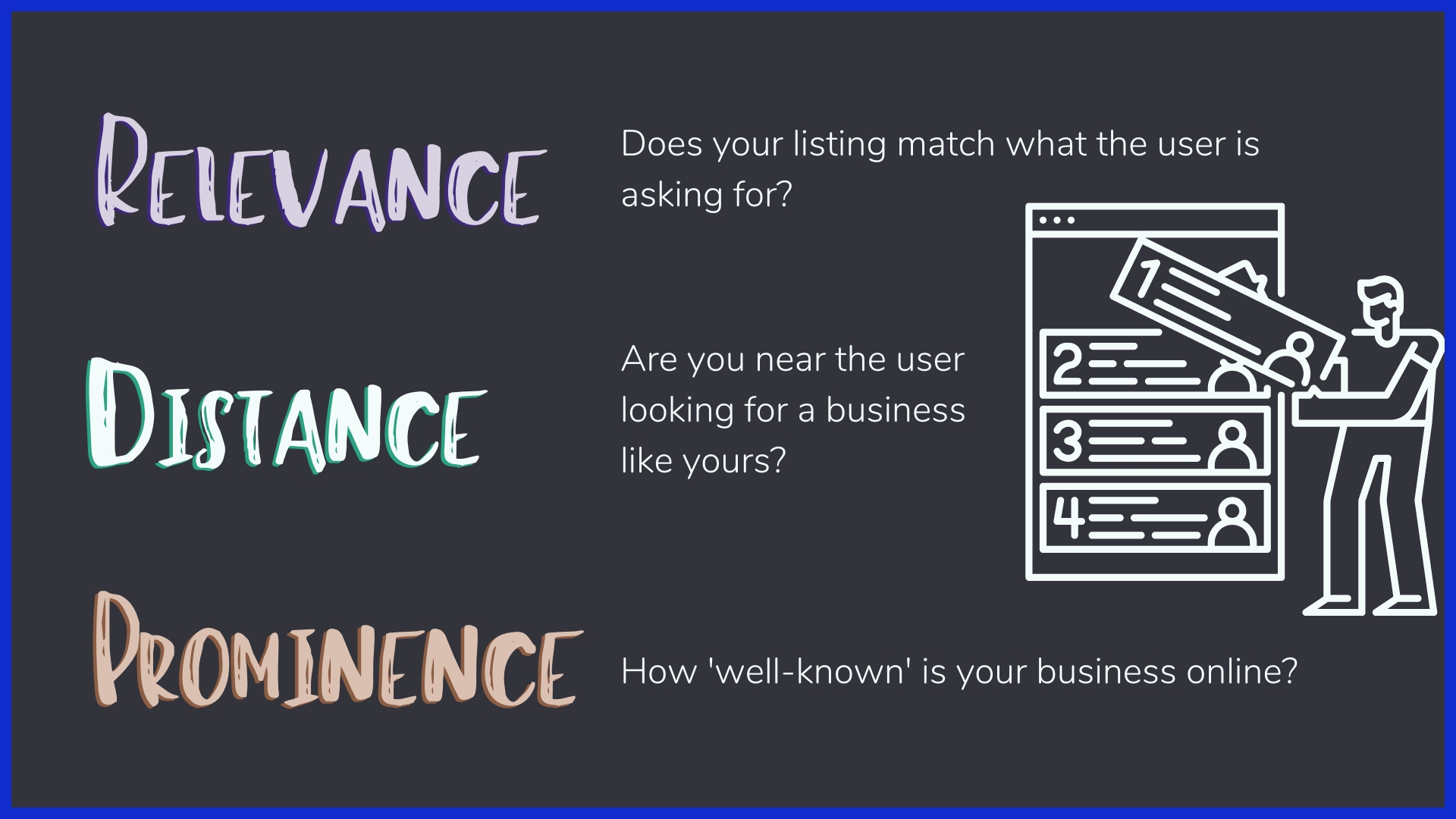
Relevance, distance, and prominence don’t operate in isolation. Google balances them differently depending on the search context. An even more relevant business a little further away might outrank a closer but less relevant competitor.
Strong prominence can trump proximity, but only if relevance is strong. If you want effective local SEO, you need to strike a balance between all three, with continual refinement and patience. Competitive keywords could require two to six months to shift the needle.
How to Optimize Your Local Map Pack
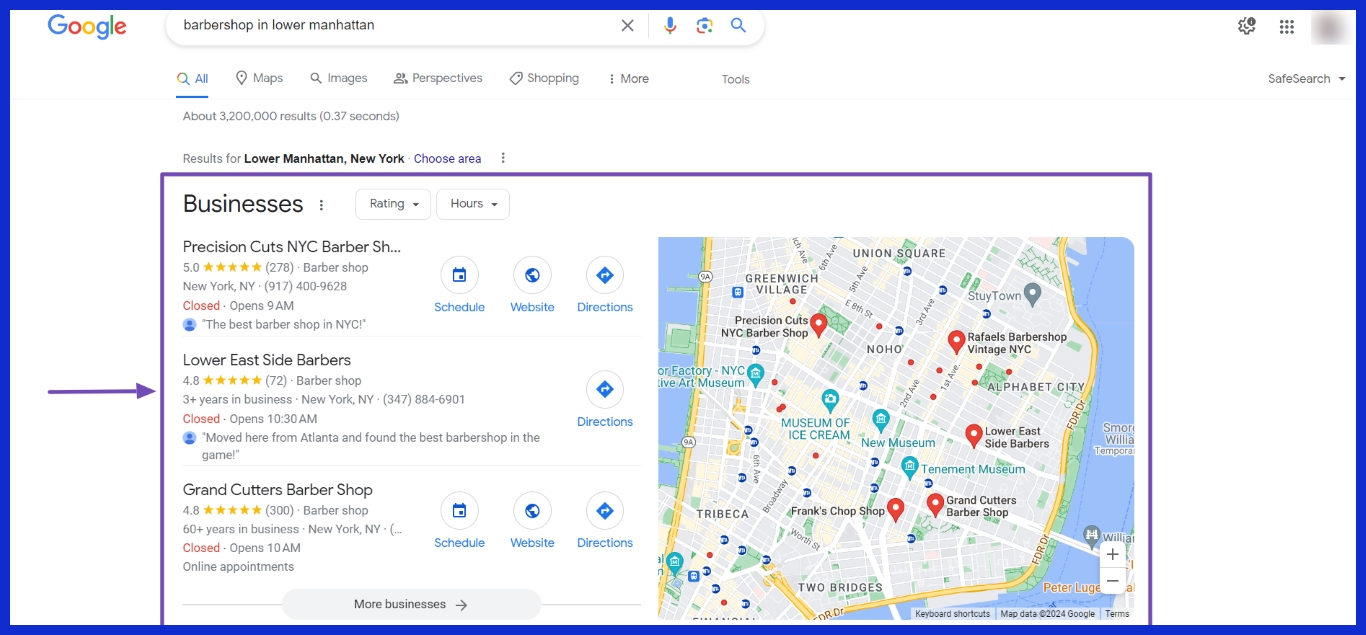
Optimizing for the local map pack isn’t just about chasing a single trick; it involves implementing effective local SEO strategies. Laying a foundation, maintaining consistency, and being proactive are essential. Businesses that provide complete profiles are 2.7 times more likely to be perceived as reputable, which significantly impacts local ranking in Google search results.
1. Profile Foundation
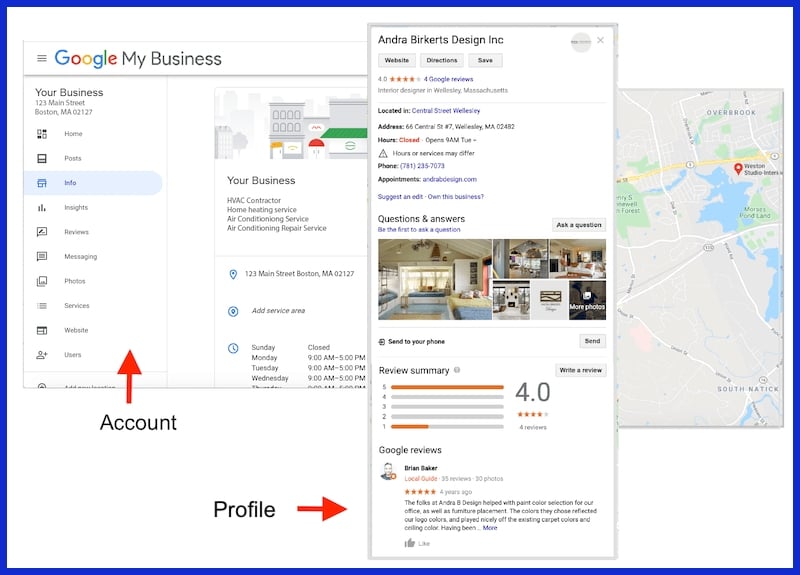
Begin with a fully filled out Google Business Profile. Business name, address, phone, and link to your website, every detail counts. Ensure your business name is easily identifiable. A good description emphasizes what makes your business unique, highlighting services and USPs.
Choose pertinent categories and business attributes so that Google can more easily match your profile with what users are looking for. The finer you get, the better your local visibility.
2. Information Consistency
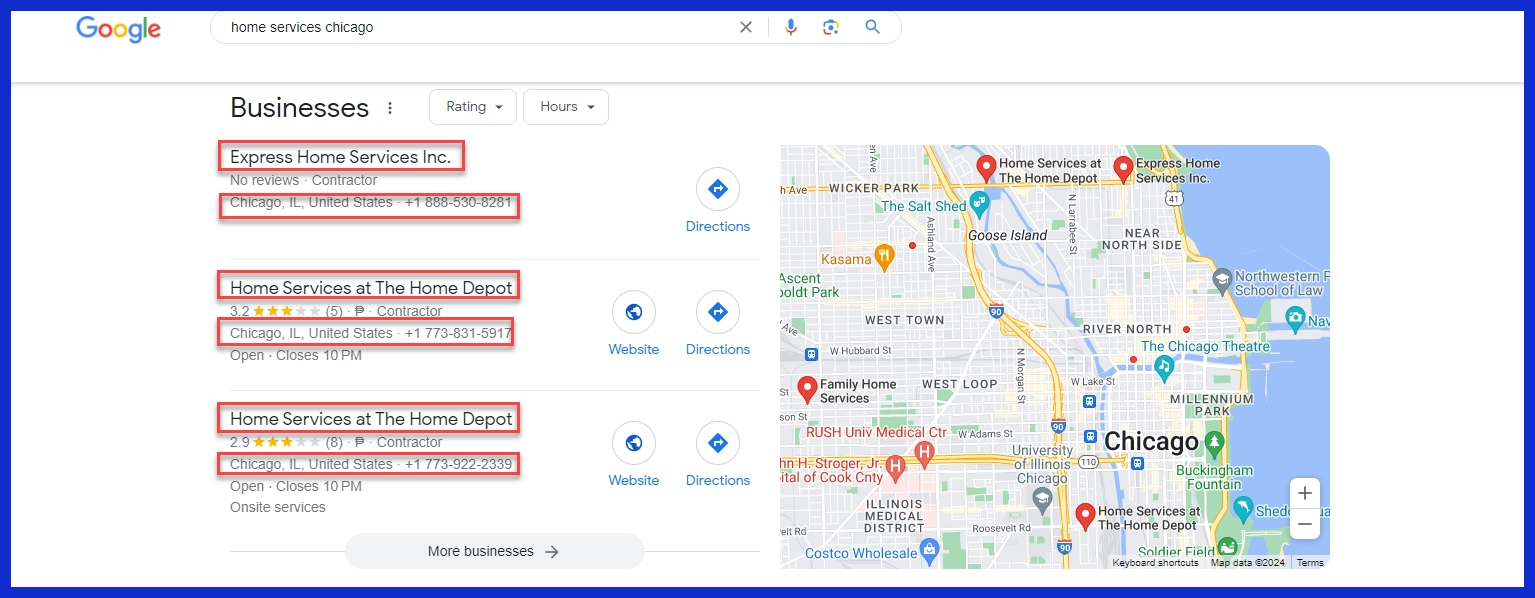
Consistency is a must. Your business’s name, address, and phone number (NAP) must be consistent everywhere online. Audit your listings on directories, social media, and your own website.
Employ local business schema markup to assert correct business information to search engines. If you find inconsistencies, such as an outdated phone number or previous address, fix them immediately. Inconsistent info confuses search engines and customers alike, losing you trust and rankings.
3. Review Management
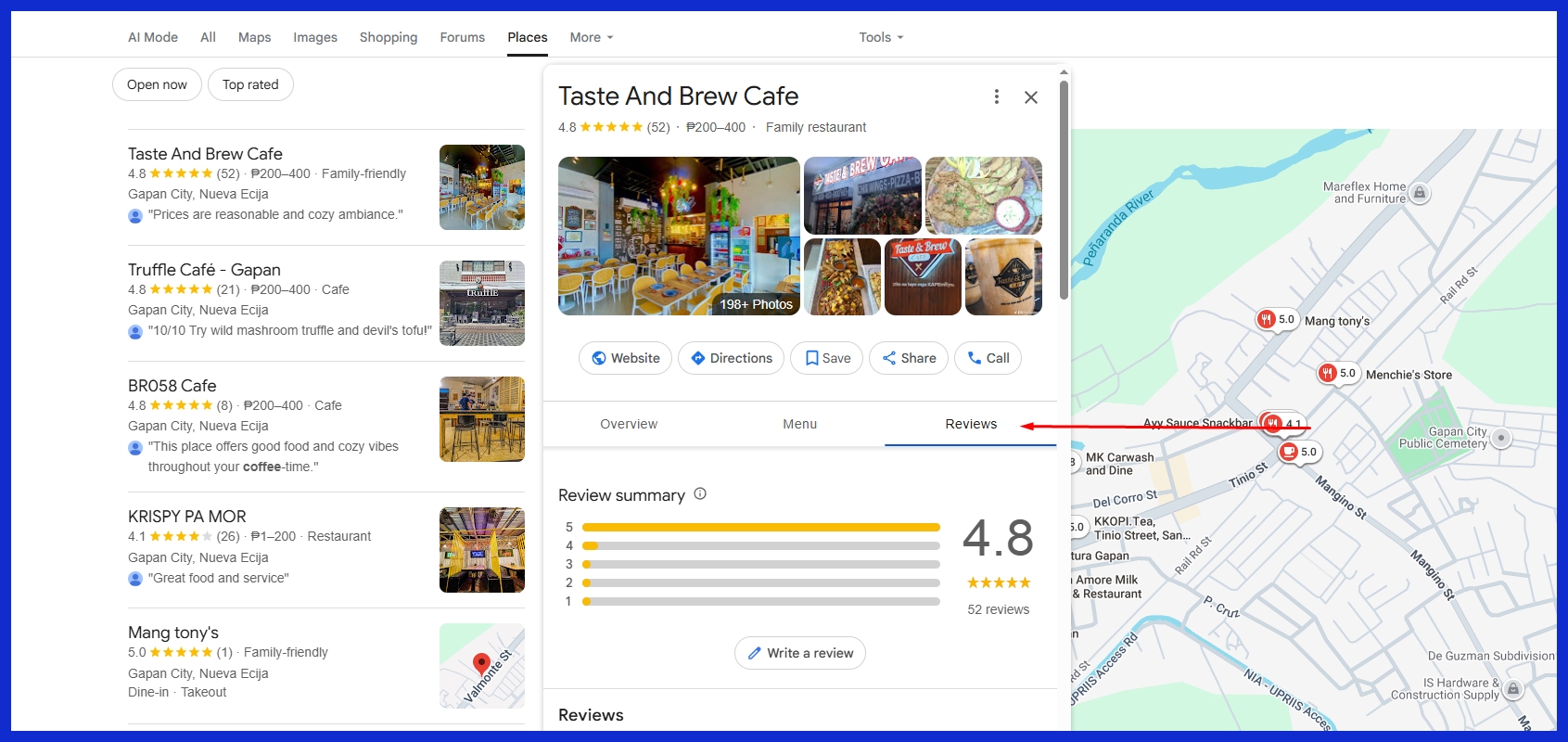
Reviews are a strong map pack ranking factor. Encourage satisfied customers to write reviews and never hesitate to respond to every one of them. Be sure to thank the good ones, discuss concerns in the bad ones, and always keep it professional.
Review trends identify operational opportunities, and using this feedback can help polish your service. More reviews and better ratings affect your map pack presence.
4. Visual Storytelling
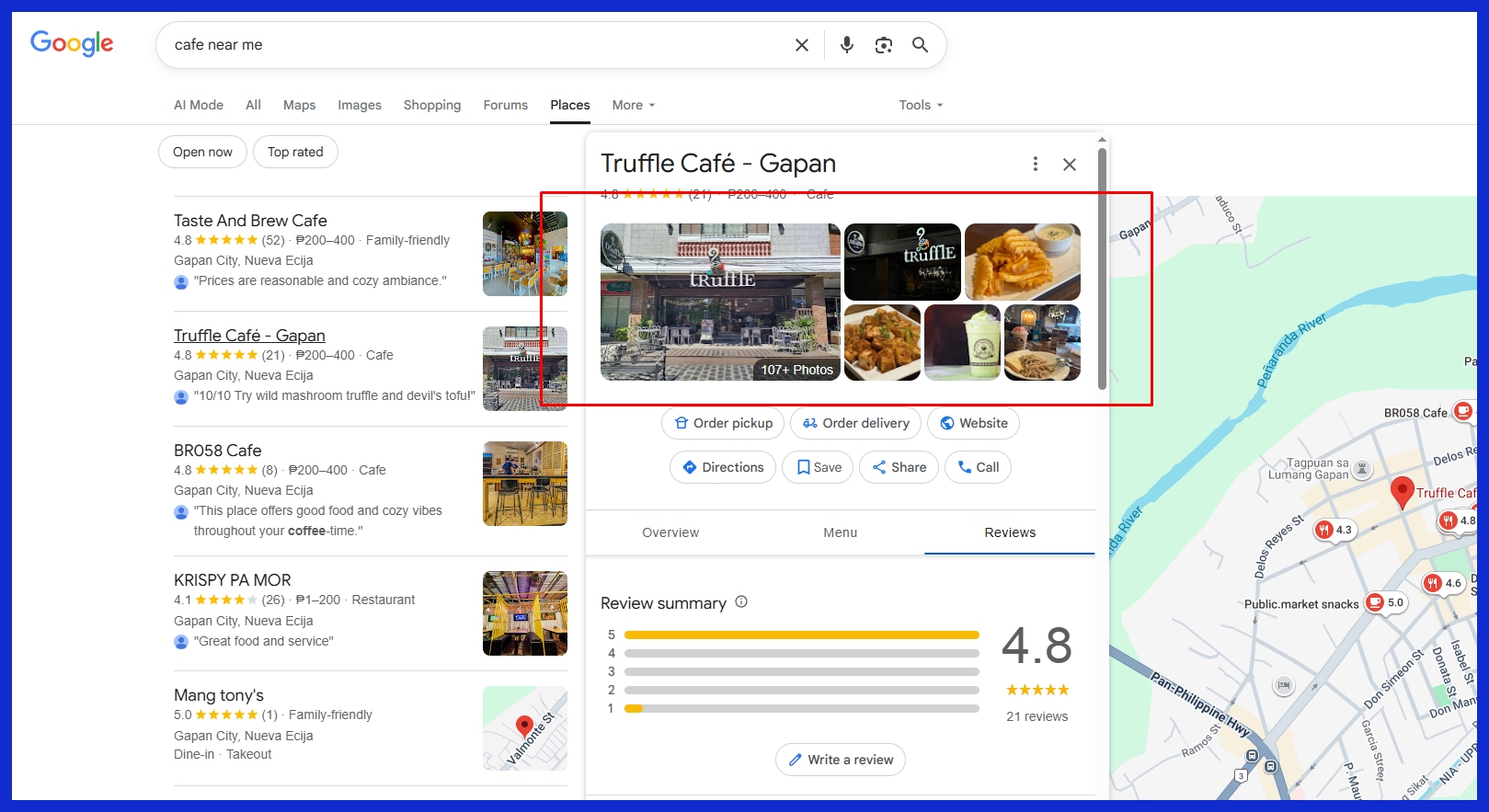
Photos and videos highlight your business profile. Professional pictures of your location, employees, and products instill confidence and make your listing more appealing. Keep your local map pack optimized by using Google Posts for updates, promotions, and events.
Including images and videos attracts more clicks. A visual brand identity, consistent from your logo to your storefront shots, lends approachability and memorability to your business in a busy map pack.
5. Direct Engagement
Be active in the GBP Q&A. Respond to questions quickly and transparently. Publish timely promotions and updates on a regular basis to keep your community up to date.
Encourage customers to leave their feedback. This activity helps determine your reputation. Take the conversation to social media and expand your local reach. Bring more traffic to you.
Amplify Your Website Signals
Local map pack optimization requires more than simple listings. Boosting your site’s signals involves two aspects of how you message search engines and actual humans. This is the role that a combination of local content, mobile experience, schema markup, and landing pages comes in. Results don’t happen overnight.
Dramatic ranking movement for high-value keywords usually requires 2 to 6 months of solid work, so be consistent.
Localized Content
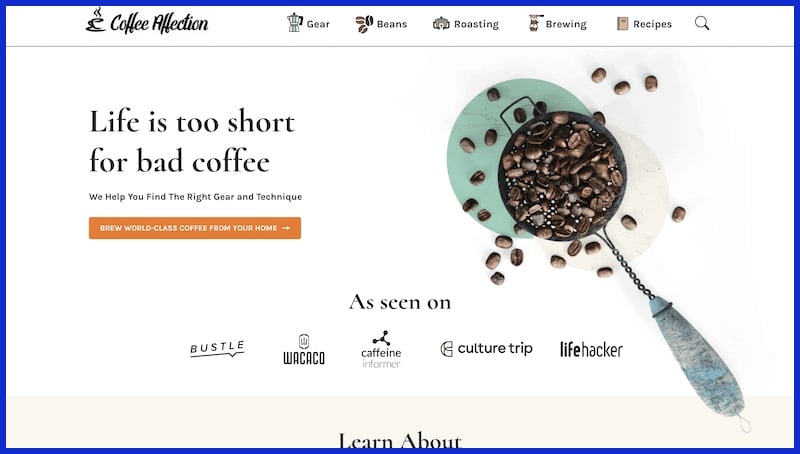
Localized content is the language that addresses your audience’s needs and plays a crucial role in local SEO strategies. Posting blogs on local events, laws, or industry news helps you keep your site fresh and interesting. Naturally peppering local keywords, such as your city, district, or even a local favorite attraction, throughout your text sends strong relevance signals to search engines, enhancing your local pack SEO rankings.
Think “best vegan bakery near Downtown” instead of “best bakery.” Tales about your company’s involvement in neighborhood initiatives or collaborations put a human face on your brand, making you more relatable to potential customers. This content encourages local businesses and organizations to link to you, boosting your local ranking.
If you can tie your content to community news or upcoming local events, such as a city marathon or farmers’ market, it will help you capture timely search interest and show involvement. Companies posting to their listings a few times every week experience a 20-30% increase in engagement over those that post infrequently, contributing to their overall local SEO success.
Mobile Experience
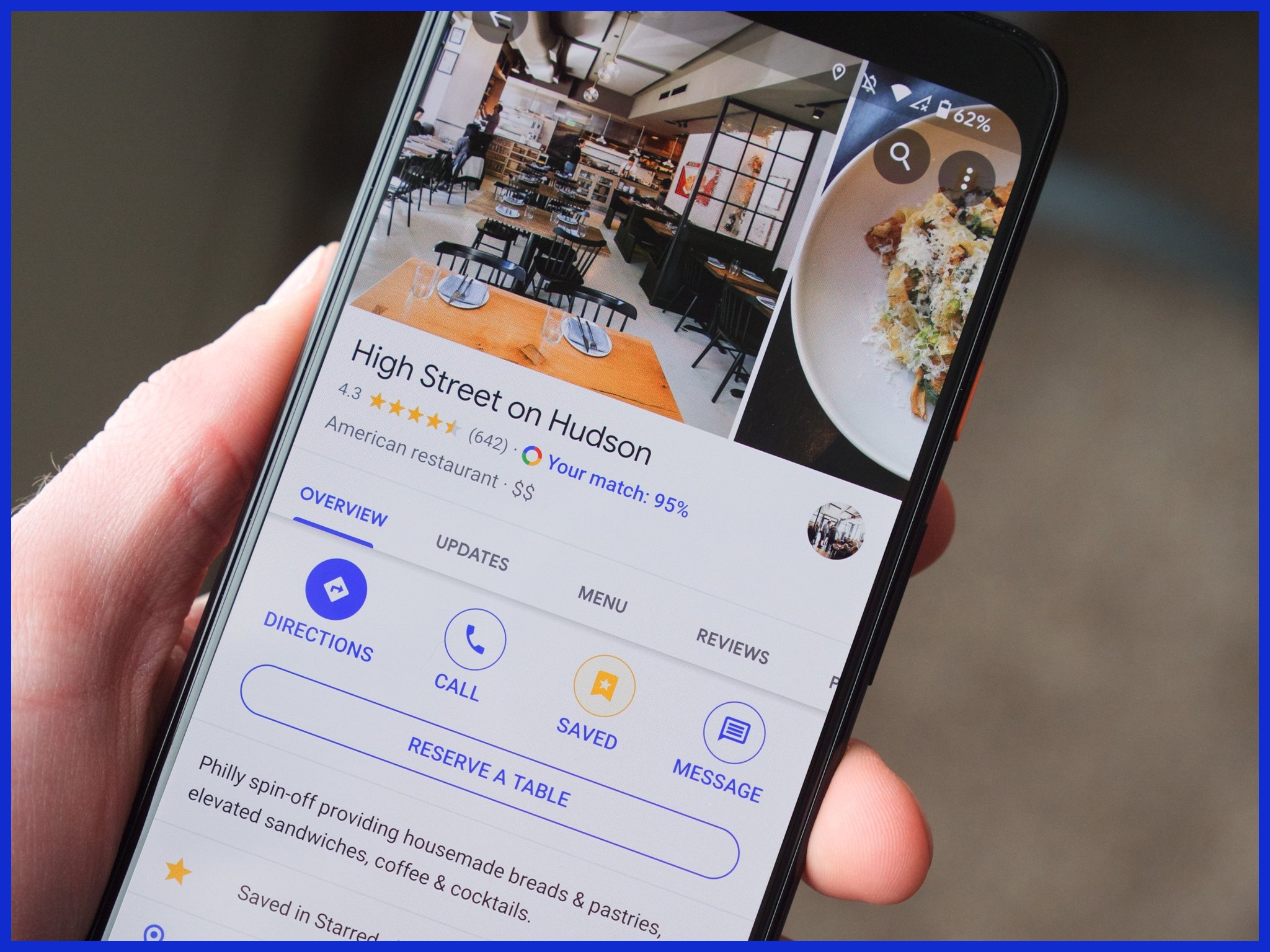
Mobile can’t be an afterthought. With 76% of local searches occurring on mobile devices, your website needs to look crisp and load quickly on any screen size. Mobile-first indexing by Google means that your mobile site is the star of the show for ranking and indexing.
A slow loading page causes bounce, particularly on mobile, where patience is scarce. Mobile-ready where responsive design means your site scales seamlessly to any device, phone, or tablet. Put clean, clear calls-to-action front and center, which makes it easy for users to call, book, or message you with a tap!
Quick loading times and intuitive mobile navigation aren’t nice-to-haves and they’re table stakes.
Schema Markup
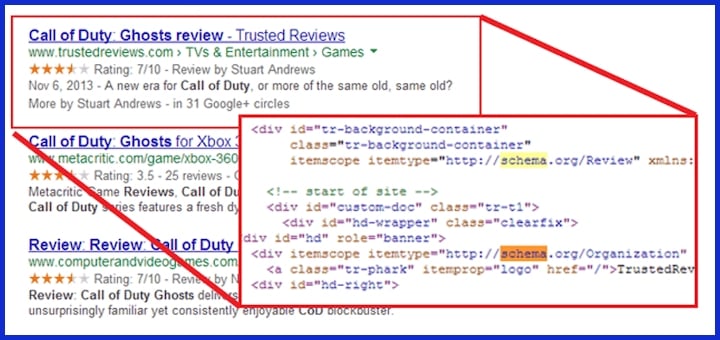
Schema markup provides search engines the organized information they desire, which is essential for effective local pack SEO. Local business schema helps Google understand your address, phone, hours, and service area, increasing the chance your business shows up in the Google local pack. Structured data lets you highlight special offers (“Show this post for 20% off”), creating urgency and action for potential customers.
Precision is key in your local SEO strategy. Use Google’s Structured Data Testing Tool to catch errors and update your schema promptly when business information changes, such as hours, locations, or service offerings. Ensuring you have full, current information, including images and contact info, enhances your local ranking.
It makes your listing way more useful for people conducting local searches. By optimizing your business info, you not only improve your local search rankings but also enhance the overall effectiveness of your digital storefront for nearby businesses.
Measure Your Local Performance
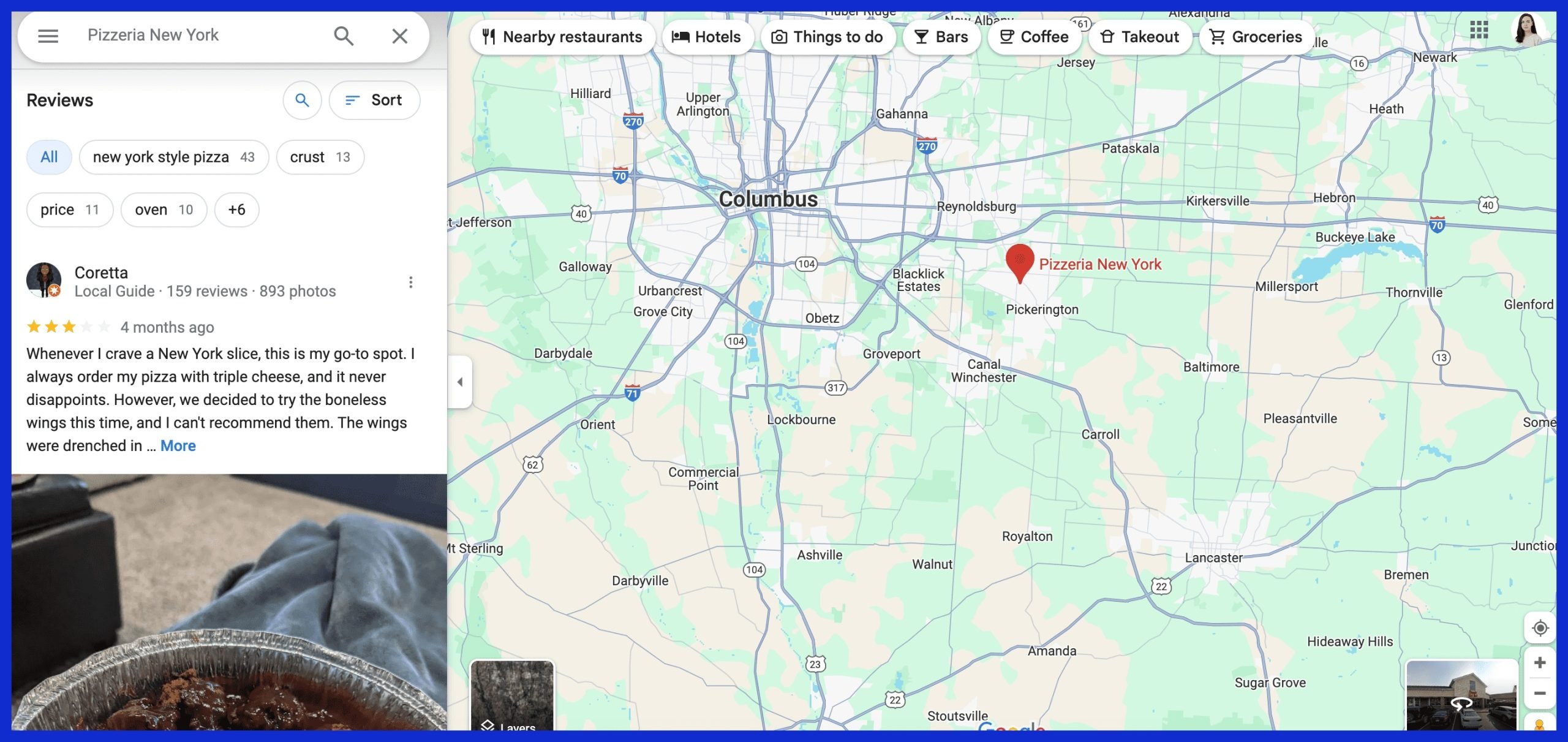
Getting the map pack to pop and stay is only half the battle. Measuring how you’re really performing locally is where the real, rubber-meets-road work begins. Local SEO isn’t a mystery. It’s all about metrics, what’s trending, and tracking what generates real leads.
In a world where search results vary from street to street, knowing what to measure and how keeps your strategy sharp and miles ahead of “set it and forget it.

Begin by using Google Analytics. This is your hub for knowing who’s visiting your site from local search, how they’re acting, and what’s really converting. You want to measure local search traffic. Breaking it down by location allows you to identify where the most activity is coming from.
Engagement metrics such as session duration and bounce rate suggest whether your landing pages are resonating with the appropriate audience. Click-throughs from search to your site indicate how effectively your listings are generating interest. Combine this with conversion rates, which include calls, form fills, and bookings. That’s your real ROI.
See a spike after you update business hours or new photos? That’s not luck; it’s cause and effect.
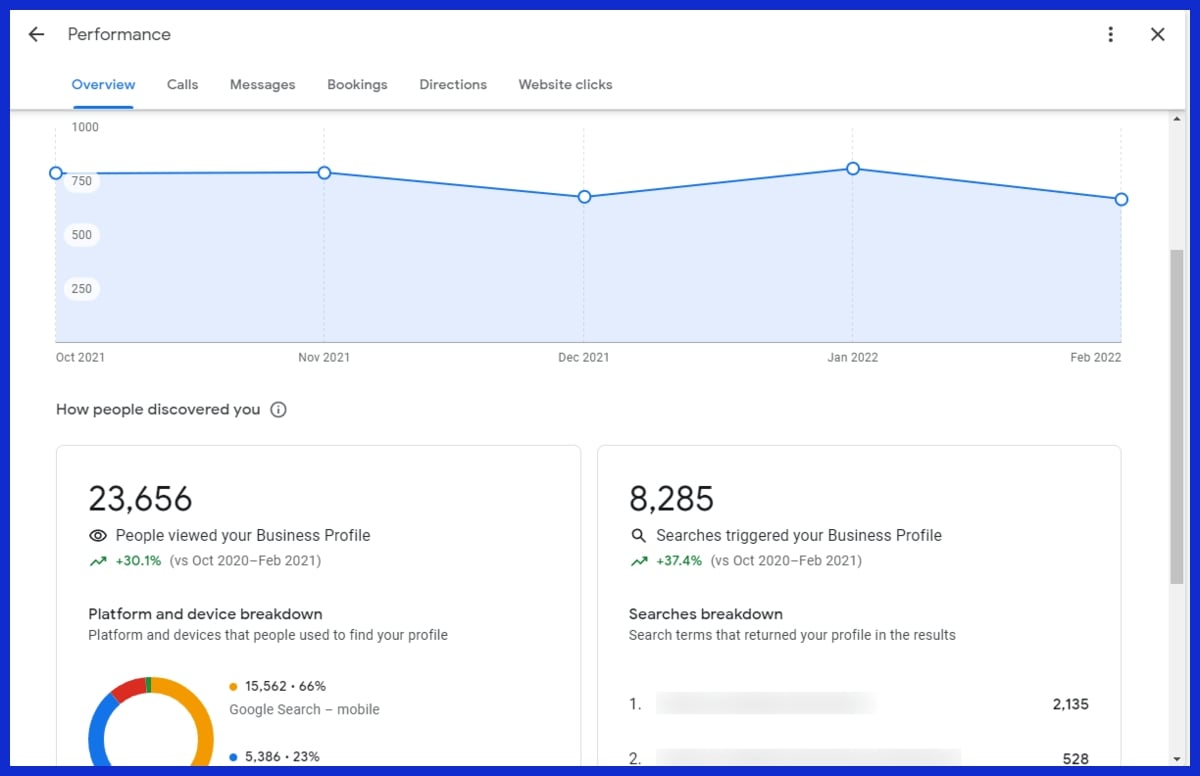
Second, you need Google Business Profile insights. The performance tab gives you a real-world pulse: clicks to your website, calls, requests for driving directions, and even how many times people see your listing in the map pack. They’re not vanity stats.
They tell you if your business is convenient and attractive to engage with, precisely where people want it. If clicks to call spike after you adjust your business description, that’s immediate feedback. How many times your business shows up in local packs (“views”) is a fundamental metric for measuring visibility.
Because local results are hyper-personalized, someone across town may see a completely different business. It’s wise to check metrics by neighborhood or region if you service multiple areas.
Define some concrete, achievable local SEO objectives. Perhaps you’d like to increase 5-star reviews by 20% within 6 months or double map pack clicks-to-call. Check your local performance monthly.
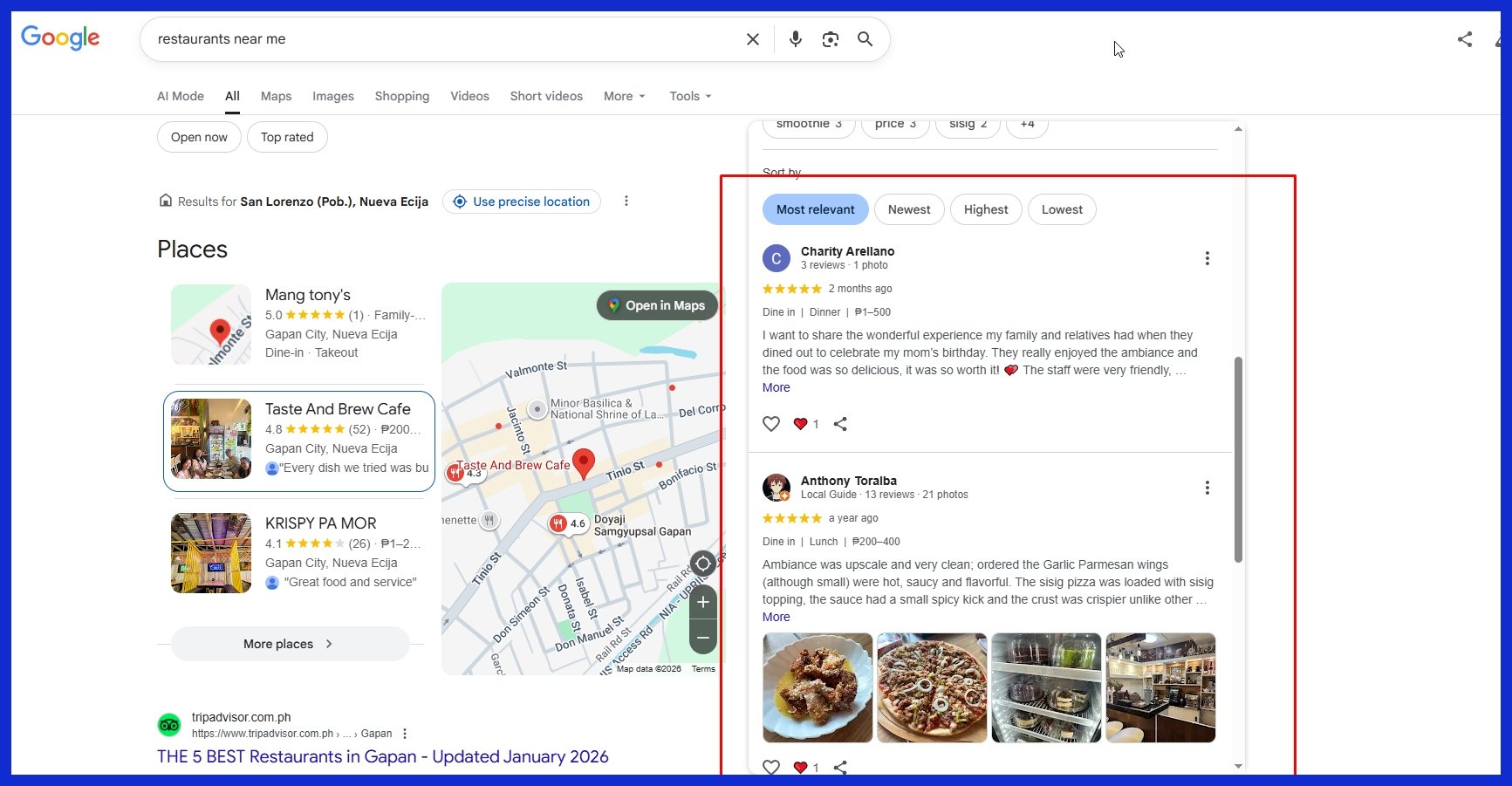
Reviews are powerful. Today, high ratings don’t just enhance trust; they literally boost your local pack rankings. Progress checks like this show you if your efforts are paying off or if you need to change direction.
Remember that significant ranking changes for competitive keywords often take two to six months of steady work. Don’t anticipate instant victories, but do anticipate reliable, quantifiable progress if you persevere.
Finally, monitor your competition. Use tools to see how much they appear in the local pack, what keywords they rank for, and what their reviews look like. If they’re getting more ‘directions’ requests or higher click-through rates, dig deeper.
Maybe their pictures are nicer, or they’re replying to reviews quicker. Either way, competitor analysis is your shortcut to identifying gaps and quick wins. You don’t have to reinvent the wheel every time.
Conclusion
Local map pack optimization is always evolving. The fundamentals remain consistent. Uniform business data, decent reviews, and a well-constructed website form the foundation. Extra touches such as local link building and applying structured data can differentiate a business in saturated markets. To measure real progress, you have to look past the rankings and monitor for consistent increases in calls, visits, and leads.
Yes, there are pitfalls, but they mostly boil down to overlooked details or pursuit of shortcuts. Focusing on a clean strategy, real signals, and honest reporting goes a long way toward building lasting results. Not smoke and mirrors. With time and consistent effort, the local map pack can turn into a dependable source of high-quality leads and sustainable growth.For businesses looking to strengthen this approach with proven local link building and SEO support, SERPninja can help reinforce these fundamentals with scalable, results-driven strategies.
Frequently Asked Questions
What is the local map pack?
The local map pack, a crucial element of local SEO strategies, showcases three business listings along with a map and essential business info, significantly impacting local ranking for nearby businesses in Google search results.
How do I improve my local map pack ranking?
To enhance your local SEO strategy, fully fill out your Google Business Profile with precise info, gather Google reviews, and upload high-resolution photos to improve local pack SEO rankings.
Why are reviews important for local map pack optimization?
Recent reviews enhance local ranking and demonstrate to Google and users that your local business is vibrant and trustworthy.
What are the main ranking factors for the local map pack?
Relevance, distance, and prominence are the three core criteria for local SEO strategies, relying on your business details, location, and web reputation.
How can I measure local map pack performance?
Utilize Google Business Profile Insights and analytics to track keyword traffic and monitor calls, clicks, and direction requests for local SEO success.
What are common mistakes in local map pack optimization?
Typical errors include inconsistent NAP (name, address, phone), duplicate listings, and neglecting google reviews.
Can website SEO affect my local map pack ranking?
Yes. A well-optimized website using local SEO strategies can help support those local pack rankings by improving relevance and authority in your target location.


