

At the beginning of my work in SEO projects, I had the real notion that the search results were approximately the same for all. I would open Google, enter a keyword, examine the first pages, and base my whole strategy on what I have seen. In the long run, this assumption emerged to be among the greatest constraints in my process of doing research on SEO.
The truth here is as pure and strong as possible: location alters the search results in a manner that is underestimated by most people. The page one in one country can be this, and not even in the top ten in another country. The cities can have an impact even in the same country as the user. When you do not consider this aspect, you will be composing content, keyword strategies, and competitor analysis based on incomplete or misleading data.
Today, in this long-form guide, I would like to take apart and explain precisely why location is such an important issue in SEO research, Understanding how location impacts keywords, competitors, and user intent is essential for effective technical SEO services. By analyzing local search behavior and optimizing your site accordingly, you can manage location-based SEO without making the workflow unnecessarily complex.
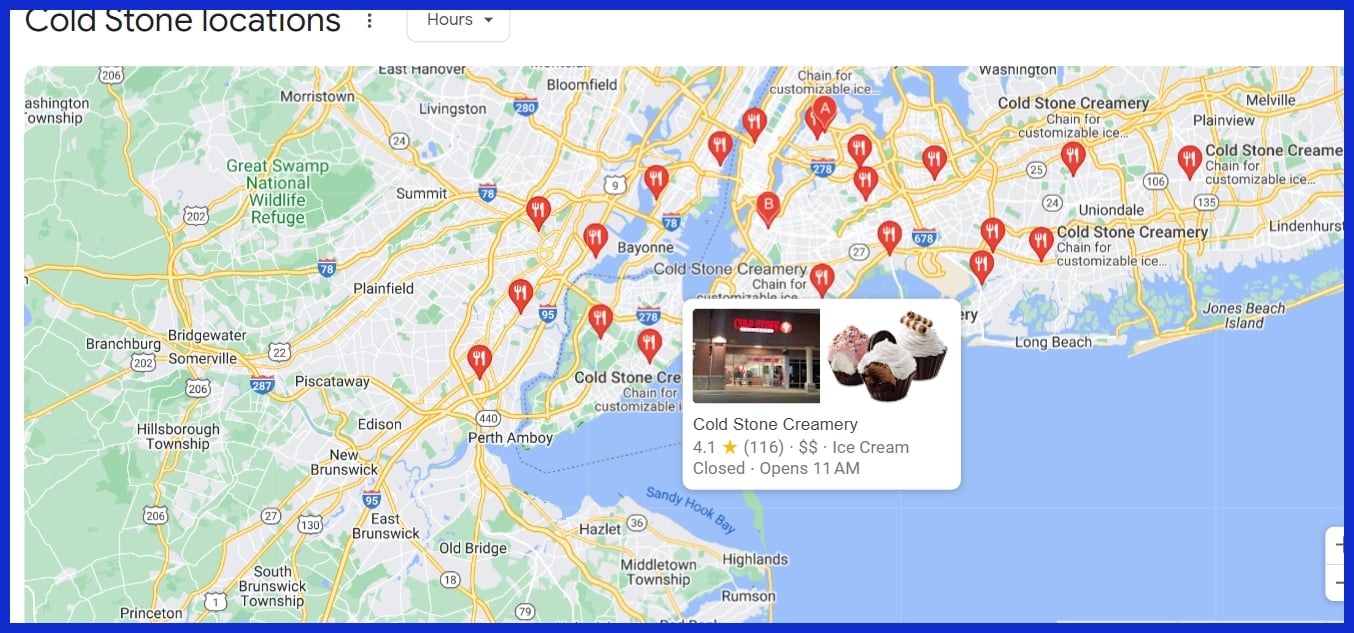
The Role of Location in Search Results by Search Engines
Search engines are supposed to provide the results that will seem relevant and timely to the user. One of the most powerful cues they use to assess relevance is location.
When a person is searching on Google, the algorithm does not analyze the query alone. It also takes into consideration the approximate location and the language preferences of the user, the type of device, and the past behavior of the user.
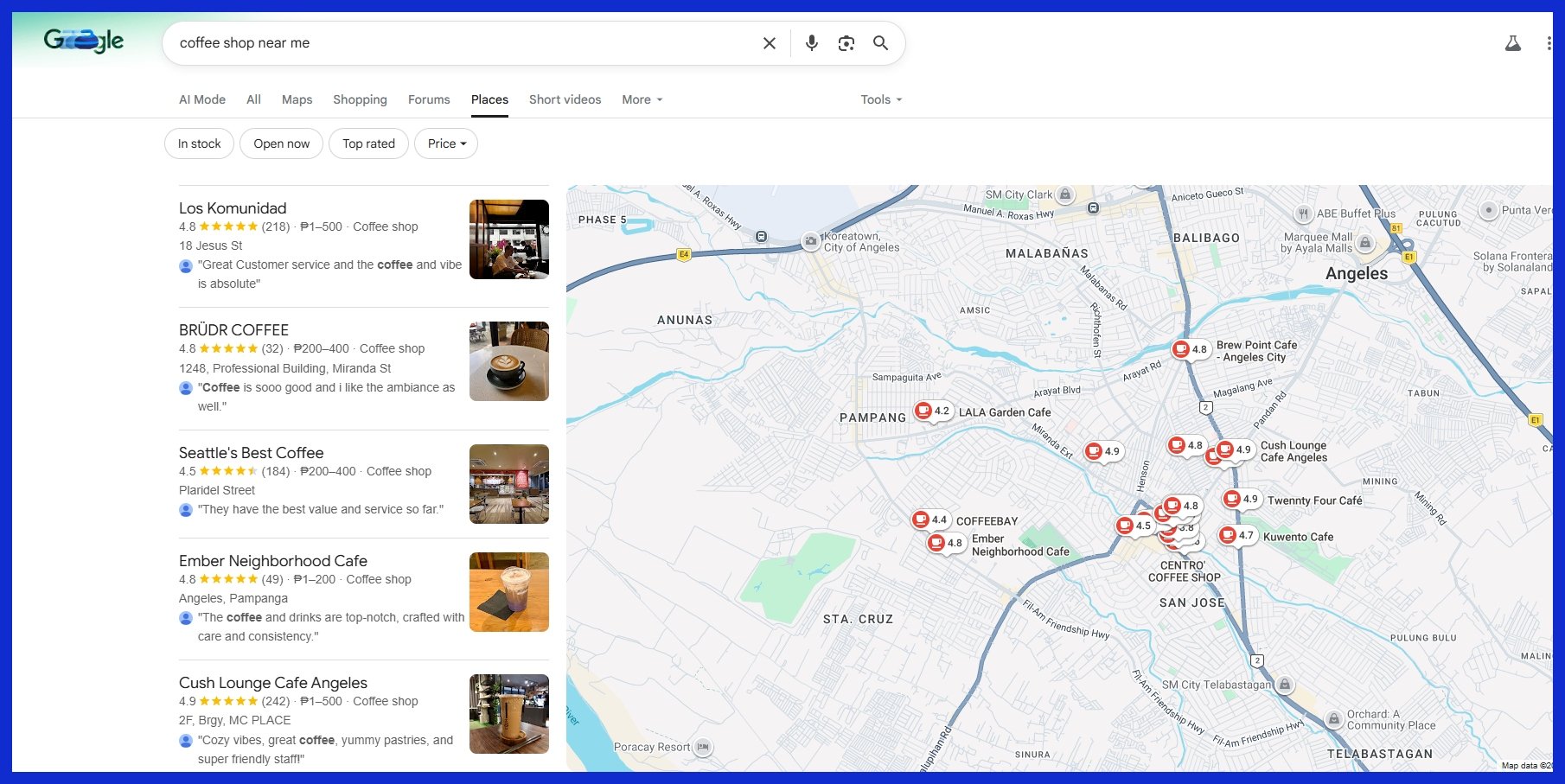
The geographical location can be a determining factor of what websites are displayed, what types of content are prevailing, and even the overall tone of the results.
An example of this is a query such as best accounting software, which can present world SaaS brands in one location, and local trusted sites or regionally-focused comparison blogs to other locations. Google is also making an assumption that one would find solutions that are suitable in their market, currency, regulation, and language.
And that is why when two individuals who have searched the same keyword and reside in different countries, they can view quite different results. It is not an inconsistency. It is purposeful customization that aims at enhancing user satisfaction.
The Correctness of Keyword Research: Location-Based

One of the most popular SEO errors is keyword research, which is conducted without location context. The search volumes are usually country-specific. The keyword that has 20,000 searches every month on a global level might have 1,000 searches in your target area. More importantly, depending on the location, the intent of the users might be changed entirely.
Some terms, spelling and words are local. The solution that is searched for by users in various nations is likely to be known by a different set of words. The expectations of the keywords may not be similar even in the case where the keywords themselves appear similar.
By conducting keyword research in mind, you are certain to understand:
- What people really search for in your target area.
- The level of competition of a keyword in the region.
- The purpose will be informational, transactional, or navigational.
This enables you to produce content in a manner that is more natural in relation to the way that users are searching, as opposed to imposing global assumptions over local audiences.

Knowledge of Local SERPs and Global SERPs
A difference between local and global search results is one of the most crucial differences in SEO research.

The proximity and regional relevance play a major role in local SERPs. They often prioritize:
- Local services and local companies.
- Blogs and directories that are region-specific.
- Websites that have good local backlinks.
Global SERPs, however, will tend to reward:
- International websites that have high authority.
- Deep, evergreen content
- Worldwide brands.
When you analyze global SERPs, but you have a local target market, it is tempting to be depressed by competitors who are not even in your market. On the other hand, when you are targeting international coverage with local outcomes, then the competition might be undervalued.
It is best to realize what kind of SERP you are aiming to be to create a realistic and effective strategy.
The Effect of Location Analysis on Competitor Analysis
When location is included in a competitor analysis, it becomes much more accurate. The largest brands that you see ranked in your country are not necessarily your most intense competition. Regional sites take control of their local market in most instances without being seen elsewhere. Unless you are exploring SERPs in a specific location that you are targeting, you can be missing these players altogether.
Location-based competitor research assists you in knowing:
- Local content styles and styles that are user-friendly.
- Backlink sources that are region-specific.
- Misses in the content coverage that the international websites ignore.
This knowledge enables you to compete smarter as opposed to harder. You do not just replicate what works in one location and apply it in another location where you wish to compete.

Cultural and Language Implications That Influence SEO Performance
SEO is not just technical. It is deeply cultural. Engagement may be impacted by language differences, tone, humor, and even examples applied in materials. Even a properly optimized piece of content can be clumsy or even out of place in a different country, even when it performs extremely well in a particular country.
The engagement measures used by search engines are bounces, time on page, and click-through rate. When your content is not culturally compatible with who you are dealing with, these metrics are negatively impacted, and rankings come next.
Location is serious, and it involves taking into account how the people living there think, speak, and search. This is a human issue that often divides between average seo and an effective one.
Location Bias Management on SEO Tools and Metrics
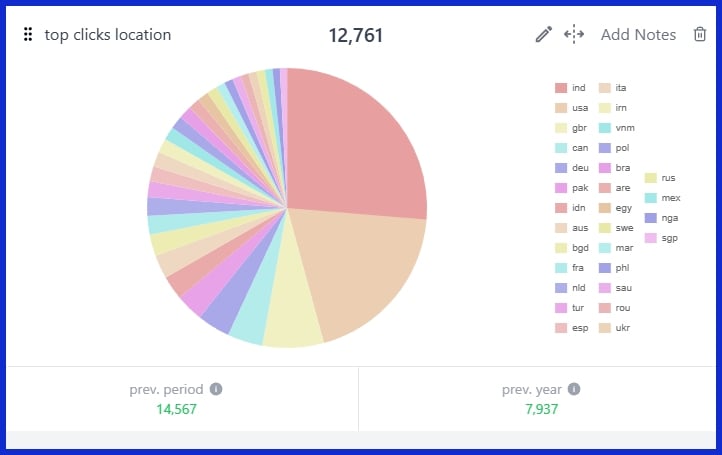
A massive variety of gear supply international averages (with the aid of default). trouble of the key phrases, seek volume, and capacity traffic are possibly to be consolidated by means of location.
Although such data will provide guidance, it may be inaccurate out of context.
To minimize location bias, one should:
- Make use of country-based keyword databases.
- Track rankings by location
- Compare SERP where possible.
Your decision-making process should be facilitated by tools, but not critical thinking. Real-life confirmation is still necessary.
Location-Based SEO Research With VPNs but Not Oversaturated
One can notice that correct search results are important when studying SEO in various locations. And this is where VPNs may come in handy.
A VPN allows you to simulate browsing from another location, helping you understand how search results are displayed to users in specific regions. VPNPro frequently discusses how geo-blocking VPNs can be used responsibly to access region-based content and localized SERPs.
This is not to manipulate but rather to have accuracy in research. VPNs are to be utilized as a validation technique with the assistance of the SEO platforms, and they should assist you in confirming the assumptions and not substitute the structured information.
VPNs can bring about clarity into location-based research rather than confusion when applied appropriately.

Most Frequent Errors Made by People in Location-Based SEO
Even old school marketers commit preventable errors when dealing with location in search engine marketing. Others are all tool-dependent and do not ever check SERPs manually. Other sites attack the same content in different areas without paying attention to the language and intended meaning. Cases also exist where individuals use the maximization of the wrong nation just because the data appears to be more appealing.
Such errors usually result in decreased participation, erratic placements, and time wastage. SEO based on location does not need shortcuts but rather intentionality.
The Case of Creating a Location-Aware SEO Strategy
An effective location-based search engine marketing plan begins with simplicity. A target region has to be defined early. Then all the steps become more comfortable. Keyword analysis, content tone, in-house linkage, and even outreach strategies must be up to that location.
In case you are targeting various regions, systematic strategies like localized pages or nation-specific groups of content are best. Attempts to accommodate everyone on a single generic page do not usually give the same results. SEO rewards relevance. Time is one of the facets of that equation.
The Reason Location is Better Compared to the Long-term Stability of SEO
Stability is one of the underestimated advantages of location-aware SEO. In case you are close to regional intent in the content, your competitors find it more difficult to push you out. What has helped to win your rankings is not just the keywords and links, but also actual user interaction.
There is always an evolution of search engines; omnipresent is relevance. Location assists you in establishing your relevance in a particular situation, and your SEO undertakings will further be robust to modifications in the algorithms.

FAQ’s
Is there real-life impact of location on Google exist?
Yes. Even the non-local searches greatly depend on location to dictate which results are presented.
Does that mean that location-based SEO is only applicable to local businesses?
No. Location-based research has advantages for global brands, affiliate websites, blogs, and SaaS businesses.
Is it possible to market to more than one country using a single site?
Yes, however, it must be structured, have clear targeting, and enough implementation to prevent confusion.
Is the location research sufficient with SEO tools?
These are useful, and manual validation enhances accuracy and confidence.
Will improper targeting of location be detrimental to my SEO?
Yes. Lack of alignment in content has a tendency to yield improper engagement and lower rankings.
Conclusion
The issue of location does not pose as a secondary factor in SEO research. It is a foundation. Knowing the role of geography in keywords, competitors, and user intent, it will allow your strategy to be more focused and win.
It is not about ranking everywhere, and it is SEO success. It is concerning prioritizing what is important. Through location, you match what you are talking about with actual users and not abstract data.
That correspondence is the one that transforms traffic into trust and visibility into sustainable growth in the long term.


