

Key Takeaways
-
Media planning and buying are at the core of impactful advertising, demanding clarity of purpose, an ironclad strategy, and flawless execution to generate real impact.
-
Success depends on matching media plans to business objectives, conducting intense audience research, and applying insights to targeting and messaging.
-
An optimized media mix, spanning digital and traditional channels, enhances reach and engagement. Continuous measurement and optimization fuel progress.
-
Cross-division collaboration between media, creative, and analytics teams is essential for cohesive campaigns, making smarter choices and optimizing ROI.
-
Responsible data use, privacy compliance and ethical advertising practices fortify consumer trust and protect brand integrity across each market.
-
By embracing new technologies such as artificial intelligence and predictive analytics, marketers can remain nimble, anticipate trends and stay ahead in the ever-changing landscape.
Media planning and buying describe the strategic process of selecting and purchasing advertising space to reach a target audience efficiently. They study consumer behavior, channel research and placement negotiations to help a campaign perform optimally.
It blends data and frugality to get the right message in the right place. By getting a handle on these basics, businesses construct smart, outcome-focused advertising in a crowded marketplace.
The Core of Media Planning and Buying
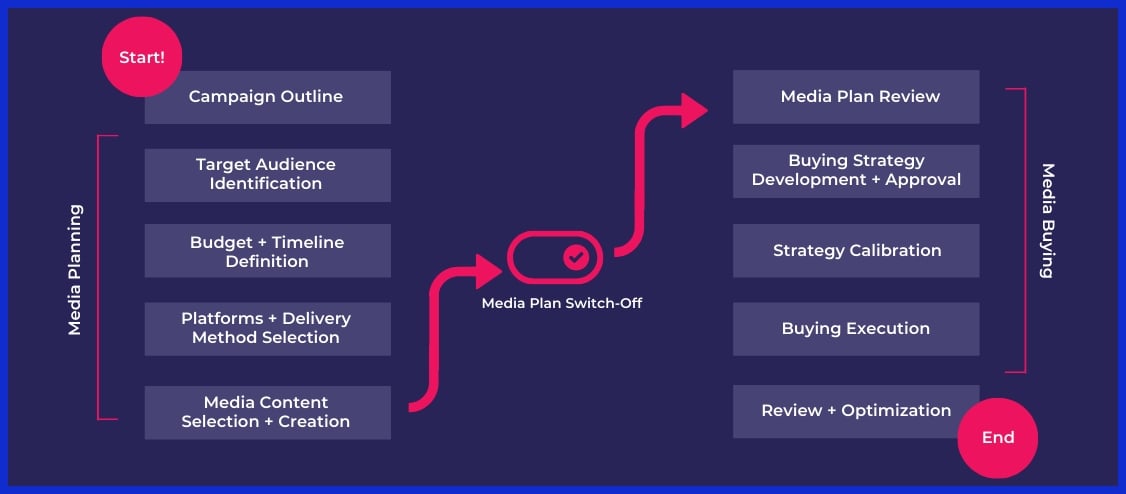
Media planning and buying are the heart of effective advertising campaigns. People often confuse the two. Think of media planning as the design of the strategy—whom to reach, when and where—while media buying is actually securing the ad space to execute that strategy.
The planner charts the course, and the buyer powers the drive, aligning every placement with goals and measurable outcomes. Both are essential and demand deep audience insight, sharp negotiation, and an uncompromising focus on campaign objectives. The stuff that forms the heart of media planning and buying is never one-size-fits-all.
Each plan should combine a mix of media, directly tie to broader marketing goals, and shift based on real-time data.
1. The Blueprint
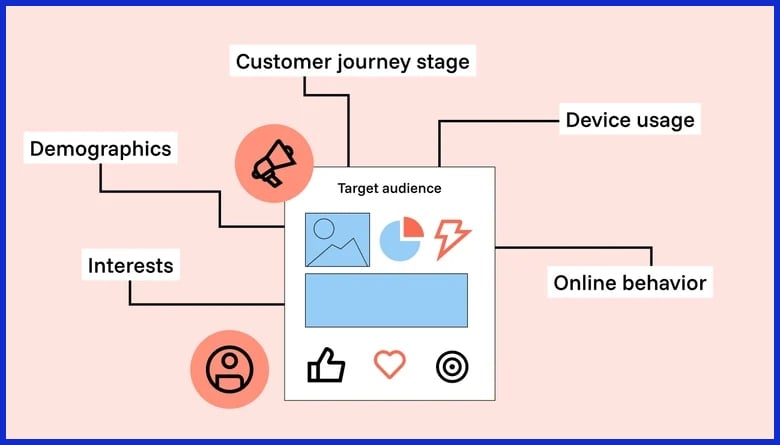
A solid media plan begins with understanding your target audience and how to effectively reach them. Audience profiles, which include age, geography, interests, and behaviors, are essential for media planners to create a successful advertising campaign. Following this, the media mix—whether it be TV, digital, print, out-of-home, or social—should be strategically selected to ensure effective media buying.
Establishing clear objectives and key performance indicators (KPIs) is crucial for aligning all stakeholders, whether the focus is on awareness, lead generation, or conversion. For example, if reach and frequency are prioritized KPIs, the media approach may favor high-impression channels. Timelines and deliverables must also be clearly defined to avoid campaign disruptions.
Audience insights drawn from thorough market research help media planners refine their strategies, ensuring that every media dollar is spent efficiently. By leveraging analytics platforms, planners can adapt their media execution to maximize the effectiveness of their campaigns, ultimately leading to a robust media plan that meets overall advertising goals.
2. The Execution
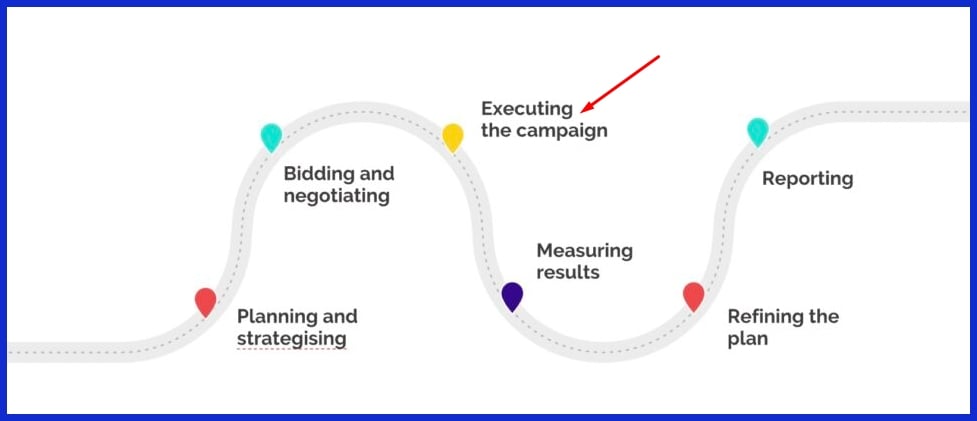
Turning the plan into action is where things get interesting. The process begins with campaign setup: trafficking creative, configuring ad servers, and locking in publisher schedules. Teams huddle to clarify roles—buyers, traffickers, analysts—ensuring everyone’s rowing in the same direction.
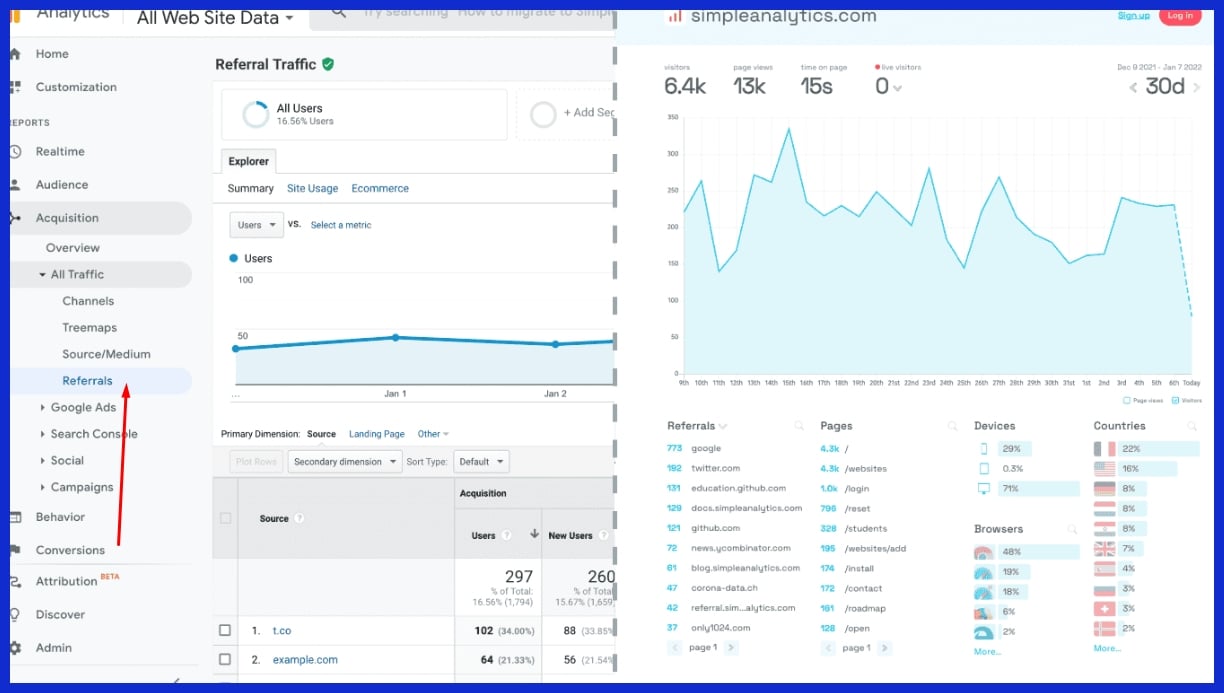
Real-time monitoring isn’t just a buzzword; it’s essential for spotting problems and optimizing on the fly. For instance, if one channel outperforms, budgets can shift within hours. Analytics platforms like Google Analytics or DSP dashboards provide the data needed for quick pivots and smarter media placements.
Execution is rarely linear. It demands flexibility, constant communication, and the nerve to change course when numbers start to slip.
3. The Synergy
Mixing media is exponential. At the heart of media planning and buying is when digital, print, and broadcast bolster each other. Campaigns perform better when search ads support TV spots or social media enhances print.
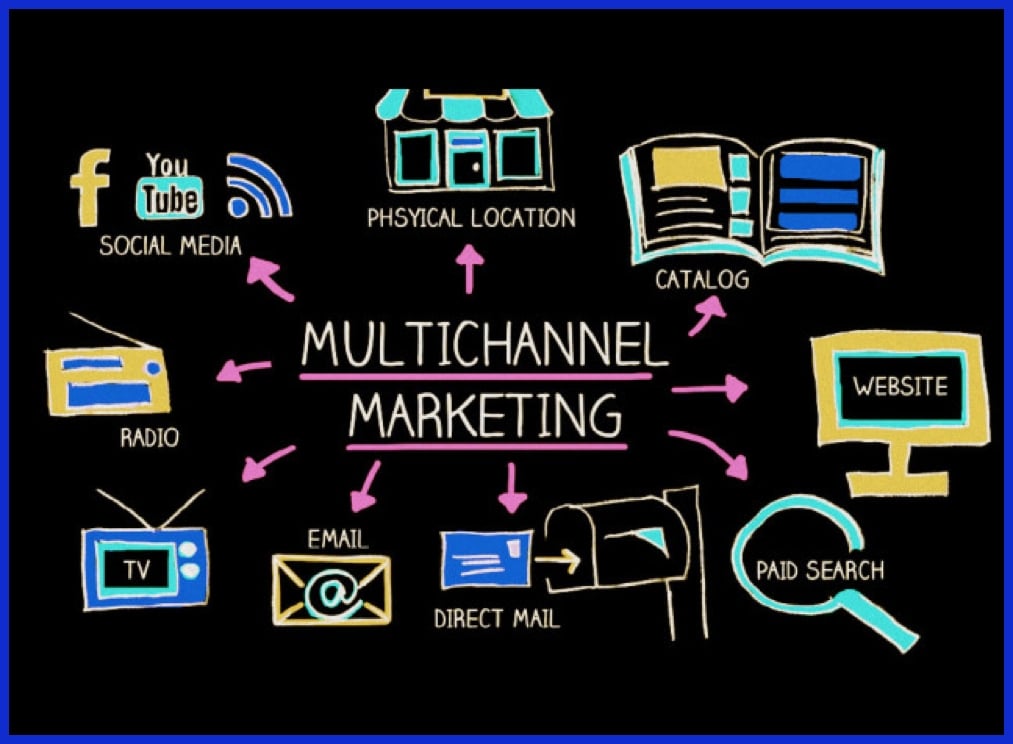
Cross-channel promotion extends spend further, reaching the audience wherever they wander. Extracting data from multiple sources, such as CRM systems and ad platforms, gives planners more insight. It’s all about collaboration.
When creative and media teams brainstorm together, messaging and placements sync up, making campaigns more cohesive and effective.
4. The Goal
Every campaign needs clear goals. These goals must track back to business outcomes like sales, sign-ups, or brand lift. Measurable targets help teams evaluate if strategies actually work.
For example, setting a target cost per acquisition or return on ad spend keeps everyone honest. The ultimate aim isn’t just to run ads; it’s to drive real results through smart, strategic planning.
The Strategic Media Planning Process
Strategic media planning is the foundation of every top-performing marketing campaign. It mixes research, analytics, creative thinking, and on-the-fly scrappiness. At the heart of it, media planning and buying go hand-in-hand. Planning ignites the vision, and buying gives it life.
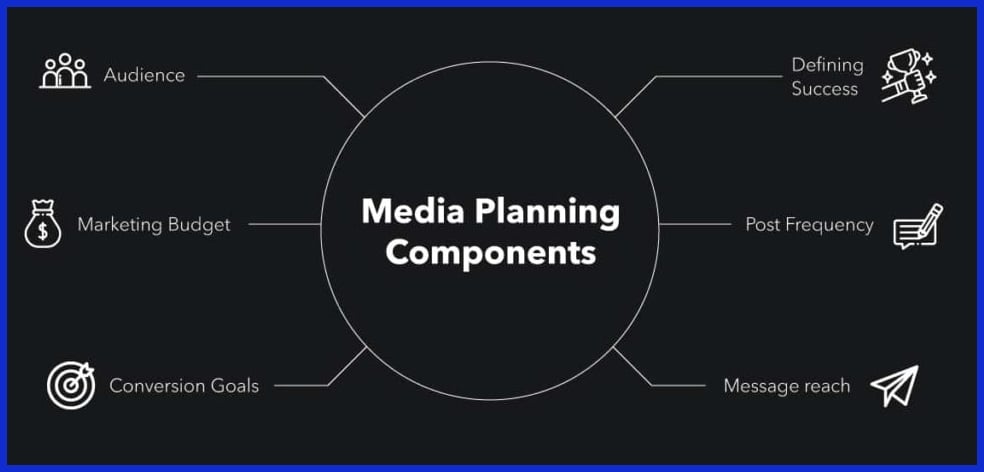
The process is systematic but never formulaic, demanding constant fine-tuning and a careful watch on numbers such as reach, frequency, CPM, CPA, and ROAS. A comprehensive media plan doesn’t just list channels and spend; it encapsulates audience insights, monitors industry dynamics and pivots with changing environments. Every step from objective definition to result measurement is a lever to drive ROI and campaign relevance.
|
Step |
Purpose |
Key Considerations |
|---|---|---|
|
Define Objectives |
Set clear, measurable campaign goals |
Align with business KPIs, target outcomes |
|
Audience Research |
Understand who, what, where, and why |
Demographics, psychographics, behavioral patterns |
|
Channel Selection |
Decide optimal media mix |
Reach, engagement, cost-effectiveness |
|
Budget Allocation |
Assign funds strategically |
Performance history, channel ROI, flexibility |
|
Campaign Scheduling |
Map out timing and frequency |
Seasonality, audience habits, market trends |
|
Creative Development |
Craft compelling, relevant content |
Messaging fit, creative formats, brand alignment |
|
Measurement & Tracking |
Monitor performance and optimize |
KPIs, real-time data, ongoing refinement |
Audience Insight
Media planning begins with deep audience insight. Demographics such as age, gender, and location are the first step. Psychographics, which include interests, values, and attitudes, provide added context.
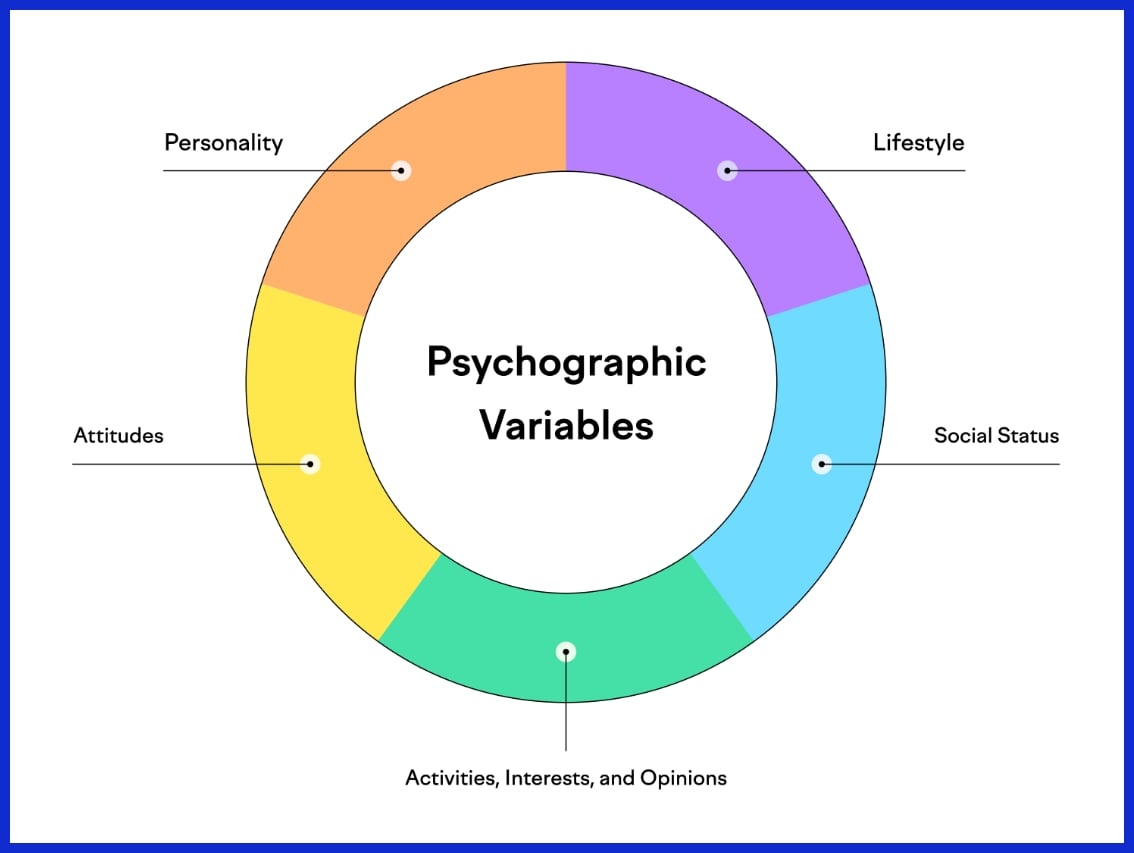
Think about targeting not by demographic groups but by the types of games people play or what they like to do in their free time. This level of detail informs both channel choice and messaging.
Drilling down into consumer behavior trends hones campaign focus even more. Patterns emerge, perhaps your audience looks at mobile apps during commutes or likes long-form on weekends. Armed with these insights, planners develop messages that connect.
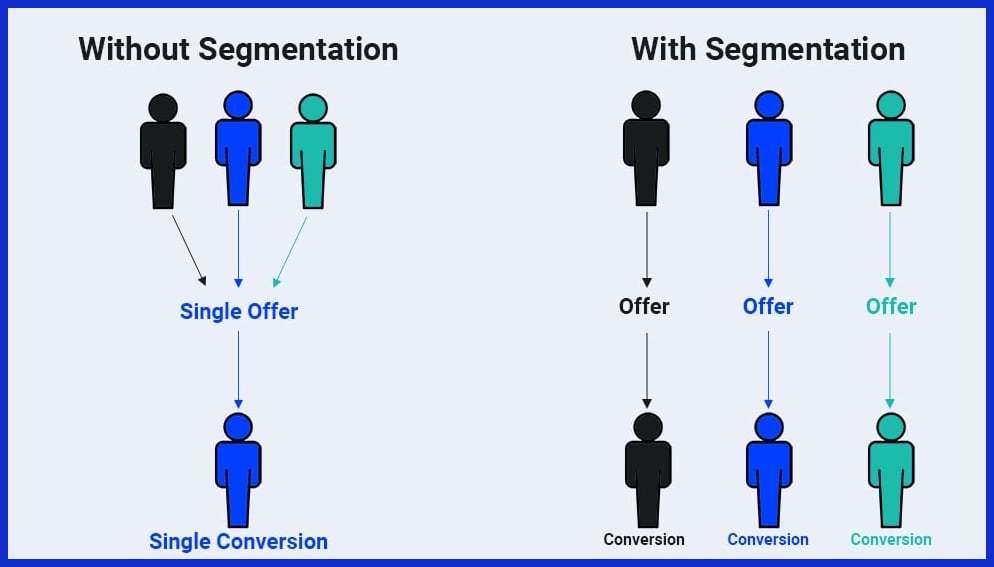
Segmentation is key. With audiences segmented into specific groups, campaigns can provide very targeted, customized experiences. Feedback loops, such as surveys, analytics, and customer reviews, feed back into the process, enabling constant refinement and more precise targeting as market conditions fluctuate.
Channel Selection
Evaluating media channels means balancing reach, engagement, and cost. Digital channels, such as search, display, and social, offer precision and real-time analytics. Traditional channels, including TV, radio, and print, still provide broad awareness, especially for mass-market products.
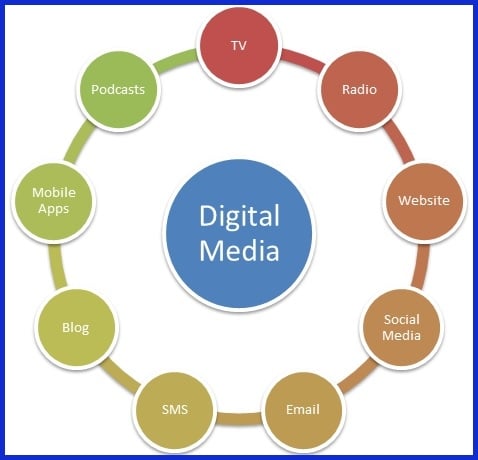
A diversified mix mitigates risk and increases impact. For instance, a campaign could integrate paid search for high-intent conversions and organic social for brand building. By testing and tuning each channel, planners determine which platforms deliver the most powerful outcomes for particular segments.
Budget Allocation
Budgeting is not simply a matter of keeping the bottom line down. Begin with a media budget within the context of a big-picture marketing strategy. As for the strategic media planning process, prioritize spending where channels have historically produced results.
Be nimble and shift budget as real-time data shows over or under performance. Track expenses carefully. Fine tune allocations as per campaign objectives and market directions.
Privacy Compliance
Data privacy matters. Laws such as GDPR and CCPA require stringent standards around collecting and utilizing audience data. Compliance isn’t elective. Getting it wrong can result in big fines and brand damage.
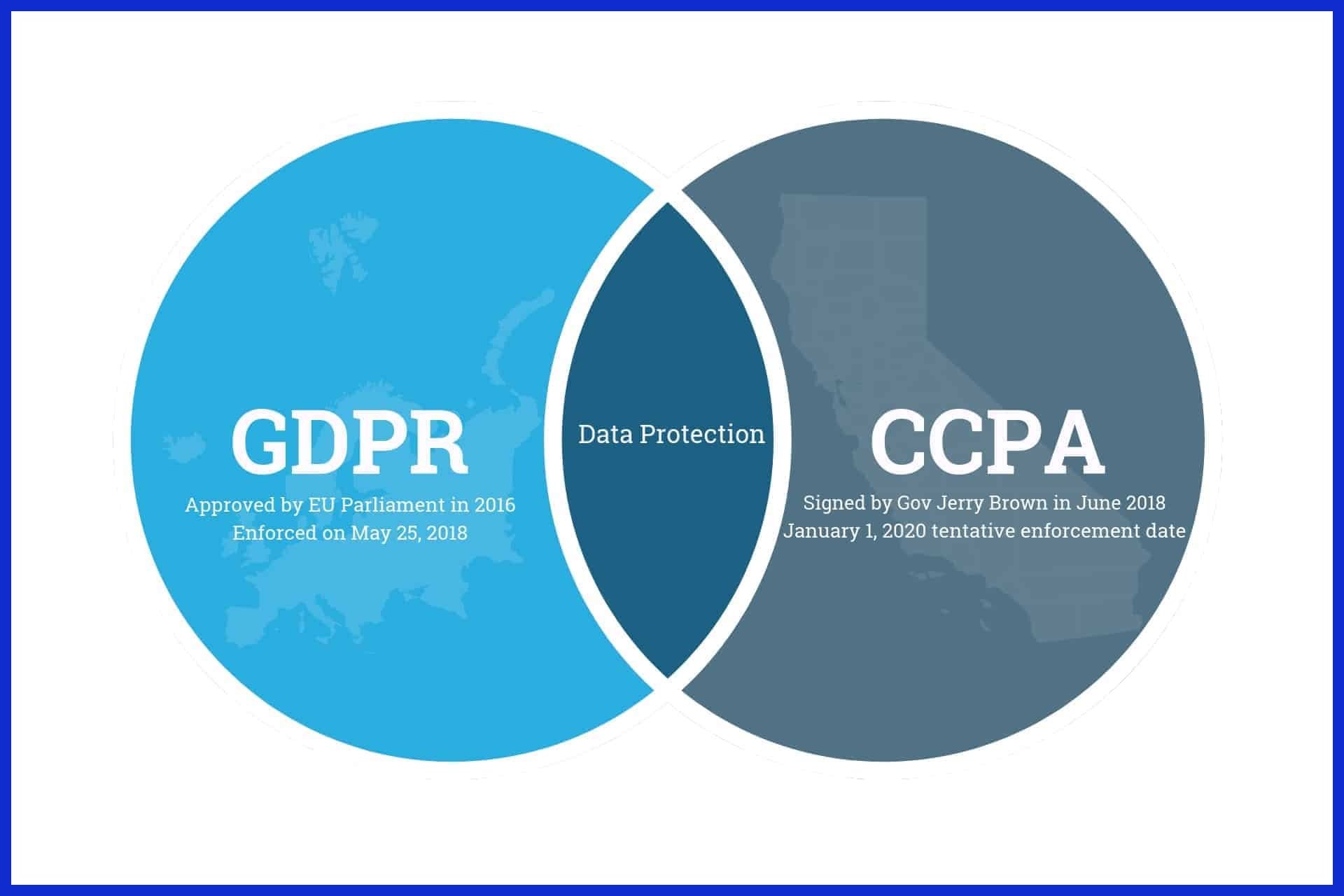
Media teams require continuous training in ethical data usage. Design privacy into every step of your media plan, from your audience research to your execution. This forward-thinking approach safeguards both the brand and consumers.
The Tactical Media Buying Process
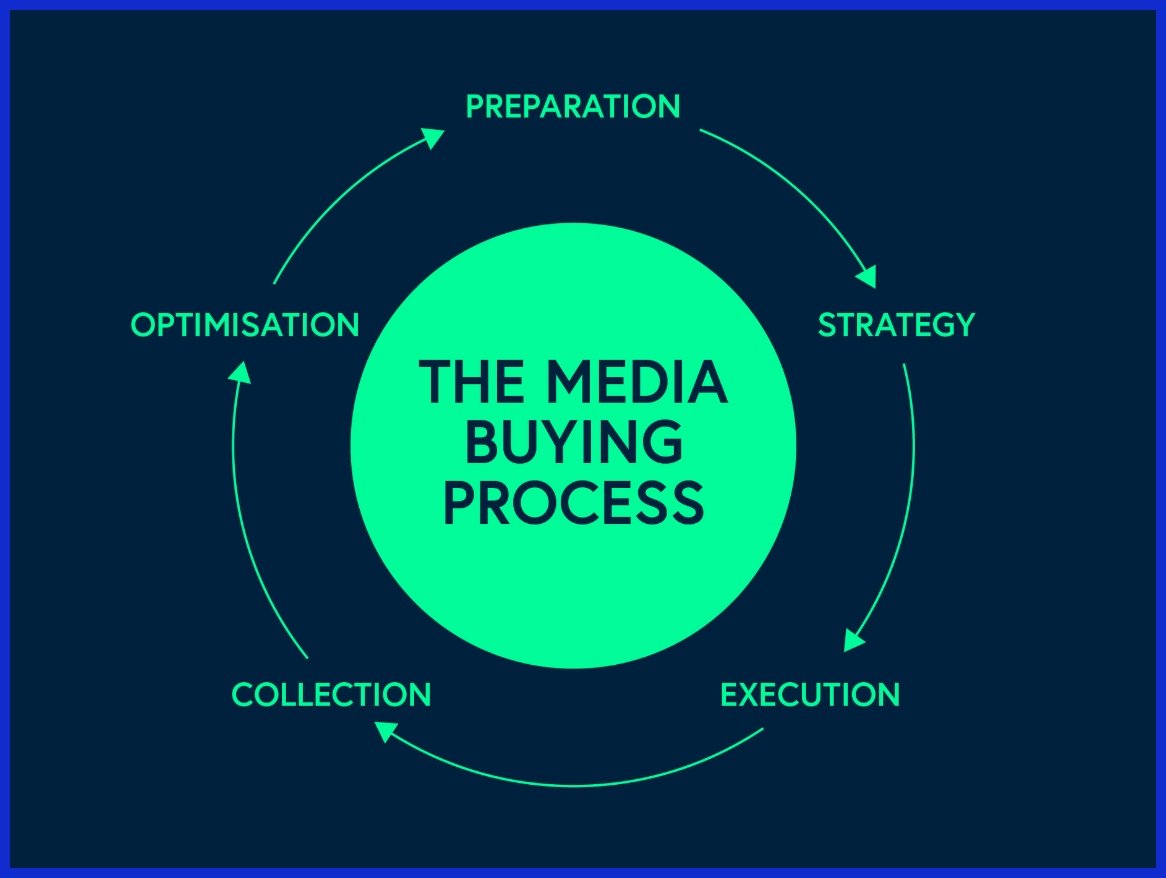
The tactical media buying process is the art of making a strategic media plan come alive by taking those big campaign concepts and transforming them into tangible results. Media buyers transition from examining granular media plans to crafting the appropriate buying strategies, vendor negotiations, purchase executions, campaign launches, and performance tracking.
It’s a crowded and confusing landscape of open exchanges, PMPs, and programmatic guaranteed. You’re battling for a coveted prime time TV slot or buying programmatic ads, but the goal remains to get the best placements at the best price while protecting yourself from ad fraud and inventory exhaustion. Data-based decisions and well-defined audiences keep each step nimble and effective.
Negotiation
-
Tactical media buying process. Benchmark prices with up-to-date market rate research before you begin negotiating.
-
Develop solid relationships with media vendors. Trust gets you in the door.
-
Leverage actual campaign data and analytics to justify price and placement requests.
-
Seek out value-add placements or bonuses during negotiation.
-
Stay flexible—sometimes moving quickly secures better inventory or pricing.
Great media buyers who happen to be great negotiators don’t just squeeze rates. They build value by aligning interests with media partners. Knowing when to push for more or accept a deal comes down to knowing both the market and the needs of a particular campaign.
Placement
Finding hard-hitting ad placements begins with a laser focus on the audience and your campaign goals. Right placement means your message hits your audience at just the right time, whether it’s a high-impact banner on a news site or a pre-roll video before the latest binge-worthy streaming sensation.
Reach and visibility are important, but relevance is too; native ads work better. A/B testing different placements reveals which channels and positions truly perform. One campaign might flourish in social media feeds, another on specialized forums or podcasts.
Optimization
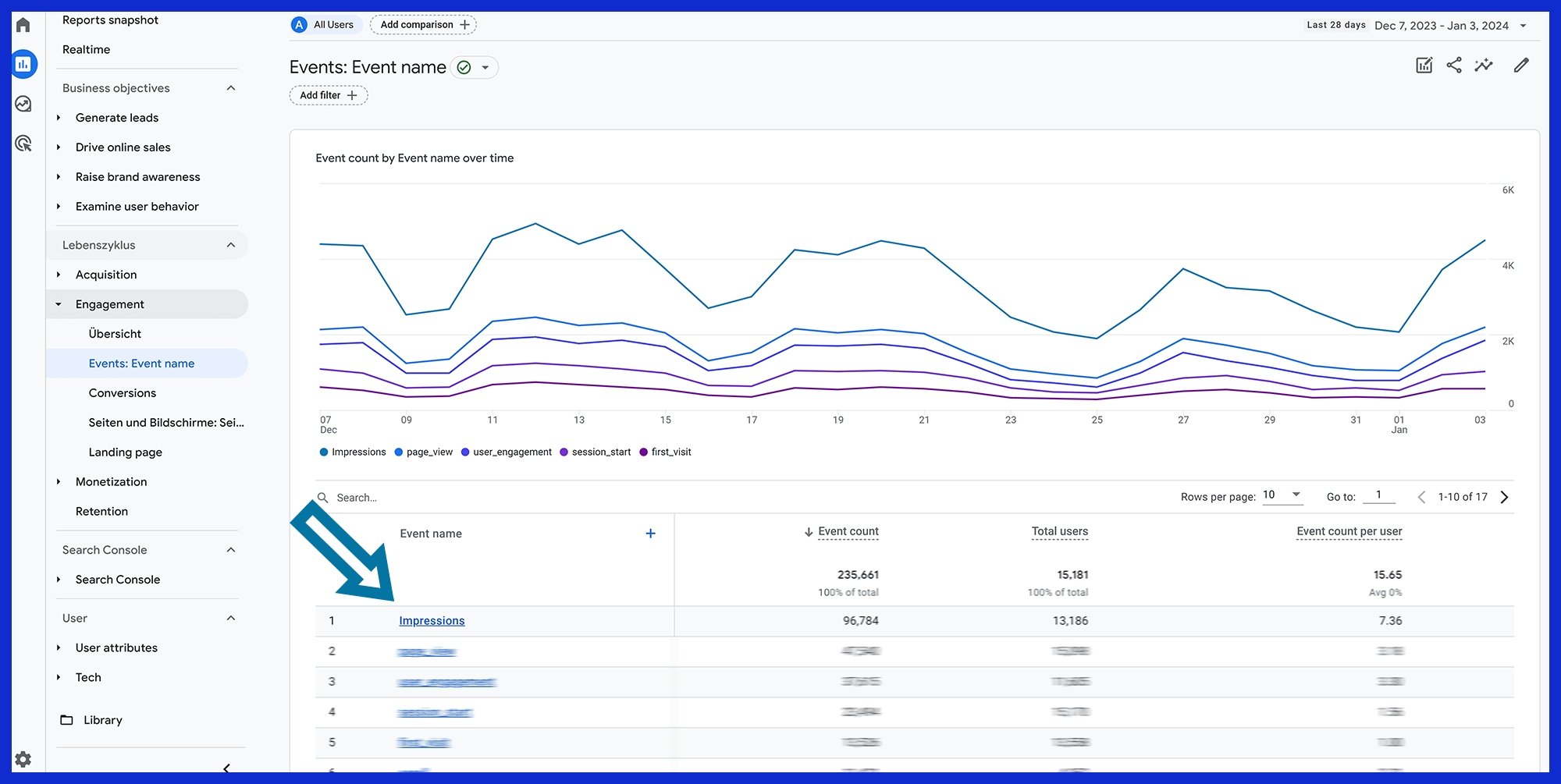
Optimization is a loop. Media buyers review KPIs such as click-through rate, conversion rate, and cost per acquisition via analytics dashboards to identify trends or underperformance. All campaigns require check-ins, not just at launch or wrap-up.
Exploring new ad formats, creative variations, and placement types reveals new opportunities for optimization. Campaign data review isn’t just for this campaign. It guides future buying, helping you fine-tune who you target and through which channels.
Measuring True Campaign Success
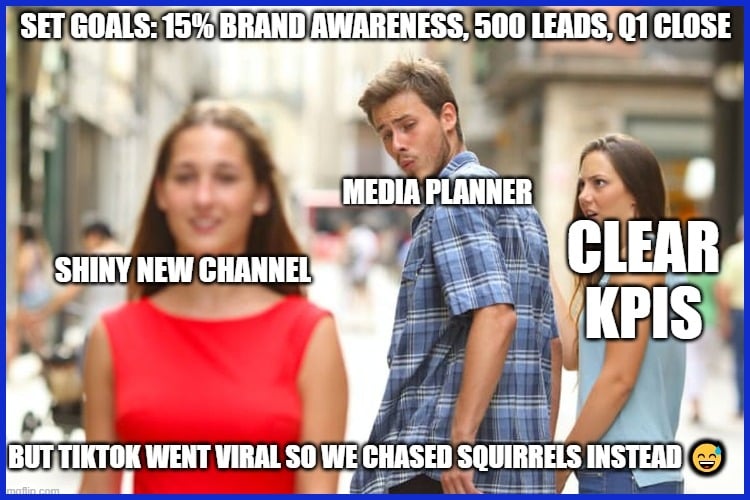
Measuring true campaign success, media planning and buying isn’t a tick-the-box exercise. It’s an ongoing data-driven process founded on clear, measurable objectives. You start with a strong framework: set specific goals, like boosting brand awareness by 15% or capturing 500 new leads in a quarter.
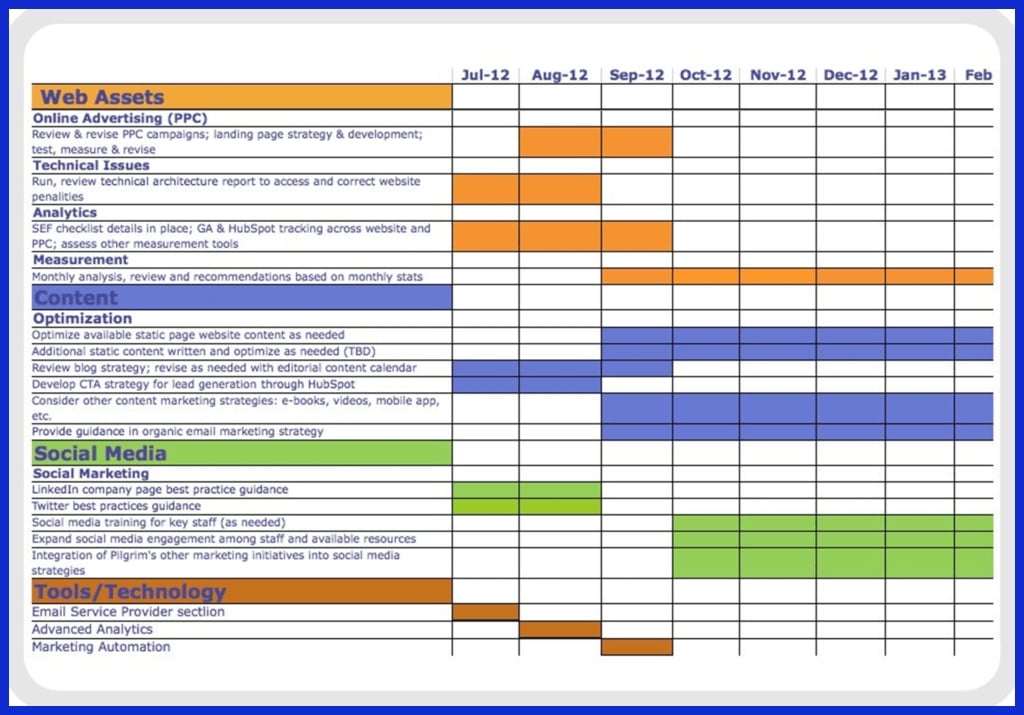
Defining these targets in advance, often with input from the client or stakeholders, helps keep teams on the same page. Presence is reinforced by a consistent message across all touchpoints, and a reliable media planning calendar ensures that channels are working together and no opportunity slips through the cracks.
Creative Planner is the best way to build, organize, and calculate media plans. Accounting for seasonal rhythms, such as holiday spikes or major sports competitions, makes their timing and impact more acute. The trick, really, is constant evaluation and iteration, taking lessons from each campaign to improve the next.
Key Metrics
-
Impressions: Total times ads are displayed.
-
Click-through rate (CTR) is the percentage of viewers clicking on ads.
-
Conversion rate: How many users complete a desired action.
-
Engagement rate measures interaction such as likes, shares, and comments.
-
Cost per acquisition (CPA) is the amount spent to gain one customer.
-
Return on ad spend (ROAS) is the revenue generated per dollar spent.
-
Multi-channel attribution assigns credit to each channel in the customer journey.
Engagement rates inform you whether audiences care about your message. A high engagement rate indicates the creative and placement are a match, while low engagement rates indicate it is time to reconsider the strategy.
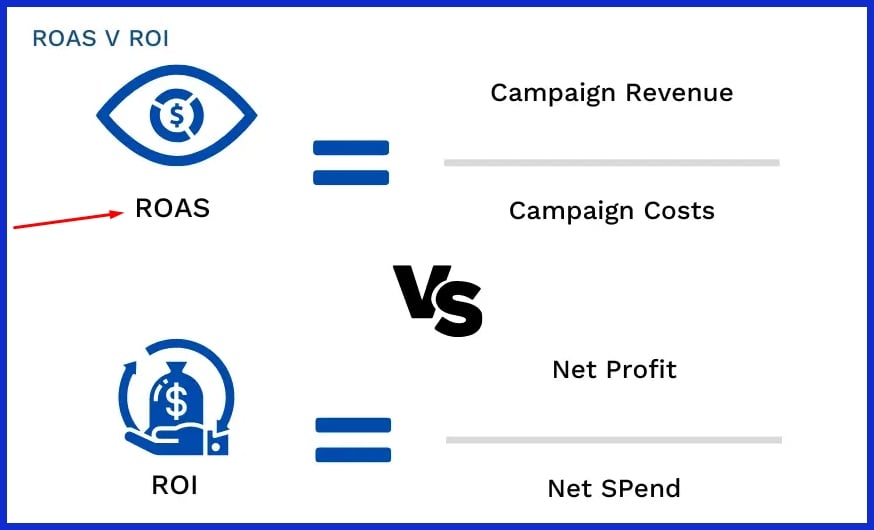
ROAS is the revenue needle. If you spend €1,000 and earn €2,500, you are at a 2.5 ROAS. Multi-channel attribution saves you from tunnel vision by revealing which platforms actually deliver and provides insight for smarter budget decisions.
Performance Analysis
Performance analysis dives into what’s working and what’s not. Using visualization tools, such as dashboards or charts, makes findings accessible to everyone, not just the analytics team. Spotting trends, be it a mid-campaign spike or holiday lull, directs when and where to focus future efforts.
Short bursts of data can identify changes in audience behavior during seasonal events in particular to give you a leg up on the competition. Refinement is ongoing. A campaign that underperforms in one region might flourish in another. That’s what makes the difference between a campaign that thrives and one that’s merely “successful.
ROI Calculation
|
Calculation Method |
Example |
Result |
|---|---|---|
|
(Revenue – Cost) / Cost |
(€5,000 – €2,000) / €2,000 |
|
|
1.5 (150%) |
|
|
| Revenue divided by Spend | €10,000 divided by €4,000 equals 2.5 |
Direct revenue is from tracked sales. Indirect revenue might involve brand lift or leads that are apt to make a later conversion. Both are important for a comprehensive ROI snapshot.
ROI results not only assist in validating budget requests but serve to establish reasonable expectations for upcoming purchases. Sharing these insights with stakeholders cultivates trust and demonstrates campaign worth.
The Human Element in an Automated World
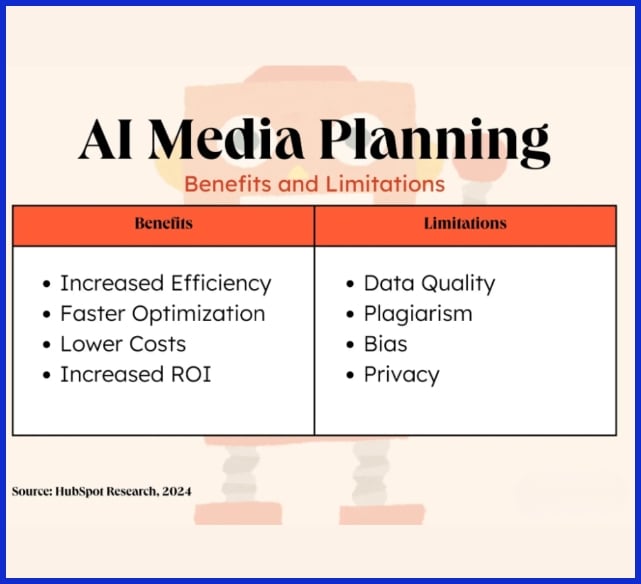
Media planning and buying have been automated, and AI, yet the foundation of any campaign is human insight. Humans don’t merely want to be served ads—they want to be seen. That’s the magic zone where the human factor brings smart strategy to life.
Even as predictive tools and automated workflows vow to save time, they can’t replicate the nuance of lived experience or the gut instinct that comes from years in the field. It’s still us humans who ask the right questions, interpret data in context, and call the shots when it counts.
Automation is amazing at number crunching, bid optimization, and real-time processing of mundane tasks. When it comes to reaching audiences on a human level, nothing compares to a personal touch. Trust is the currency of any transaction, particularly in high-stakes fields such as digital marketing.
Future of Media Planning and Buying
The future of media planning and buying is rapidly evolving, influenced by emerging technologies, shifting data strategies, and dynamic consumer behaviors. The line between planning and buying gets fuzzy as automation and AI take over. Industry experts foresee a future where these roles converge and even become completely automated in some cases.
AI Integration
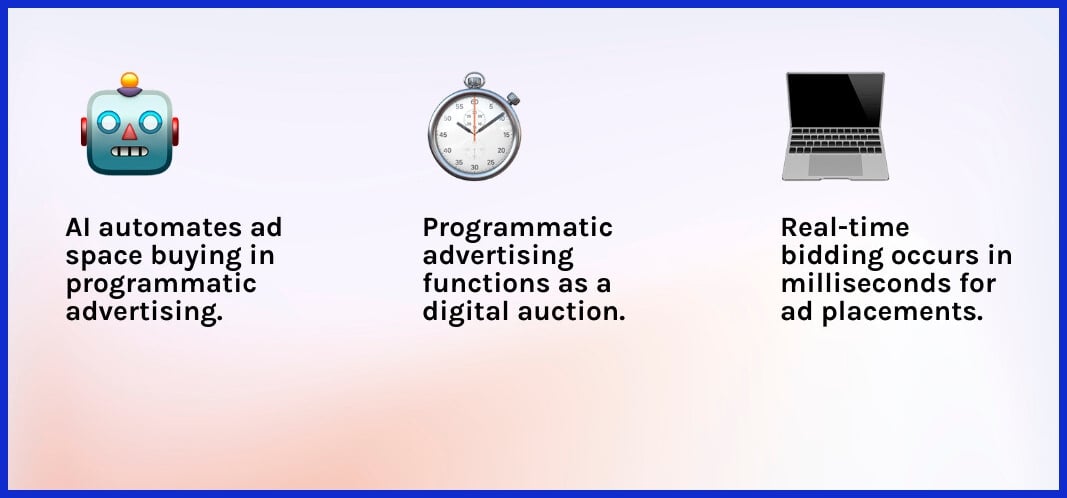
AI is at the heart of next-gen media planning, revolutionizing the successful media plan process. It takes care of everything from audience segmentation to budget allocation, routinely with a degree of granularity that easily exceeds human ability. For instance, machine learning algorithms can sift through millions of data points on the fly, optimizing ad placements and bid strategies according to real-time campaign metrics, ultimately enhancing the effectiveness of media buying strategies.
This shift reduces grunt work for media planners and buyers, while increasing the demand for new skills—interpreting AI outputs, setting parameters, and troubleshooting edge cases. With more than 90% of US digital display impressions expected to be traded programmatically by 2026, AI-powered solutions are essential for executing a robust media plan that outperforms legacy methods.
Predictive Analytics
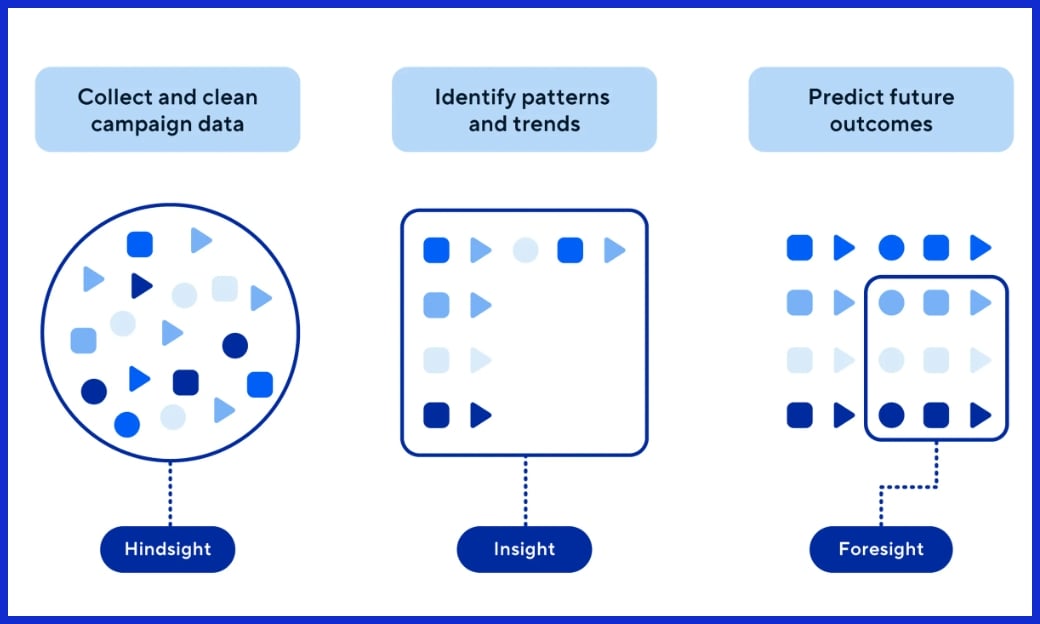
Predictive analytics is revolutionizing the way media planners build and measure campaigns, though not always in an obvious manner. With a solid history behind them, planners can forecast not only campaign performance but also shifts in audience behavior and media consumption. This forward-looking perspective is crucial for creating a successful media plan, as it helps identify opportunities like newly available content platforms or undervalued inventory while also surfacing potential risks.
Ethical Advertising
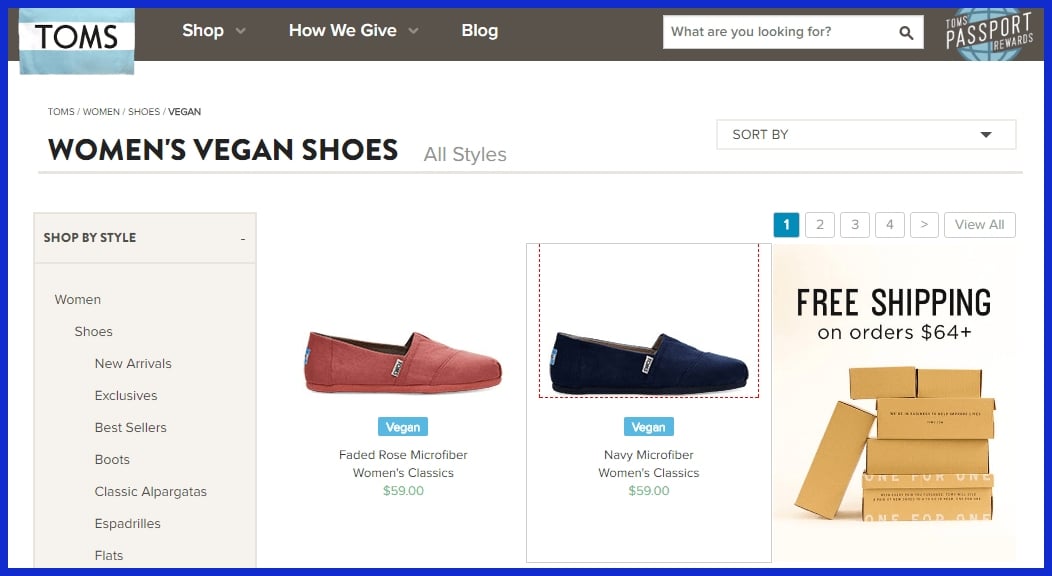
Ethical advertising isn’t a catchphrase; it’s an imperative in a world where trust is a form of currency. If brands are not transparent in data usage and media buying, consumer confidence will be eroded. Thoughtful communication, consistent with brand ethos and audience demand, establishes trust and sustainable loyalty.
Conclusion
Media planning and buying keep evolving. The fundamentals never change. At its core, it’s about connecting the right message to the right people at the right time and achieving measurable results. It’s a mix of astute strategy, technical tools, and a hefty dose of human judgment. No algorithm fully substitutes experience. As automation and data analytics continue to evolve, the demand for intelligent, thoughtful decision-making just increases. Crafting campaigns that really deliver entails remaining curious, maintaining integrity toward what’s effective, and never losing sight of your audience. Media planning and buying isn’t magic; it’s a craft, and every campaign is a new opportunity to improve.
Frequently Asked Questions
What is media planning and buying?
Media planning and buying is a strategic process of selecting effective media channels, timing, and purchasing ad inventory to efficiently reach target audiences.
Why is media planning important for campaigns?
Media planning ensures successful media buyers target the right audience at the right time, yielding the most results for the least money while assisting brands in achieving their overall advertising goals with greater effectiveness.
How does media buying differ from media planning?
Media planning is a strategic process focused on effective media channels and audience understanding, while media buying involves negotiating rates and securing ad inventory on selected media.
What metrics are used to measure campaign success?
Key metrics such as reach, impressions, engagement, conversions, and return on investment (ROI) are essential for media planners to determine if the successful media plan accomplished its goal.
How has automation changed media planning and buying?
Automation simplifies errors and allows for immediate fine-tuning in media planning activities, but humans are still needed for strategy and creative decisions.
What skills are vital for media planners and buyers?
Robust analytics, negotiation skills, and market savvy are key for successful media planners, while understanding digital tools enhances effective media buying.
What trends shape the future of media planning and buying?
Data-driven approaches, AI, and effective media buying are defining the field’s future, enhancing the precision and effectiveness of successful media plans and advertising campaigns.


