


Key Takeaways
-
Generative engine optimization (GEO) leverages AI-driven search engines, emphasizes user intent and schema markup to boost content visibility and discoverability.
-
Emphasizing context, relevance, and semantic keywords instead of keyword stuffing results in more appealing and complete content.
-
The best approach is to pair your creativity with the AI tools to generate high-quality original content that stays credible through proper sourcing and clear diction.
-
Creating entity relationships, related content links, and schema markup optimizes content structure, search visibility, and authority.
-
Regular content audits and technical optimization, such as structured data and mobile responsiveness, are key to effective GEO strategies.
-
Success with GEO demands ongoing learning, adapting to AI trends and leveraging analytics to track performance and optimize strategies.
Generative engine optimization best practices describe techniques that allow content to get the most out of AI-driven search and other generative engines. Techniques include structured data, unambiguous language, and machine-friendly content that focuses on a topic.
With generative AI tools transforming how users find information, it’s crucial to learn optimization basics. Explore these best practices to see how companies are innovating their approaches for sustained discoverability and results in a changing digital world.
What is Generative Engine Optimization?
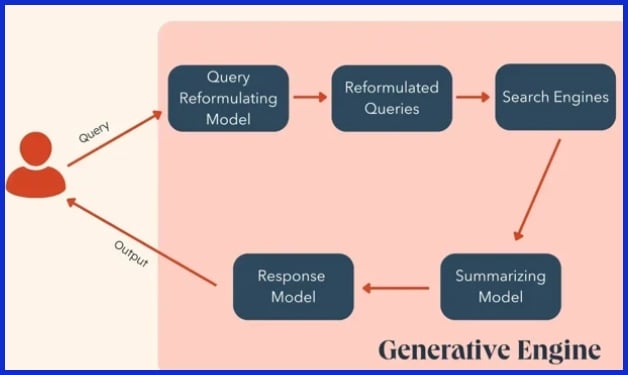
GEO stands for generative engine optimization, which is the process of optimizing content for discoverability and credibility in AI-powered search engines. In contrast to classic SEO, which is centered on human queries and the ranking of keywords, GEO is for the algorithms that power big language models and generative AI platforms.

The objective is to become one of these engines’ cited sources, amplifying your content’s reach exponentially when ChatGPT, Perplexity, or Google’s Gemini share their responses with citations. That’s a key part of GEO — knowing what people want and generating content that provides direct, relevant responses.
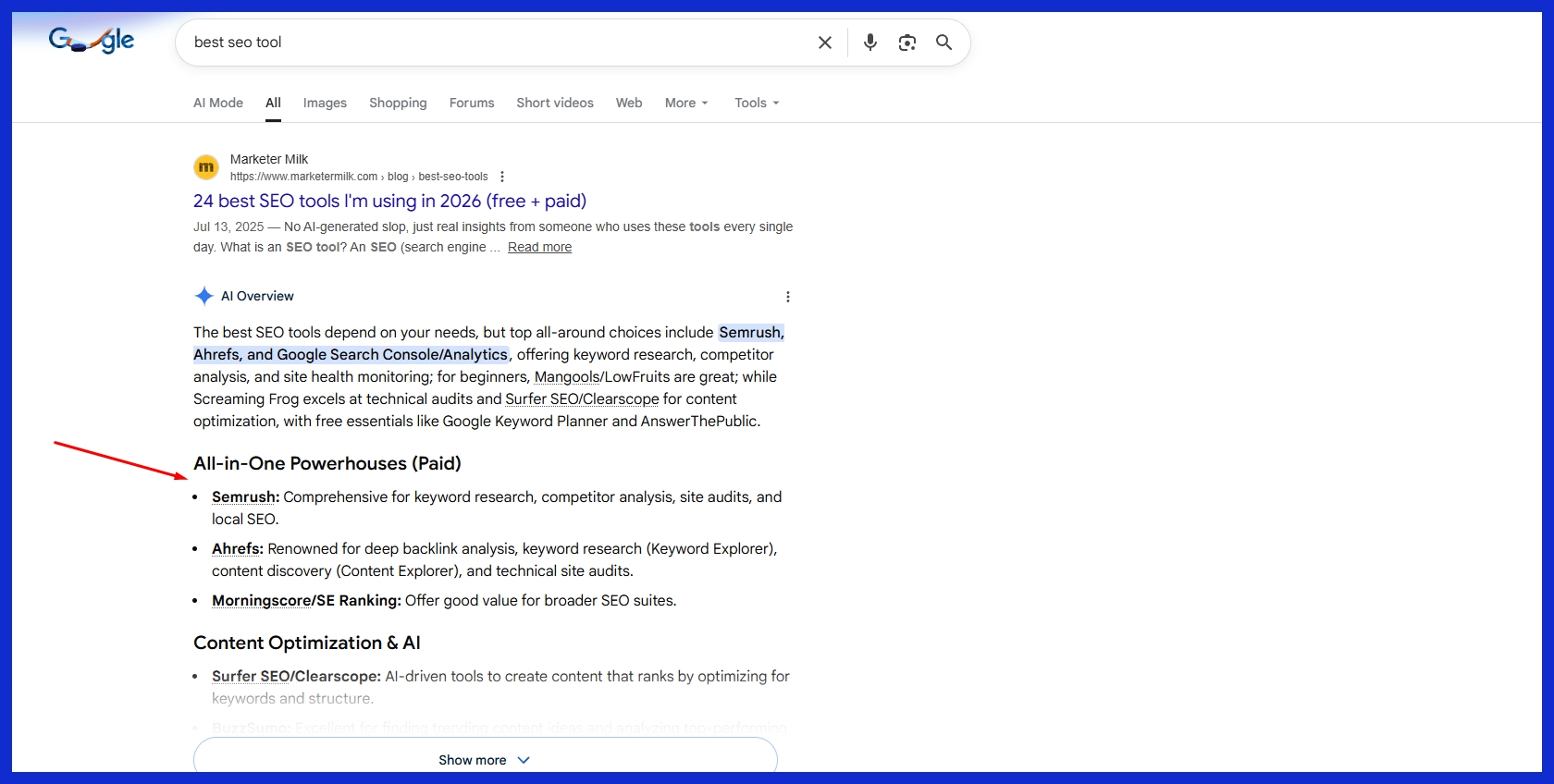
AI models reward sources that frequently offer truthful, current content. That means refreshing statistics, auditing outbound links and meticulously attributing data points. Schema markup is crucial. By organizing data well, you assist AI systems in determining essential information and context, increasing the likelihood your site will be cited and surfaced in generative search.
Beyond Keywords
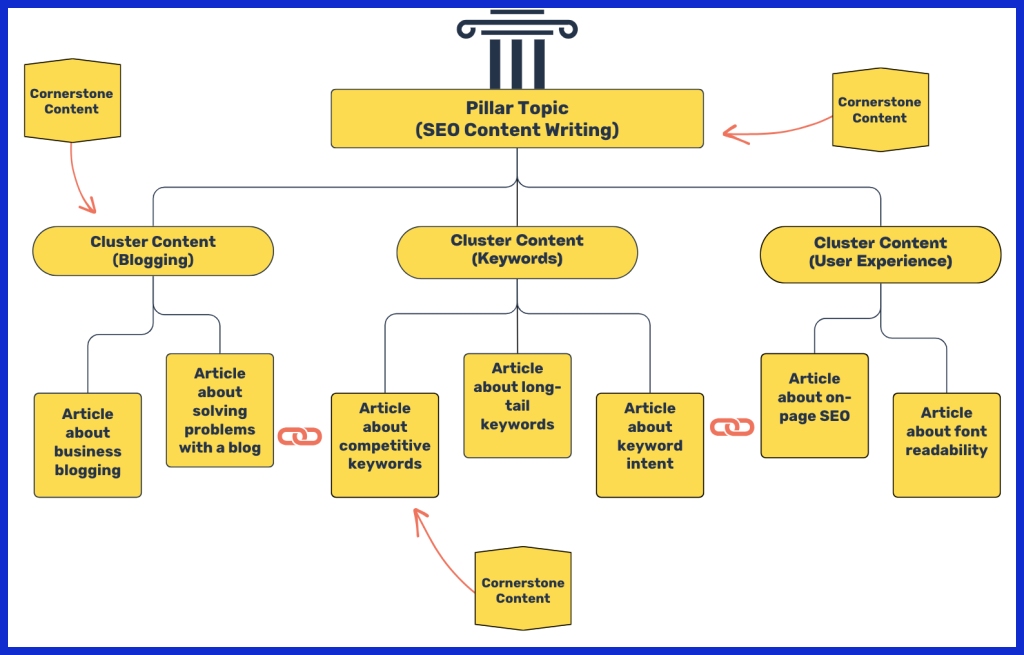
Context and relevance are the new monarchs. Keyword stuffing or inflexible keyword targeting doesn’t fly for GEO. Instead, content should be constructed around pillar topics and user intent questions, incorporating semantic keywords that express related concepts and sub-contexts.
For example, in an online casino guide, referencing terms such as “game fairness,” “licensing,” or “player protection” adds topical depth to the article and makes it easier for generative models to comprehend and reference. AI tools can uncover patterns of user behavior, exposing the questions they really ask and the information they really focus on.
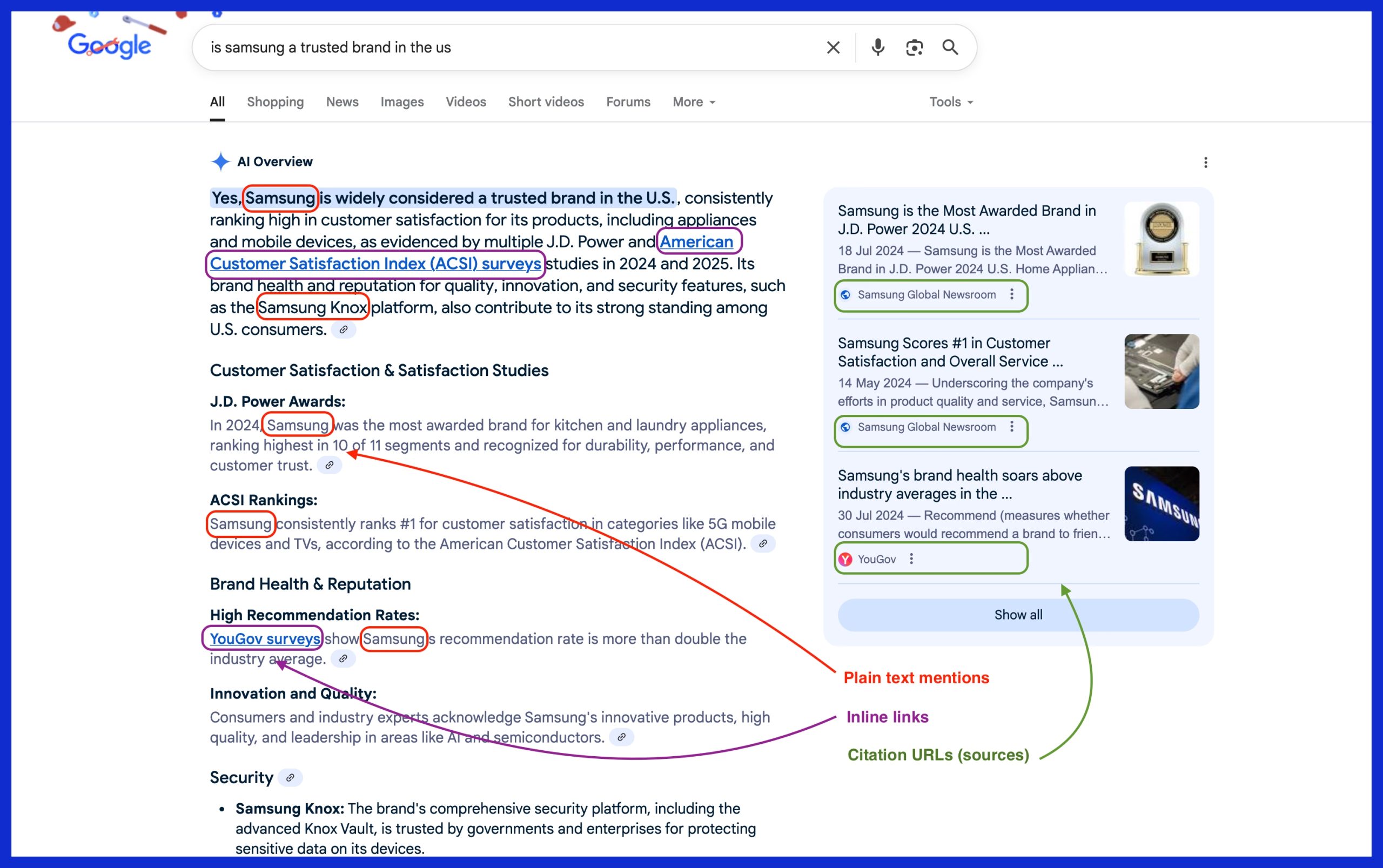
Leverage these insights to tailor your content strategy. Thorough responses, particularly in those initial 40 to 60 words, grab the notice of AI engines seeking succinct, definitive answers. Answer FAQ and attribute statistics clearly. Audience source preference bias in AI models means once you’re cited, your authority multiplies.
The AI Shift

AI is drastically transforming how users experience search. Rather than typing in keywords and clicking through results, users ask complex questions and expect direct, conversational answers. Large language models add context, memory, and inference, making search more natural, but more challenging for content producers.
Marketers must remain agile. Seize AI tools that trend analyze, content audit and suggest generative search optimizations. The landscape shifts fast. What’s good for citation in Gemini today might change as models evolve.
Keeping up with AI developments makes sure your approach remains cutting-edge, whether that’s digging into citation trends or following how models choose sources.
GEO vs. SEO

GEO and SEO serve distinct masters. SEO is largely about keyword targeting and technical optimization for human searchers. GEO centers on the ways in which AI-powered platforms select, reference, and enhance content.
Both need quality and relevance because GEO focuses on freshness, strong citations, and structured data that AI can easily parse. When incorporated into an existing SEO strategy, GEO boosts the authority and reach of your content.
As gen engines become ubiquitous, adapting to their demands is no longer optional; it is key to retaining search visibility. Over time, highly referenced GEO content creates authority and creates compounding results as AI platforms learn to trust you and reference you again and again.
Core Generative Engine Optimization Best Practices
Being generative-engine optimized is about more than just checking technical boxes. It’s about infusing trust, relevance, and usability into every piece of your content. All the below are distilled from my years of hands-on experience and industry evolution.
-
Prefer crisp, question-based H2s to reflect search intent.
-
Schema and mainEntityOfPage for better indexing.
-
Specialize in long-tail keywords and targeted answers to enhance relevancy.
-
Stayed mobile-friendly and fast page speed.
-
Blend factual density, authoritative sources, and engaging narratives.
-
Leverage analytics tools for ongoing strategy refinement.
-
Encourage collaboration between technical and creative teams.
-
Adapt continually to shifts in algorithms and user behavior.
1. Content Structure
A clean, coherent architecture is non-negotiable. Consider your headings as road signs. When H2s are written in question format, they direct users and engines through your content, increasing engagement.
Bullet points and lists are easier to scan for answers, particularly on mobile. Logical flow indicates that the ideas build on top of each other, so your readers do not become lost or frustrated.
Schema markup using schema.org vocabulary adds another layer. It tells search engines not just what your content says but what it means, improving how your pages surface for relevant queries.
2. Factual Density
High factual density helps authority. Back every claim with data, statistics, or real-world examples. Fact-checking isn’t optional; it’s trust building, particularly in a misinformation age.
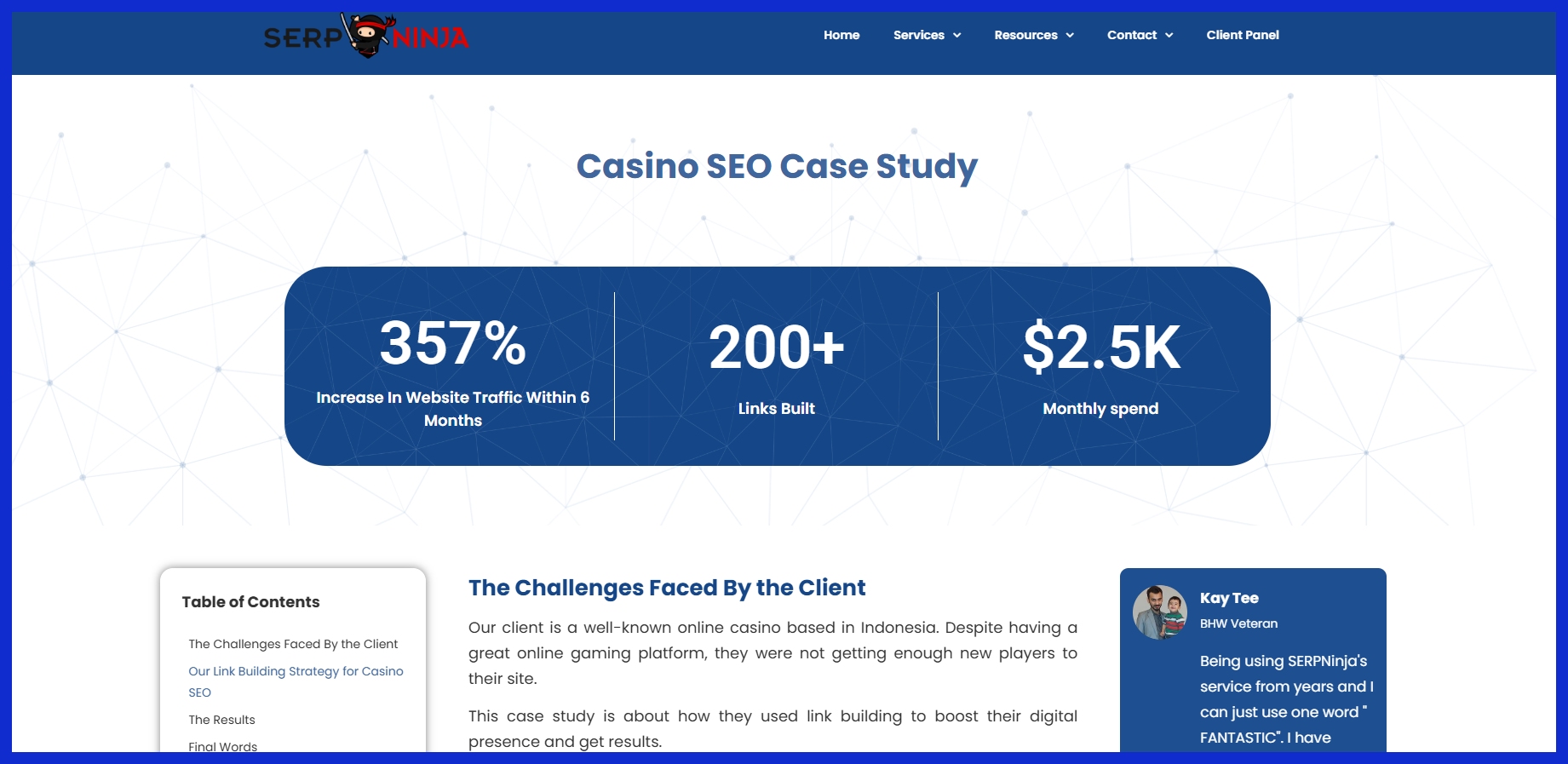
Balance hard facts with story elements, so content sounds human, not robotic. For example, a case study presented with numbers can demonstrate a point memorably.
Timely information is important, too. Generative engines lean toward current, reputable sources when they piece together answers.
3. Source Citation
Content referencing authoritative, diverse sources shines. Linking to authoritative sites, such as academic publications, official statistics, or industry experts, adds trust.
Remember, consistent citation patterns build reliability. Don’t jumble styles or formats. Add FAQ schema too; it helps answers pop in the rich snippets and visibility in search.
The more openly you source, the more likely readers and engines are to trust your content.
4. Clear Language
To be frank, straightforward copy sells. Don’t be jargon-y in a way that will turn off non-technical readers. Clarity makes your messages accessible to an international audience, regardless of their native language.

Active voice keeps your content compelling and clear. For example, ‘Our team updates content regularly’ is preferable to ‘Content is regularly updated by our team.’
Always lead with clarity and let sophistication show through precision, not complexity.
5. Entity Building
Entities are the coin of the realm in contemporary search. Define one core entity, then connect 3 to 6 relevant entities to authoritative sources, providing engines with unambiguous context.
Entity stacking, linking to third-party sites that confirm your identity, enhances credibility and authority. Interlinking between related topics and using knowledge graphs generates this web of relevance, helping your content get noticed.
By pairing this strategy with direct answers and intent-based long tail keywords, you can establish your site as a trusted resource in your niche.
The Human-AI Content Symbiosis
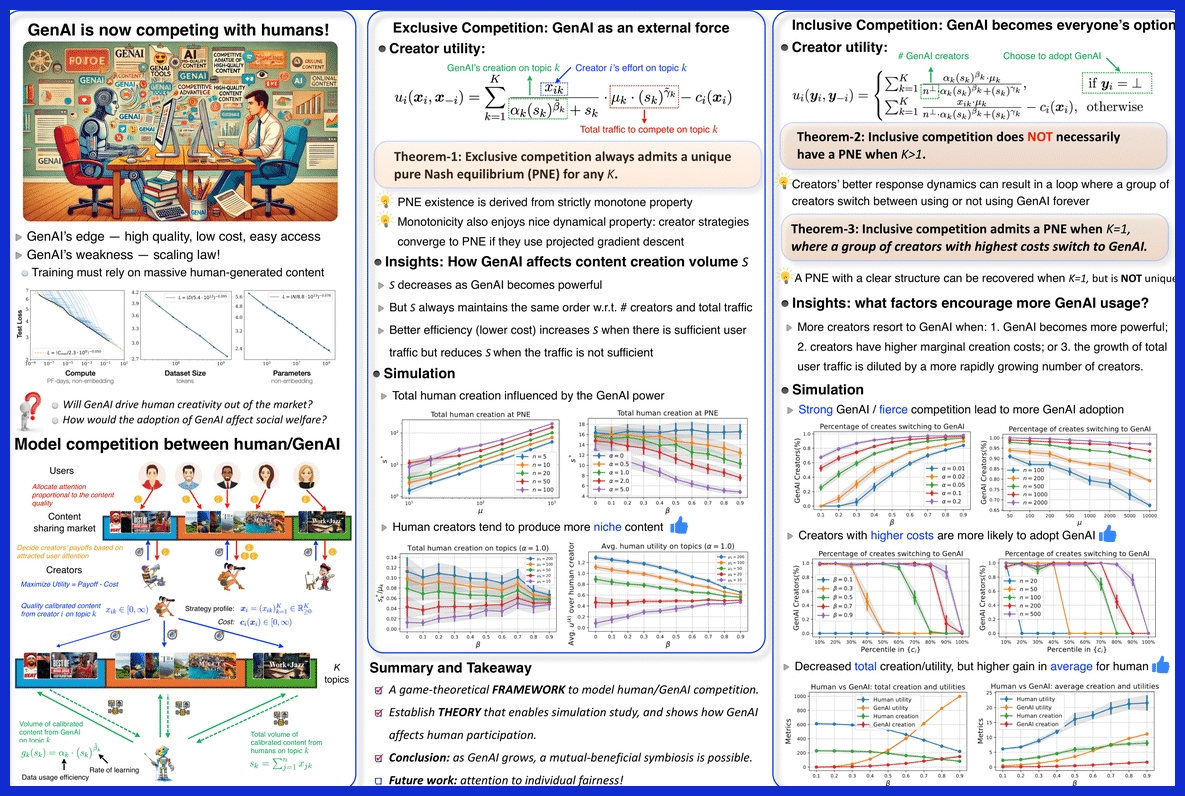
The human-AI content symbiosis is about collaboration, pairing human ingenuity with AI’s speed and reach. This collaboration is transforming content creation, optimization, and distribution. GEO, or generative engine optimization, lies at the center of this transition, optimizing content for AI-first discoverability.
With generative AI systems poised to serve as dominant access points to information, learning to work with them optimally is critical. The aim is to create content that is not only discoverable, but transparent, meaningful, and truly helpful to humans across the globe.
Augment Expertise
AI tools can enhance subject matter expertise like a research assistant with an infinite idea overhead. Be it industry trends, emerging topics, or gaps in existing content, AI provides actionable insights quickly.
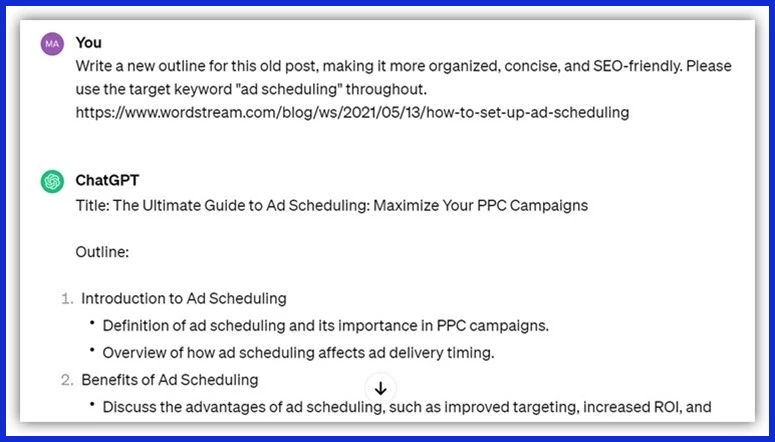
Human experts, meanwhile, still deliver nuance, context, and the lived experience no algorithm can duplicate. For example, a content strategist could leverage AI to rapidly outline new keyword clusters and then overlay their personal experience to create a compelling narrative.
Always keep learning. Both the tech and the tactics evolve rapidly. By keeping abreast of GEO practices and new AI tools, you ensure your team stays ahead of the curve.
Validate Information
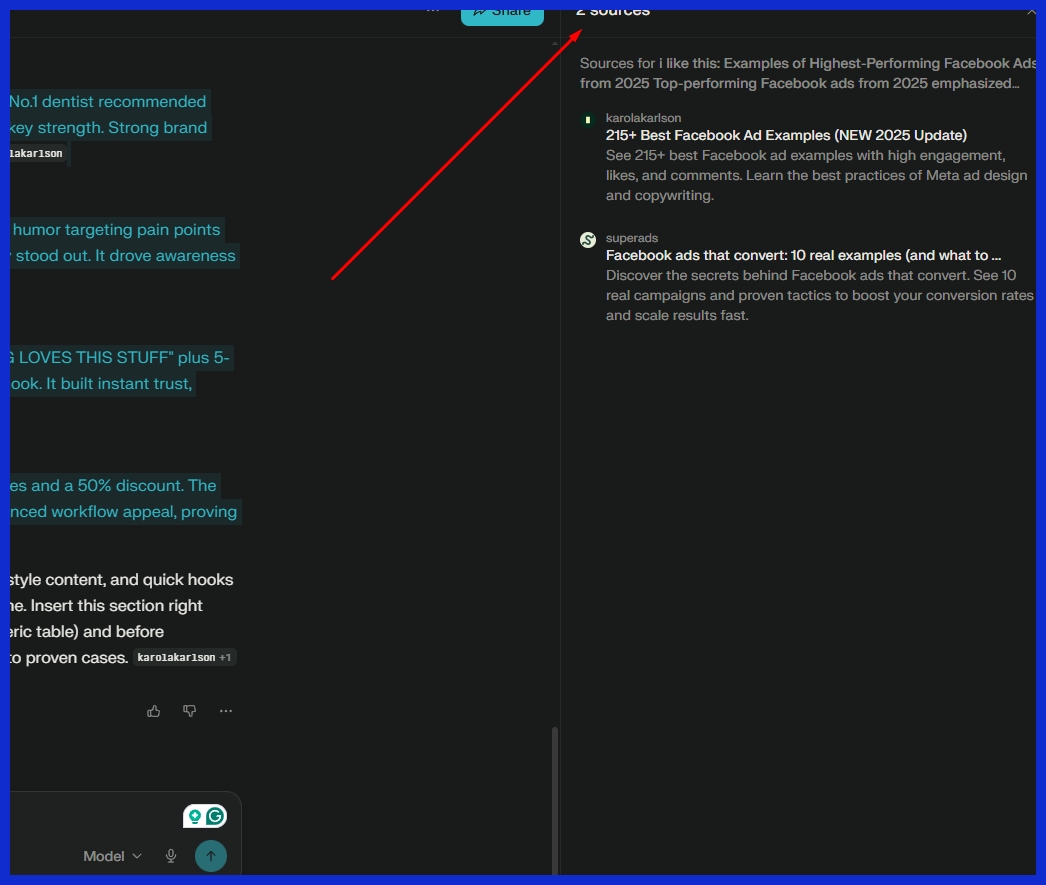
Content integrity begins with verification. Depending on credible sources, cross-verifying facts and verifying factual accuracy is the meat and potatoes of dependable content. AI tools can accelerate this.
Real-time fact-checkers, citation generators, and automated source tracking all contribute to making sure the information holds up under scrutiny. Still, it’s not sufficient to rely on the machine by itself.
Human oversight is required to catch subtle errors, bias, or missing context. When you share sources openly, you win your audience’s trust and show transparency, an imperative for any brand seeking to build authority.
Ensure Originality
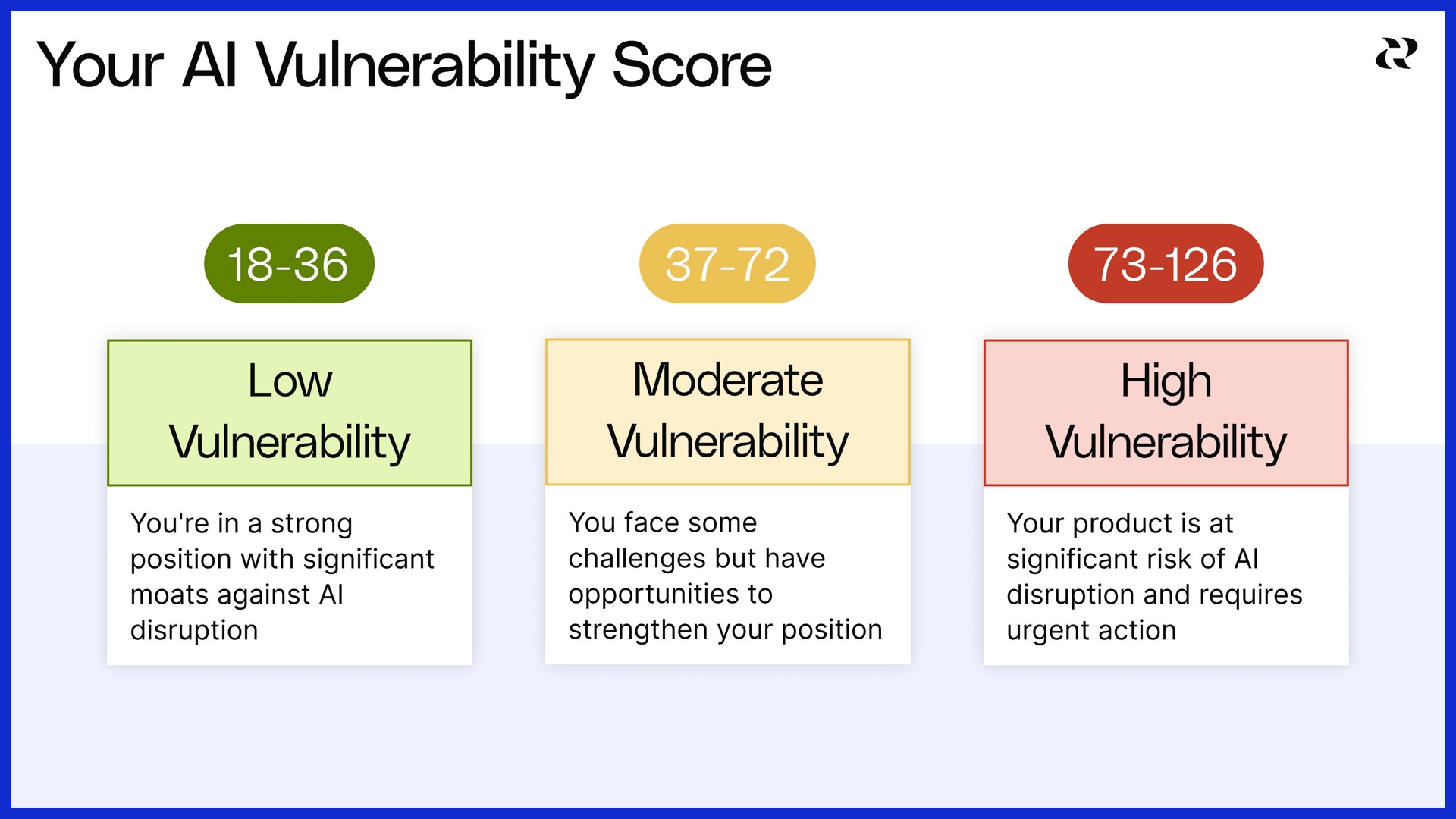
Originality distinguishes the signal from the noise. With all the content on the web, being distinctive is about providing new framing or a unique point of view. AI can assist with brainstorming or proposing novel directions, but it’s the human voice—your nuance, style, and lived experience—that imbues content with its genuine personality.
Plagiarism checks are mandatory. They’re key to maintaining genuineness. Schema markup and structured data can further assist AI in comprehending and favoring original content, thereby enhancing its prominence in generative search outcomes.
How to Implement a GEO Strategy
Here’s how to implement a GEO strategy. For advanced marketing teams, the playbook is not guesswork. Every move must be deliberate, data-driven, mapped to business outcomes, and continually optimized. Below is a step-by-step framework:
-
Define your goals. Are you looking to increase AI-powered traffic, enhance brand presence in generative search, or capture more conversions from AI-generated suggestions? Anchor each GEO goal to your overall marketing goals.
-
Only one main thing per page. Find three to six supporting bodies giving context and authority. These anchors assist both search engines and generative AI models in understanding your page’s core concentration.
-
Utilize fine-tuned prompts and bespoke GPT solutions to collect brand perception data or track your brand’s presence in AI-generated results.
-
Develop and release original datasets, benchmarks, or surveys no less than quarterly. This type of content tells generative engines that your site is a source, gaining authority and exposure.
-
Display publication and last-updated dates. Always schedule content refreshes to back your GEO.
-
To optimize content for generative AI, ensure that the initial few sentences offer direct and concise responses to queries.
-
Utilize advanced AI tools, like combining ChatGPT API with Google Sheets for effective tracking and analysis.
-
Monitor performance with analytics tools. Track ranking, traffic, and conversion metrics tied to GEO efforts. Tweak.
Prompt Mapping
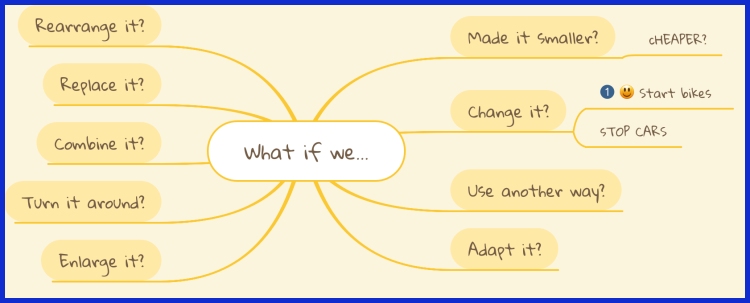
Start by developing prompt maps—blueprints that direct AI models to produce the appropriate content for each subject. Find the meta, themes, and keywords that resonate for your audience and industry.
A prompt map isn’t a one-and-done document. Continue tweaking it as you review results and identify blanks in AI-generated copy. Tweak prompts according to performance. For example, if a prompt results in an overly generic answer, adjust it to incorporate context, tone, or audience.
Testing is key; try variations and record which prompts consistently yield accurate, on-brand results. This iterative approach ensures the content both pops in generative results and serves your objectives.
Content Auditing

Plan audits regularly. Evaluate how current content fares, particularly in AI-powered search results. Take established SEO and GEO best practices as your reference point.
Don’t simply consider what’s ranking; instead, ask yourself if your content is the authoritative response to an entity-based question. Spot underperformers and decide whether to refresh, expand, or remove. Follow these results and guide quarterly content plans by them.
Documentation isn’t busywork; it’s a goldmine for future strategy tweaks or case studies.
Technical Signals
Technical signals are the scaffolding for GEO success. Make pages structured data and schema markup aware so AI models and search engines can index content correctly.
Fast loading times and mobile optimization are must-haves for users and for generative engines that prioritize accessible, current sites. Entity stacking comes into play here: link your primary and supporting entities to authoritative third-party sources.
Keep an eye on technical health. Utilize tools to identify problems early and ensure you meet changing standards. This approach leads to consistent, demonstrable impact.
Measuring Your GEO Success
Measuring generative engine optimization (GEO) is about more than just rankings. It’s about measuring your GEO success, what’s working and where the gaps are, and how real users and AI systems are interacting with your content. Core metrics such as AI Citation Rate, Response Inclusion Rate, and GEO Adoption Rate provide specific feedback.
|
Metric |
Description |
Target/Best Practice |
|---|---|---|
|
AI Citation Rate |
Pages cited ÷ pages tracked |
20%+ for leading sites |
|
Response Inclusion Rate |
Prompts including brand ÷ total tested prompts |
15%+ for strong presence |
|
GEO Adoption Rate |
Pages meeting 8+ checklist items ÷ total audited pages |
70%+ for robust execution |
|
Organic Search Traffic |
Visits from non-paid sources |
Track growth monthly |
|
Conversion Rate |
Conversions ÷ total AI-generated visits |
Set quarterly benchmarks |
Benchmarks make trends visible, what’s improving, what’s lagging. These targets provide teams with a tangible goal and facilitate reporting progress to stakeholders. Analytics tools like Ahrefs, Semrush, and Google Analytics can be customized to measure traffic, conversion, and AI-specific metrics. Regular data capture is the only way to identify patterns worth addressing.
Tracking user engagement and behavior, such as session duration and bounce rate, shows you what content clicks and what bombed. Tools like AlsoAsked highlight new audience questions, keeping your content strategy fresh. Tier-1 page quarterly refreshes and AI citation monthly spot checks are simple habits that keep you out in front.
Citation Tracking
Citation tracking is to content authority in GEO as backlinks are to web authority. Tracking your brand or pages’ mentions to AI engines and third-party websites, entity stacking, confirms trustworthiness. Automated tools make this easier, letting you track all your mentions across platforms and languages.
Check your citation patterns every quarter, then adjust your content and outreach strategy according to which sources and queries generate the most citations. Efficiency matters: automate the manual tracking so you can focus on interpreting results and adjusting tactics.
Visibility Metrics
|
Metric |
Description |
Example Tool |
|---|---|---|
|
Keyword Rankings |
Position in SERPs for target terms |
Ahrefs |
|
Impressions |
How often content appears in SERPs |
Google Search Console |
|
Click-through Rate (CTR) |
% of impressions turning into clicks |
Semrush |
These visibility metrics show you the pop and fizzle of GEO efforts. Measure your GEO success. Visualization tools can transform these raw figures into charts that crystallize trends for teams and stakeholders. Here’s what to do: spot-check AI citations across priority queries monthly to ensure that the correct pages are appearing for the appropriate prompts.
Brand Mentions
Brand mentions are your most direct window into how audiences interact with your business. Set up alerts for mentions on social media, news sites, and forums—where the real conversations that shape reputation take place. By responding quickly to mentions, you build trust and community.
Sentiment analysis tools assist in deciphering whether your brand has a good reputation or is due for a reputation tune-up. This feedback loop is essential to keeping your GEO efforts nimble and applicable.
The Future of Search Visibility
Search visibility is evolving rapidly, fueled by AI innovation and transformations in search behavior. Google’s Search Generative Experience (SGE) is among the most obvious indications of this. In only two months, from January to March 2025, the share of queries triggering AI summaries had doubled from 6.49% to 13.14%.
It’s not a blip; it’s the new normal. Users are receiving direct, conversational answers on the search page itself. Add ChatGPT, Gemini, and Perplexity, and they suddenly have less of a reason for people to click to the old links. Zero-click searches are exploding, enabling users to get what they need without ever leaving the results page.

This means your content is going to have to work harder, not just to rank, but to be the answer that AI selects to display. Shifting strategy means knowing technical SEO signals — such as the three core web vitals — still count. These are the foundational sources of trust to AI engines. Fast, stable sites that work anywhere have an advantage.
Today, optimizing for AI summaries—what we refer to as Generative Engine Optimization (GEO)—is equally important. GEO isn’t about keyword stuffing. It’s not about search; it’s about organizing your content so AI can efficiently parse and display it. Schema markup, H1s, H2s, H3s, break up info with bullets and tables.
Don’t just monitor rankings. Monitor how your answers are appearing and pivot when you notice drop-offs or changes in search features. It’s an arena where if you’re not moving ahead, you’re moving back. That proactive approach is how you stay ahead.
The future of search visibility is to be ready for what generative engines will value next. If you notice a shift in answer formatting or a novel search feature, test your content against it. Ask: “If I were the engine, would I trust and show this?
Stay people-centric. Even with all the AI and algorithms, remember the web is still for humans. What price? That’s what gets selected by both the AI and your real audience.
Conclusion
Generative engine optimization isn’t about chasing fads or flashy tricks. True growth is rooted in good old-fashioned basics: comprehensive keyword research, great content, and a robust technical foundation.
Top performers tend to stay curious and adaptable, refining their strategies as search technology evolves. Clear internal workflows, transparent processes, and upfront messaging—principles practiced by SEO teams like SERPninjahelp remove the guesswork from optimization and keep efforts focused on what actually moves the needle.
At the end of the day, it’s about building trust with search engines and users. Keeping it about quantifiable outcomes and candid methodologies is what makes it achievable in the long run.
Whether you’re operating one site or a large portfolio, these best practices make your content shine, provide value, and keep your online footprint headed in the right direction.
Frequently Asked Questions
What is Generative Engine Optimization (GEO)?
Generative Engine Optimization is the best practice to optimize for AI-driven search engines. It’s about making your information clear, relevant, and well-organized so AI models can discover it and pull it forward to users.
Why is GEO important for online visibility?
GEO helps your content get picked up by AI-powered search engines. This extends your audience, fuels additional organic traffic, and keeps your content discoverable in new search interfaces.
What are key best practices for GEO?
Best practices are things like using simple language, responding to direct questions, adding headings, and being factually accurate. Constant freshness and user intent are key.
How does GEO differ from traditional SEO?
GEO focuses on AI and generative engines, not traditional search algorithms. It highlights direct, succinct responses and structured data, whereas old school SEO places a greater emphasis on keywords and backlinks.
How can I measure success in GEO?
How to measure the success of GEO by measuring increased search visibility, click-through rates, and user engagement. Utilize analytics to track the frequency with which your content is appearing in AI-generated answers and summaries.
What role does human input play in GEO?
Human expertise makes certain content is factual, compelling, and credible. AI aids efficiency, and human editing upholds quality and relevance, cultivating trust among both users and search engines.
How can I start implementing a GEO strategy?
Start with auditing your content. Format your content with headlines, answer frequently asked questions, and keep it updated. Focus on user intent and accuracy to satisfy AI-powered search demands.


