

AI in email marketing is about smarter, speedier, more efficient campaigns. Rather than marketers mired in mind-numbing drudgery, such as scheduling, segmenting lists, or sifting through datasets, AI becomes the silent workhorse, handling what would have taken hours or weeks.
This allows teams to focus on strategy and creative choices that really make an impact, not on drudge work.
AI’s true magic arrives in personalization. No more blasting out the same generic email to everyone. With AI, brands can leverage unified customer data gathered from several sources, such as CRM systems and customer data platforms, and craft personalized content for every segment.
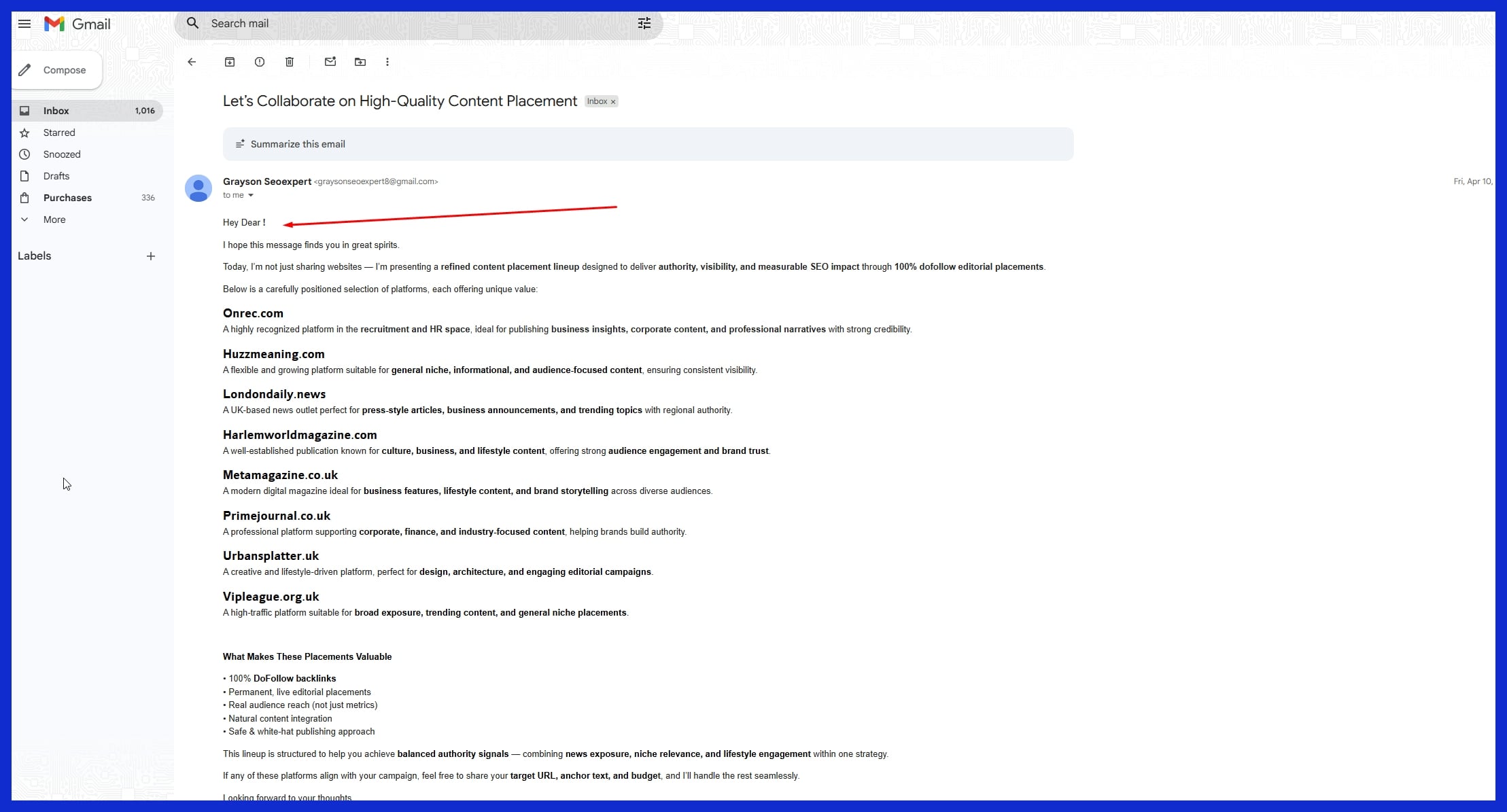
Think about sending unique product recommendations, offers, or even subject lines that are tailored to a customer’s behavior or preferences, all at scale. Not just “Hi, firstname” type personalizations, it’s about truly personalized emails that resonate with the recipient and generate action.
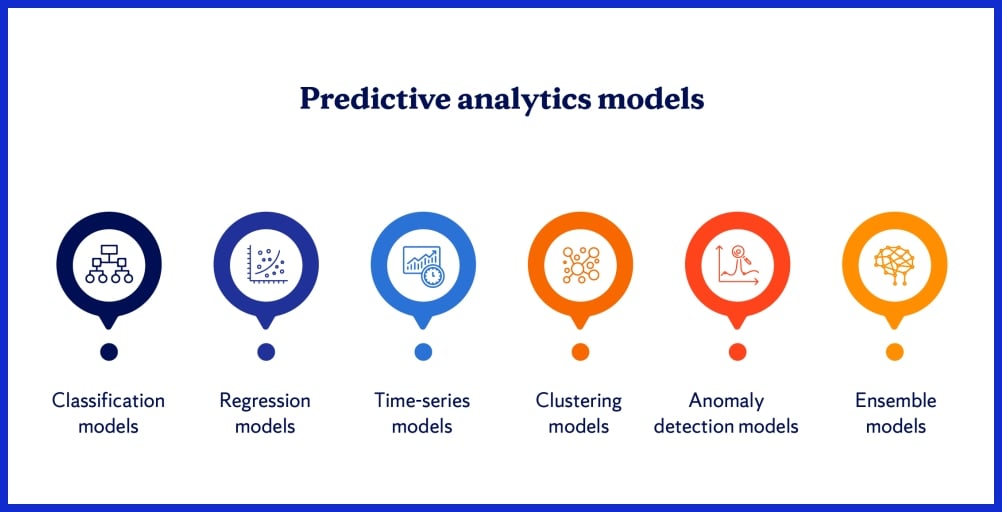
Predictive analytics is yet another game-changer. AI tools can track how customers engage with emails, identify trends, and leverage that information to anticipate what readers want to find next.
For instance, if a customer is usually an evening email opener, the system learns and optimizes send times automatically. It forecasts which topics, products, or calls to action will likely get the most traction, guiding marketers to make smarter decisions even before they hit send.
Deliverability is an ongoing struggle. AI can track inbox placement and identify problems that cause emails to go to spam. Powered by insights into subject lines, sender reputation and engagement metrics, AI fine-tunes campaigns to increase open rates and maintain deliverability.
It’s as if you have a postmaster who never has to sleep.
How to Use AI to Optimize Email Marketing Campaigns
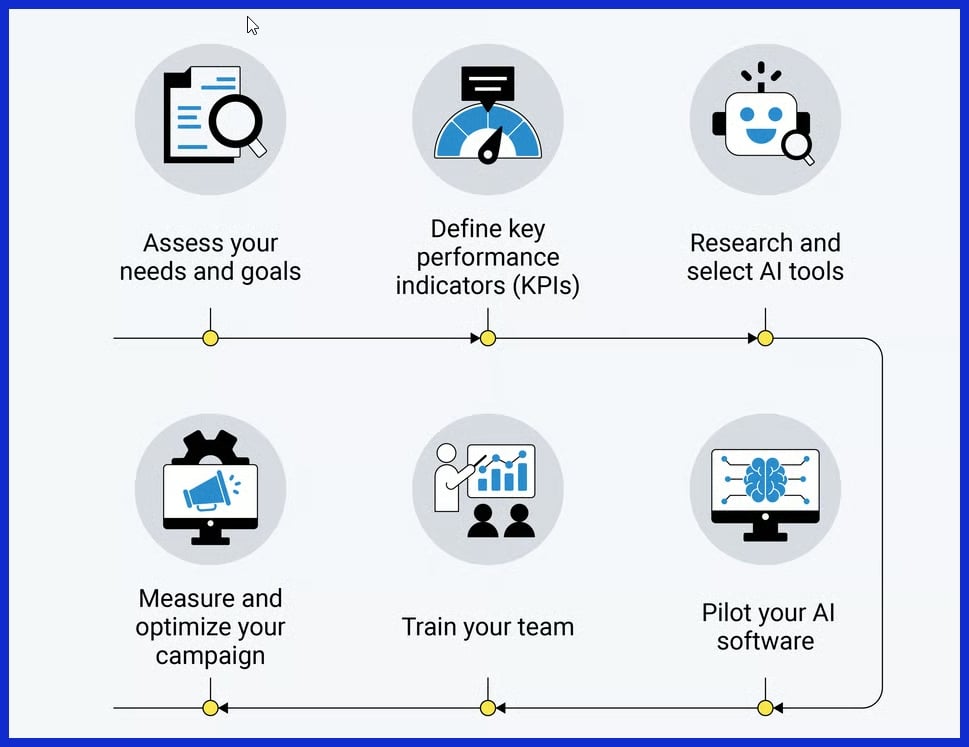
With AI email marketing tools, you unlock smarter, more effective email campaigns that combine deep customer insights, automation, and personalization. By utilizing first and third-party data, email marketers can tune every customer journey touchpoint and see measurable lifts in engagement and conversions in just a few cycles.
1. Predictive Segmentation
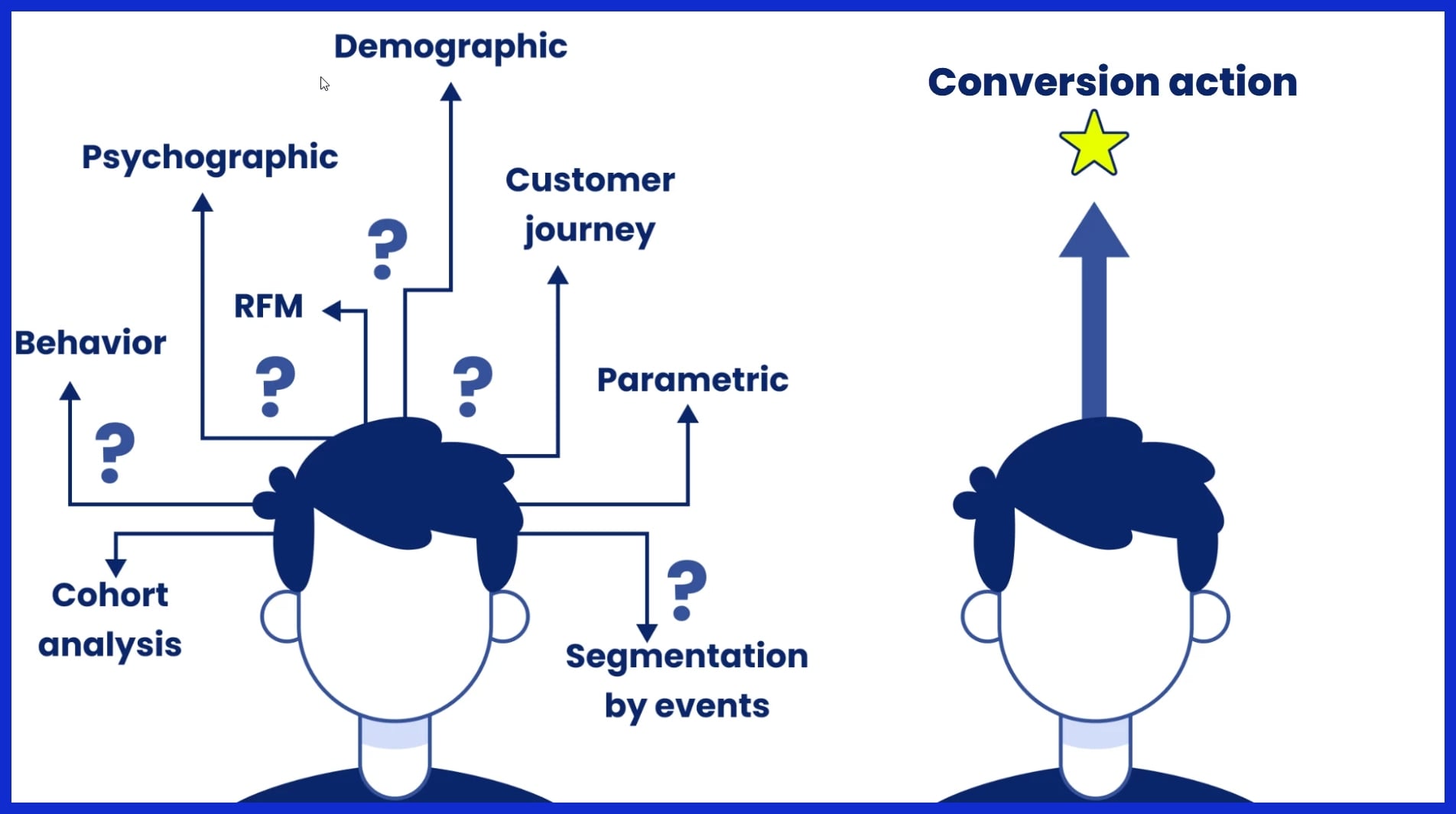
AI-powered segmentation begins with gleaning historical engagement patterns and cross-referencing data from customer data platforms. This isn’t just chopping by demographics; it’s letting algorithms sift behavior, purchase history and preferences to uncover high-value segments.
For instance, an e-commerce site could target cart abandoners with specific offers or spot VIP users by recency and purchase volume. AI optimizes these segments on the fly and dynamically segments who receives what message. Marketers can then write highly targeted emails for each segment, increasing click-through and conversion rates.
2. Dynamic Content

Emails can now customize content on the fly. Imagine product recommendations based on recent browsing or dynamic banners aligned with local promotions. With AI, each recipient receives a personalized experience based on their journey and interests.
Dynamic campaigns tend to experience a 42% increase in open rates immediately upon launch. Testing various combinations such as images, offers, or CTAs helps identify what connects. Significantly, AI makes sure these components support wider campaign objectives, not just momentary clicks.
3. Send-Time Optimization
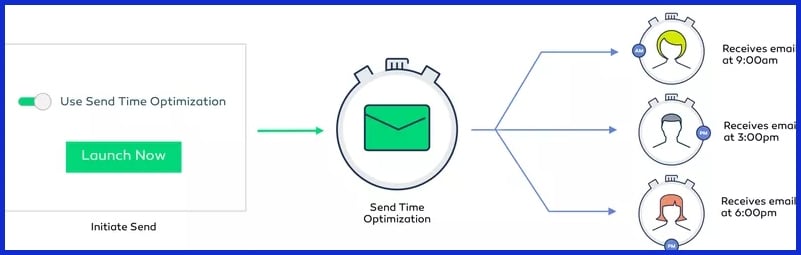
AI analyzes engagement data across segments, identifying when each group is most prone to open and engage with emails. Predictive models schedule sends as precisely as possible, sometimes down to the minute, maximizing visibility.
Experimenting with send times and tracking the results refines timing even more. Over time, teams observe increased open and click-through rates, freeing them from speculation and painstaking manual scheduling.
4. Subject Line Generation
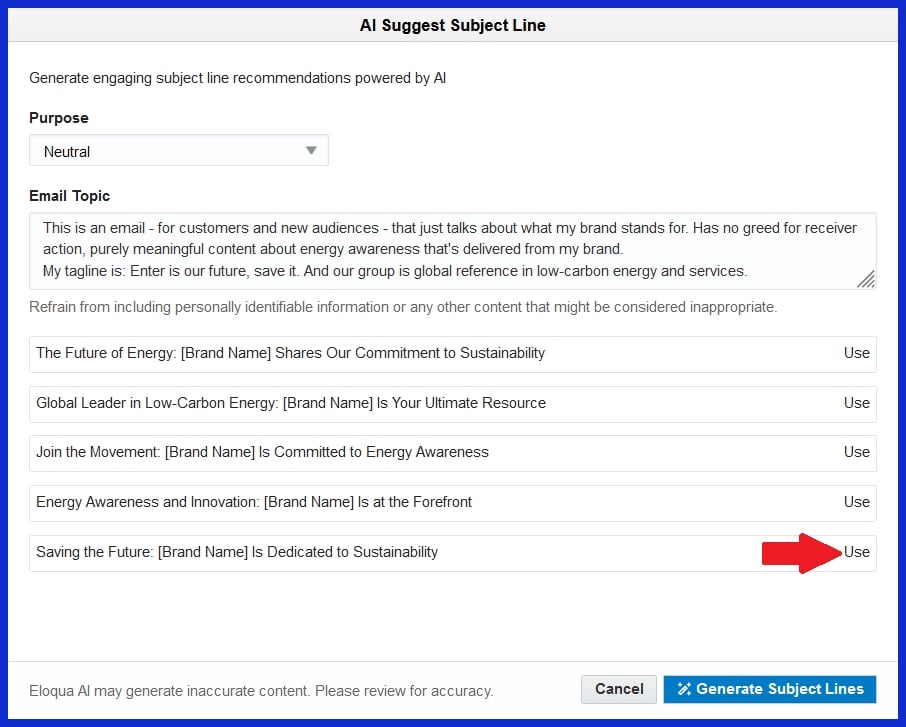
Generative AI tools provide subject lines based on audience mood, urgency and trends, typically beating human instinct. Marketers can rapidly experiment with variations, leveraging emotional triggers or time-sensitive offers to make people curious.
AI tracks open rates and refills back into future subject line decisions. This feedback loop keeps the updates coming and is fueled by real-world performance data.
5. Automated A/B Testing
AI automates design, copy, and time for A/B tests. Marketers can test dozens of variables at once without manual tracking required. Other organizations have experienced a tenfold boost in A/B testing effectiveness with AI-powered analytics.
Systematic, data-driven testing ensures that each campaign iteration learns from the previous one, compounding results over time.
Choose Your AI Tools
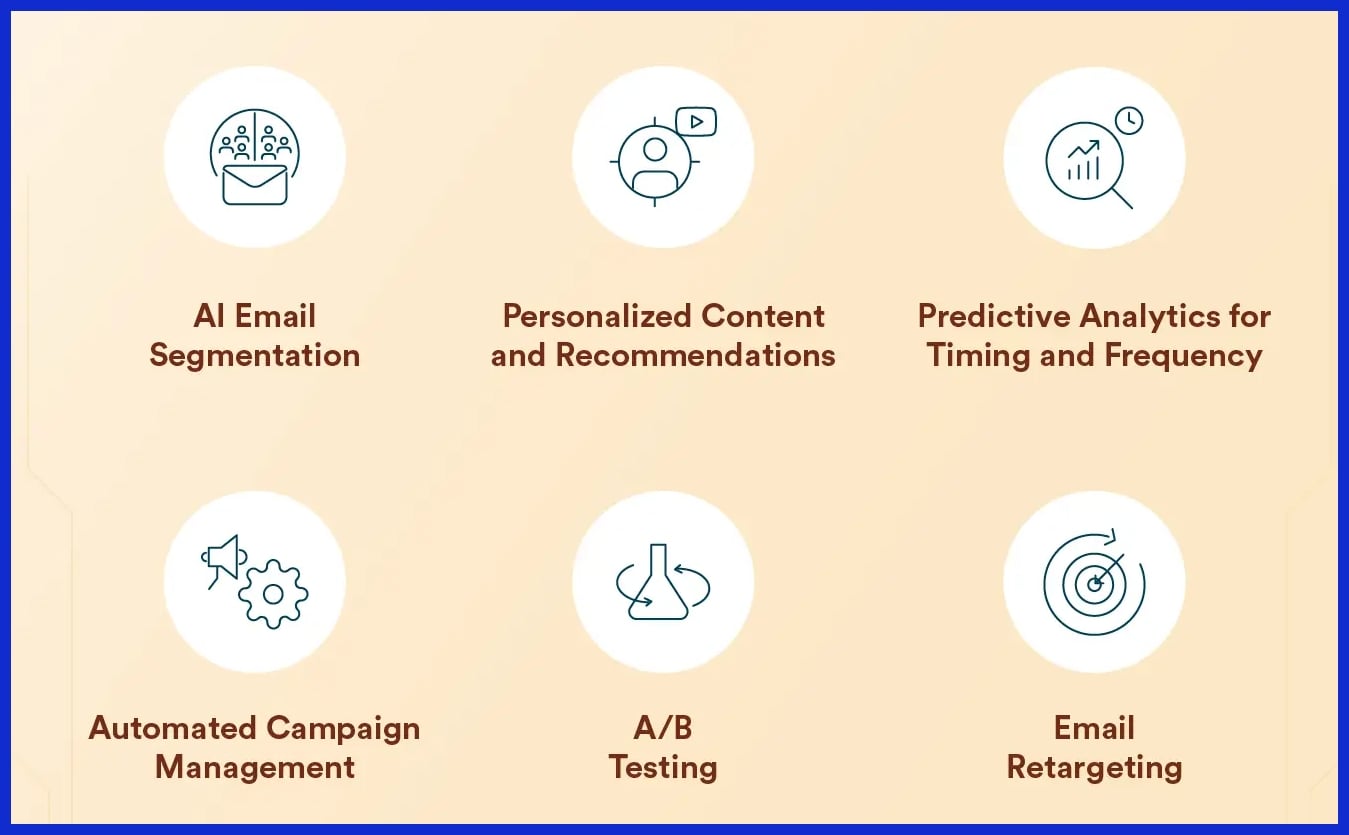
AI tools for email campaign management aren’t magic wands, but their effect on campaign performance is tangible when you select the right ai email marketing tools that fit your strategy. Start by defining what matters most for your business: faster workflows, deeper data insights, or ultra-sharp personalization? Your tool selection should align with those goals, not just your paper dreams.
It’s essential to recall that AI exists in four core forms: automation, analytics, NLP, and generative. All of these offer unique advantages. Automate the busywork and scheduling, so your email marketing teams can concentrate on strategy. Predictive analytics sift into your customer data platform (CDP), consolidating scattered information and exposing interaction trends you’d find hard to identify by hand.
Generative AI now allows you to construct briefs, write drafts, or even segment assets with just one prompt. This power requires transparency. Always monitor what’s produced, look out for mistakes, and ensure that your email content remains consistent with your brand voice and values.
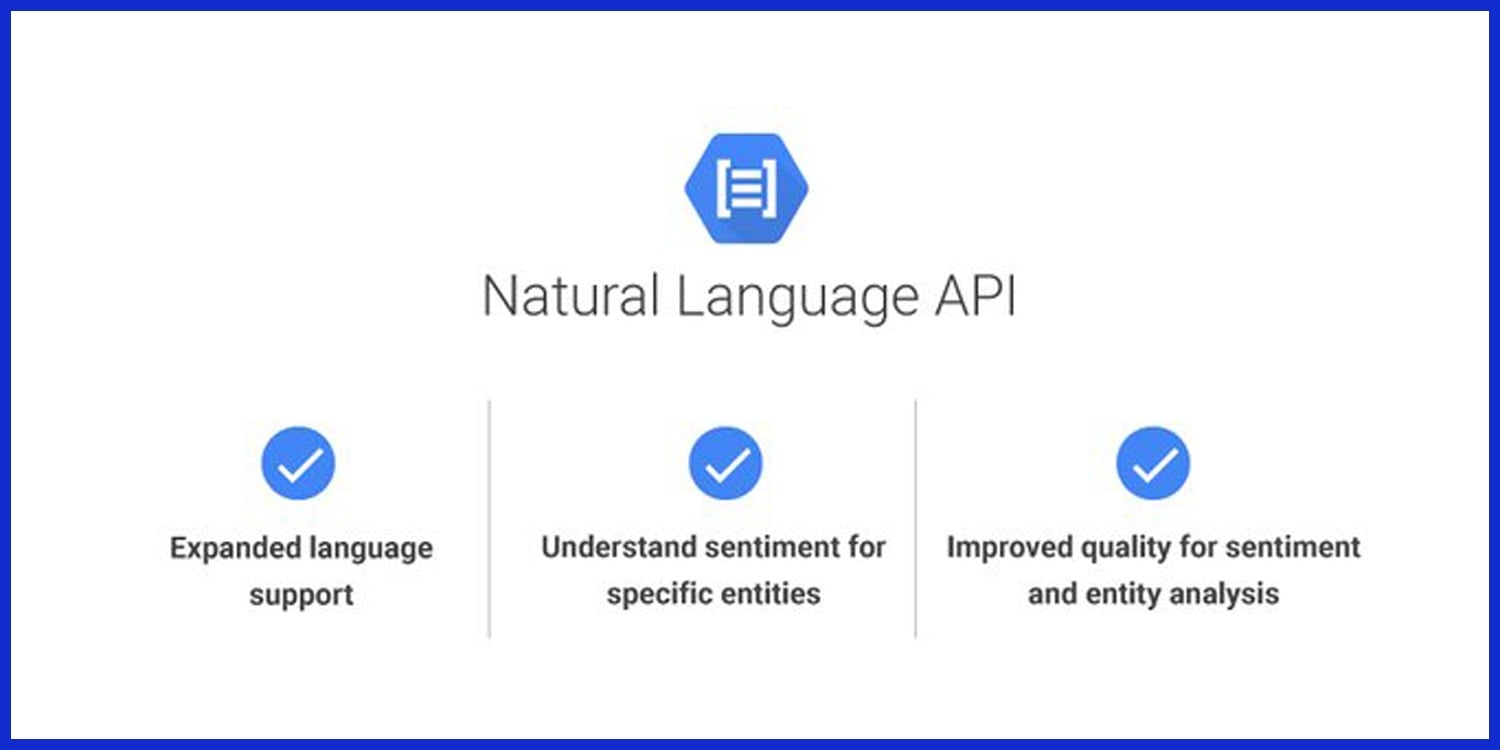
Natural language AI can help tailor messages to micro-segments, so every email lands with a little bit more punch. None of this matters if the tool can’t play nice with your existing email marketing platform. Check integration options: does it connect to your main customer data source? Can you automate frictionless workflows across platforms?
Try out a couple tools before you commit! Some provide free or demo periods. Leverage these to test the tool’s compatibility with your team’s processes and your real-world campaign goals. Seek out intuitive dashboards, adaptable reporting and the capacity to ingest premium first-party data for informed decision-making.
The best AI email marketing solutions are the ones your team finds easy to use, allowing you to transition from insight to action without a thousand additional steps.
The Human Element in AI Marketing
Even in an era when AI can generate thousands of emails in minutes, human discernment remains the soul of impactful writing. Automation trims the noise, particularly for marketers dealing with more demanding deadlines and less staff, but it’s not a silver bullet. AI email marketing tools are best seen as smart assistants that handle the repetitive work and free up real people to focus on what actually moves audiences: empathy, understanding, and creative strategy.
Customization is the area in which AI sparkles most with a human guide. While data and predictive AI models assist in customizing email content for distinct customer segments, it’s a genuine marketer who guarantees that those messages are aligned with the audience’s beliefs, tastes, and even regional linguistic subtleties. This is where effective email campaign management becomes essential.
For instance, an AI email marketing tool could suggest the same subject line for all customers in an area, but a marketer is able to spot when the tone is weird or a joke doesn’t convert. Fact checks and relevance checks are a must. AI can miss context, and mistakes fall through if nobody looks over its output.
AI tools flourish when deployed to supplement, not supplant, personal connection. The brand that solicits input post every campaign and really listens earns trust. That feedback loop is gold for fine-tuning AI-driven strategies, enhancing customer engagement.
For example, if an email sequence comes across as too mechanical or cookie cutter, recipient feedback assists marketers in adjusting both the AI parameters and artistic steering. The equilibrium arrives from allowing AI to do what it does best—analyzing data, conducting A/B tests, and segmenting audiences, all crucial for effective email marketing efforts.
While human marketers make the strategic decisions, this blend generates campaigns that come across as truly personal, not mass-manufactured. Marketers who remember the human on the other side of every inbox and use AI as an assist foster deeper connections and achieve superior outcomes in their email marketing strategy.
Measure AI Campaign Success
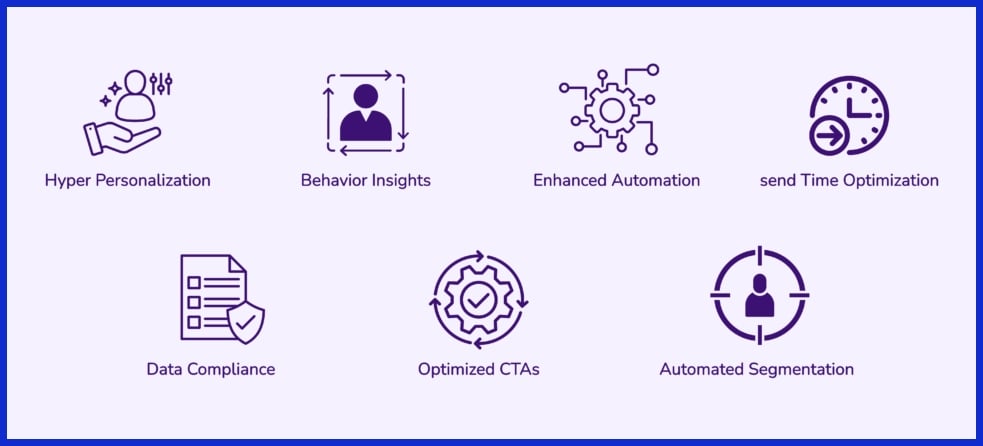
Defining success in AI-powered email marketing means putting clear metrics front and center. Open, click, and conversion rates are the foundation, but AI lets you go deep. Customer lifetime value, engagement over time, and even predictive churn are important. These aren’t mere metrics; they’re indicators of whether your email marketing efforts truly connect or merely sizzle and fizzle.
AI analytics can stretch across your full email dataset and merge in data from a customer data platform (CDP). This paints a richer picture by consolidating those maddeningly disjointed customer records. For instance, leveraging generative AI, certain marketers have experienced tenfold gains in A/B testing outcomes. Picture running dozens of subject line variations and AI informing you with certainty which will generate more clicks among different customer segments. That’s not magic; that’s data-driven decision making at scale.
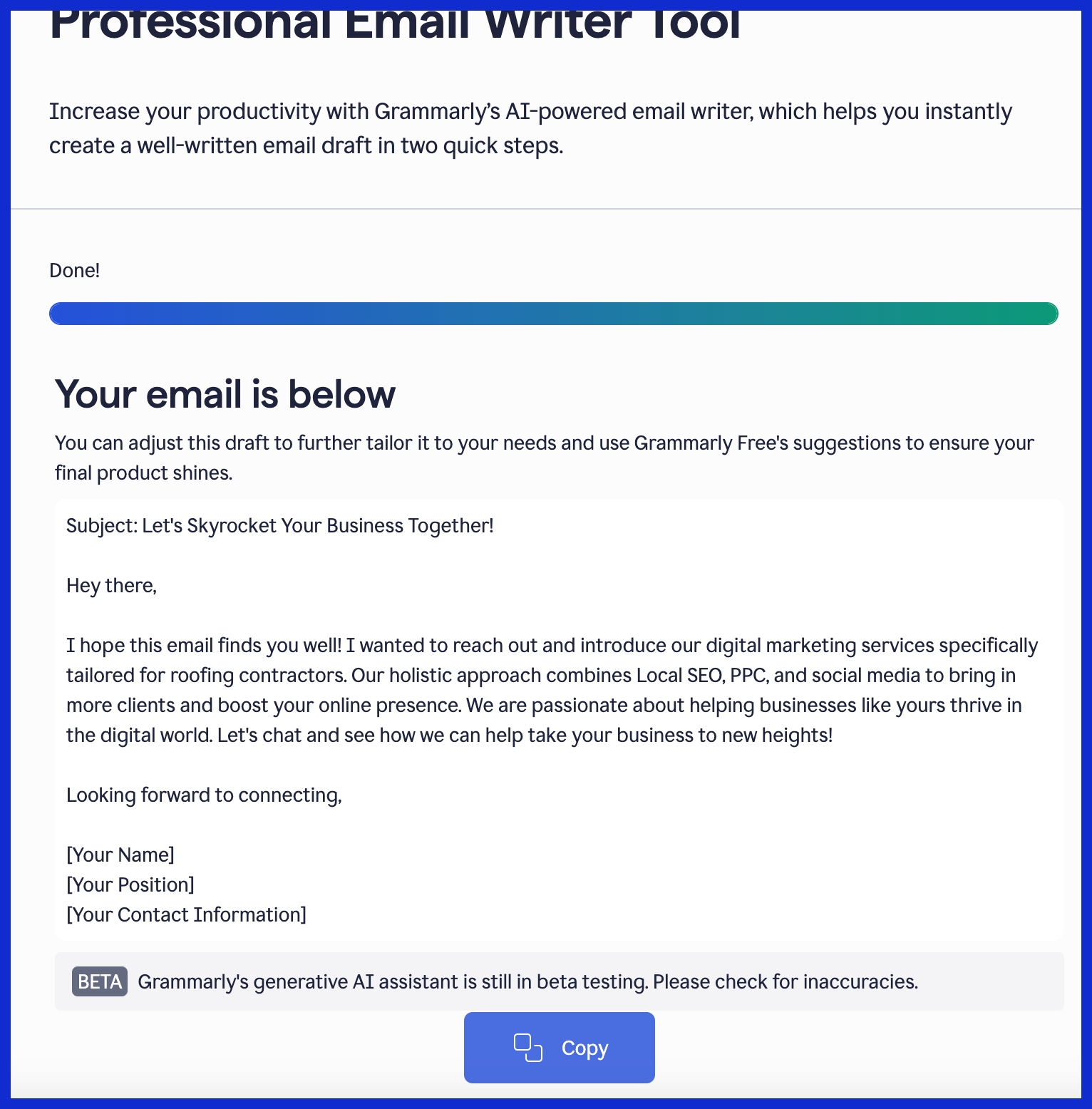
Campaign measurement isn’t just dashboard-watching. It’s about knowing the ‘why’ behind an engagement spike or dip. AI surfaces insights, such as which send times achieve the peak open rates or what email content converts best, allowing you to personalize at scale. The more juicy first-party data you feed your models, the smarter those optimizations become.
Automation minimizes mistakes, catching typos or wrong links before they hit your readers and saving your brand’s image. AI doesn’t only unshackle your team from busy work; it provides them with the capacity to focus on big picture strategy and long term growth.
Measure AI campaign success. Let AI analytics insights guide your next move, be it optimizing segmentation, trying out a fresh offer, or adjusting to shifting business objectives. Marketers leaning into AI will probably make crisp decisions over the next few years, raising the bar for ROI and campaign impact.
Conclusion
To bring this home, applying AI to email marketing isn’t about following the tech zeitgeist. It’s about working smarter. AI can assist in identifying the appropriate audience, customizing messages, and even forecasting what will generate clicks while conserving time and effort. Picking tools that suit your objectives—and perhaps leveraging the strategic insights of experts like SERPninja —really streamlines the experience.
Human insight still matters. By writing personalized messages, vetting AI recommendations, and monitoring performance, you keep your campaigns lean and timely. With the right equilibrium, email marketing can seem less like alchemy and more like an assured growth machine. Ultimately, it’s about ensuring every send counts, supported by data, not just instinct.
Frequently Asked Questions
What are the main benefits of using AI in email marketing?
AI email marketing tools assist in tailoring content, dividing audiences, and determining the best times to send emails, resulting in improved customer engagement and higher conversions.
How do I choose the right AI tools for email marketing?
Consider ai email marketing tools with advanced analytics, automation capabilities, and trusted security. Look for integration options and read user reviews to see if they align with your email marketing strategy and current systems.
Can AI work with my current email marketing platform?
Yes, the majority of AI email marketing tools are designed to integrate seamlessly with common email marketing platforms, enhancing email campaign management and customer engagement.
Does AI replace human creativity in email campaigns?
No, AI email marketing tools empower human ingenuity by managing the data and automation, while marketers still need to write compelling email content and establish campaign objectives.
How can I measure the success of my AI-driven email campaigns?
Watch open, click-through, and conversion rates of your email campaigns. Compare these with previous email marketing efforts to gauge AI email marketing tools’ effect.
Are AI-powered email marketing solutions secure?
All of the more reputable ai email marketing tools employ robust security measures and adhere to data privacy regulations. Always check a tool’s security policy before using it.
Is AI-based email marketing scalable for small businesses?
Indeed, AI email marketing tools can scale to your business size, providing scalable pricing and features that enhance your email campaign management.


