

Key Takeaways
-
A breakdown of what RPM and CPM mean on YouTube and why they matter.
-
Personal finance, Technology, Health and Wellness, Real Estate, Digital Marketing, Specialized Education.
-
Where your audience is located and their demographics is a major factor in RPM, so aiming at viewers from countries with high purchasing power can increase earnings.
-
Intersecting niches and hyper-specific subjects can enable creators to compete in low competition spaces and build fan bases.
-
Diversifying monetization streams, like affiliate marketing or sponsorships, and exploring faceless or automated content types can boost channel profitability and versatility.
-
Adapting to algorithm shifts, maintaining a consistent content strategy, and cultivating a robust brand presence are crucial for long-term success on YouTube.
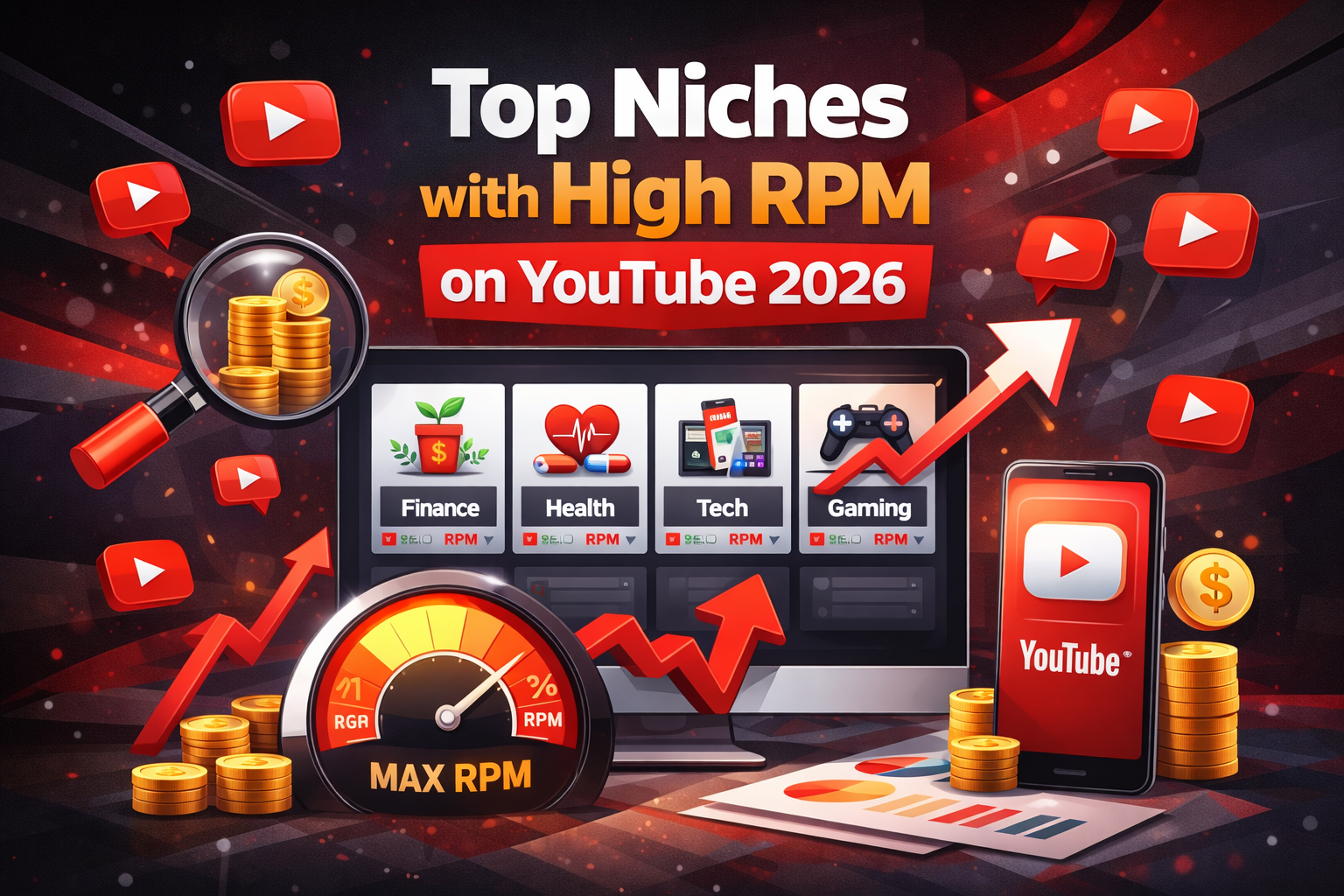
Top niches with high RPM on YouTube in 2026 include personal finance, technology reviews, digital marketing, and luxury lifestyle content.
These niches typically have advertisers who are willing to pay a lot of money to reach specific viewers, which translates to higher RPM.
Audience trends, ad tech innovation, and changing global interests continue to dictate which niches thrive.
Exploring these elements assists content creators in discovering consistent opportunities for lasting channel expansion.
Understanding YouTube RPM
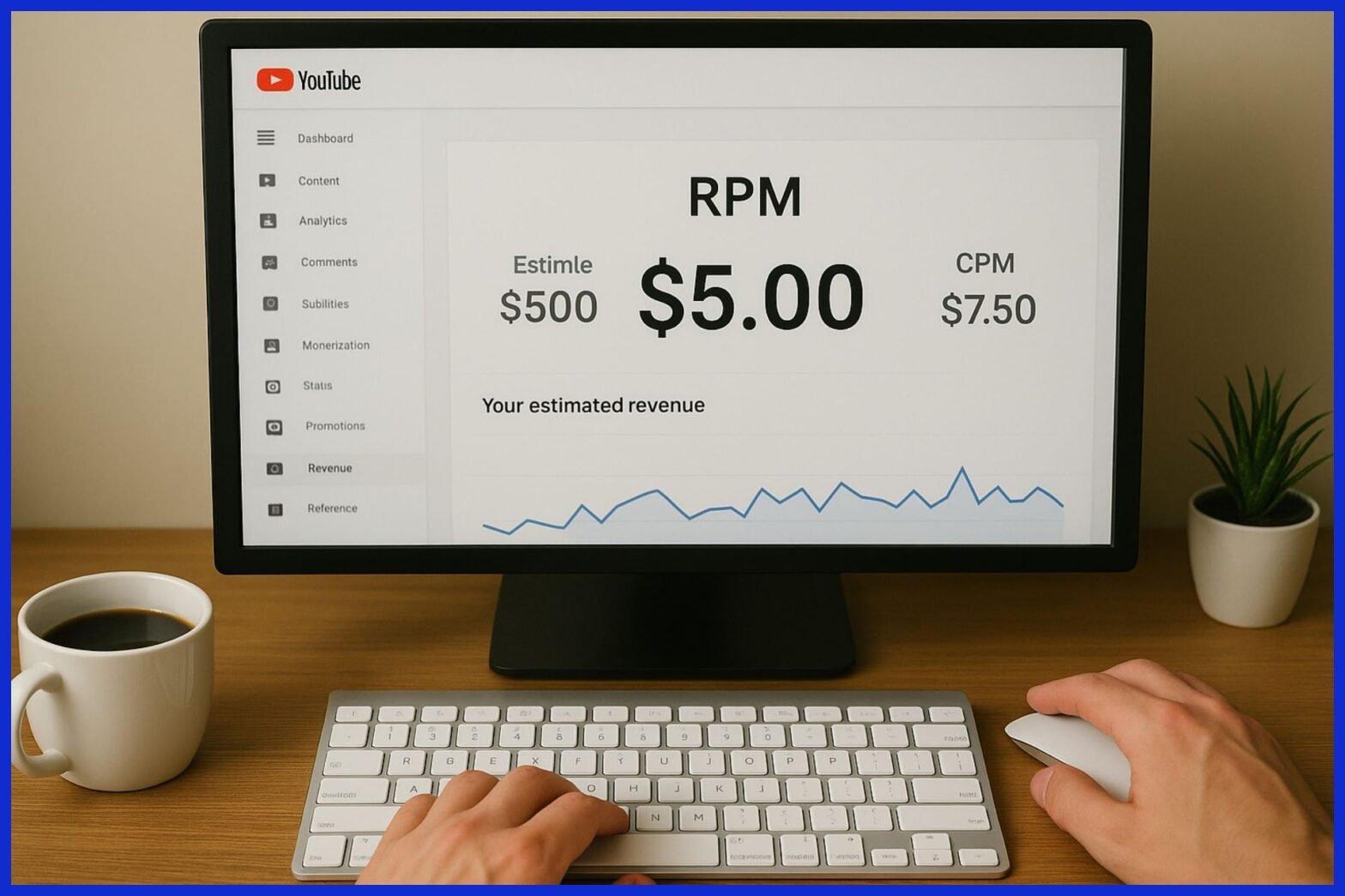
YouTube RPM, or Revenue Per Mille, is the holy grail of a channel’s real-life earnings per 1000 views. In contrast to CPM, which only considers ad revenue, RPM collects it all: channel memberships, Super Chat, YouTube Premium, and naturally enough, ads.
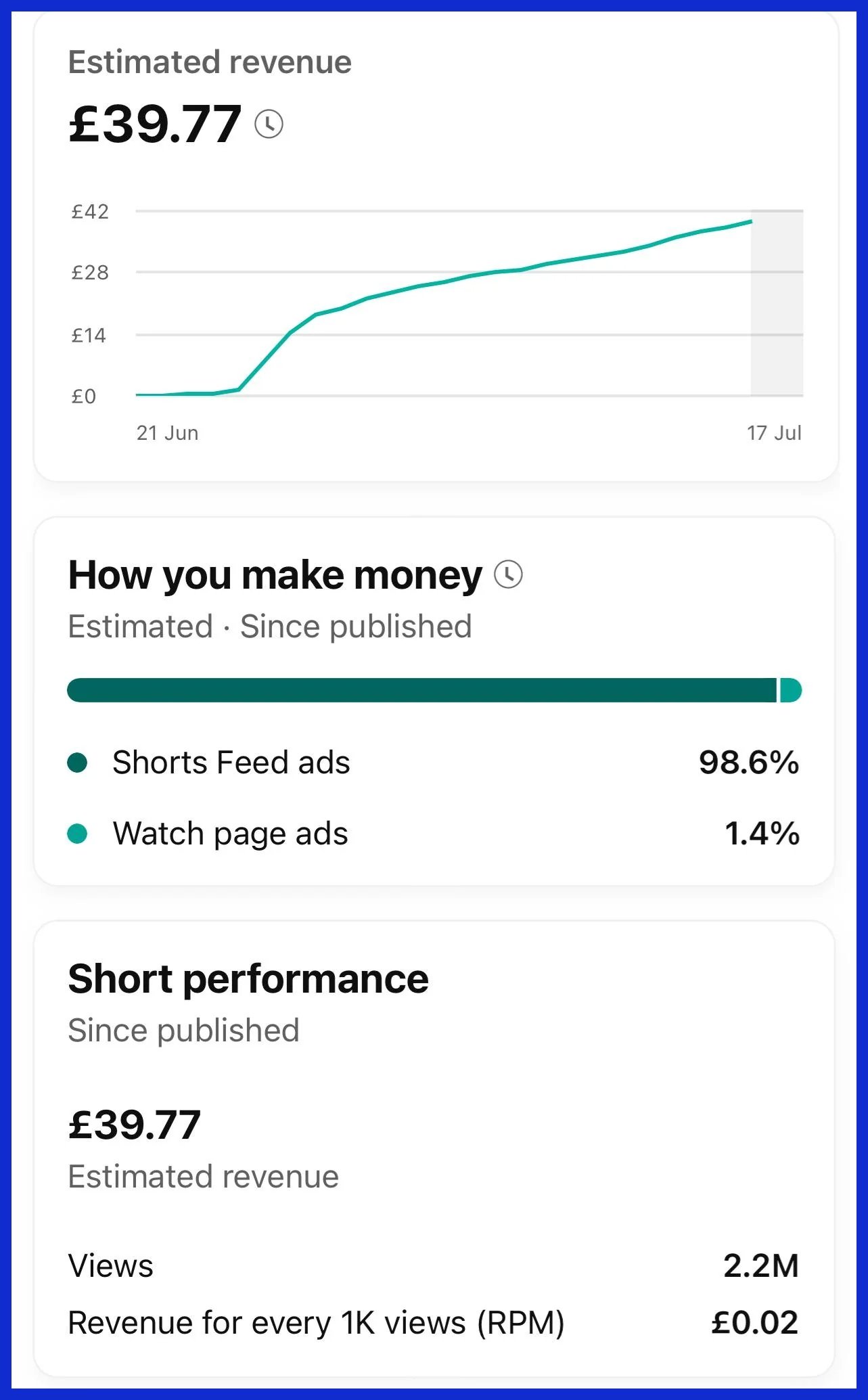
It’s the most candid glimpse of what ultimately hits a creator’s pocket after YouTube takes its cut. RPM can swing wildly based on the viewer’s country, with viewers in the US and UK providing 3 to 5 times higher RPM than other regions. A ‘good’ RPM in 2026 is over $1.50, but if you’re clearing $5 or more, you’re right at the top.
|
Metric |
What It Measures |
Includes Non-Ad Revenue? |
Influenced by Advertiser Demand? |
|---|---|---|---|
|
RPM |
Actual earnings per 1,000 views |
Yes |
Yes |
|
CPM |
Advertiser cost per 1,000 ad impressions |
No |
Yes |
RPM vs CPM
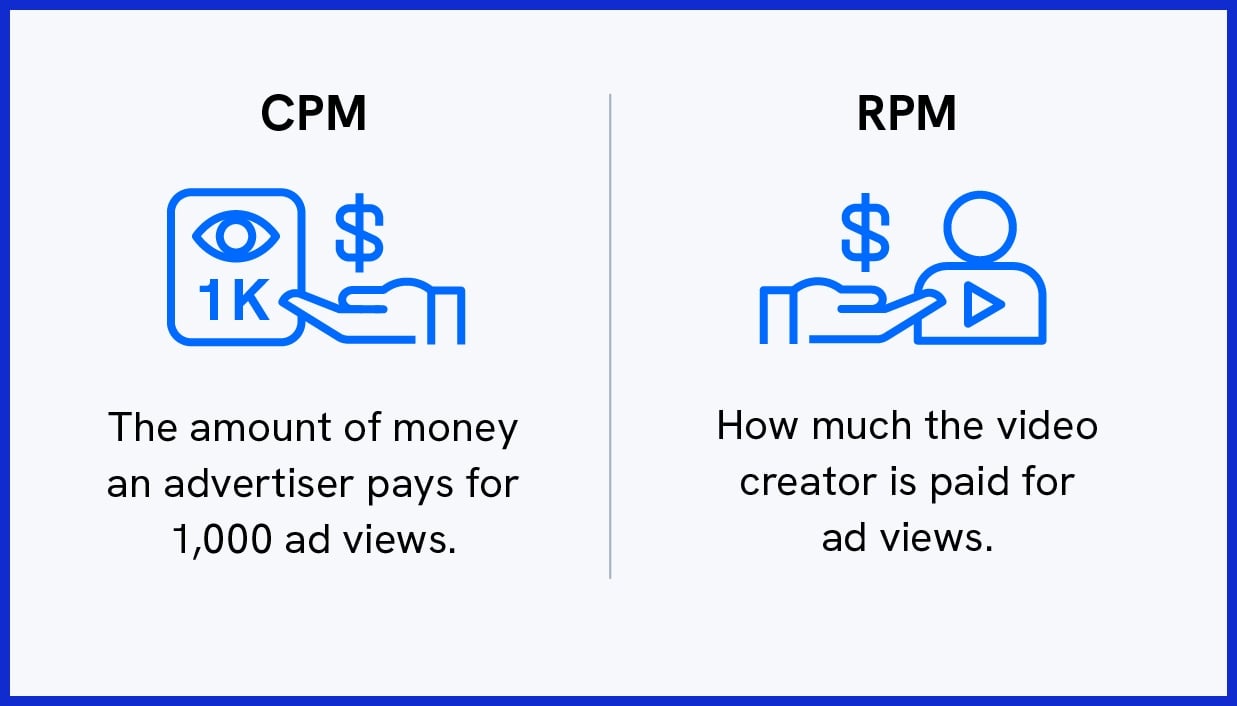
RPM provides an accurate picture of a creator’s revenue by combining all sources of monetization, so it’s much more useful for budgeting than CPM. CPM only accounts for what advertisers pay for ads displayed, so if a video has tons of views but very few ad impressions, CPM can appear artificially elevated while RPM remains relatively low.
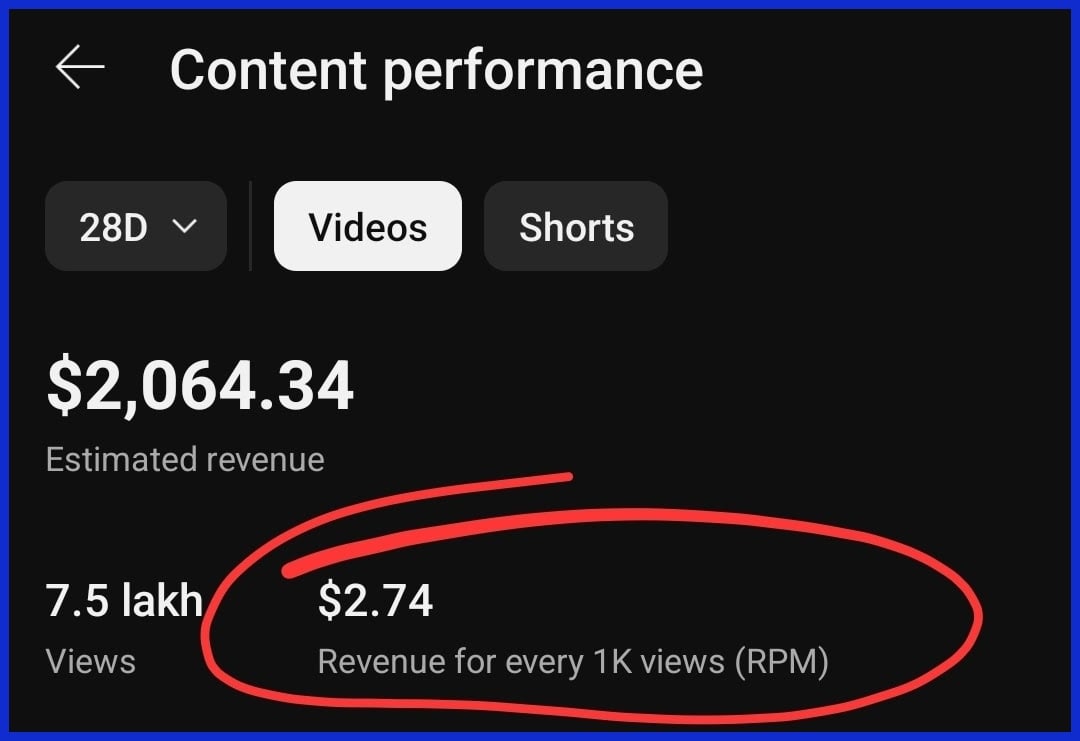
There are exceptions to this, where RPM trumps CPM when viewers participate through memberships or Super Chat, especially in live streams. Finance channels have high RPM but lower CPM because of an engaged audience ready to spend.
Advertiser Demand
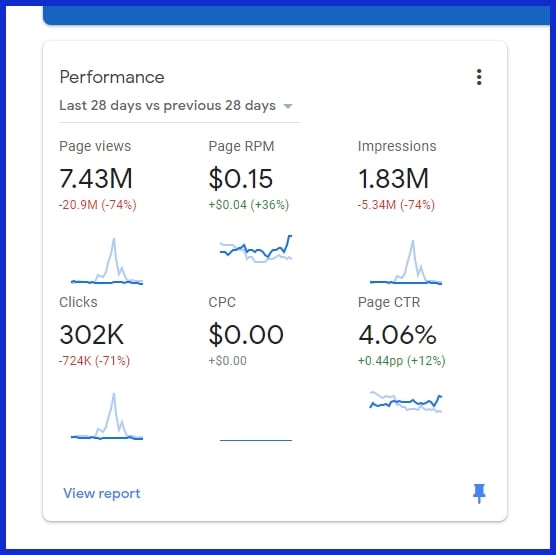
When advertisers pursue scarce inventory in high-value niches, RPM leaps. High demand periods, such as Q4 holidays, can cause RPM to surge by 30 to 50 percent.
Checklist for seasonal RPM shifts:
-
Q4: Marked increase in RPM due to holiday ad budgets
-
Niche launches: Major product releases drive up advertiser spend
-
Back-to-school: Tech and education channels see spikes
-
Low season (Q1-Q3): RPM typically drops, sometimes by half.
Fiercely competitive advertisers trying to reach the audiences on finance and insurance push RPM to exceptional highs.
Audience Location
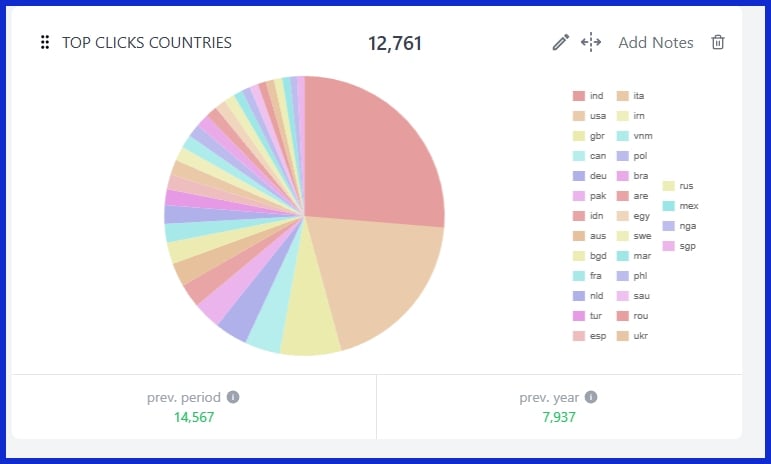
Where your audience resides is key. US and UK viewers bring the biggest bang, frequently bringing in RPMs that eclipse viewers in Asia or Latin America. Demographics are important as well.
Channels with older, higher-earning audiences command better-paying advertisements. Markets with greater purchasing power, such as North America and Western Europe, will naturally fetch premium campaigns. Local trends, such as new tech in India, influence content and monetization.
Content Seasonality
Personal finance, investing, insurance, legal, and technology are expected to be the highest earning YouTube niches for 2026. Personal finance can bring in RPMs over $5 with ease.
Insurance and law firms regularly earn much higher than $8 to $10. Competition is intense; everyone’s interested, but growth continues for those who find creative niches. Picking a niche with healthy advertiser demand is the safest path to remain lucrative and future-proof.
Top High RPM Niches for 2026
YouTube RPM is shifting rapidly, with 2026 already revealing clear victors for creators and brands. Advertisers are shelling out more for content that attracts high-value audiences, particularly in profitable YouTube niches like finance, tech, and education. Long form, US, and UK viewers can significantly multiply earnings.
1. Personal Finance
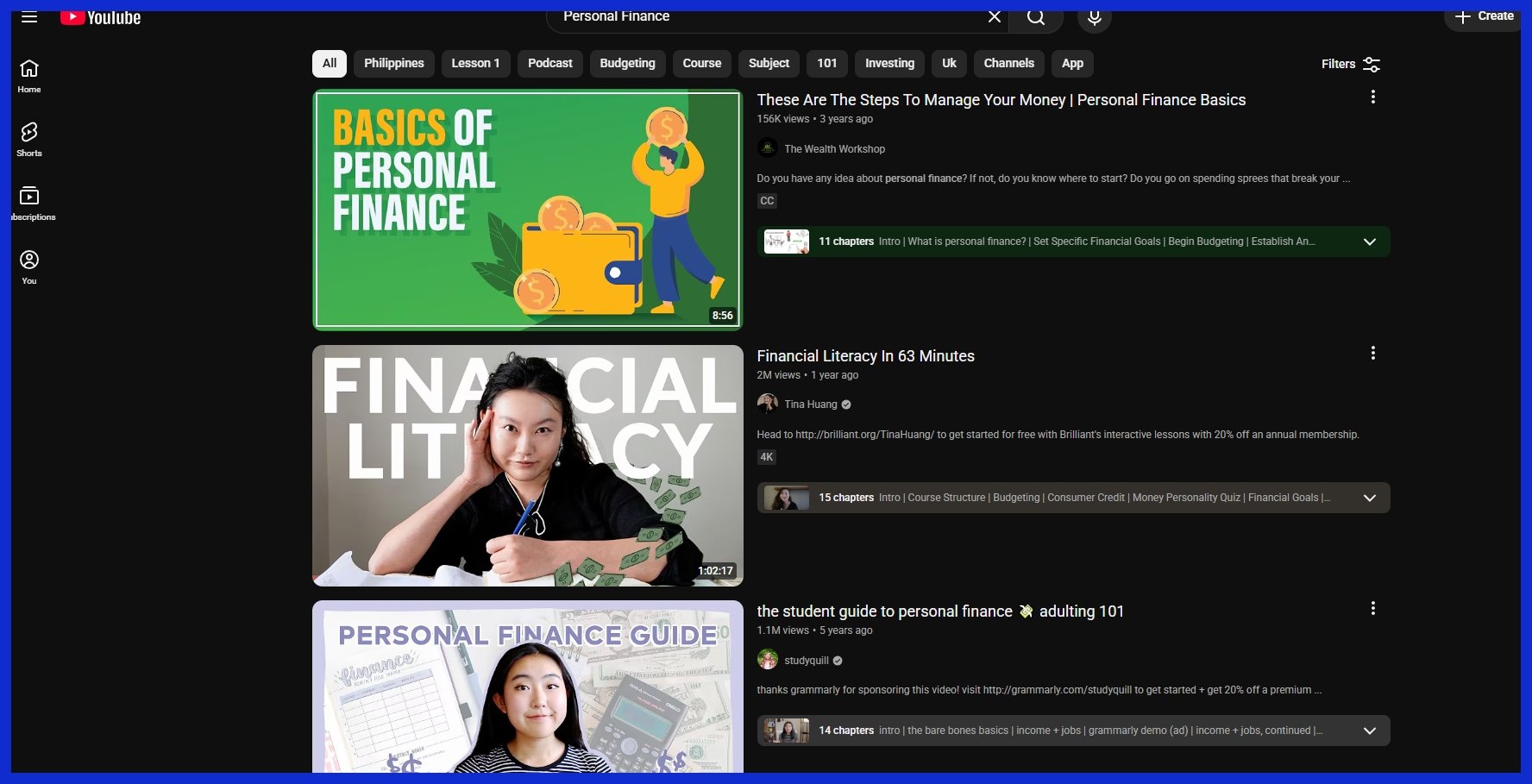
Viewers globally are looking to learn how to budget, invest, and accumulate wealth. This is making personal finance RPMs soar to the top. Financial channels frequently experience CPMs as high as $15, with topics like investing, budgeting, credit, and side hustles fueling robust advertiser engagement.

Channels like Graham Stephan and Andrei Jikh figured out the recipe by blending personal anecdotes, market insights, and digestible advice. Money-saving tips, financial services reviews, and economic explainers all connect. For creators, mixing newsworthy pieces with timeless guidance maintains both engagement and RPM.
2. Technology
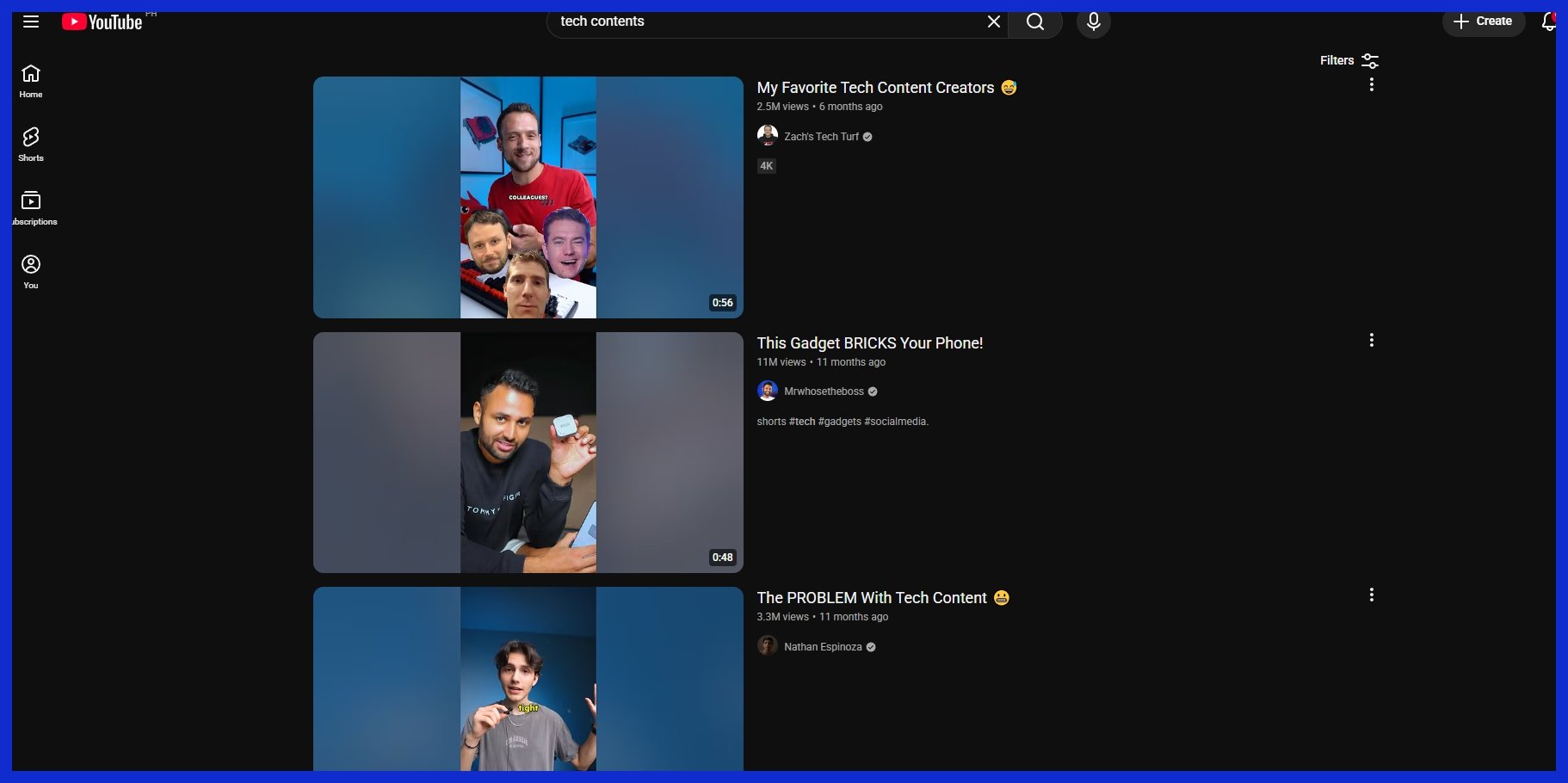
Tech content lives through change. RPM is ramped up even more by monthly tech sponsorships and gadget brand partnerships. Channels such as Marques Brownlee and Linus Tech Tips thrive by reviewing the newest devices, demystifying emerging trends in AI and dissecting innovation.
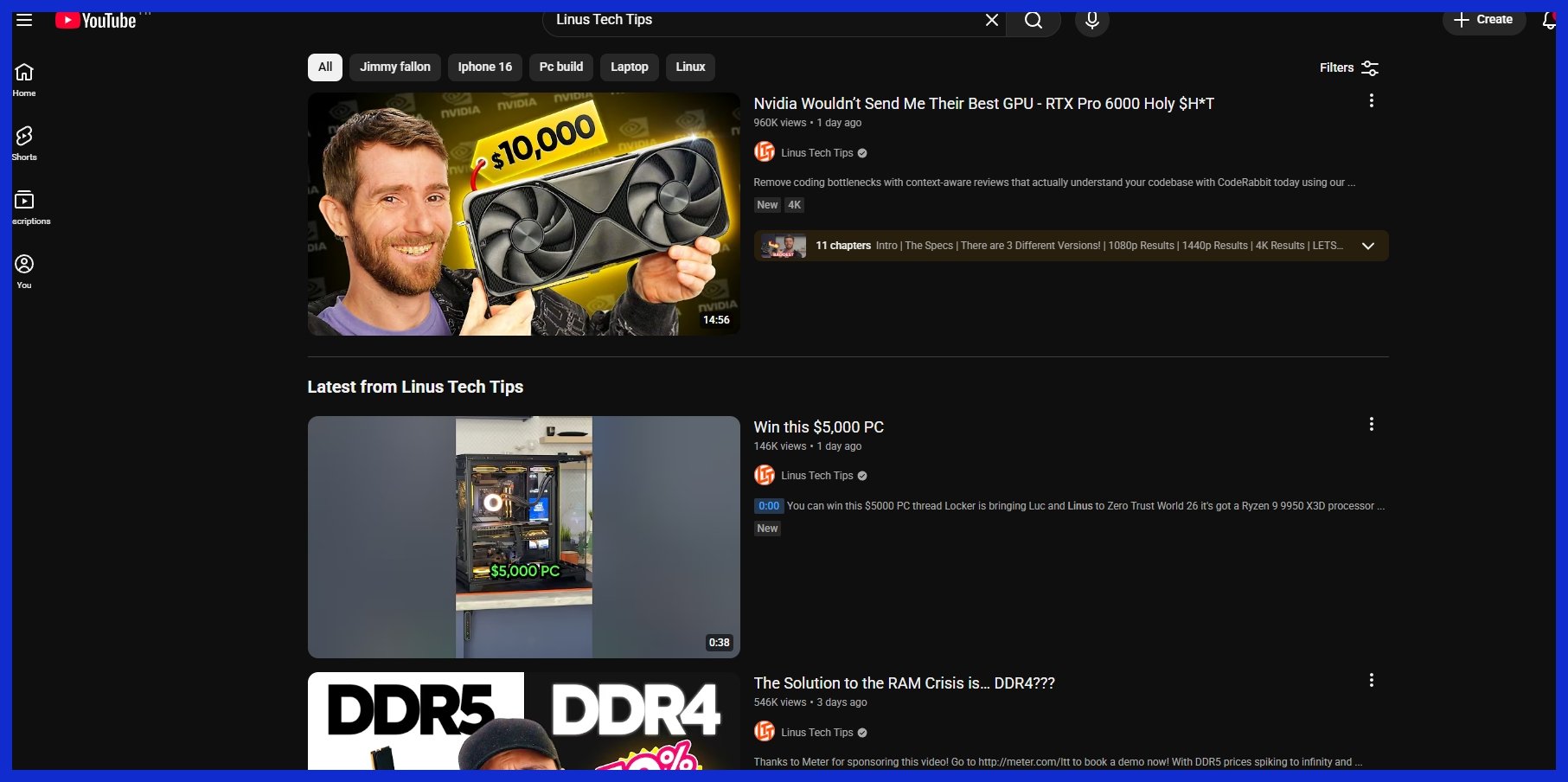
Audiences flock to tutorials, product reviews, and future tech deep dives. Sponsorships and affiliate links add another RPM jolt, making this niche particularly profitable for steady, wise-makers.
3. Health & Wellness
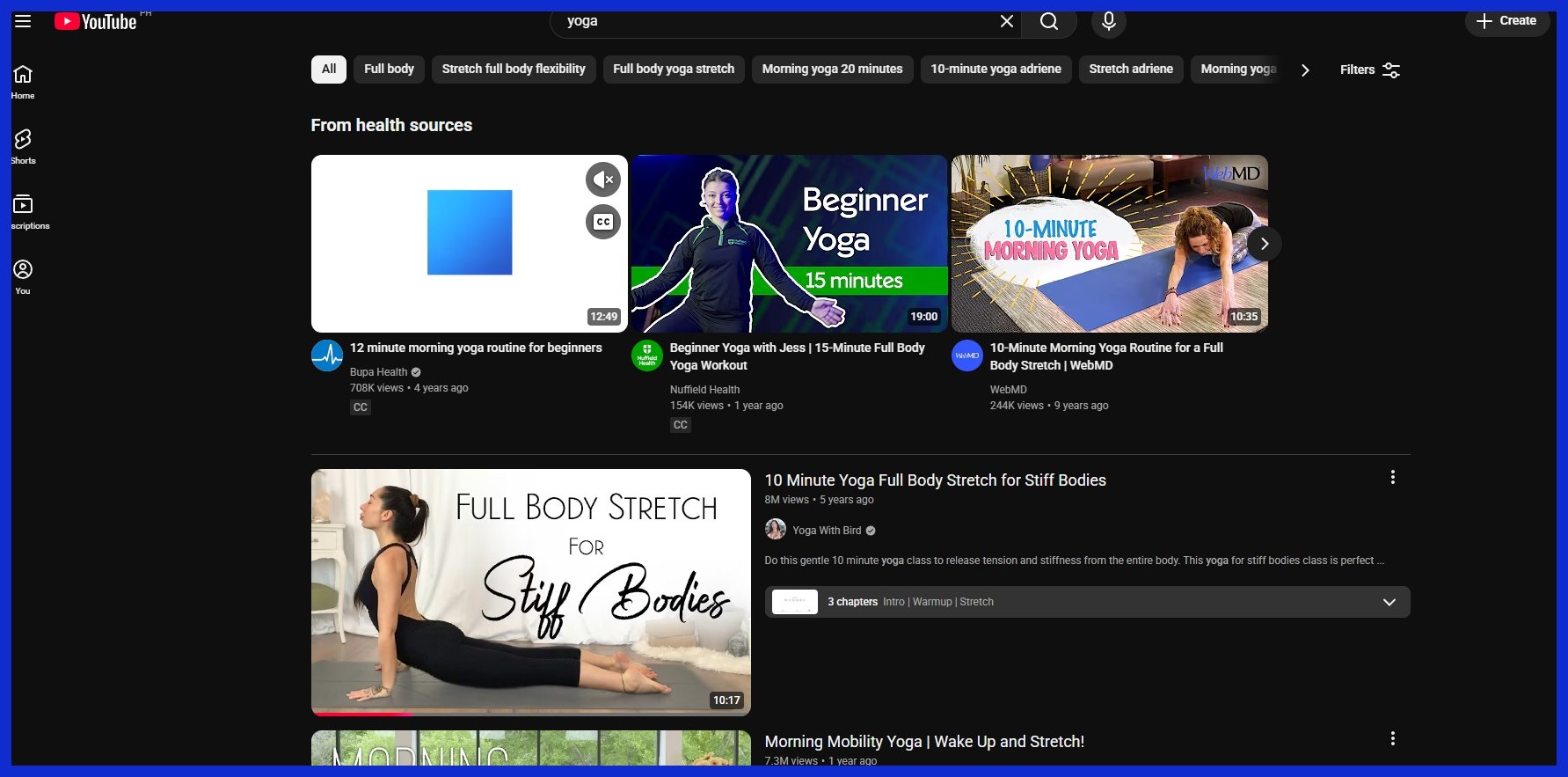
Hope of health, wellness, and longevity is not abating. Advertisers in this space pay premium rates, especially for content about seniors’ health, which is one of the $6.17 RPM niches and a big runner up for growth.
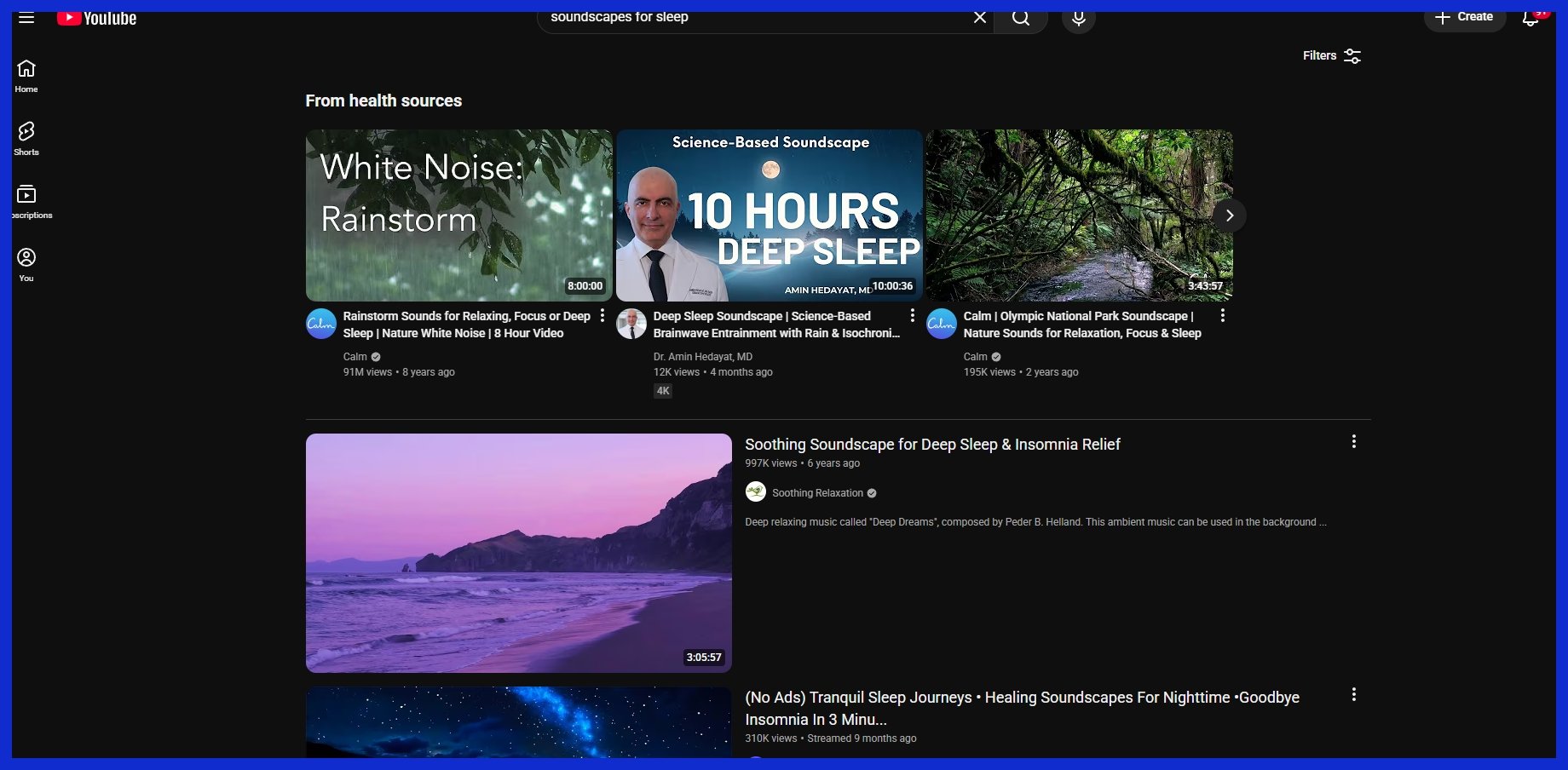
Sub-niches such as soundscapes for sleep, which has a $10.92 RPM, nutrition, fitness routines, and mental health tips all do well. Affiliate deals for supplements, fitness equipment, or wellness apps diversify income sources. Highly personalized advice and community-driven channels have even greater loyalty and repeat views.
4. Real Estate
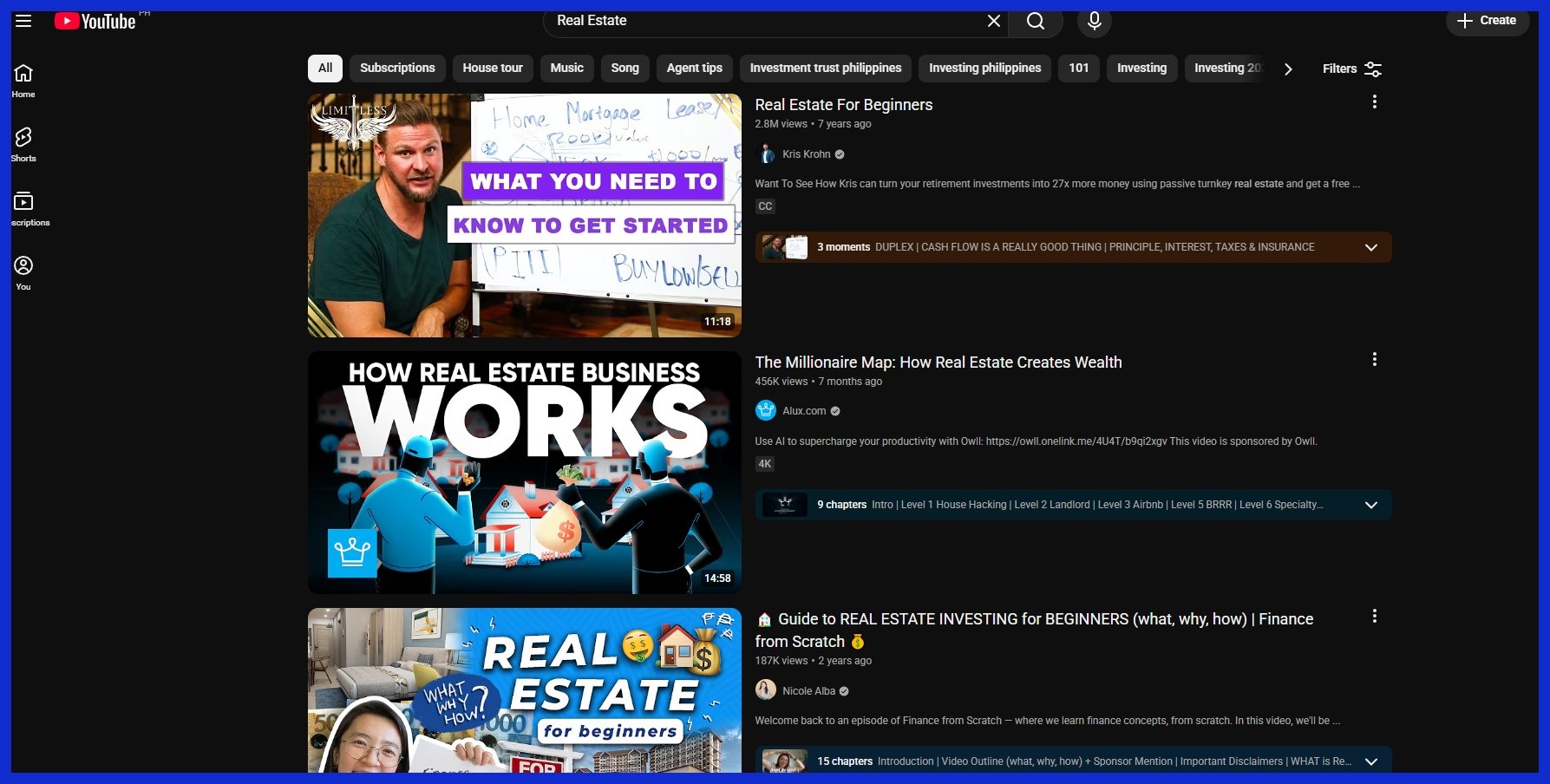
Real estate channels are leveraging worldwide interest in property investing, market movements, and renovations. High-ticket advertisers and affiliate deals push RPMs up. The audience craves tutorials, how-tos and straight-up industry insight.
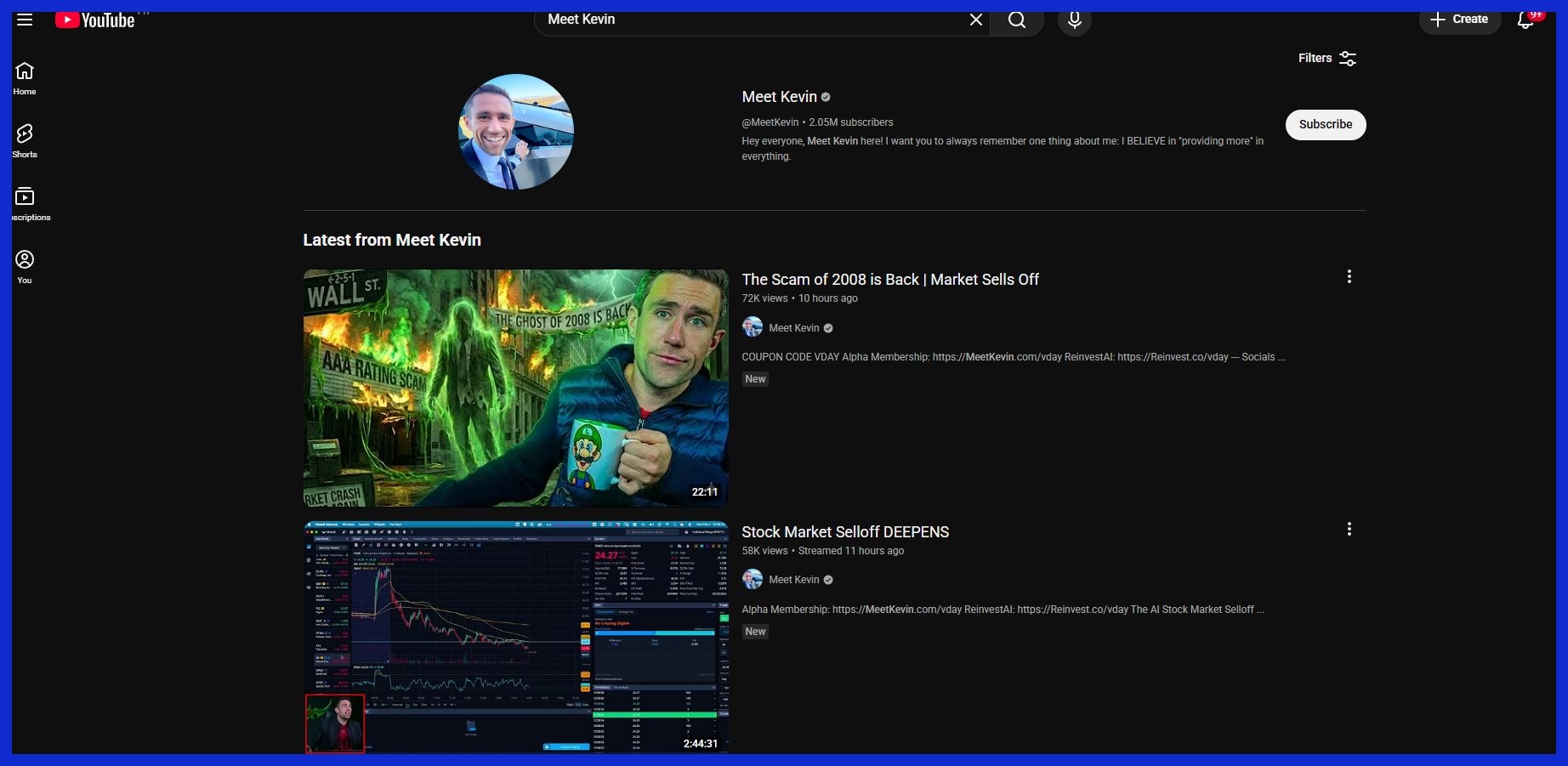
Channels such as Meet Kevin combine news updates, investment advice, and property tours to punch well above their weight in engagement. I love content about international property trends and local market insight. It appeals to a broad audience.
5. Digital Marketing
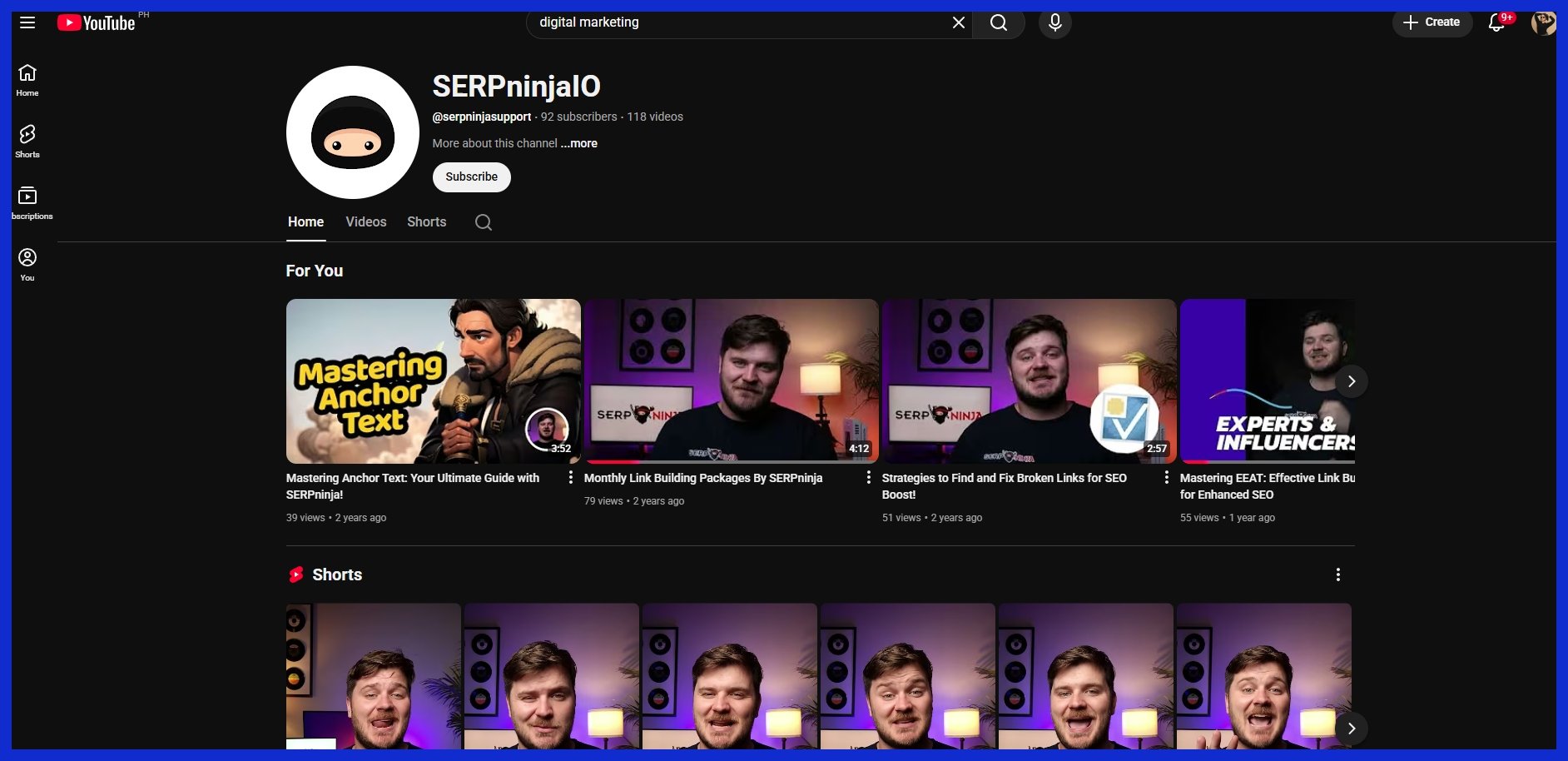
Digital marketing is a high RPM niche as more and more businesses go online. SEO, paid, and social growth videos have business-focused advertisers willing to pay a premium, resulting in high RPMs. Channels do well by providing actionable strategies, breaking down algorithm shifts, and delivering real-world case studies.
Competition is fierce, but creators who can demystify advanced tactics for novices gain momentum. Tutorials and “how to’s” provide the highest amount of value.
6. Specialized Education
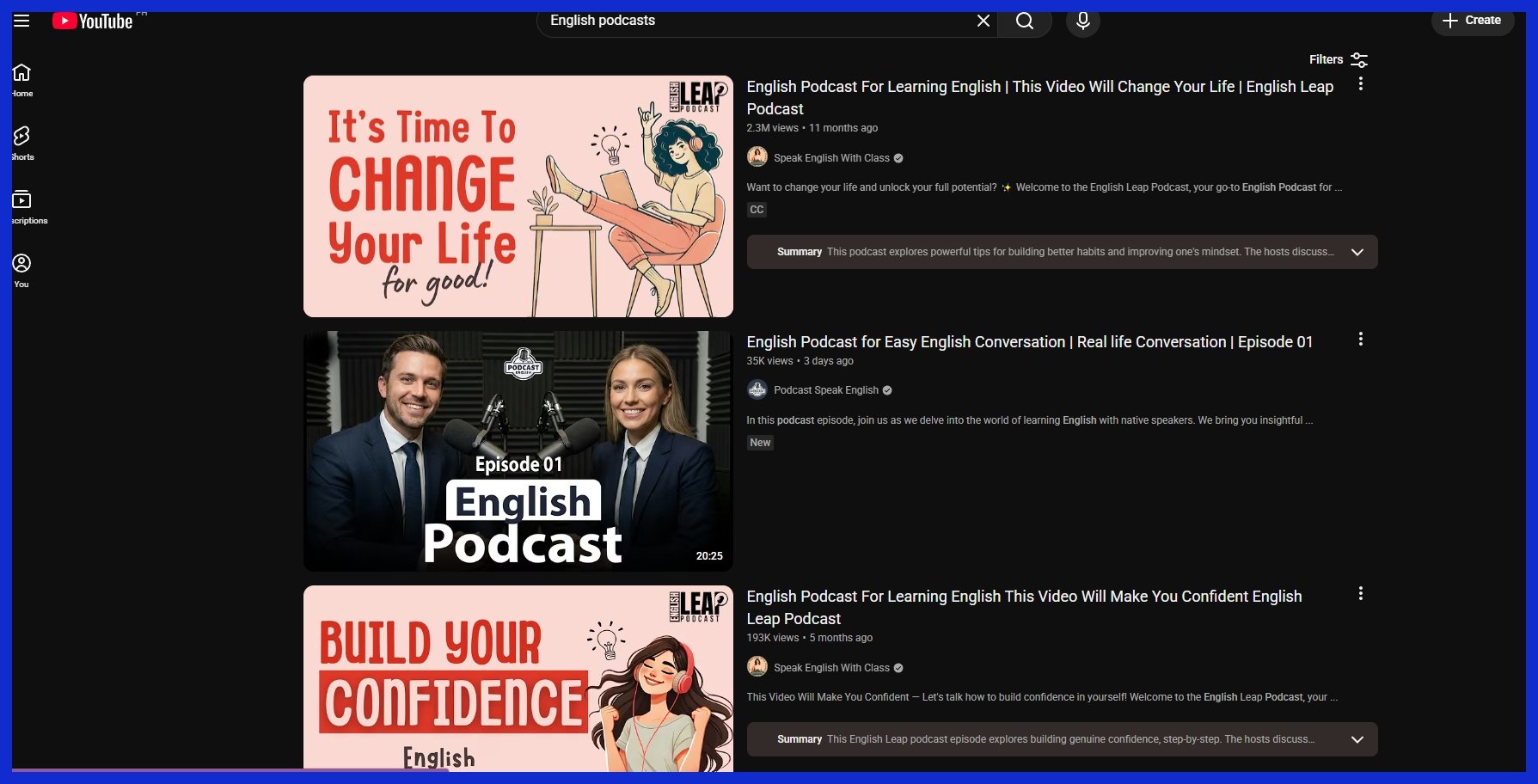
Niche educational channels like English podcasts ($11.88 RPM), literary podcasts ($9.15 RPM), or betrayal and revenge ($12.82 RPM) attract dedicated audiences who are high value. These creators profit from longer videos, which permit more mid-roll ads and higher RPMs.
Something different, like book deep-dives or total immersion language lessons, makes the winning channels stand out. Specializing in less saturated subjects lures loyal viewers and top-shelf advertisers.
7. Hyper-Specific, Low Competition Niches
Hyper-specific topics such as emergent senior care technology or cross-niche collaborations, for example, expat real estate finance, lowers competition and fosters audience loyalty. Geographic targeting matters.
Focusing on the US and UK can increase RPM by three to five times. As trends shift, venturing into fresh intersections, such as AI for wellness, keeps content future-proof and relevant.
Uncovering Low Competition Niches
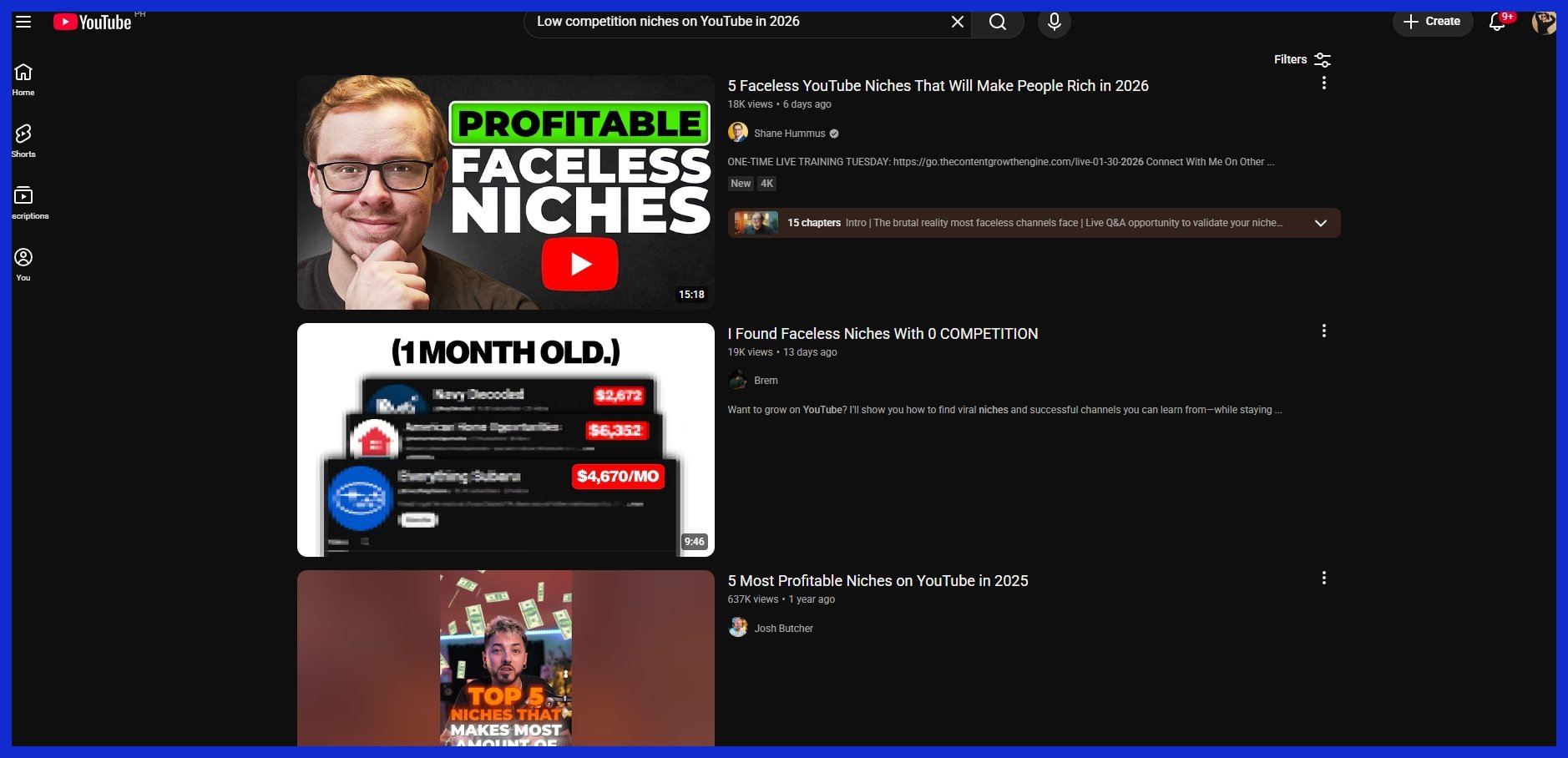
Low competition niches on YouTube in 2026 are a treasure trove for anyone savvy enough to find them. Channels in these spaces frequently see RPMs of $6 to $11, particularly when audiences are active and stay for the headend. The trick is not simply identifying a space with search demand. It’s about going where there aren’t already hundreds of copycat channels spewing the same content.
For new creators, these neglected nooks present genuine openings, particularly when you’re prepared to grind through the research and endure longer than the typical aspirant.
Niche Intersections
When you combine two or more niches, you create hyper-specific content that pops. Think for instance, ‘urban gardening for remote workers’ or ‘tech gadgets for mindful productivity’ — intersections not many have yet ventured into. These hybrid topics reduce competition because they cater to a smaller group with specialized interests, organically developing a dedicated following.
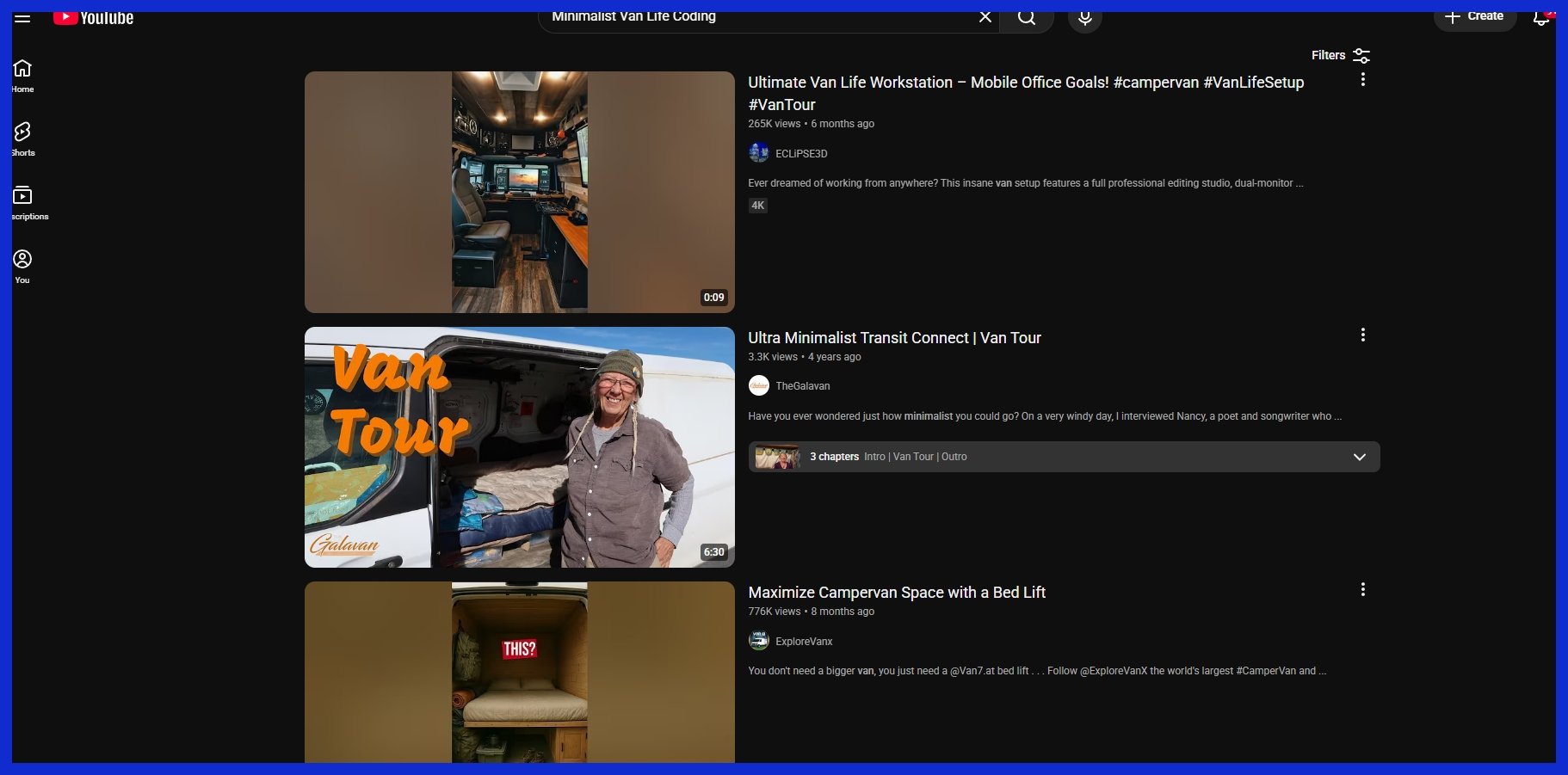
Viewer engagement metrics for channels, longer watch times and repeated visits, tend to beat generic stuff. Consider channels such as “Minimalist Van Life Coding,” which mix travel, lifestyle and tech, catching the eyes of audiences that identify with that special combination.
To discover your intersection, plot your interests and skills, then explore search demand with tools like vidiQ. If you can envision doing 20 videos in that space, you’re in the right zone.
Hyper-Specific Topics
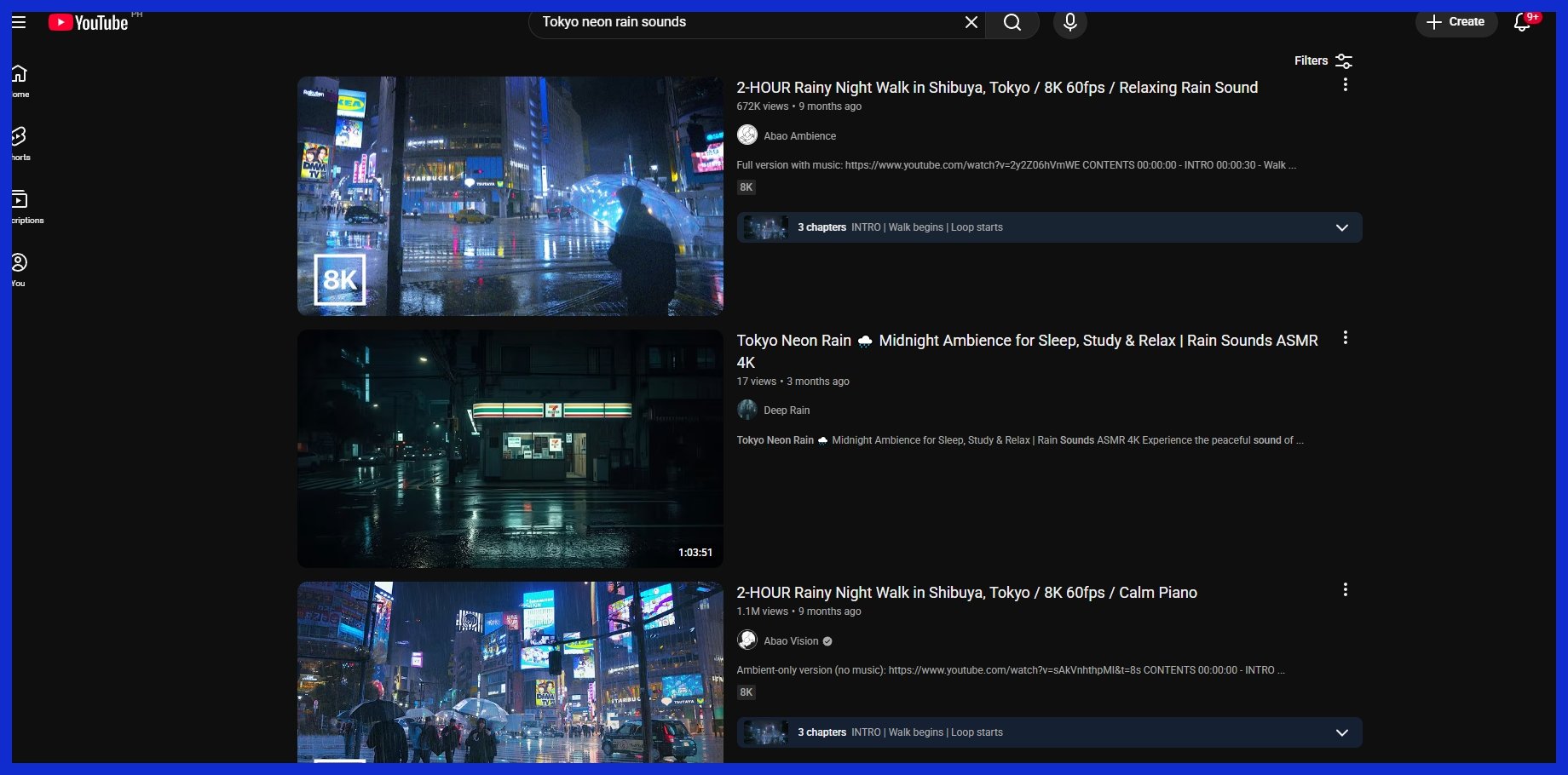
These hyper-specific sub-niches, like “Tokyo neon rain sounds” or “urban garden ambience” thrive because so few channels address them. These topics require high research and originality, but the payout is low competition and high advertiser demand. Faceless channels thrive here.
Consider screen recordings, AI voiceovers, or Shorts featuring fast hacks. A few creators in sub-niches such as “trading app tutorials” monetize in as little as two to four months. The secret is consistency and a willingness to produce a steady stream of focused content.
Validate your idea by confirming search volume and that you’re not simply chasing a fad.
Future-Focused Content
To maximize revenue, optimize your videos for retention by using engaging hooks, clear visuals, and interactive elements like polls or comments. Don’t just depend on ad RPM. Diversify your income with premium guides, affiliate links, and memberships.
Channels that regularly engage their audience through community posts or replies to comments retain more and therefore profit more. Even when growth still feels slow, low competition niches reward persistence. Countless creators are humbly building sustainable, lucrative channels as competitors give up or drift away.
Maximizing Your Channel’s Revenue
A clear content plan is the foundation of any high-RPM YouTube channel in 2026. The RPM, or revenue per mille (in this case, per 1,000 views), tells you how much you make from all monetization sources—not just ads. Niche matters—personal finance, real estate investing, and stock analysis attract much higher RPMs ranging from $6 to $25 or more than generic niches like fitness or wellness.
A consistent upload schedule breeds trust, and smart ad placements along with knowing your audience ensures that you squeeze maximum value from every view.
Content Strategy
Engagement is important. Channels that promote comments, polls, and discussion build loyalty and watch time. Engage your viewers with pinned questions, respond to comments, or even feature insightful comments in upcoming videos. Community building is more than just uploads.
Think regular livestream Q&As or member exclusive content. Leading finance and tech channels, for instance, regularly host weekly “news roundups” or “ask me anything” (AMA) sessions, maintaining their communities engaged and connected. To maximize engagement, customize your calls to action. Encourage viewers to comment with their opinions or next topic ideas, or join memberships to your channel.
Audience Engagement
Multiple monetization options exist: ads, affiliate links, sponsorships, digital products, and memberships. Just ads leave money on the table, particularly when RPM varies by niche and audience geography. Smart creators diversify.
Personal finance and AI explainer channels often push affiliate products, such as trading platforms or software subscriptions, and secure sponsorships from fintech companies. Gaming channels frequently mix ad revenue with merch, Patreon, and live-stream donations so their income isn’t dependent on one stream. The most robust channels combine multiple revenue streams for sustainability and growth.
Monetization Streams
Faceless content provides privacy, flexibility, and scalability. Animation, AI voiceovers, and stock footage befit niches such as finance, tech explainers, and news commentary. Automation tools simplify production.
Script generators, AI voice, and video editing software allow you to post consistently without appearing on camera. Concentrate on crisp images and succinct commentary to maintain videos interesting. Finance channels, for instance, nail it with charts, voiceovers, and dynamic graphics, hitting high RPMs while staying anonymous.
The Faceless Creator Advantage
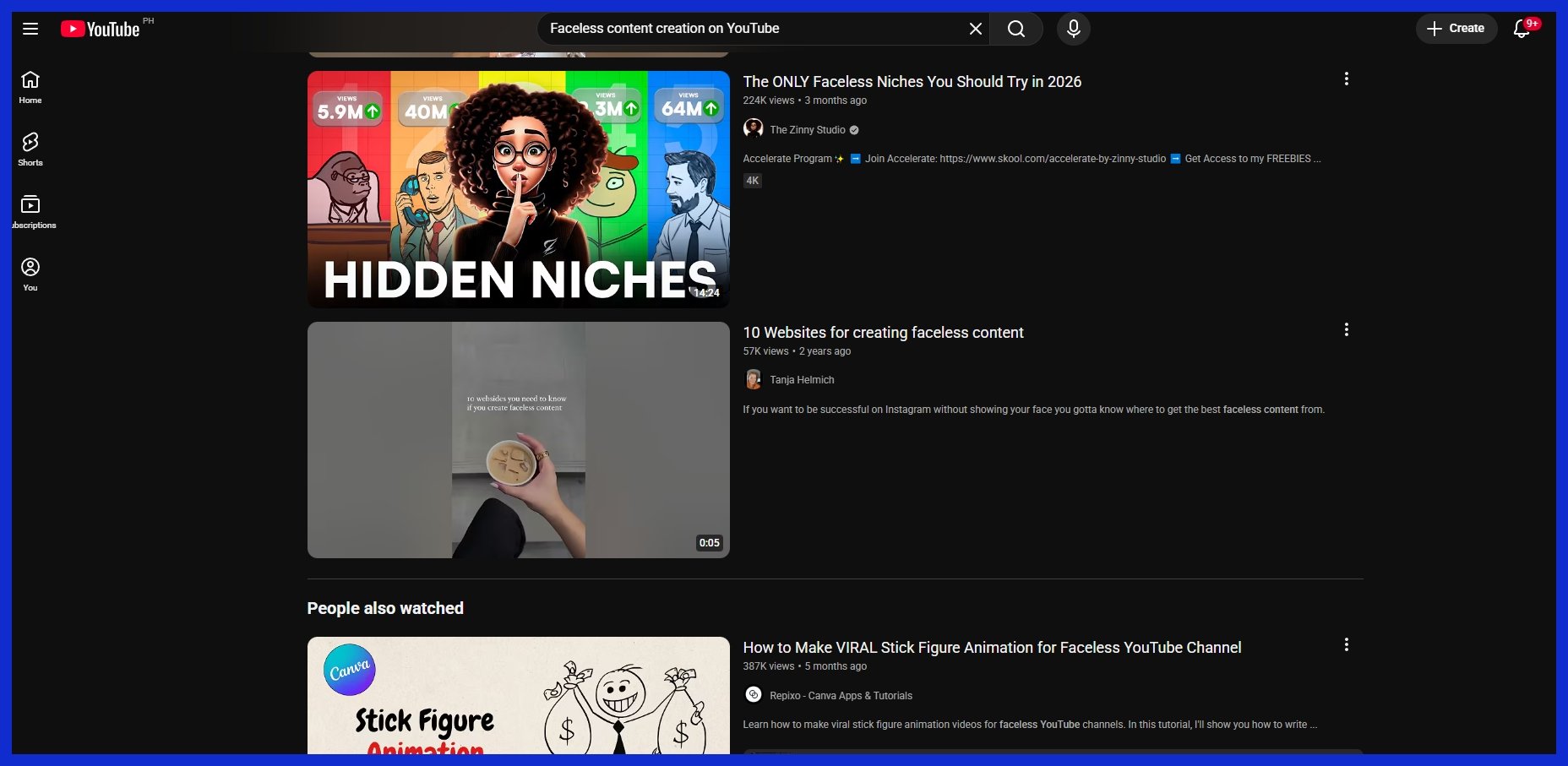
Faceless content creation on YouTube is no longer a trend; it’s a business model. Hot niches such as finance, tech reviews, personal productivity, gaming, and software tutorials have strong RPMs for faceless creators. These are industries that advertisers flock to and where the audience cares more about the quality of information than personality.
Channels such as “TechGumbo” and “Investing With Rose” prosper with voiceovers, screen recordings, and AI narration, demonstrating that charm is not necessary. The result is that creators can run multiple channels, automate production, and build digital assets that generate income without the need for personal branding.
High-Value Niches
Automating content creation is the soul of faceless YouTube triumph. Thanks to tools like Pictory, Synthesia, and Descript, creators can produce scripts, voiceovers, and even video edits without ever touching a camera. Automation provides consistency, with no more missed uploads or burnout, and it allows for scalability.
Yet automation is not a shortcut to crappiness. Quality needs to remain high, so check AI-generated scripts for accuracy and relevance. To begin, pick a niche with high advertiser demand and low competition, employ screen capture software, and embrace AI editing to speed post-production while maintaining the viewer experience.
Automation Potential
Scaling content demands a delicate equilibrium between quantity and quality. The savviest faceless channels concentrate on batch production, recording and editing multiple videos at a time, while monitoring analytics to prevent quality slumps as volume goes up.
Channels such as “Practical Wisdom” or “Infographics Show” continue to keep healthy watch times by emphasizing research, scripting, and clear visuals. Scaling up broadens audience and monetization opportunities, but never pursue volume over value. Construct systems, not mere playlists.
Scaling Content
Algorithm changes and new trends can throw a wrench into even the most steady channels. Faceless creators must adapt rapidly. See what’s working, update thumbnails, keywords, and try new video types.
Branding is important, and a uniform intro, distinctive style, and recognizable logo make your channel memorable even without a face on screen. Branch out to TikTok or Instagram as well. For the long haul, plan monthly audits of your strategy, diversify your content themes, and always prioritize watch time and retention.
Future-Proofing Your YouTube Channel
YouTube’s 2026 landscape is one of relentless algorithm updates and shifting user behavior. Keeping up with these changes is especially important for creators targeting high-RPM niches such as personal finance, law, and digital marketing, who enjoy CPMs of $12 to $22 per 1,000 views.
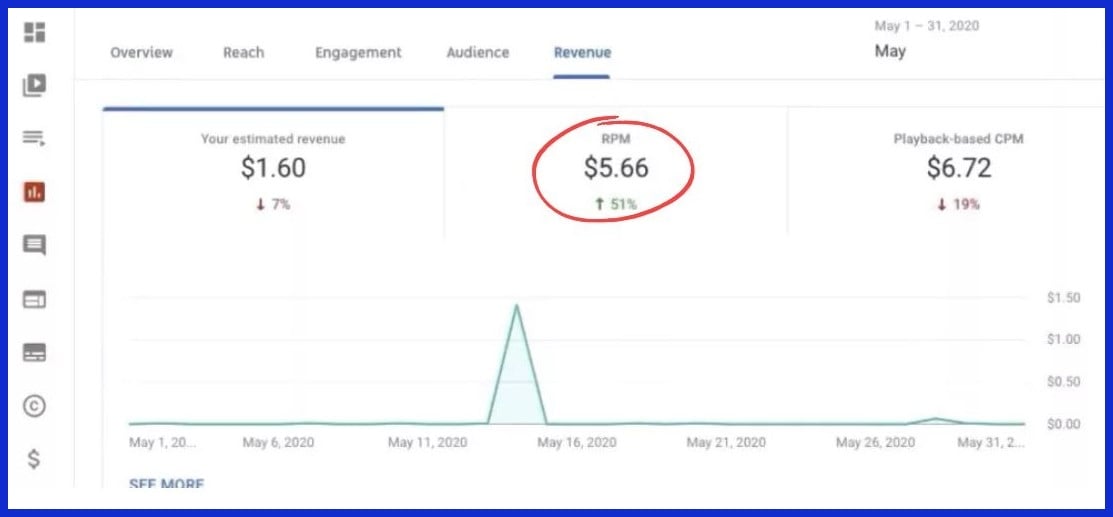
The difference between CPM and RPM matters: CPM is what advertisers spend, and RPM is what you keep after YouTube’s 45% cut. Data-driven discovery based on analyzing real-time channel performance allows you to recognize high-potential outlier videos, identify trends, and future-proof your revenue stream.
Adapting to Algorithms
Building a brand identity is the foundation of channel future-proofing. As algorithms reward consistency, a recognizable visual style, reliable posting cadence, and clear voice indicate trustworthiness to viewers and YouTube’s backend.
Good branding isn’t about logos—it’s when people immediately get the gist, whether it’s tales of betrayal and revenge, which is the highest RPM right now at $12.82, or soothing sound therapy.
Graham Stephan (finance) and LegalEagle (legal) work so well because their channel branding plays well with the algorithm’s favoring of authority and expertise. Brand strength grows loyalty, meaning viewers engage, come back, and share, which increases watch time and eventually revenue.
Building a Brand
Branding is more than a slick banner or catchy channel name. It’s about talking the same language on every video, every thumbnail, and every interaction.
Memorable branding means viewers think of your channel when they’re not watching. A great example is that English learning podcasts with clear, consistent theming have reached RPMs of $11.88, outperforming many entertainment channels.
Regular branding makes people engage more, and algorithms like that! It promotes off platform sharing, fortifying organic reach.
Diversifying Platforms
To depend on YouTube alone is a risk. By expanding to Instagram, TikTok, or podcast networks you insulate against algorithm hiccups.
Cross-promotion, posting snippets or linking newsletters, will multiply your audience, particularly for low-competition niches like Jungian psychology or veteran kindness tales.
For creators, the takeaways are things like repurposing your YouTube into blog posts, shorts, or audio. This multi-platform strategy establishes brand longevity, diversifies risk, and creates new sources of income while cultivating fan engagement.
Conclusion
Going deep in top RPM niches on YouTube 2026 is work smarter, not louder. The terrain continues to shift, but the fundamentals remain steadfast. Understand your metrics, identify underserved subjects, and create conten that engages viewers and appeals to advertisers. Faceless channels and low-competition spaces open real doors for creators looking to expand without exhaustion.
Future-proofing a channel has less to do with chasing trends and more to do with diving into research—tools like SERPninja can help uncover those hidden opportunities—and remaining adaptable. YouTube rewards substance and persistence, not sizzle or buzz. Treating your channel as a business and being very attuned to your RPM and what your audience wants will position you well for consistent, long-term revenue growth.
Frequently Asked Questions
What is RPM on YouTube?
RPM, or Revenue Per Mille, reflects your earnings per thousand views, including ads, channel memberships, and Super Chat, crucial for understanding youtube niche profitability.
Which YouTube niches have the highest RPM in 2026?
In 2026, profitable YouTube niches like finance, technology, health, and business channels are expected to have the highest RPM, attracting advertisers willing to pay a premium for targeted viewers.
How can I find low-competition, high-RPM niches?
Find trending topics within profitable YouTube niches with minimal producers. Utilize keyword tools for search volume and competition analysis to discover profitable YouTube niche ideas.
Can faceless channels earn high RPM?
Yes, faceless YouTube channels can achieve high RPM too! Good material and valuable information are what count, as audience retention and advertisers prioritize content over seeing your face.
What strategies help maximize YouTube revenue?
Create regular, awesome videos while focusing on profitable YouTube niches. Optimize your titles and descriptions for SEO to enhance viewer interaction and boost income.
Why should I future-proof my YouTube channel?
Trends and policies change frequently, making it essential to explore profitable YouTube niches. Future-proofing ensures your channel evolves with new subjects, viewer demands, and revenue options, which make your income resilient.
Is RPM the same as CPM on YouTube?
No, RPM and CPM are not the same thing. While CPM refers to what advertisers pay per 1,000 ad views, RPM indicates your actual revenue per 1,000 views from all sources, crucial for understanding youtube niche profitability.


