

Key Takeaways
-
Not Provided is the missing link in organic search, meaning you can’t view the keywords that send your visitors to your site.
-
This started for privacy reasons, particularly once search engines encrypted searches.
-
The absence of keyword information renders conventional SEO approaches based on monitoring specific search terms obsolete.
-
Other tools such as Google Search Console, landing page analysis, and internal search can go a long way in filling data gaps and providing insights.
-
By emphasizing audience behavior and technical signals, we gain new methods for honing our content and understanding intent.
-
This marketing mentality beyond keywords is what keeps you flexible and competitive in the shifting digital landscape.
‘Not Provided’ is about a common occurrence in web analytics where keyword information is obscured from website administrators, usually as a result of privacy protocols by search engines such as Google.
Rather than reporting the specific search terms users entered, analytics tools report ‘not provided’ to safeguard user privacy.
Grasping how ‘not provided’ affects marketers who depend on keyword insights to inform SEO strategies and monitor site performance is crucial.
The “Not Provided” Meaning
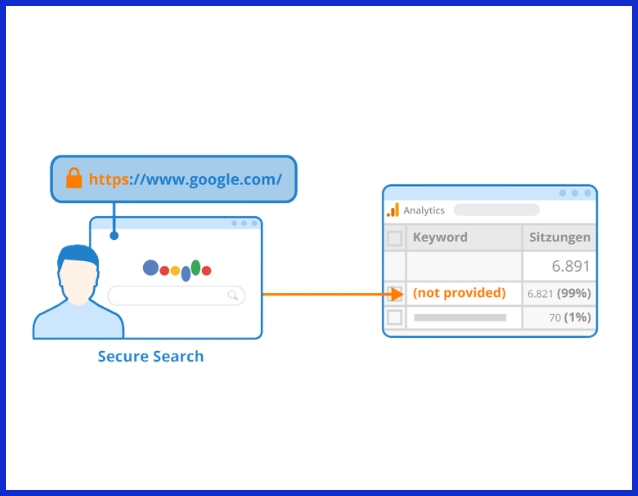
That ‘(not provided)’ is a rock star in the land of digital analytics, adored by anyone marinating in SEO. It appears predominantly in Google Analytics, behaving like a vault where important keyword information is concealed. It’s a label that shows up in reports when Google decides not to share keyword data with websites.
For marketers, particularly those depending on organic search intelligence to optimize strategy, ‘(not provided)’ is at once annoying and a caution about internet privacy’s shifting terrain.
1. The Definition
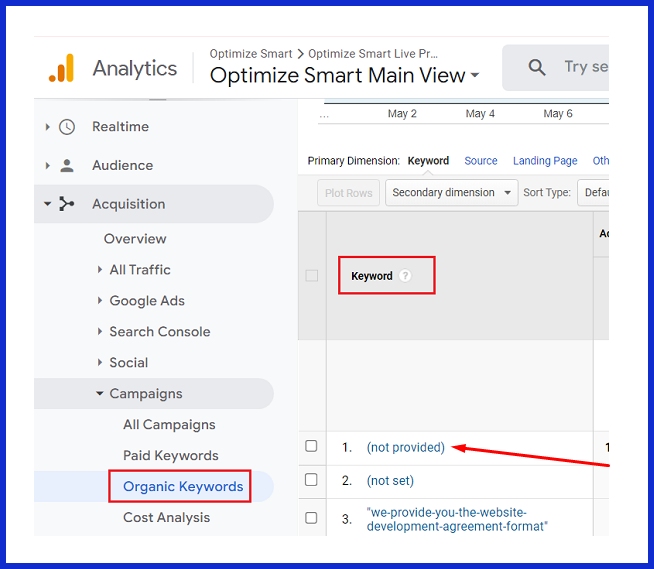
(Not provided) in Google Analytics represents a keyword search that is hidden from the website owner. Rather than disclosing which terms delivered a visitor, Google shrouds the information in this phrase. For optimizers, this implies the direct query to the landing page pipeline is masked.
If a user searches “best online casino Canada” and clicks through, the website might never know the specific phrase, only that the traffic came from Google. The tag basically says, ‘we’ve got the info, but you can’t have it.’ This is not the same as “not set,” which usually denotes missing data or unassigned data in other parts of analytics.
2. The Origin

The origins of ‘(not provided)’ date all the way back to 2011. Google launched an encrypted search for logged in users, so search queries went over HTTPS. Consequently, those queries were hidden from web analytics to protect user privacy.
Over the years, this protection grew. By 2025, nearly all organic keyword data is obfuscated, forcing companies to depend on alternative cues. A lot of digital marketers witnessed the share of ‘(not provided)’ ascend to 10%, then 50%, and up to 97%, some reports cited of search traffic. What began as a little privacy tweak is now the new normal.
3. The Rationale
Google says it’s about privacy. By not passing search queries to site owners, the company aims to protect users’ identities and search behavior. The logic is clear: encrypting queries helps prevent misuse of sensitive information.
This choice leaves site owners and agencies with a data void. The reasoning is based on increasing attention to data security and international privacy regulations. To visitors, it’s a cloak; to researchers, it’s a barrier. Marketers have to figure out ethical workarounds, like examining landing pages, instead of depending on fine-grain keyword reports.
4. The Scope
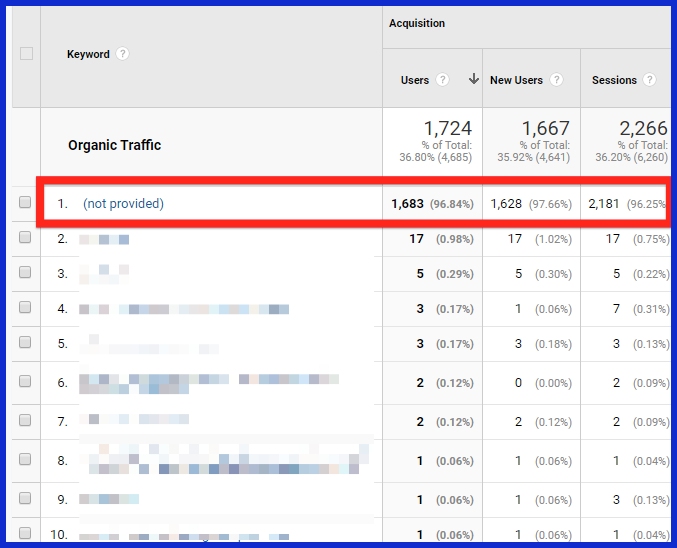
The extent of (not provided) is close to 100% for organic search in Google Analytics. Any site monitoring natural search will see virtually all of it marked as such. This isn’t only about businesses here or there; this is global.
For SEOs, this makes it more difficult to quantify what keywords lead to conversions, leads, or sales. A few attempt to reverse-engineer intent by matching landing pages with searcher requirements, but it’s anything but ideal. This shift affects reporting to stakeholders, as it becomes more difficult to show the ROI of SEO campaigns with exact figures.
Impact on SEO Strategy
The “not provided” problem is compelling SEO’s to rethink how they measure, adapt, and prioritize their strategy. Without direct access to organic keyword data, teams must resort to indirect metrics and creative analysis to generate impact. Knowing these impacts is critical for any global business trying to compete on search engines where visibility, intent, and quality can make or break results.
Keyword Tracking
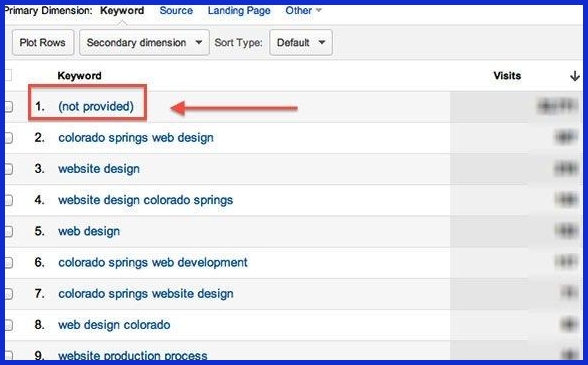
Keyword tracking is the heart and soul of SEO. ‘Not provided’ creates a glaring hole. Instead of knowing what particular keywords bring organic traffic, we receive a very partial view. Teams make up for this by relying on Google Search Console and third-party tools, as well as landing page data, to determine what people are searching for.
This strategy is effective. It adds a level of uncertainty that requires more testing and iteration. The upside is that it encourages marketers to move away from raw keyword counts and more toward the quality and intent behind those searches. A single quality link from an authoritative industry site, for instance, can trump dozens of irrelevant backlinks. Likewise, the same volume applies to keywords.
Content Performance
‘Not provided’ makes it harder to track what pages exert the most organic muscle. Instead, marketers consider user engagement, bounce, and conversion data. Google Analytics can tell you which pages convert best, but lacking exact keywords, you’ll need to figure out content themes, refresh articles with new stats, and repurpose evergreen posts every few months.
Sites that continually update and improve their content do seem to maintain their rankings longer. The real trick is to focus on what matters: content relevance and intent. There’s research now showing that user intent has a way bigger impact than keyword density or word count. A one-spot climb in rankings can increase your click-through rate by more than 30%, which highlights why continued optimization is vital.
User Intent
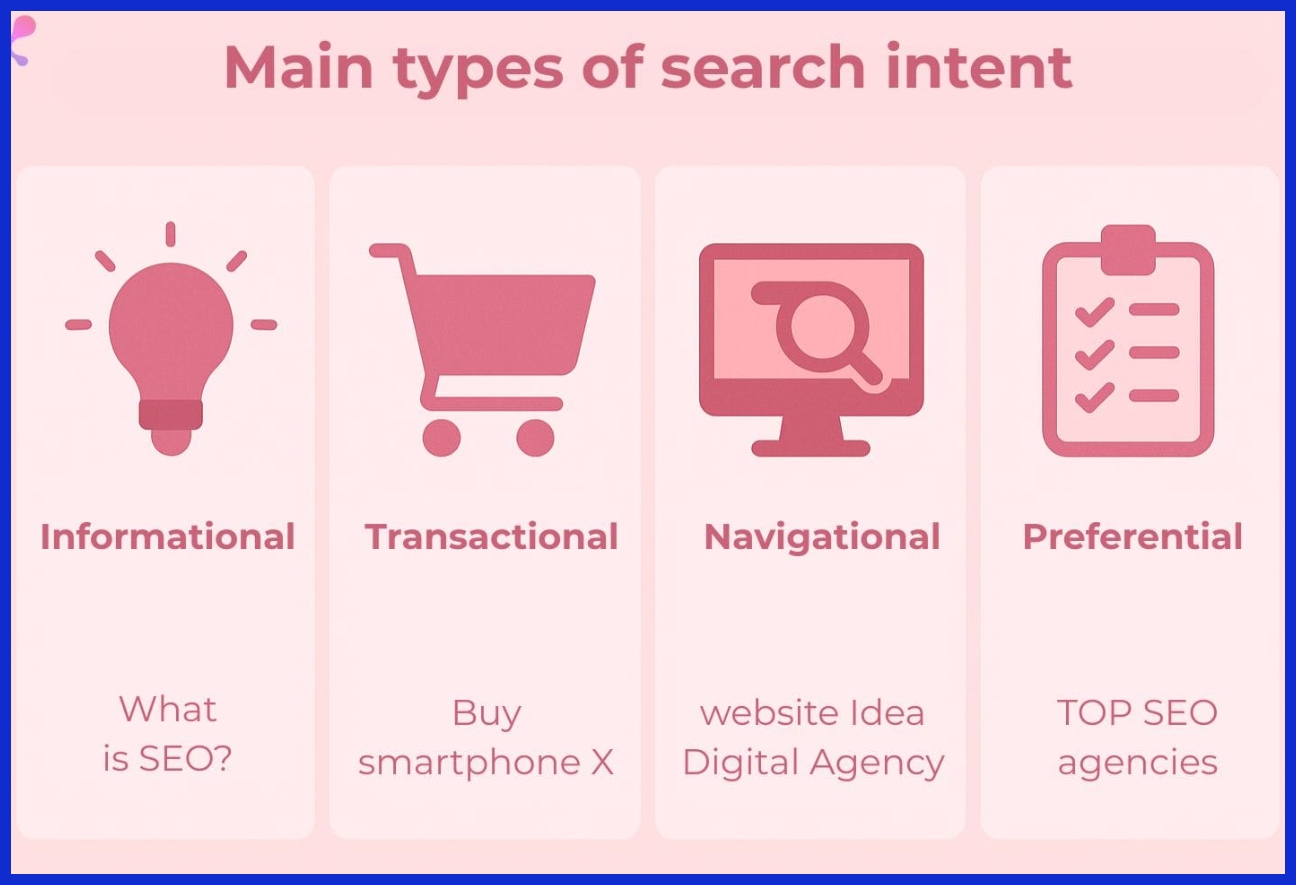
User intent is the linchpin of any SEO campaign. They fall into four primary categories: informational, transactional, navigational, and preferential. Absent keyword data makes it more difficult to identify precisely what users are after. This situation fosters greater attention to intent signals and behavior.
Teams divide landing pages by intent type and then customize content accordingly. For local businesses, local intent optimization, including maps, reviews, and location-based queries, is mandatory. Here’s why this matters to your SEO strategy: with 75% of users never scrolling past page one, matching content to intent is the only way to reach them.
The highest-ranking sites do not merely pursue keywords; they predict and respond to what their readers are actually looking for, irrespective of what’s given.
Uncovering Keyword Insights
Keyword discovery is at the heart of the current SEO strategy. Knowing what users are typing before they land on your site reveals the ‘why’ behind the click. Since 2013, when Google encrypted all search queries, digital marketers have faced a real challenge: “not provided” data. This pivot demanded a fresh strategy that combines various tools and datasets to compose a comprehensive snapshot of user intent and search success.
Search Console

Google Search Console is the obvious choice for keyword information. It reveals what queries activate your pages, how many impressions there are, and the actual clicks. Search Console doesn’t disclose all keywords, particularly for users whose queries are shielded by privacy, but it provides a solid foundation.
Click-through rates and query impressions can identify what topics resonate most with your audience. Pairing this with other analytics platforms like Google Analytics or third-party SEO tools often completes the picture, exposing search trends and content that is underperforming.
With years of encrypted search data ahead, Search Console is more important than ever to identify how user behavior is shifting and optimize in real time.
Landing Pages
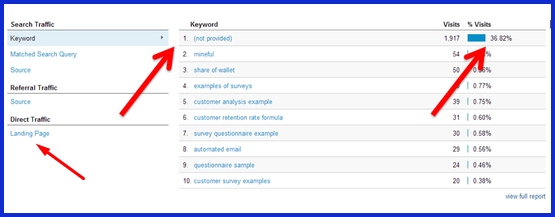
Landing pages serve as a proxy for lost keyword information. You don’t always see the exact search term. Looking at what landing pages get organic traffic helps identify likely queries.
Let’s say, for instance, that a certain product page experiences a spike in organic visits. Checking the page content will expose likely high performing topics and keywords. Combined with Search Console query reports, landing page analysis reveals gaps, revealing where users land and what terms your keyword targeting might be missing.
Marketers, in other words, use this data to clean up content, adding or highlighting keywords that reflect actual user behavior. This approach isn’t foolproof, but it’s pragmatic given a lack of complete search transparency.
Internal Search
Internal site search is a treasure trove of intent data. Visitors will typically search on your site for key products, services, or information. Looking at these asks you precisely what visitors desire but might not stumble upon right away.
Site search analytics inform and help prioritize new content. They help clarify navigation issues and even inspire new keyword targets. For instance, multiple queries for “bonus terms” on a casino site could indicate ambiguous policy pages.
Paid Search
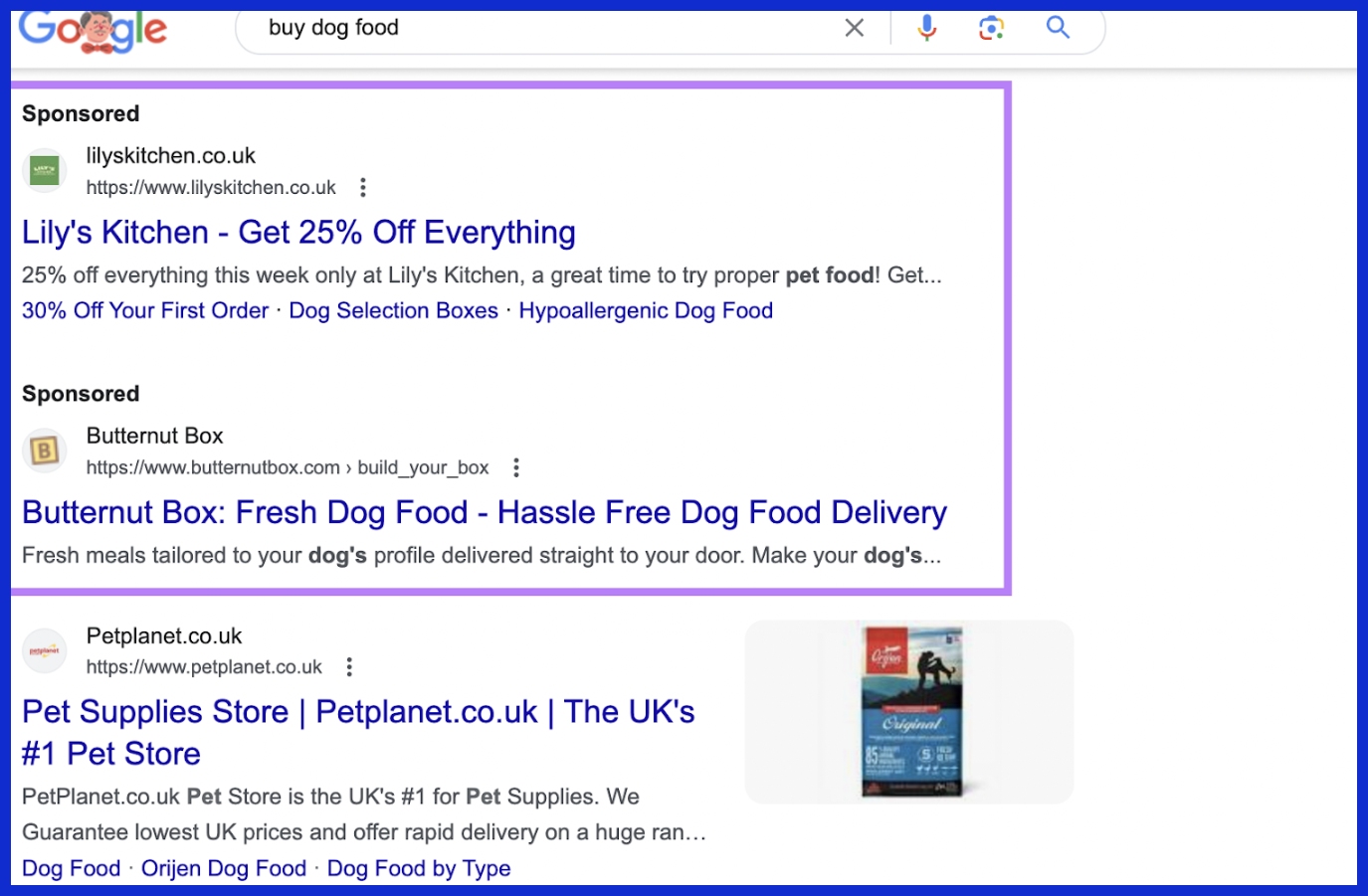
Paid search campaigns like Google Ads still provide keyword-level insights. Advertisers see search queries that caused ads to display and be clicked on. This information is particularly useful because organic search keywords are not exposed.
Third-party tools and ad platforms assist you in estimating search volume, measuring traffic potential, and testing keyword concepts before deploying organic content modifications. Integrating paid and organic data tends to reveal holes in keyword coverage and measures ROI for terms.
This two-pronged strategy is now typical for advanced SEO strategies seeking the most comprehensive keyword view.
Alternative Analysis Methods
When “not provided” closes the direct route to data, you find detours. These methods require time, foresight, and ingenuity. There’s more than one way to skin a cat and in SEO, that means drilling down into any and all signals, patterns, and tools at your disposal to find the answers you seek.
The focus here is understanding audience behavior, technical signals, and what competitors are up to. Each lens provides a unique vantage point, enabling teams to construct a common vision and make intelligent choices.
Audience Behavior
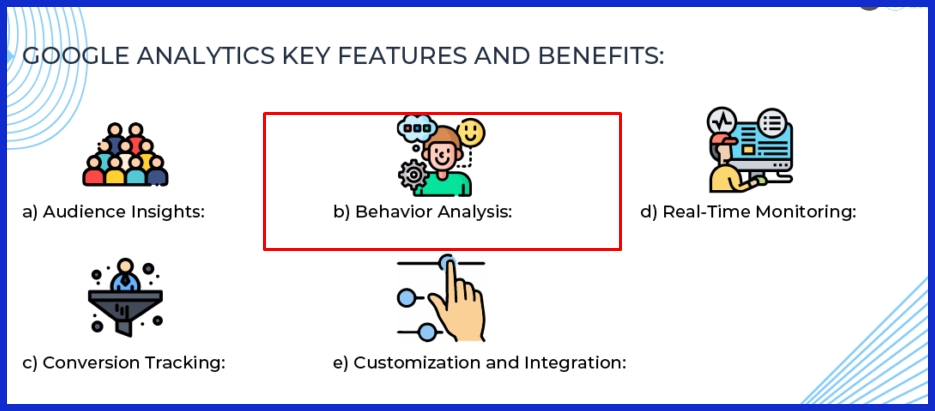
With analytics platforms, heatmaps, and event tracking, marketers can clearly observe how users engage with their site. This is not direct keyword data, but landing page performance, conversion paths, and user journeys.
They uncover which pages garner visits, where people abandon, and what triggers conversions. Gantt charts and calendars can assist in planning campaigns and tracking changes in audience engagement over time.
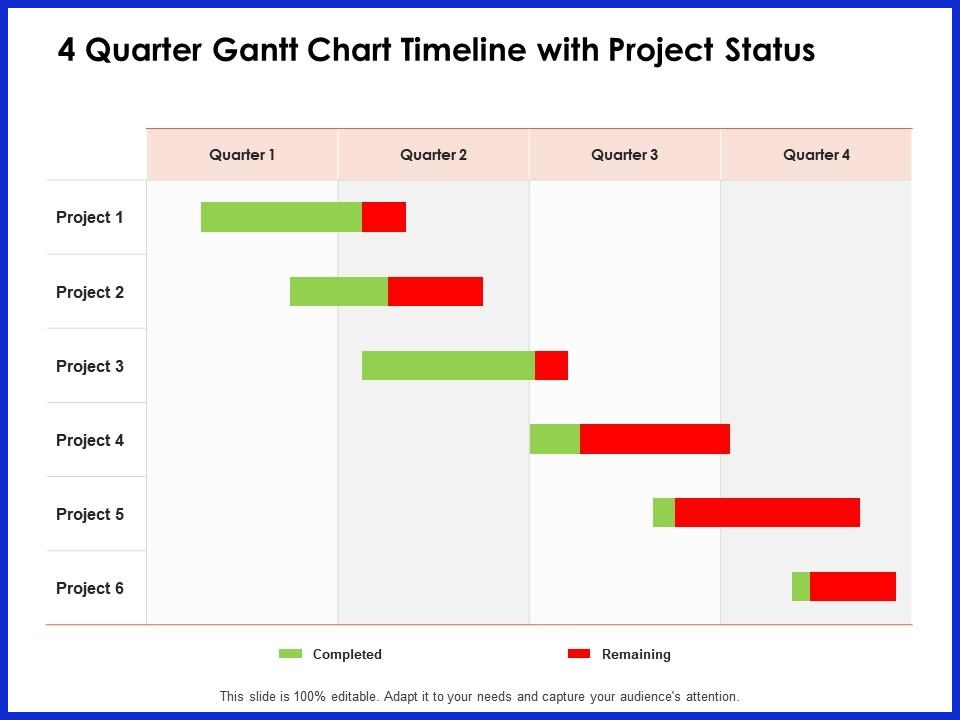
Structuring feedback and behavioral data in task lists or kanban boards enables teams to more easily identify patterns and promptly pivot when something clicks or flops. Shared dashboards keep everyone on the same page about what’s working, even when keywords get masked.
Competitive Analysis
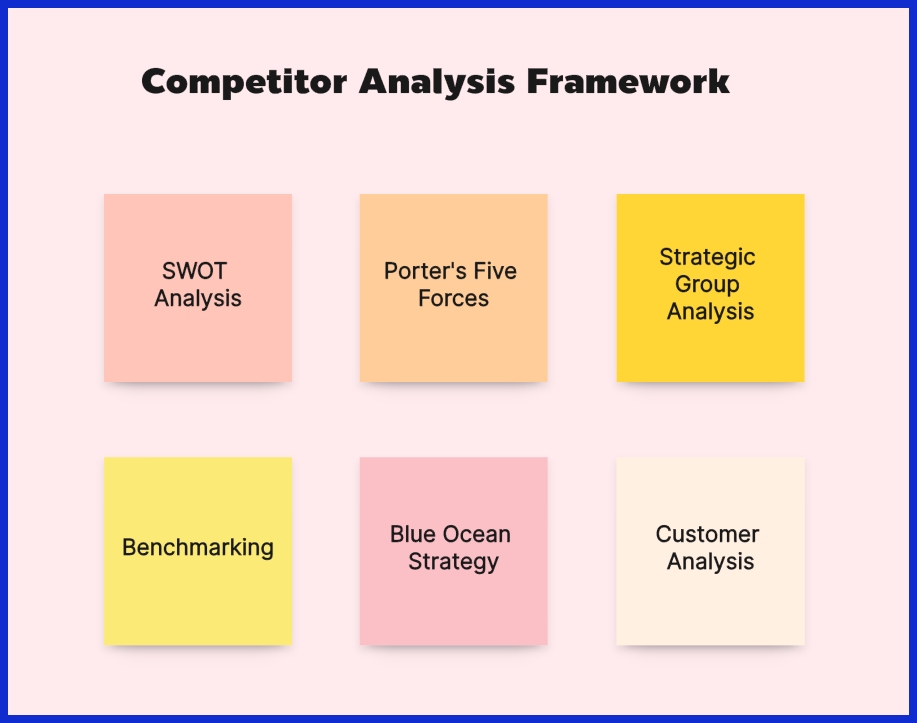
Competitive analysis is the third leg of the stool. If your own data is obscured, glancing over the fence at competitors provides hints. Examine their backlinks and visible keywords using SEO tools.
See how your site and performance measure up against theirs to find new opportunities and gaps. Are you targeting markets you’ve overlooked? What content formats are they pushing? Which backlinks bring them the most authority?
These options are careful planning and allocation of resources. A common kanban or project calendar allows teams to coordinate competitive research, task assignments, and synthesis.
Alternative analysis in competitive strategy is iterative. Consistent check-ins and tweaking keep your campaigns incisive and flexible.
Conclusion
Taking a step back, the ‘not provided’ challenge pushed everyone in digital marketing to step up. No more lazy keyword info; it’s intent-based, real user behavior and every single click matters. Smart marketers moved beyond obsessing over single keywords and started focusing on the bigger picture: better content, smarter site structure, and audience needs. Tools and techniques continue to change, but the fundamental objective remains getting the right message to the right people. Adaptability, curiosity, and a willingness to experiment will take you far. That’s how new SEO operates. The landscape may shift, but the brands who lean in and stay curious always figure out a way to win, especially when supported by teams that prioritize strategy and clarity, like SERPninja.
Frequently Asked Questions
What does “Not Provided” mean in Google Analytics?
‘Not Provided’ refers to the keyword data Google conceals when users are logged in. This safeguards user privacy and severely restricts the search terms you can see that are driving traffic to your site.
How does “Not Provided” affect SEO strategies?
It complicates keyword attribution for organic traffic. Marketers will have to rely on alternative data to understand user intent and optimize pages.
Can you still find out what keywords visitors use?
It lacks direct keyword information. You can extract keyword insights by combining GSC, third-party SEO tools and landing page analysis.
Are there alternative ways to analyze website traffic?
Specifically, you can at least analyze landing page performance, see impressions and clicks in Google Search Console, and follow general organic trends to gain some search insights.
Why did Google start using “Not Provided”?
Google implemented ‘Not Provided’ as a way to secure user privacy while searching, particularly when they’re signed into their Google profiles.
What is the future of keyword analysis in SEO?
SEO is trending toward intent and behavioral understanding, relying on broader data sets rather than individual keywords.
How should marketers adapt to less keyword data?
Marketers should emphasize content, experience, and holistic site metrics. They should leverage different tools and data sources to build effective strategies.


