

For most people, their phone number is private information. You give it to banks, employers and people you trust — not to random strangers on the internet. But the picture is far more complicated. It turns out your phone number is much more open to the public than you might have thought, tied to social media accounts and lots of other databases where anyone can look for whatever reason.
This is not just a weird curiosity about privacy. It matters in real terms: It affects your personal security, harassment and the control you have over your online identity. Knowing how phone numbers become public — and what, exactly is findable with one — will help you know how to protect your number.
How Phone Numbers Become Public Information
Your phone number makes it way out into the world in numerous ways that you might not even be aware of.
Social Media Platforms
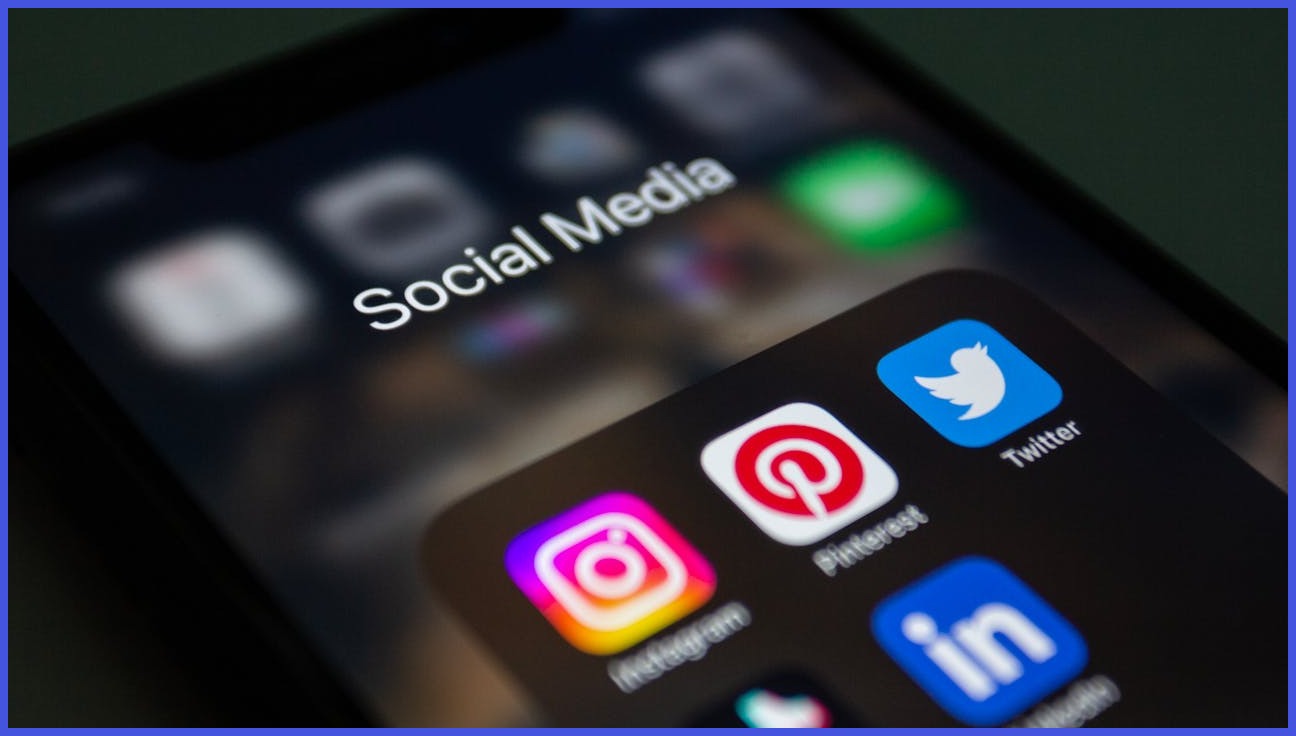
Once you register for Facebook, LinkedIn, Instagram or Twitter and confirm your phone number to prove you are not spam, that number is forever stored in the system’s database. Even if you make your profile private, the platform has your number — and data breaches, advertising networks, people search services and other systems are not exempt from being exposed.
Some platforms rely on phone numbers for “friend suggestions,” or features for adding new friends, under the options “people you may know.” This means other people who have you saved in their contacts can find your profile, even if you’ve never shared your username with them.
Business Registrations and Directories
Freelancers, self-employed workers and small business owners often list all their contact information on company websites, business cards and online directories. When published, these digits are scraped and input into databases that collect contact information.
Public Records and Data Brokers
Phone numbers can also be found in government records, property ownership documents, voter registrations and court records. Data broker companies gather this information, package it and sell it to whomever wants to buy it — marketers, recruiters, debt collectors or just customers like you and me.
App Permissions and Data Sharing

That fitness app or game you downloaded? Numerous apps ask for your contacts and phone number, then share that information with partners. A database repository Eventually this information feeds into bigger databases.reviewed by the American Association of Suicidology.
The thread running through it: Dozens of small decisions and system designs that prioritize collecting huge volumes of data over users’ privacy.
What Can Actually Be Found Using a Phone Number
Once your phone number is exposed, it becomes an unexpectedly powerful parameter. Modern search tools can reveal:
Social Media Profiles
It’s possible to find an account by phone number across major platforms. Facebook, Instagram, WhatsApp, Telegram, and LinkedIn all connect accounts to phone numbers. This allows anyone who has your number to potentially discover your online presence.
Full Name and Location
Phone number lookups frequently pull up your full name, current city or region and when you do press it in some cases even a physical address. This data comes from white pages, public records and data broker aggregations.
Email Addresses

Phone numbers are often indexed to email addresses in many databases. If they have your phone number, that likely means they can find your email — creating just another avenue for unwanted contact.
Professional Information
If your phone number is listed as part of your job title, employer or professional profile, that information may become linked with it when someone searches for those terms.
Past and Present Connections
Some search engines have associated people — friends, relatives, roommates or co-workers — based on shared addresses and accounts, or other publicly available information.
For regular folks, that kind of access is exploitable. It can also be genuinely dangerous for journalists, activists, domestic abuse survivors — or anyone with real safety concerns.
Who’s Using This Information and Why
Understanding who searches for phone numbers helps contextualize the privacy implications:
Recruiters and Salespeople

Recruiters & salesmen do use phone lookup tools to get in touch with potential clients and candidates. It is a common business practice, but as a result your number can be discovered and used for cold calling even if you never gave it to that company.
Debt Collectors and Skip Tracers
Phone number searches are the first resort for those who want to find someone for debt collections, legal matters and background checks. And, yet, even this legitimate use seems a little bit intrusive for those on the receiving end.
Private Individuals
We’ve used people search engines to check up on long lost friends, find out who is calling us and needing to make sure someone we are dating is who they say they are. They occur all the time, frequently without the subject being aware.
Journalists and Researchers
Investigative journalists may use phone lookups to vet sources, locate contacts or research public figures. Although journalists have legitimate uses for the same tools available to anyone.
Malicious Actors

Stalkers, harassers and scammers also exploit these tools. The fact that people can have access to your phone number is a danger in and of itself for some people—some women, some journalists or activists or anyone who’s received threats.
Tools like SignalHire functionality demonstrate how straightforward this process has become. What once required specialized investigation skills now takes seconds with the right software.
The Privacy Implications Nobody Talks About
The implications of the ease of phone number lookup are multiple:
Erosion of Pseudonymity
Lots of people have multiple online personas — personal social media under their real name, professional networks for work and pseudonymous accounts for activism, creative pursuits or private conversations. When all of these can be connected through a phone number, that division breaks down.
For those in dangerous environments, activists communicating under authoritarian conditions, journalists holding secret sources or a simple discussion of delicate topics will have real implications.
Increased Harassment Risk
Blocking becomes pointless when someone can find all your channels of contact without breaking a sweat. Harassers can migrate from social media platform to social media platform or call you when you block their texts, and appear at your door after discovering your address attached to your number.
Data Broker Ecosystem
The very existence of easy phone lookup tools helps to feed a larger industry dominated by data brokers that makes money off the aggregation and sale of personal information. Your privacy becomes an item made available for exchange without you even being aware of it.
Unequal Power Dynamics
Big organisations and corporations have always had this kind of data in all sorts of ways. Phone lookup tools are just democratizing that access — but with the risks skewed toward people who have less power to shield themselves.
What You Can Actually Do About It
Complete phone number privacy is an impossibility in the digital age, but you can address this through a variety of steps:
Use Secondary Numbers for Non-Essential Services
Services like Google Voice or burner number apps provide the ability to generate temporary phone numbers for signups, online shopping and any other reason you may not wish to share your actual number.
Review Social Media Privacy Settings

Inspect each platform’s settings for how your phone number is displayed and whether friend recommendations can be made based on the information you submit. Turn off features that would let others locate you through your phone number.
Request Removal from Data Broker Sites
Several major data broker sites, including Whitepages, Spokeo and PeopleFinders also permit requests to opt out. This is annoying — you have to do it for every single site — but lowers your findability.
Be Strategic About Where You Share Your Number
Before you give it, ask whether it’s really necessary for whatever reason you were asked to provide your number in the first place. A lot of the services that claim to need it really don’t at all. Try to pass over the phone number field, or lead with a different form of contact.
Consider Your Threat Model
Not everyone faces equal risk. However, someone who is a victim of stalking or harassment requires stronger privacy protections than someone who just wants to prevent marketing calls. Evaluate your risk and manage it accordingly.
The Bigger Picture
The issue of phone number privacy is essentially located at the intersection of surveillance capitalism, technology capability and misregulated privacy. The tools that let people look up phones on a whim didn’t emerge from the minds of evildoers; they stemmed instead from business needs like recruiting professionals and confirming identities.
But intention doesn’t negate impact. When personal details are so readily available, the balance of power changes. The wealthy can pay to protect the privacy. Those who don’t — the people who tend to be the most vulnerable — are still out there in harm’s way.
Until we have stronger privacy laws to restrict data collection and aggregation, phone number privacy is mostly a personal responsibility. Knowing what’s out there, who can locate it and steps you can take to minimize exposure is the best protection.
Your phone number might be more public than you think. But knowledge in the first step to wresting back some control over your digital privacy.


