


Key Takeaways
-
By building a niche site, you solve real problems for a focused audience and grow your authority and long-term value.
-
A few words to the wise — invest in quality, original content targeted to your niche. It’s what draws loyal visitors and builds your authority in your specialty.
-
Careful research and validation of your micro-niche help you stand out from competitors and improve your odds of success.
-
When you prioritize user experience with responsive design and fast loading speeds, people want to stick around, which helps fuel your organic growth.
-
Branching out your monetization tactics, like affiliate marketing and digital products, establishes several income streams and increases profitability.
-
Persistence, flexibility, and an obsessive eye on value are the keys to breaking through and growing with your niche website.
To build a niche website means creating a specialized online platform that targets a specific topic, community, or interest. A lot of DMBs and entrepreneurs build niche sites because they find they have a loyal following and tend to convert better.
It’s all about picking the right niche, knowing what your audience wants, and providing consistent value. This guide breaks down each essential step, empowering you to build a website designed for lasting success.
Why Build a Niche Website

A micro niche site isn’t just a digital side hustle; it’s a targeted asset built to address genuine issues, establish expertise, and generate sustainable economic worth. Unlike vast general sites, micro niche websites focus on a defined audience, making them efficient, focused, and frequently lucrative.
Solve a Problem
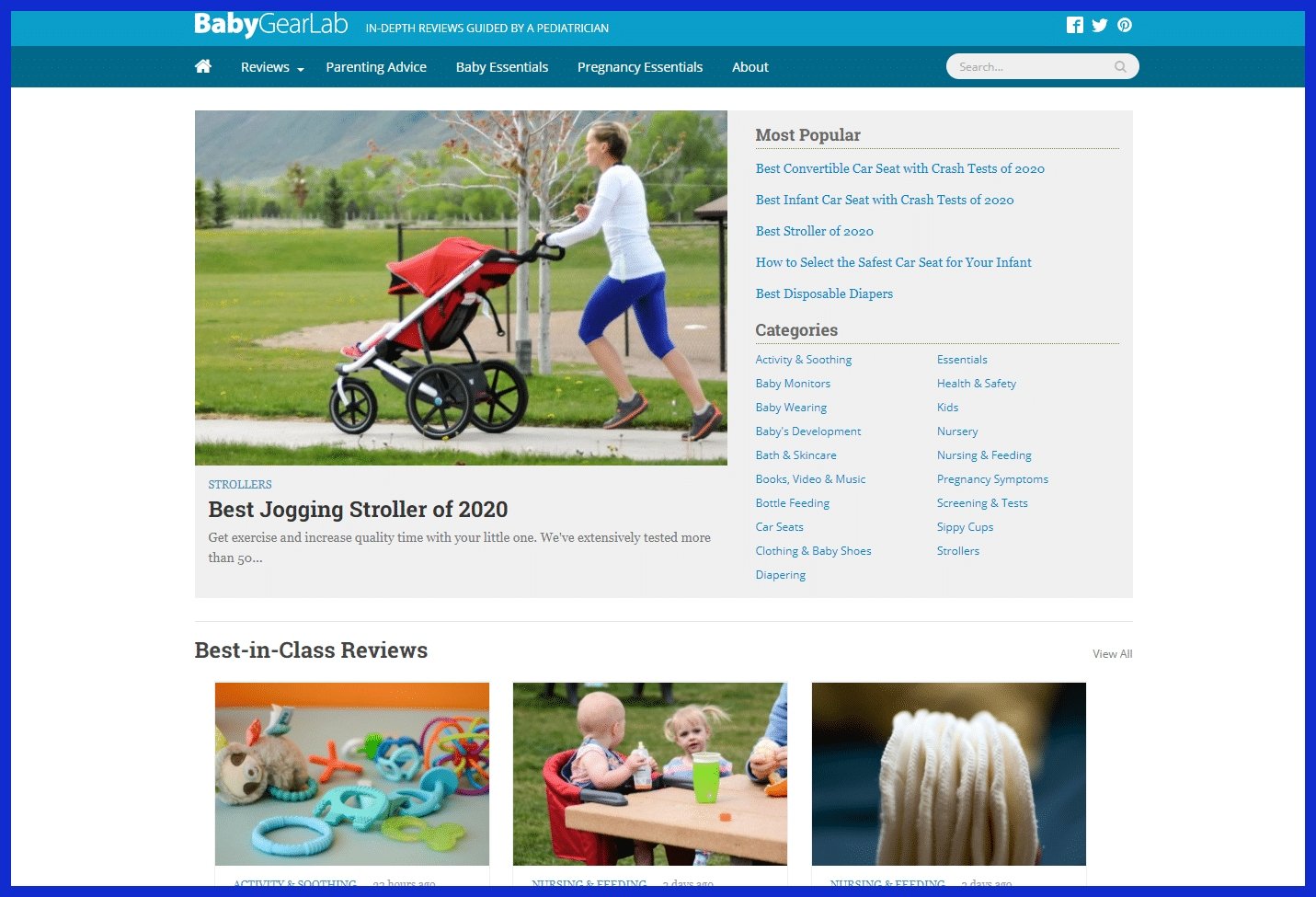
Maybe visitors can’t locate impartial reviews on cheap running shoes, or maybe they seek practical tips about cultivating succulents indoors. Regardless of the challenge, identifying these needs is the heart of your site. When you provide concise, practical how-tos or comparison charts, visitors linger, and confidence develops rapidly.
You’ll discover content that addresses specific pain points, such as fixing everyday technology glitches or providing recipe instructions for niche diets, is bookmarked and circulated. Engagement doesn’t end at publishing. Open up feedback channels: surveys, comments, or even quick email questions.
Genuine dialogue with your listeners exposes blanks you can complete or concepts you’d never imagined. Let feedback help you edit what’s not working, update old advice, and try new formats or tools. Eventually, your site becomes a resource that people trust, and your insight into their troubles grows.
Build an Asset
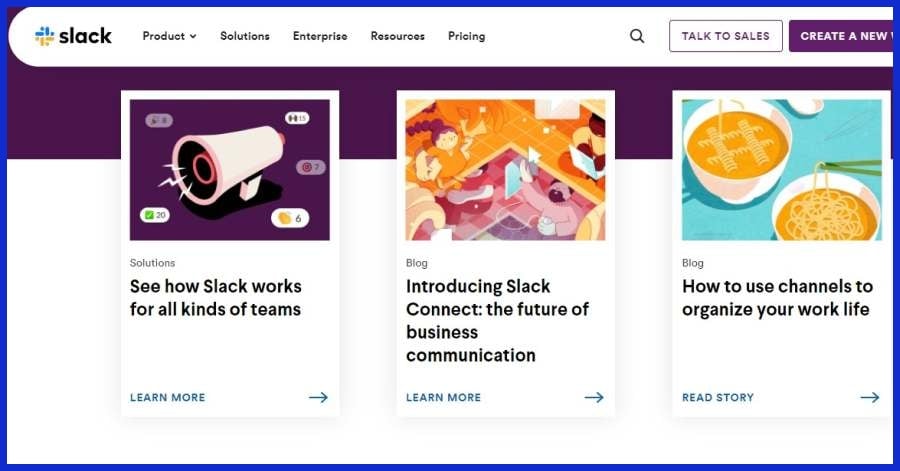
By putting in the time and effort upfront, your site becomes a real asset. With quality articles, interactive tools, and genuine reviews, you’re constructing something that returns for months and years, not just days. There are niche sites consisting of just ten pages that make as much as $5,300 a month, proving you don’t have to go big to be successful.
Monetization can take many forms, including affiliate marketing, display ads, sponsored content, or selling digital products. Sites can earn as much as 50 cents a visitor, so even small traffic is valuable. A nice site is more than an income stream; it is an online asset you can later flip, often for 20 to 30 times the monthly income.
If you build more than one site, you’re spreading your risk and expanding your opportunity. Some pick a site and scale it, while others create multiple smaller ones. There’s no one way to do digital entrepreneurship.
Create Authority
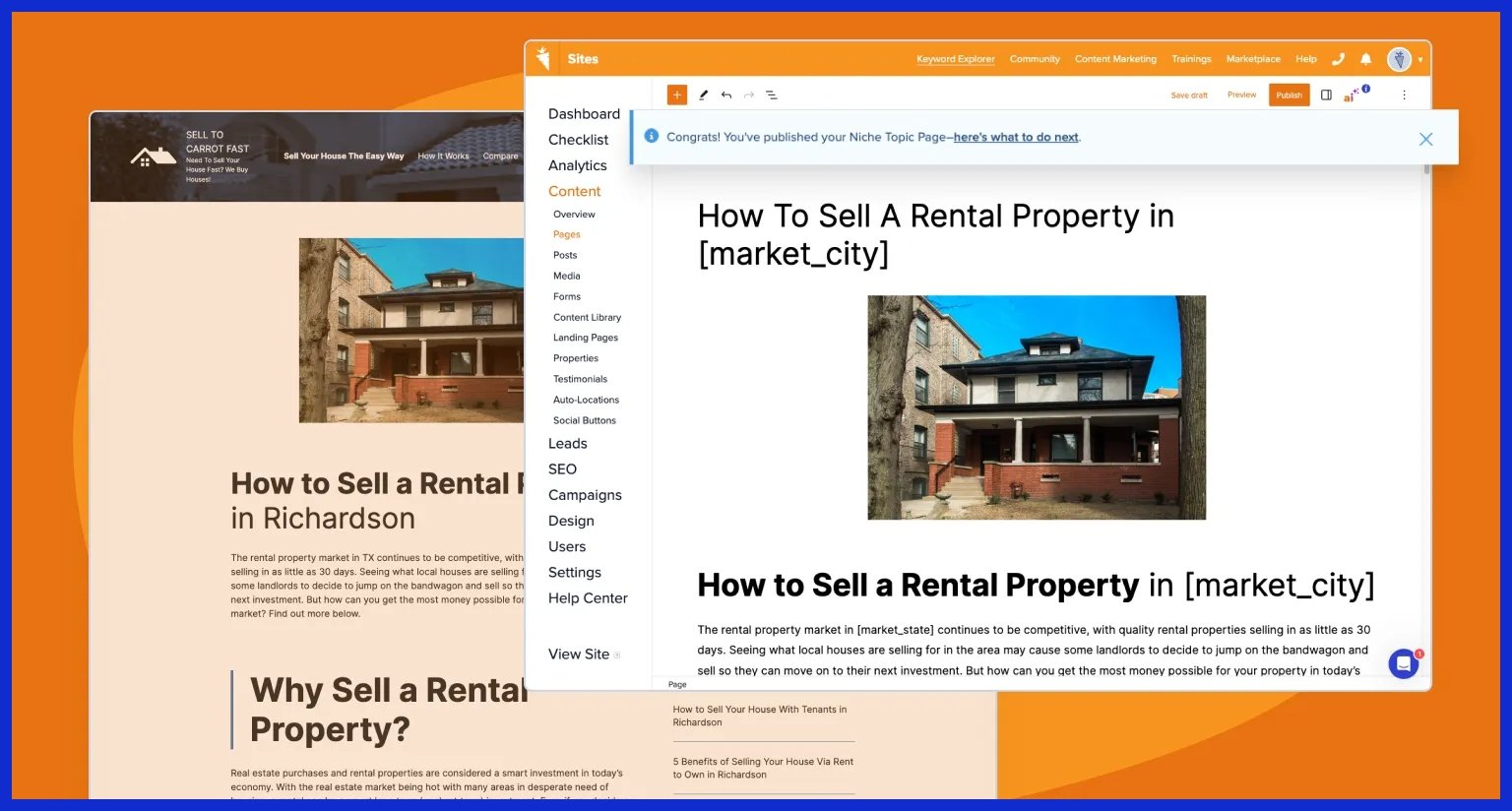
Niche authority isn’t about shouting the loudest. It’s about being the most regular and the most relevant. By regularly publishing high-quality, well-researched content, you become an expert. Work with other thought leaders, guest post, and get interviewed to expand your exposure.
Even one testimonial or case study will increase trust, particularly if your audience is suspicious. Finding unique collaborations and sharing actual results enables you to create credibility that makes your site THE resource. These small initiatives accumulate and convert visitors into followers who share your content.
How to Build a Niche Website
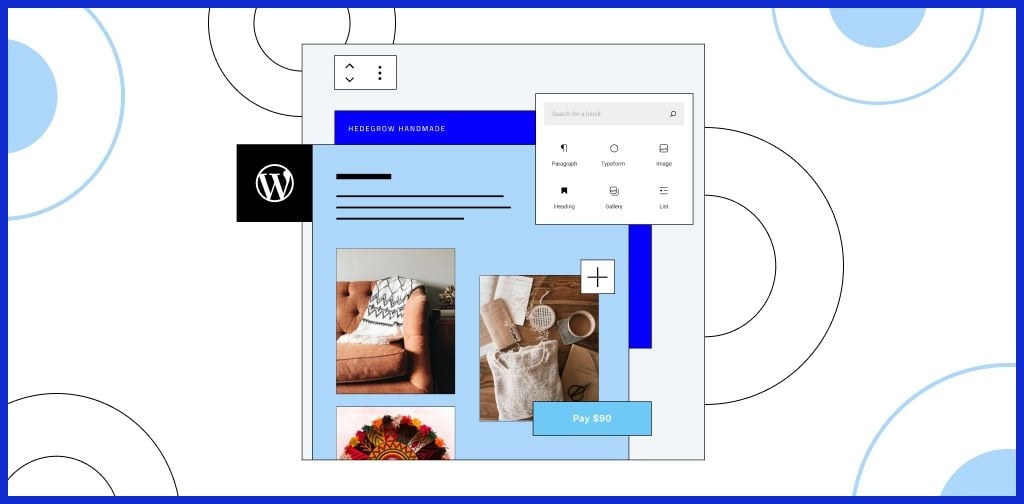
Building a micro niche site involves crafting a targeted tool for a particular community of readers. It’s essential to find your micro niche on the web, create good content that addresses genuine issues, and develop a website that is simple to navigate and update. Here are the fundamental steps for creating a scalable niche site.
1. Identify Your Micro-Niche
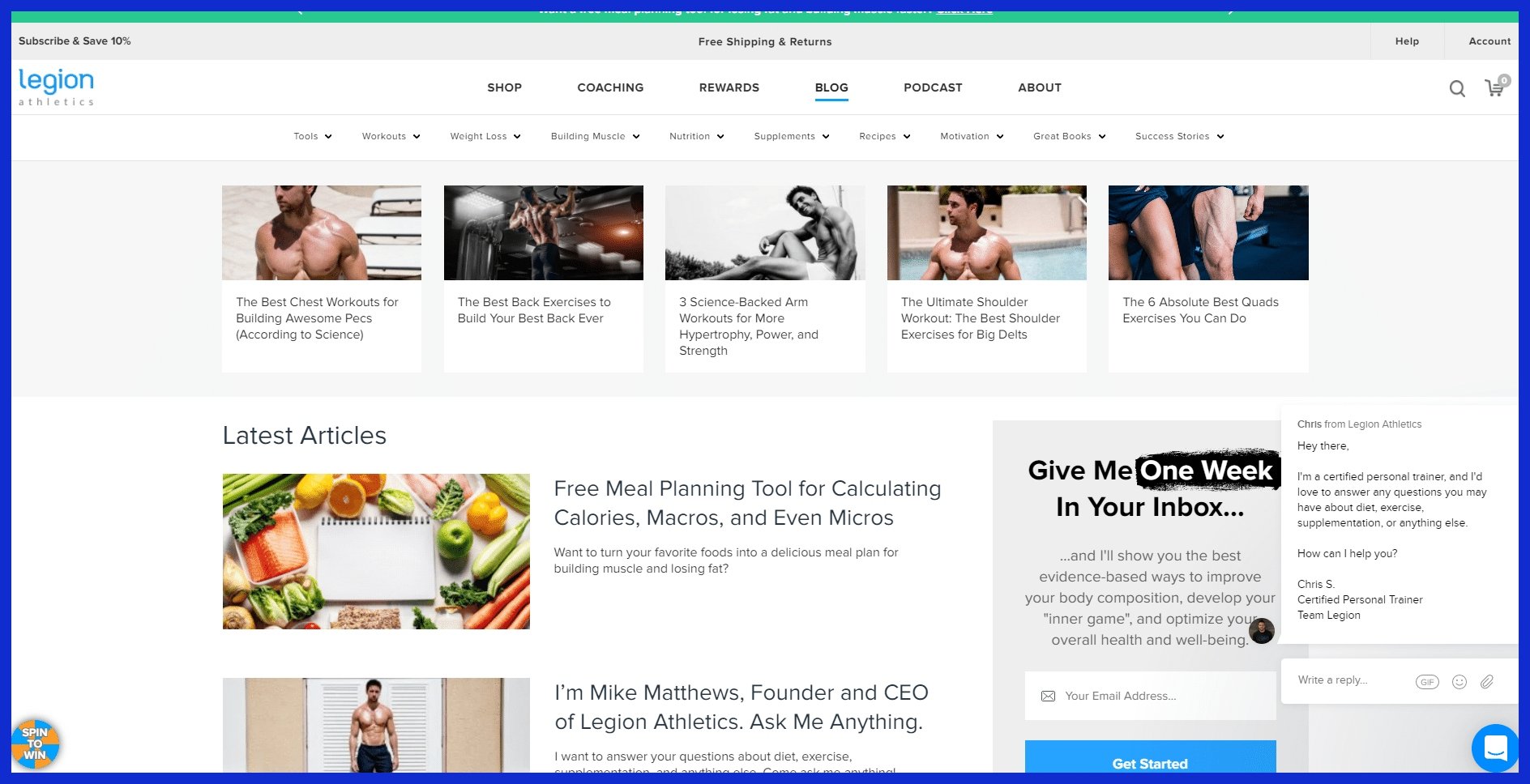
Focus your site on a very narrow subject within a broader category. For instance, rather than ‘fitness’, try ‘bodyweight workouts for beginners’. By going granular, you appeal to an audience that’s starved for depth, not just surface-level coverage.
See what’s already out there. Look for gaps, antiquated tips, or lack of content. Tools such as Ahrefs or SEMrush show where there are holes in existing content and help identify opportunities. Check search volume and competition for your micro-niche.
For maximum utility, you want a long tail keyword that has at least 1,000 searches per month and low competition so you can get traction easily. Personal interests come into play big time here. If you enjoy what you’re writing about, you’ll be much more likely to continue doing so.
You don’t have to be an expert, but an authentic interest provides staying power.
2. Validate Your Idea
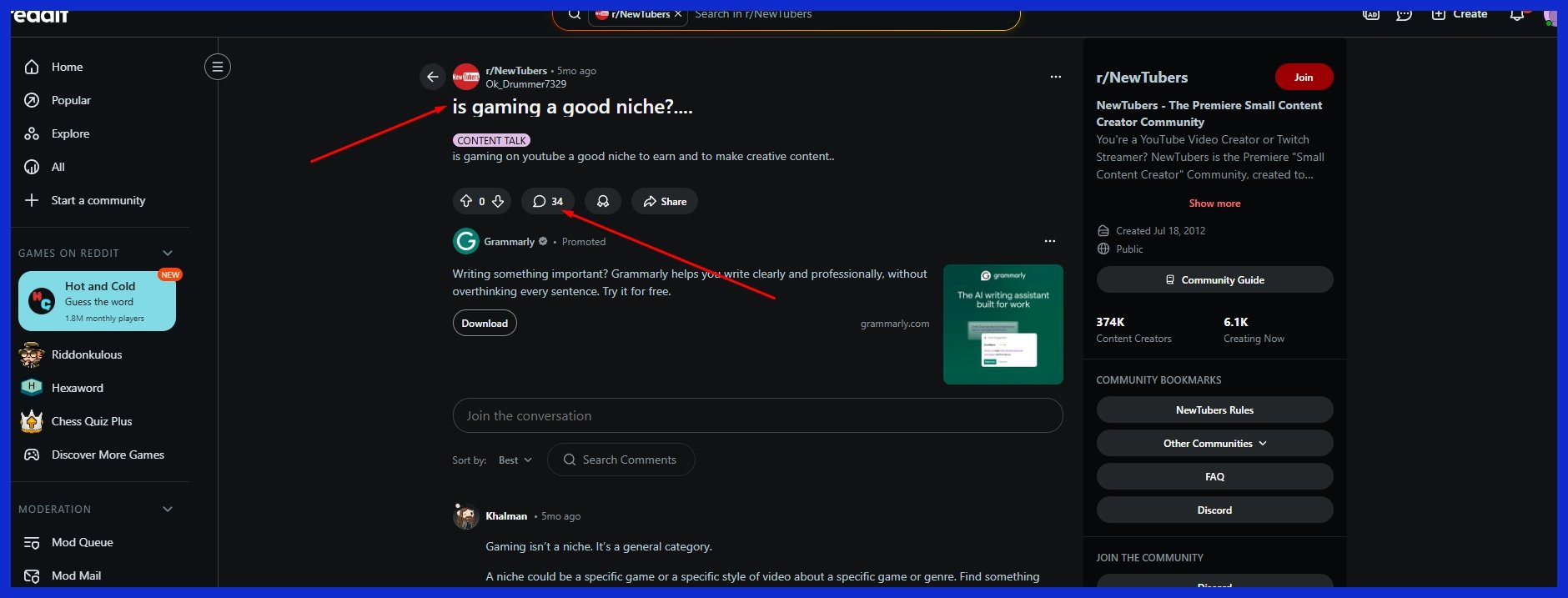
Try out your idea before you invest too much time or money. Conduct rapid surveys or polls on appropriate forums or groups. This comment illuminates actual pain and confirms demand.
Check out competing sites. Do they participate? Do they have engaged readers? Identify missing pieces in their coverage or offerings. These become your opportunities.
Utilize keyword research tools to quantify real interest. Make sure it has enduring search volume, not a fad. Peer or mentor feedback can help you see blind spots and hone your angle before you commit.
3. Choose Your Platform
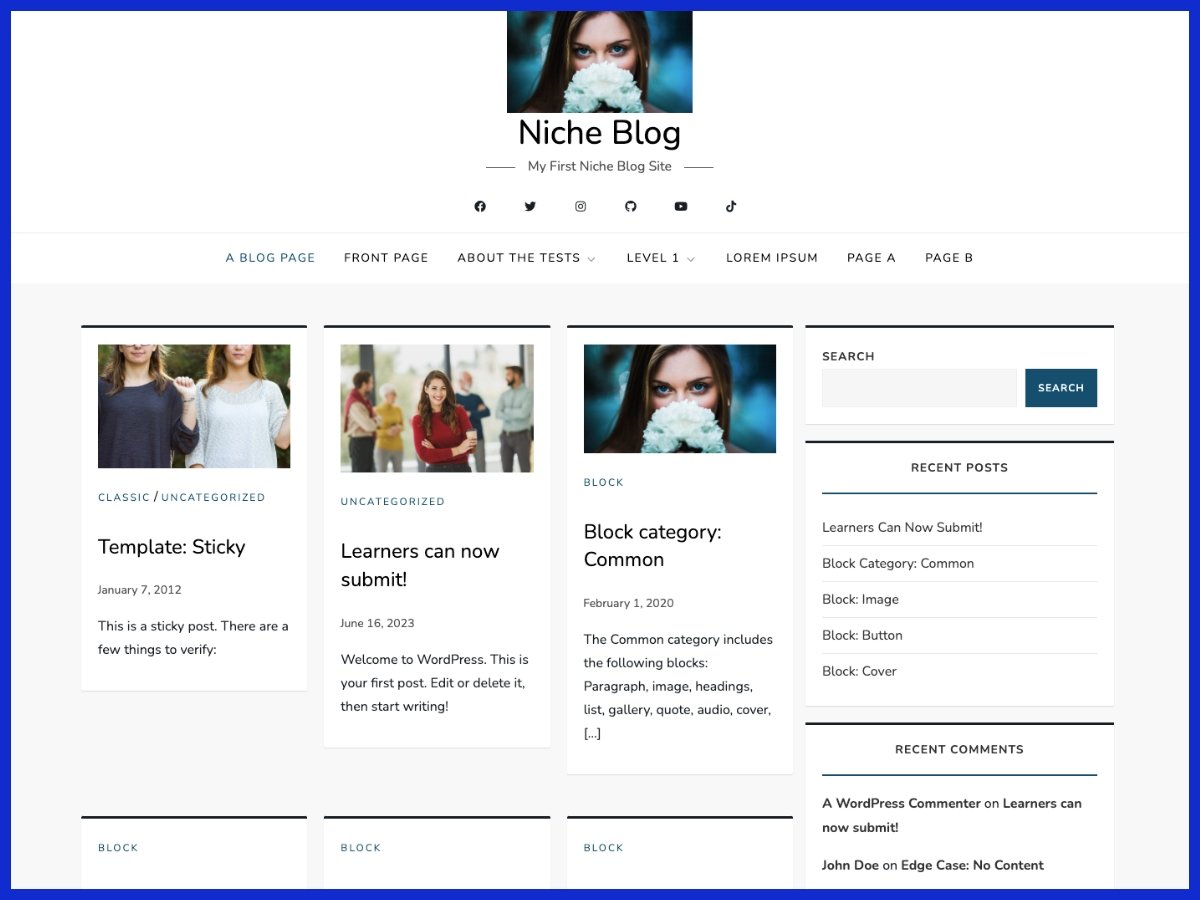
Consider WordPress, Wix, or Squarespace depending on your comfort and business requirements. WordPress is flexible and widely supported, while drag-and-drop builders simplify setup.
Choose good hosting with quick customer service. Your domain name should be short, catchy, and explicitly connected to your niche, like ‘herbalkitchenguide.com’ and not something generic.
Make sure your platform supports SEO basics such as meta tags, fast loading, and mobile-friendliness. SEO-ready frameworks facilitate the path to prominence.
4. Design for Users
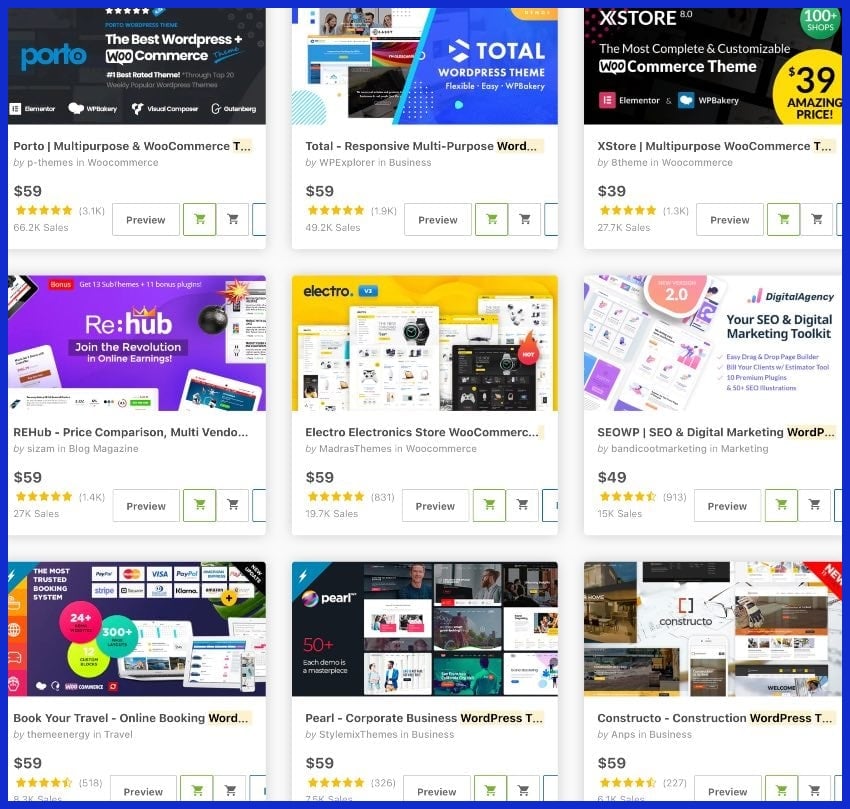
A streamlined, consumer-friendly design keeps visitors on your site. Focus on simple navigation so visitors can locate what they need with no frustration. Responsive web design is a must. Your site has to be beautiful and work well on any type of device.
They aid with both user experience and rankings. Visuals are important. Include images and infographics to punctuate text and illustrate arguments, but don’t abuse it. Before uploading images, use tools that can remove background elements to keep visuals clean, professional, and consistent with your overall design. The point is to supplement, not upstage, your main content.
5. Launch Your Site
Pre-launch – Before launch, check all pages work, links work, and articles are optimized. Don’t stress a few hundred pages either — even 2-3 cornerstone articles can push some early traffic.
Don’t start with less than 30 article ideas in your plan and publish one a week to gain momentum. Advertise your launch via email, social media, or niche communities. Watch analytics and fix things fast. Before sending promotional emails, use the best email verification tool to remove invalid contacts and improve deliverability, helping your launch announcements reach more subscribers.
Early feedback is gold. Use it to shine your content and usability.
Creating Original Content

Original content is the lifeblood of every niche site, particularly in saturated markets where standing out is the difference between death and life. Growing a site that attracts steady streams of targeted visitors is all about publishing quality content that educates and entertains. For sites producing content with AI tools, running drafts through an AI detection tool before publishing helps ensure copy reads as genuinely human — protecting both reader trust and search rankings.
You can take a micro niche site to a money-making stage with only 30 hours of work if you’re savvy, but getting there takes focus and elbow grease.
Some effective types of content include:
-
Long-form articles answering specific questions
-
Quick guides and how-to videos
-
Infographics that break down complex ideas
-
Case studies or personal stories
-
Seasonal updates or trend roundups
-
Regular blog posts on core topics
-
Interactive content, e.g., quizzes or polls
Making content new keeps visitors coming back for more. Fresh content, even on older posts, tells readers and search engines alike that your site isn’t gathering dust. Publishing that many articles, particularly in those first few months, creates momentum and accelerates growth.
Once you get past the initial drive, site maintenance becomes simpler, usually in under an hour a month.
Your Content Roadmap
Begin with a strategy. About: Original Post Content Outline your topics, mapped to a publishing schedule – weekly, biweekly, whatever matches your bandwidth. Answer the most urgent questions in your niche first. These are your site’s anchor points.
Many of the thriving area builders concentrate on cornerstone articles, each surrounded by 10 to 30 supporting posts. Certain individuals investigate thoroughly, devouring all that exists before they even hit the first key, whereas others go hands on and learn as they type.
Remain nimble. Include seasonal or trending topics when appropriate. This can provide you with a traffic spike and maintain variety on your content calendar. Analytics are your best friend: use them to track what’s working and adjust your roadmap as you go.
The first couple months are usually pretty slow for traffic, but a good roadmap makes it a lot less of a grind to show up every day.
Your Keyword Strategy
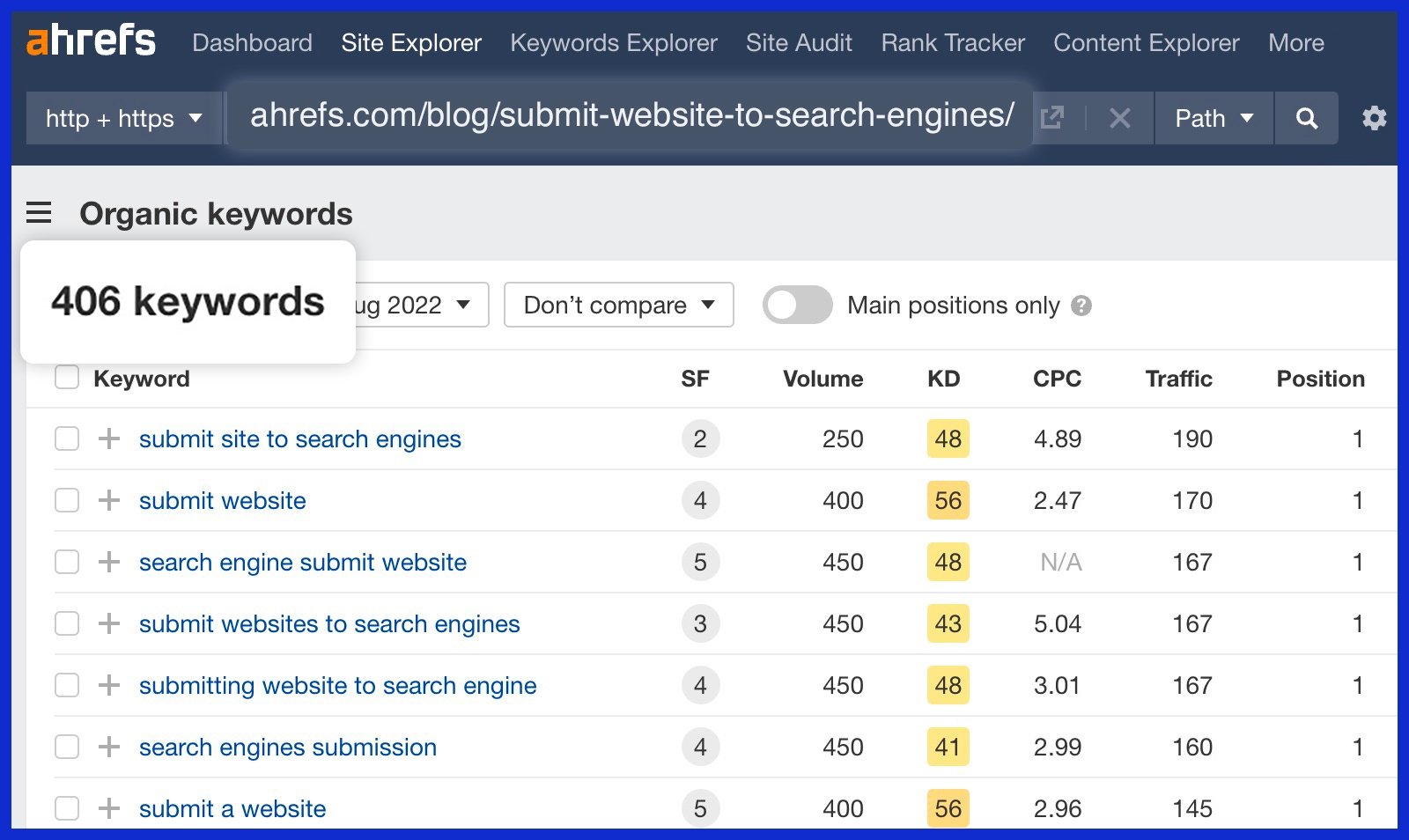
Solid keyword research is the diesel of organic growth. Search for high volume, low competition keywords. These are the jackpot for new sites. Develop a list that informs your content, but don’t keyword stuff.
Natural is the way to go. Keywords forced in annoy readers and send the wrong message to the search engines. Rethink your keyword plan. Fads come and go, and your approach must as well.
Update old posts with new keywords when it’s logical. This flexible, data-driven approach means you’re never stuck chasing yesterday’s traffic.
Your Unique Voice
Establishing a unique style that resonates with your readers is essential. Leverage stories and experiences to craft relatable content. Consistency breeds trust. Readers should hear your ‘voice’ no matter what the subject.
Foster engagement by posing questions or soliciting comments. This transforms your site from a monologue to a conversation. Eventually, your original voice and open conversation distinguishes you from mechanized competition.
How to Attract an Audience
Creating a niche site that attracts an interested audience isn’t about hacks. It’s about stacking the deck in your favor through regular, deliberate effort. Getting visitors who convert requires a combination of technical SEO, genuine engagement and clever use of platforms.
It might be a 24-month or longer process, but the reward is a devoted, self-perpetuating readership. How do you make it happen?
Actionable Tips for Creating Shareable Content and Utilizing Email Marketing
-
Craft deep-dive posts of 1,800 to 2,500 words on niche-specific topics.

-
Include great images and infographics that your readers will want to bookmark your page or share on social media.
-
Provide free tools or downloads to encourage registrations.
-
Develop an email list and send newsletters with timely tips.
-
Segment your audience to personalize content and increase engagement.
-
Encourage readers to forward your emails for broader reach.
Build Organic Visibility
Make every page search engine-friendly. Use an obvious structure, ensure quick load times, and prioritize mobile-first design. Go and find long tail keywords that have less competition but have at least 7,500 searches a month.
This allows you to capture small victories as you build momentum for authority. Every post you publish, even if it attracts only 50 visitors per month, contributes.
Don’t ignore backlinks. Begin with high-quality sources. Guest post 3,000 to 3,500 word articles on established sites in your niche. One quality backlink can do more than a dozen limp ones.
Write cornerstone articles backed by 10 to 30 laser-focused posts. This content library is your long game. It might take two years, but what sticks.
Analytics is important. Utilize tools to monitor rankings, CTR, and bounce rates. Consistent study surfaces content holes and allows you to pivot as trends change.
Consistency is key. A few articles a week build up momentum.
Foster a Community

Create opportunities for interaction, such as comments on your posts, an exclusive members’ forum, or sub-groups on social networks. They come back to places where their voice counts.
Host live Q&As or webinars. These establish faith and demonstrate that there’s a flesh-and-blood individual behind the site. Think about launching a newsletter.
Even a monthly reminder keeps the brand top of mind. Identify contributors. Highlight their content, give shoutouts, or provide access to VIP resources.
Little things create loyalty and differentiate your site in a saturated market.
Use Social Platforms
Use Facebook, Pinterest and Instagram to go beyond your site. Post visual content, images, infographics and short-form videos – use a video enhancer to make them stand out and drive more engagement. If you need fresh visuals on short notice, invideo Agent can create images with Nano Banana 2 instead of sourcing stock photos for every post. These get saved and repinned and generate immediate spikes of traffic.
Dive into pertinent groups, respond to queries and initiate discussions. It’s not about blasting links, but being a valued voice in your niche.
Paid ads can speed initial growth. Hone in on your audience to keep costs down, and if you’re unsure where to start, insights from a paid ads agency can help refine targeting and improve efficiency
How to Monetize Your Website
Behind every winning niche website is a clever, adaptable monetization plan. Monetization isn’t a cookie cutter game. It takes patience, time, continuous tweaking, and a good nose for what your audience wants. There’s no short cut.
With regular content, a focus on low-competition keywords, and a keen eye for opportunity, even a tiny, carefully targeted site can generate a reliable income. Below is a quick comparison of popular monetization methods and their main trade-offs:
|
Method |
Pros |
Cons |
|---|---|---|
|
Affiliate Marketing |
High earning potential, scalable, passive income possible |
Requires trust, can be competitive, payout delays |
|
Digital Products |
Full control, high margins, builds authority |
Upfront effort, support needed, marketing required |
|
Direct Advertising |
Predictable revenue, brand partnerships, less reliance on third parties |
Needs traffic, ad fatigue risk, can distract users |
Affiliate Marketing

Affiliate marketing is the lifeblood of many micro niche sites. To start, enroll in affiliate programs that closely align with your site’s niche, such as travel accessories for travel blogs or workout gear for fitness websites. The tighter the fit, the more likely your audience will trust your referrals and click through, leading to a profitable niche site.
Product reviews and comparison articles are staples in this realm. They provide an opportunity to respond to genuine queries, showcase your expertise, and drive affiliate sales simultaneously. Rather than pushing links, naturally integrating recommendations where they fit creates a trustworthy environment that enhances conversion rates.
If you’re aiming to optimize your margins, keep a close eye on your affiliate links. Analyze what drives the most clicks and conversions, then focus on those strategies. This data-informed approach can significantly impact your niche site empire, turning a trickle of income into a steady stream.
Digital Products
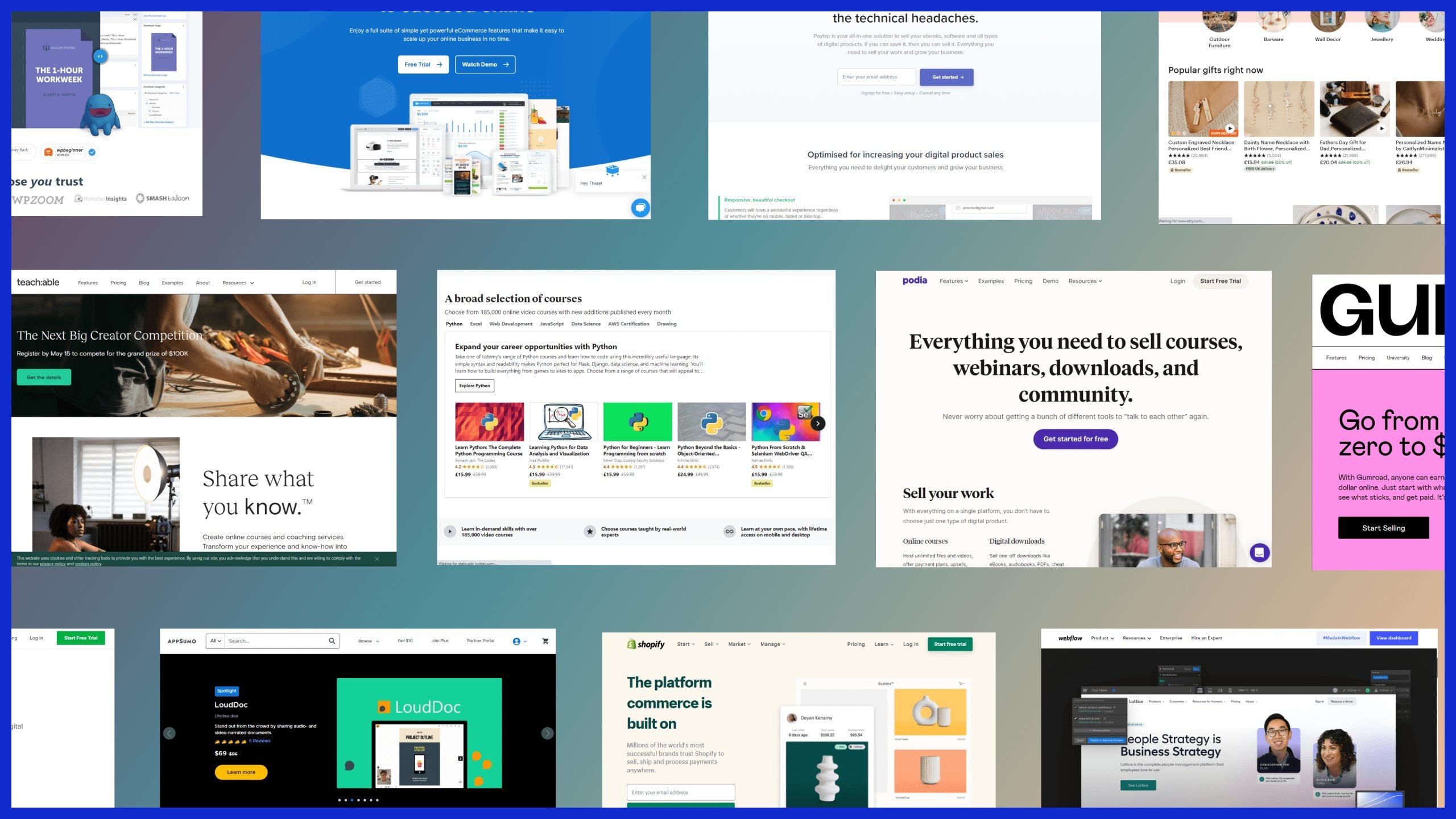
Digital products such as eBooks, checklists, or online courses provide complete control over the customer experience as well as increased profit margins. Build assets that solve particular problems your niche audience is confronted with.
Templates, cheat sheets, or “insider” guides tend to convert well because they are actionable and time-saving. Establish a basic, protected store. This might be a specialized page with downloadable files or a light store plugin.
Advertise your products through on-site banners and your social channels. Social proof and email marketing help spread the word without pushy selling. Gather feedback for every transaction. Leverage ideas to develop new or enhance existing products and gradually establish a portfolio that enriches your credibility and retains visitors.
Direct Advertising
For sites with stable, niche traffic, direct advertising is an option. Selling your ad space directly to companies in your niche can bring you higher returns than automated platforms, especially if your audience is valuable or difficult to reach.
Automated ad networks such as Google AdSense are easier to set up and negotiation-free. They’re a good baseline, particularly for newer sites. However, anticipate significantly less revenue per visitor than with direct deals.
Some site owners negotiate custom campaigns, such as sponsored posts or newsletter placements, with brands directly. This can be extra effort, but the reward and specificity is frequently worth it. Don’t stop tracking ad performance and user feedback. Irrelevance or intrusiveness can scare away loyal visitors and damage long-term growth.
The Unspoken Realities

Building a micro niche site today is not the wide-open playing field it used to be. The game has changed due to Google’s algorithm updates and the rise of AI. While others continue to experience five-figure monthly payments from their niche site empire, those tales are rarer. Success is no certainty, and traffic can evaporate overnight. Staying motivated, adaptable, and value-oriented is more important than ever.
The Plateau of Despair
Growth stalls are almost unavoidable in the world of micro niche sites. Too many have their site’s traffic flatline, often after a Google update or following a flood of AI content in the niche. If your analytics chart resembles a ski slope, you’re not alone; others have experienced 90% declines in just months. It’s easy to get discouraged or even throw in the towel.
Rethink your content strategy when this occurs. Are you providing original, truly useful content or just parroting what’s been said? Sometimes, minor adjustments to your headlines, structure, or even your internal linking can ignite new momentum for your niche site empire.
The Discipline of Consistency
Consistent publication is the foundation of reader confidence. Regardless of whether it’s a single article per week or twice a month, make it predictable. Audiences need and want dependability, particularly when search engines are so unpredictable.
Content routines save your brain and keep your flow going. Utilize templates and checklists and batch production. Turn the page to our overlooked chapters: is advance promotion starting right now?
About: The Harsh Truths Thoughts on what’s working and celebrate when you reach milestones — however small. This keeps motivation alive during the slumps.
Consider consistency to be on your learning curve as well. Every post is an opportunity to polish your craft and pivot to critique.
The Focus on Value
|
Strategy |
Benefits |
|---|---|
|
In-depth guides |
Builds trust, attracts organic backlinks |
|
Real user stories |
Enhances credibility, increases engagement |
|
Actionable resources |
Drives repeat visits, encourages sharing |
|
Authentic perspective |
Sets your site apart from AI competition |
Collect feedback from your readers. Let surveys, comments, or analytics show you what sticks. Adjust according to those cues. Don’t cling to what worked last year.
Center on service. Treat readers as partners. That mindset builds loyalty and sets your site up for solid, sustained growth well into the future as tech changes.
Conclusion
Building a niche website is not checklist-y or trendy. It’s a journey that pays off for those with patience, without distractions, and with the desire to learn from successes and failures alike. By selecting a subject you know, providing new content, and engaging your readers, you establish a niche with true longevity. There’s no shortcut to consistent growth, but each step from keyword research to monetization accumulates. Each niche site has its own cadence and winning means something different to each of us. Be it for a side income or a long haul, the magic is in showing up, being consistent, and iterating as you go. That generates permanent impact.
Frequently Asked Questions
What is a niche website?
To start a micro niche site, it’s about creating a niche website.
How do I choose a niche for my website?
Explore micro niche ideas that align with your interests and have sufficient demand. Analyze competition and search trends to identify a viable niche where you can contribute original content.
How long does it take to build a niche website?
Building a simple micro niche site can take a few hours, but cultivating it with solid content and a readership typically requires months, emphasizing the importance of consistency and patience for lasting results.
Do I need technical skills to build a niche website?
Simple website builders make creating a micro niche site easy, even for total beginners. You don’t need coding wizardry, as most platforms provide templates and tutorials for setup.
How can I attract visitors to my niche website?
Produce useful, unique content for your micro niche blog. Optimize for search engines, share on social media like Pinterest, and interact with communities in your niche to boost organic search traffic.
How can I make money from a niche website?
Typical methods for monetizing a micro niche site include showing ads, affiliate marketing, selling products, or providing services. Choose the option that best fits your niche or audience to generate traffic.
What are some challenges of running a niche website?
Troubles encompass discovering novel content ideas for your micro niche site, differentiating yourself from your competition, and achieving consistent traffic growth.


