

Key Takeaways
- Listicles work in almost any niche, including law, finance, healthcare, and B2B software. What makes one feel like clickbait isn’t the format; it’s the execution.
- You can replace this generic wordiness (amazing, game-changing) with actual numbers, names, and real-life examples, and it will make your listicle sound more credible.
- “Best of” roundups, backed-up rankings, and how-to lists that are expert-reviewed work best in challenging niches.
- A good listicle for a tough niche should read like a knowledgeable colleague walking you through your options, not a salesperson hyping them up.
Tell someone who works in insurance, law, or industrial equipment that you’re writing them a listicle, and you might get a raised eyebrow. Listicles have a bad reputation. These are linked to the type of “you won’t believe number 7” post that doesn’t fit with a compliance guide or a product spec sheet.
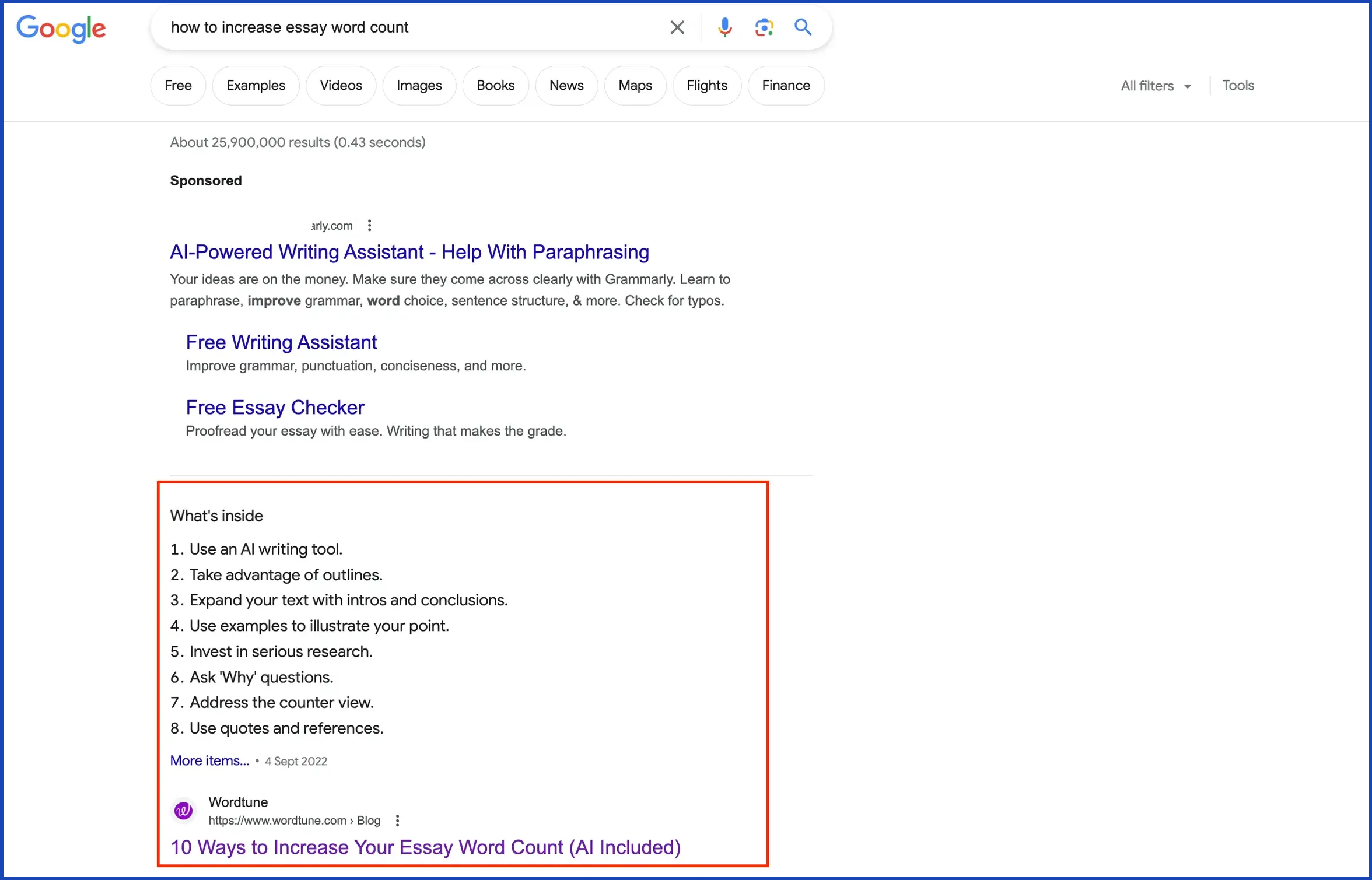
But here’s the thing: Google still rewards the list format, and so do readers. Lists are scannable, they answer questions directly, and they’re one of the most common formats pulled into AI Overviews and featured snippets.
So the real question isn’t whether listicles belong in a serious industry. It’s how to write listicles for tough niches so they read like genuine expertise instead of filler. Here’s how to do just that.
How to Write Listicles for Tough Niches That Actually Work
A “tough niche” usually means one of two things: the topic is dry and technical (manufacturing, cybersecurity, B2B software), or it’s high-stakes and regulated (law, healthcare, insurance, finance). Either that or your readers come in with a belief that setups like this are both more skeptical and more educated than readers of most listicles.
Some habits set a list apart from the one that’s skimmed and closed:
- Trade hype for specifics. Do not say anything about it being an amazing tool, tell them what it is, who it is for, and how much it costs. Specifics = expertise. Adjectives read as filler.
- Name real things. Reference an actual regulation, tool, court case, or company instead of a vague placeholder. It signals that you actually know the space.
- Explain your criteria. Explain to readers why the product is on the list — either because of price, testing, compliance or results. This single habit does more for trust than anything else here.
- Maintain a count in the correct manner. If you really have 6 good options for your niche, then list 6. One of the quickest ways to seem like a moron is to stuff a list to make it a “rounder” number.
- Write as you would, but as a knowledgeable person, not a copywriter. Clever do clear and plain beats. Save the personality for your headline, not your data points.
3 Listicle Formats That Work in Tough Niches
Most successful listicles in serious industries fall into one of three formats. If you know you need to choose one that’s appropriate for your topic, much of the credibility work is done before you ever put pen to paper.
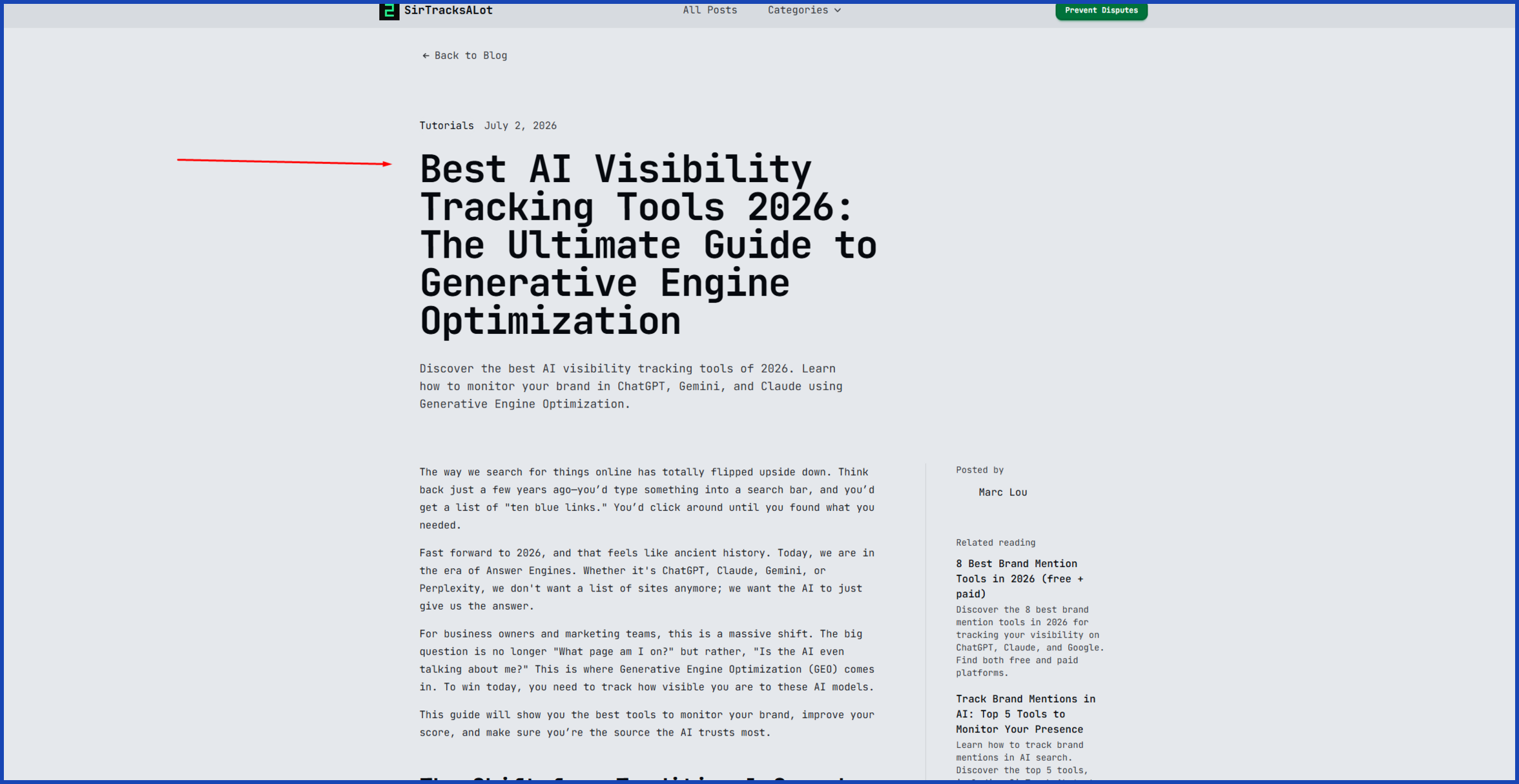
The “best of” roundup. A list of the best, with a brief and specific rationale for each. This is because it’s solving a decision the reader already wants to make. When you’re in a certain niche, it only works if you publish your criteria, what you tested or what their features are, or the criteria you used to choose your price, or the criteria you used to choose if it complies or not, otherwise the “why” does not work.
The ranked, research-backed list. The items are ranked in order of strength and weakness based on a set criterion, such as fees, safety information or turnaround time. This format is especially useful in regulated spaces because the ranking criteria itself becomes the trust signal. A reader doesn’t need to believe you, they can see why item 1 supersedes item 5.
The expert-reviewed checklist. A sequence of steps, warning signals, or questions that have been developed by or reviewed by a named expert. This turns a simple list into a professional resource instead of a casual roundup, which is why it shows up so often in legal, financial, and medical content.
Notice the pattern across all three. None of them hide the fact that it’s a list. They just attach a visible, checkable reason to every single item.
How to Keep Your Listicle From Reading Like Clickbait
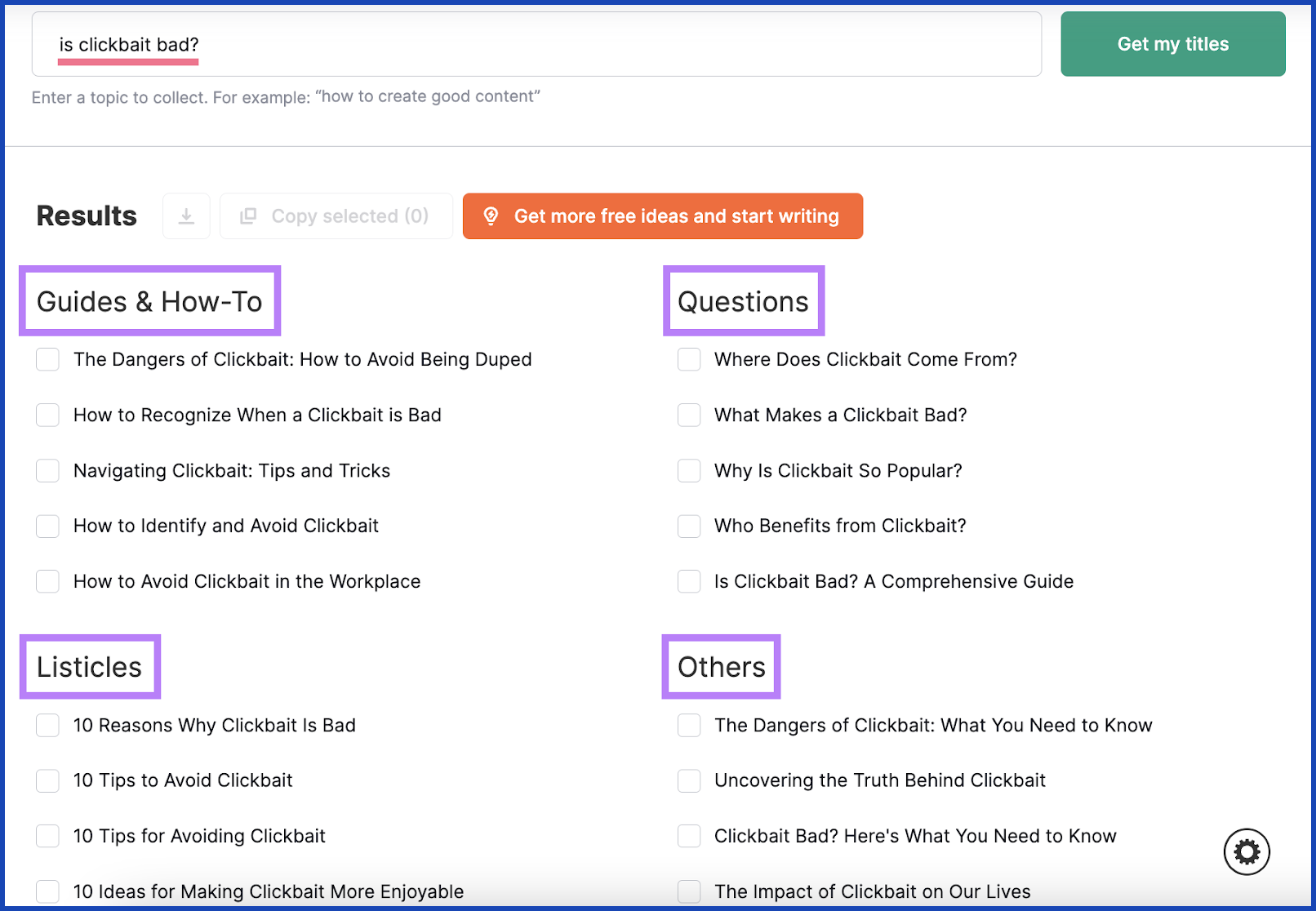
Clickbait has nothing to do with the list format. It’s about a gap between what the headline promises and what the content actually delivers. Check out these tips on how to fill that gap.
- Make the headline match the content. The “7 Tools We Tested for 30 Days” makes for a realistic expectation. “7 Tools You Won’t Believe” is not about anything like that, and those who live in difficult niches notice that difference in no time.
- Let every item stand on its own. The 4th item should be the only one that a reader can benefit from reading without needing to go through the rest of the list.
- Skip manufactured urgency. Words such as must-have” or “game-changing” should not be placed alongside a compliance memo or a medical explainer and diminish all the things that went right.
- Show who wrote or reviewed it. A byline, a credential or a “last updated” date is a little bit that makes a big difference when it comes to building trust.
- Close with a next step, not a pitch. Conclude with a call to action; do not sell a hard sell.
Conclusion
Listicles have no problem with place-in-serious-industries. They have a problem with execution. Replace hype with specifics, demonstrate criteria, and maintain the integrity of each and every item, and a listicle can be one of the most-shared, most-linked pages on a site that nobody would ever describe as flashy.
That’s the same work SERPninja does with clients every day: building content and earning the links that help brands rank for hard, competitive keywords in tough niches, from SaaS to cannabis to online gaming. If you’d prefer to get that aspect of the job done by someone else, then this is the kind of job we’re interested in talking about.
FAQs
Do listicles hurt my credibility in a serious industry?
Not the format itself. You can create any niche that you want, and a well-resourced and organized list can create authority in any niche. It is content that is vague, doesn’t meet the criteria, and promises too much in the headline that damages credibility.
How long should a listicle be for a tough niche topic?
Until it must be to provide genuine value on an item basis. A financial or legal listicle often runs 200 to 300 words per point, while a quick roundup post can get away with less.
What’s the ideal number of items on a list?
Whatever number is honest. Don’t round up to a more eye-catching headline number, but rather on the number of options that really merit the space.
Do listicles still help with SEO in a low-search-volume niche?
Yes. Lists are particularly useful for niche topics as they provide the option to answer multiple questions on a single page, and are a format that search engines and AI systems are more likely to favor.
Should I include competitors in a “best of” list?
If the goal is building trust and topical authority, yes. The first thing that is typically apparent to a knowledgeable reader is the lack of obvious competitors, and this can diminish the rest of the list.


