

Key Takeaways
- Direction Over Volume: Publishing more articles does not equal better marketing. Without a documented plan, you are simply adding to the noise.
- Audience First: Your content is never about what your brand wants to say; it is entirely about what your specific audience needs to hear.
- Elevate Your Value: A great editorial mission statement focuses on how your content helps readers become better versions of themselves, rather than just selling a product.
- Format Matters: Deciding on your content formats in advance provides a strict filter for your writers, ensuring consistency and allowing you to easily reject off-brand pitches.
- Authority is Crucial: Even the best mission statement fails without reach. Partnering with platforms like SirWritesALot for production and SERPninja for off-page SEO ensures your message actually gets heard.
You can publish content at breakneck speed, but if you do not know who you are talking to or why you are writing, you are wasting your marketing budget.
It is a common trap. Businesses understand that they need a content marketing program. They know it drives traffic. But in the rush to get articles out the door, they skip the most crucial foundation: the editorial mission statement.
Execution without direction is just noise.
We need to challenge the idea that “more content” automatically equals “better marketing.” An editorial mission statement is not a fluffy, feel-good corporate document that sits in a forgotten Google Drive folder. It is a strict, operational filter. It tells your team exactly what to publish and, more importantly, what to reject.
In this guide, you will learn how to build a documented mission statement in three simple steps: identifying your exact audience, communicating the higher-level value of your content, and deciding exactly what formats to produce. By the end, you will see how having the right strategy—and the right execution partner like SERPninja—will transform your content from random articles into a targeted growth engine.
The Danger of Directionless Content

A massive percentage of B2B companies actively invest in content marketing, yet industry research shows that the vast majority—around 72%—lack a documented editorial mission statement.
Think about that for a second. That means most businesses are just guessing. They are throwing articles, blog posts, and social media updates at the wall, hoping something sticks.
Without an editorial mission statement, your company is like a ship without a compass. You might be moving fast, but you have no idea if you are heading in the right direction.
When you do not have a defined mission, a few dangerous things happen:
- Wasted Resources: You spend money on writers, editors, and designers for content that no one actually wants to read.
- Brand Confusion: One day you publish a highly technical guide, and the next day you post a meme. Your audience gets confused and leaves.
- Zero Accountability: Without a benchmark, you cannot measure if your content is actually successful.
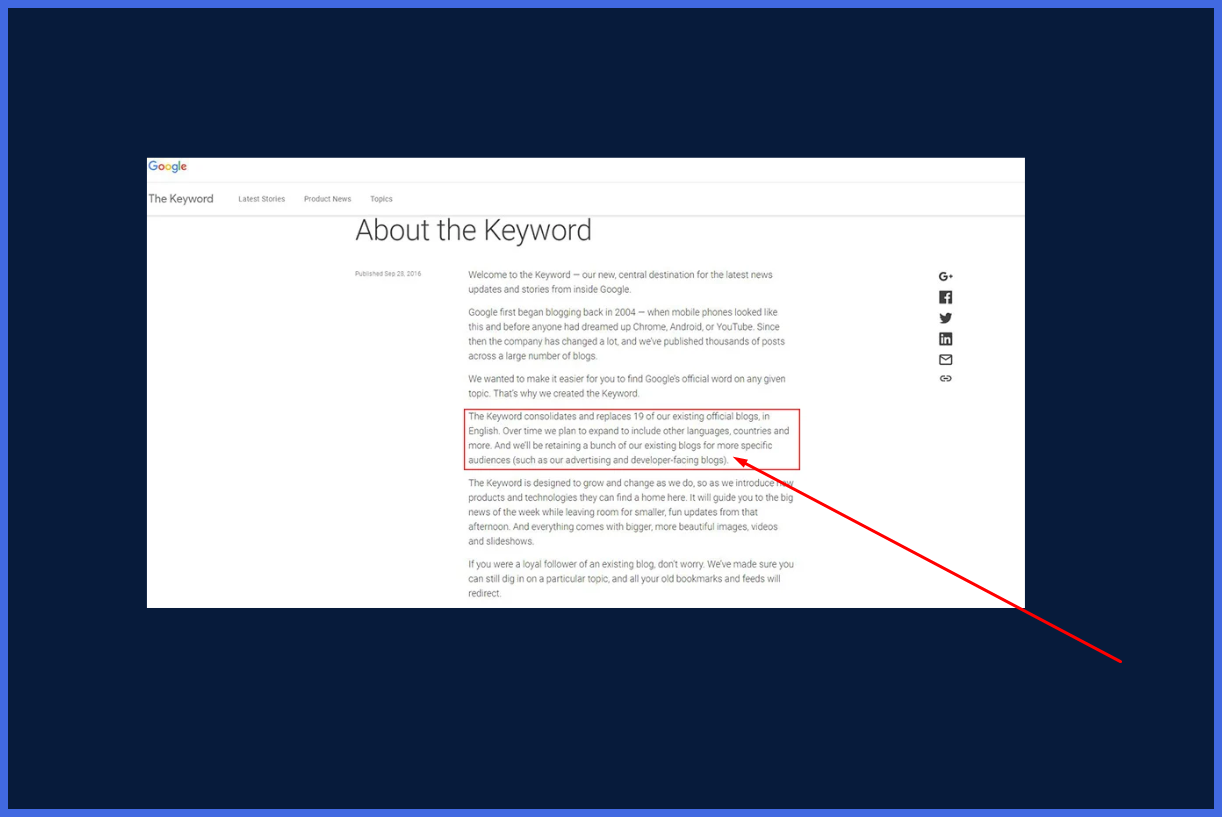
A mission statement solves this by aligning your entire team. It gives your writers a north star. It ensures every dollar spent on content marketing is an investment toward a very specific, measurable goal.
Step 1: Identify Your Target Audience
Your content is never about what your brand wants to say. It is always about what your audience wants to hear.
If you try to write for everyone, you will end up engaging no one. The first step to writing your editorial mission statement is to build a highly specific snapshot of your ideal reader. The more accurate this snapshot is, the better your content will perform.
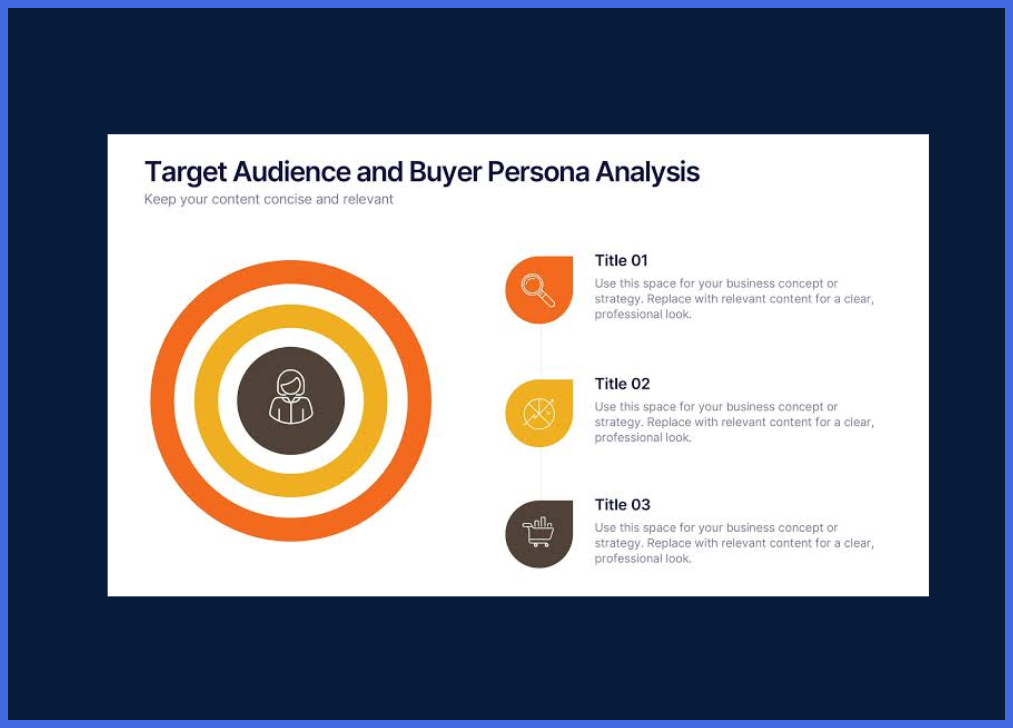
You need to nail down the exact persona you are trying to reach. To do this, break down your audience into these core categories:
- Location: Are you targeting local businesses in a specific city, or a global audience? Content meant for a boutique law firm in Texas will sound very different from content meant for an international tech startup.
- Demographics & Job Title: Who is actually reading? Is it the CEO, the marketing manager, or an entry-level employee? Knowing this dictates how deep you go into a topic.
- Interests & Pain Points: What keeps them awake at night? Tackle their real-world problems. If they are struggling with organic traffic, your content needs to be the definitive solution to that exact problem.
- Language & Tone: Simple, clear language is almost always the best policy. However, if you are speaking to highly technical engineers, you need to use the industry jargon they respect. Speak their language, not yours.
- Goals: What drives them to click on your article? Are they looking to save time, make more money, or learn a new skill?
Once you have this persona locked in, write it down. Share it with every single person who touches your content. When everyone knows exactly who they are writing for, the quality of the work skyrockets.
Step 2: Communicate How Your Content Will Help
This is where most businesses get it wrong. They confuse selling their product with providing actual value.
Your customers already know what services you offer. What they need to know is why they should care. A great editorial mission statement must show the audience how your content will help them become a better version of themselves.
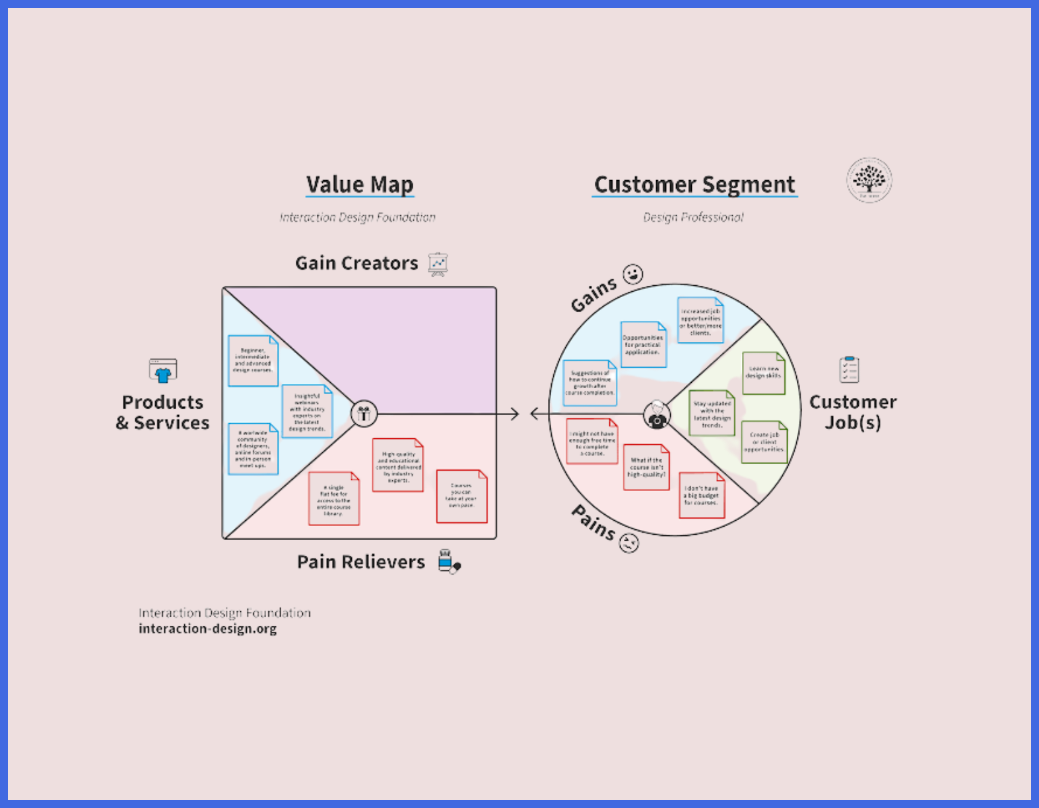
You need to expand the value of your content to a higher, broader level. Stop talking about your features and start talking about their transformation.
Let’s look at a few real-world examples to make this crystal clear:
- The Party Rental Example: Let’s say you run a business that rents out party equipment and large event tents. Your blog should not just be a manual explaining how the rental process works or how wide the tents are. No one wants to read that. Instead, your content mission should be to teach your audience how to throw an unforgettable, stress-free party.
- The Software Example: If you sell a software tool that helps sales teams find leads, do not just publish tutorials on how your software buttons work. Your content should teach them how to build the most aggressive, high-performing sales team in their industry.
- The Organic Farming Example: If you sell beekeeping equipment, do not just write about the specifications of your hives. Write content that shows small farmers how to make honey the most profitable product on their farm.
Do you see the difference? The first approach is selfish; it is just a disguised sales pitch. The second approach is helpful, inspiring, and valuable. It gives your readers a reason to subscribe, share, and ultimately trust your brand.
Step 3: Figure Out What You Will Create
Now that you know exactly who you are talking to and the high-level value you are going to provide, you need to determine the actual format of your content.
Will you produce deep-dive, 3,000-word case studies? Fast-paced, actionable weekly newsletters? Highly technical, step-by-step how-to guides? Or maybe short-form, punchy social media videos?
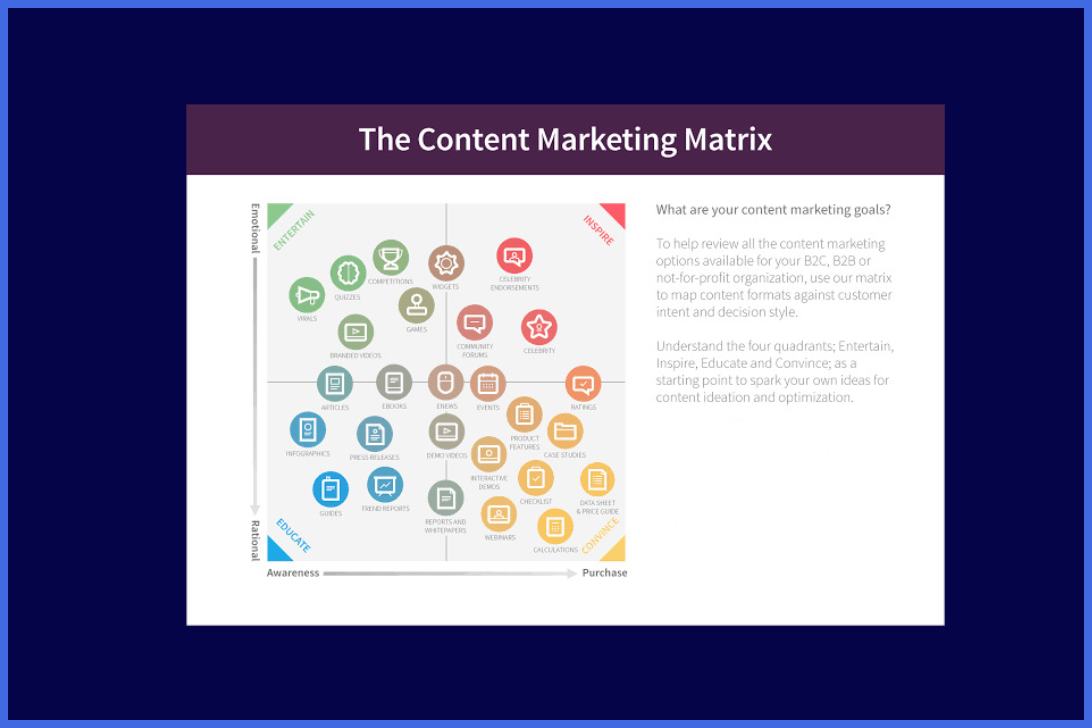
Defining your formats in your editorial mission statement is critical for two reasons:
First, it gives your writers and creators a common framework. If your mission statement declares that your brand produces “data-backed, long-form industry reports,” your writers immediately know the standard they have to meet. They know they need to bring statistics, charts, and heavy research to the table. Consistency builds a loyal audience, and it is impossible if your formats keep shifting.
Second, it allows you to confidently reject bad ideas. When a freelancer pitches a 500-word opinion piece, but your mission statement clearly states you only publish in-depth technical guides, you can easily say no. Your mission statement becomes a protective shield against off-brand content that would only dilute your message.
The Strategy Multipliers: Turning Strategy Into Execution
Planning is only half the battle. Once your editorial mission statement is locked in, you actually have to produce the content and get it in front of the right eyes. This is where execution separates the winners from the losers.
Having a mission is great, but a mission without horsepower is useless. You need strategy multipliers to take your newly focused content and turn it into a traffic-generating machine.
How Tools Like SirWritesALot Can Help
When your writers finally have a clear mission, they need the right tools to execute it efficiently.
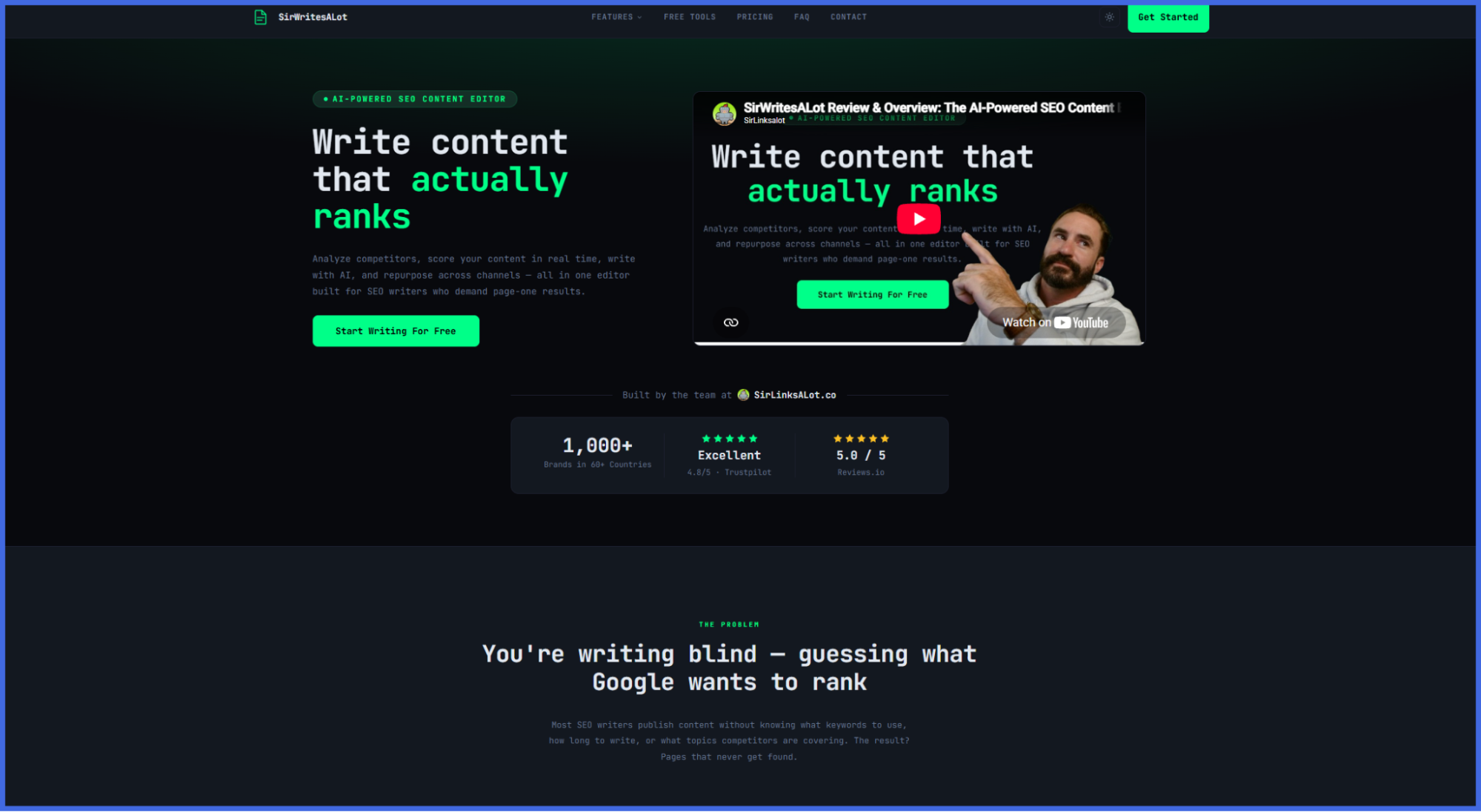
This is where SirWritesALot comes into play. Once you know your audience and your formats, you can use SirWritesALot to instantly generate highly structured, SEO-optimized outlines that perfectly match your new editorial guidelines. It removes the friction from the drafting process.
Instead of staring at a blank page, your team can use Generative Engine Optimization principles to structure articles with inverted pyramids, direct answers, and clean formatting. It ensures that the high-level value you promised in your mission statement is actually delivered in every single paragraph you publish.
The Authority Engine: SERPninja
Here is the hard truth about digital marketing: even the most beautifully written, mission-driven content will completely fail if your website lacks domain authority.
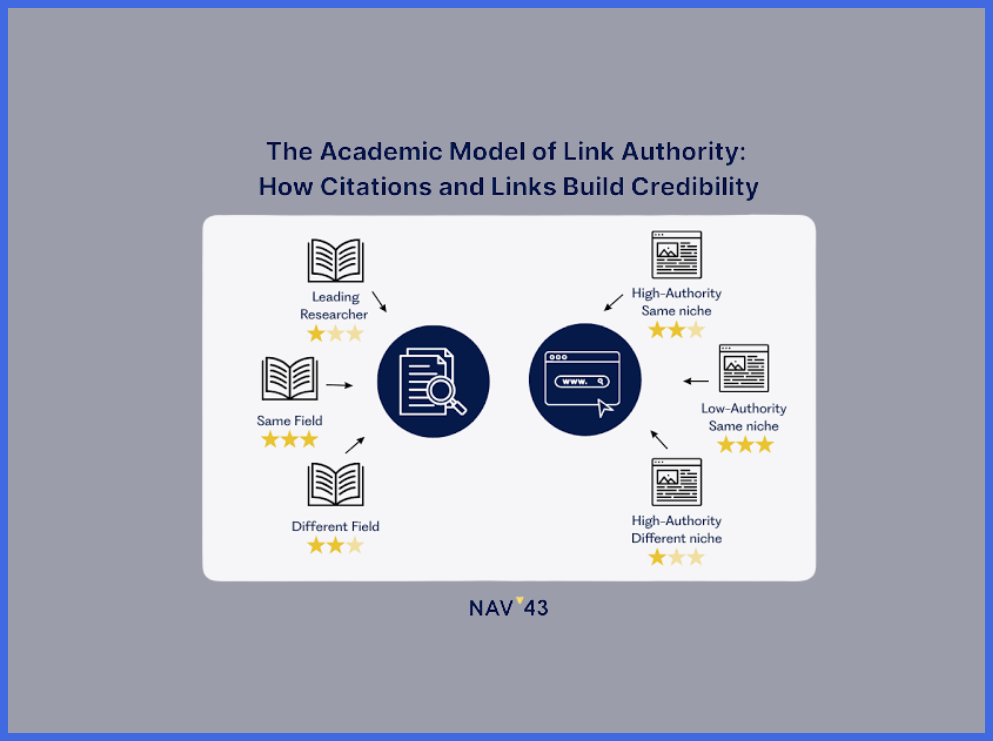
You can have the best answers in your industry, but if Google does not trust your site, your target audience will never see your work.
This is exactly where SERPninja becomes your ultimate partner. Once you know what to say, SERPninja ensures you actually get heard. By utilizing premium guest posting and strategic niche edit services, you can build the required off-page trust signals that search engines demand.
SERPninja acts as the megaphone for your mission statement. They secure the high-quality, relevant backlinks that push your highly targeted content up the search engine results pages, directly into the hands of the audience you just defined.
Conclusion
Writing an editorial mission statement is the single most important step you can take to stop wasting your content marketing budget. By identifying your exact audience, elevating the value you provide, and locking down your formats, you transform your content from random noise into a highly tuned growth engine.
But remember, a compass only points the way—you still have to sail the ship. Once your brand knows exactly what it wants to say, you need the power to make sure it reaches the right shores.
By partnering with SERPninja, you secure the domain authority, premium link-building, and off-page trust signals required to dominate your niche. Stop publishing into the void. Define your mission, build your authority with SERPninja, and watch your content marketing finally deliver the ROI it promised.
FAQs
What exactly is an editorial mission statement?
An editorial mission statement is a brief, documented guideline that defines exactly who your target audience is, what type of content you will create for them, and the specific value or benefit that content will provide to improve their lives or businesses.
Why is an editorial mission statement important for SEO?
It keeps your content highly focused on specific user intents and topics. When search engines see a website consistently publishing authoritative, structured content around a specific niche—rather than random, disconnected topics—it builds topical authority and improves your overall rankings.
How long should an editorial mission statement be?
Keep it incredibly short and actionable. It should be one or two paragraphs at most. The goal is for every writer, editor, and marketer on your team to easily memorize it and use it as a daily filter for their work.
What happens if I don’t have an editorial mission statement?
Without one, your brand will likely suffer from “content bloat.” You will spend money producing articles that lack focus, confuse your readers, and fail to convert traffic into actual customers because the content does not speak directly to their pain points.
How can SERPninja help my content strategy?
While your editorial mission statement dictates what you write, SERPninja dictates who sees it. By providing premium guest posts and niche edits, SERPninja builds your website’s domain authority, ensuring your focused content ranks higher on search engines and reaches your ideal audience.


