

Key Takeaways
- SEO for lead generation isn’t dead. Chasing the wrong searches is what’s failing.
- Even HubSpot lost about 80% of its peak blog traffic, and its revenue still grew.
- AI summaries show up on 36% of informational searches, but only 5% to 8% of buying searches.
- Three pillars turn searchers into clients: intent mapping, a frictionless page, and trust.
- Great pages still need authority to reach Page 1. That’s where link building comes in.
Ranking #1 for a big keyword feels amazing. Your monthly report is full of green arrows.
Then you check your inbox. Nothing. Your phone? Silent. Your contact form? Empty.
That’s the traffic trap, and plenty of business owners are stuck in it. Thousands of people visit, but none of them hire you. Vanity metrics can’t pay the bills.
If that sounds familiar, you’re not alone.
So here’s the big question: is SEO for lead generation actually failing? Or are we just measuring the wrong things?
Let’s dig in.
So, Is SEO for Lead Generation Actually Dead?
Short answer: no. Not even close. But it is misunderstood.
Google says it handles more than 5 trillion searches a year. People are still searching. They’re just not all searching for the same things.
Here’s what has really changed:
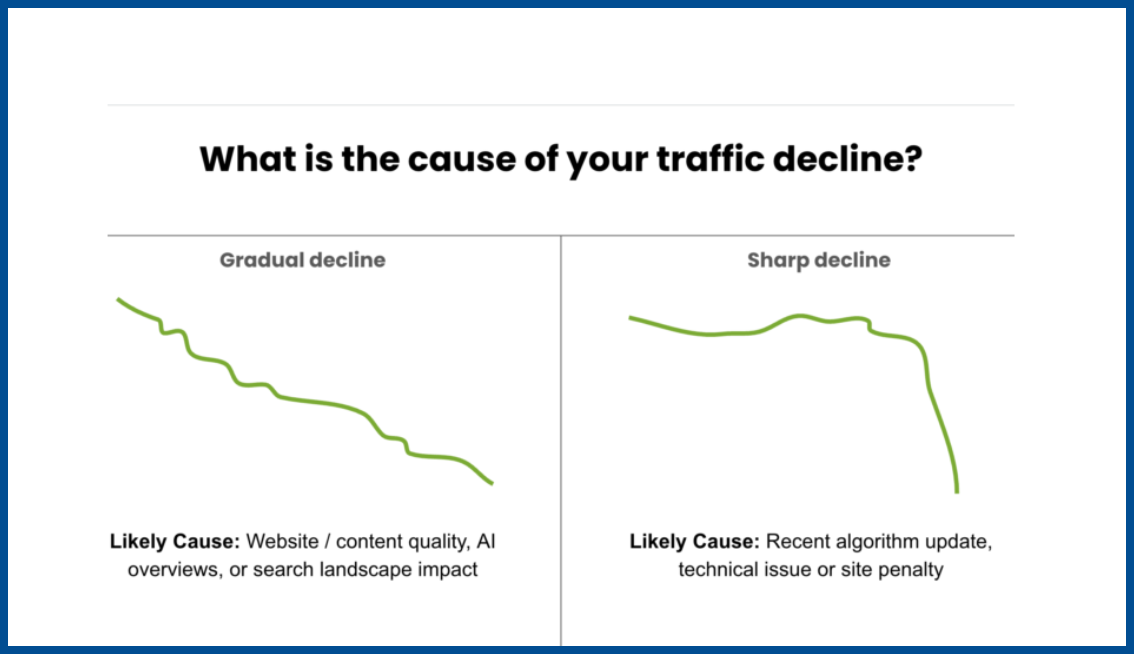
- Informational searches took a hit. Seer Interactive found that click rates on informational searches with AI summaries fell 61% between mid-2024 and September 2025.
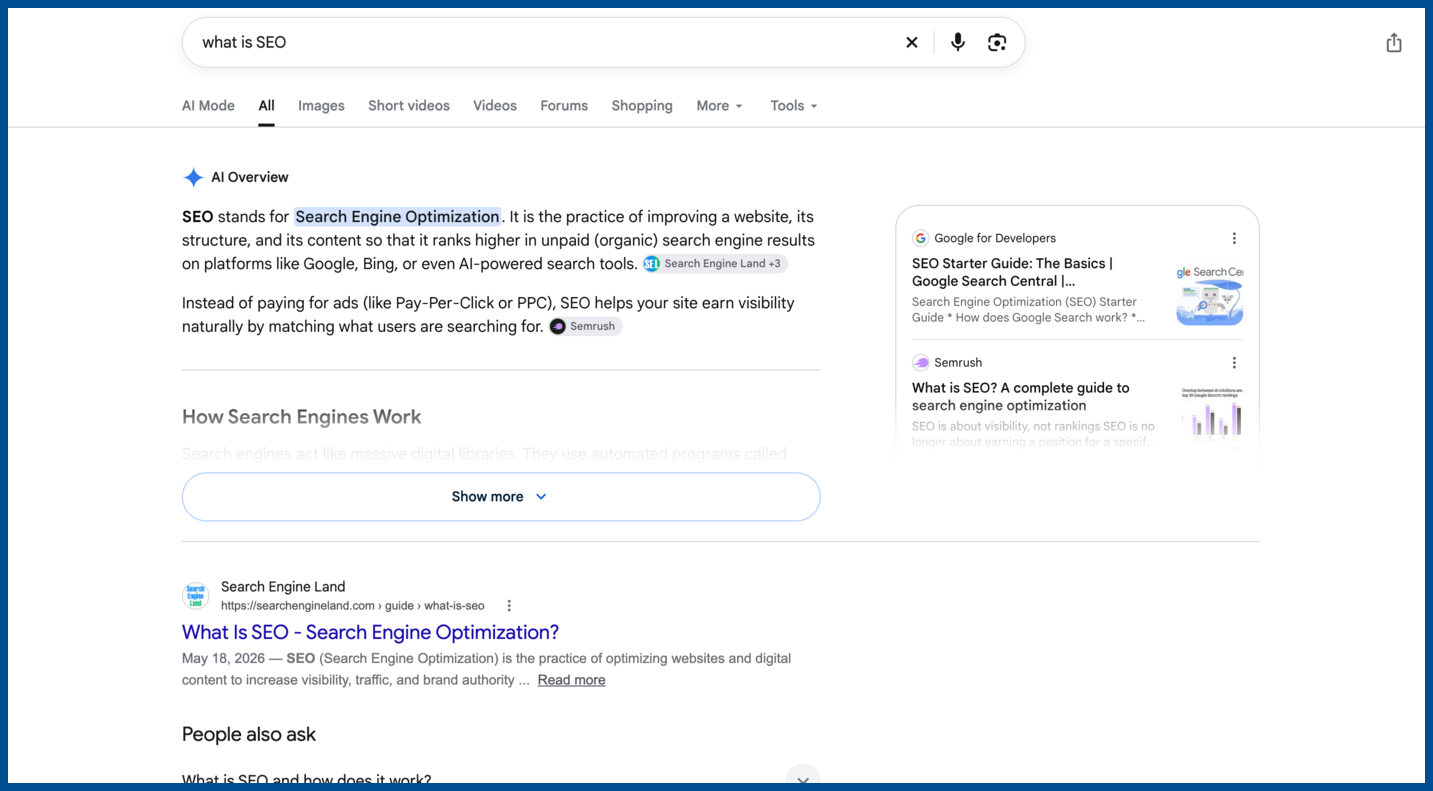
- Buying searches see far fewer AI summaries. In Seer’s 2026 study of 5.47 million queries, AI summaries appeared on 36% of informational searches, 8% of commercial ones, and just 5% of transactional ones.
- The people who still click are serious. Someone typing “emergency plumber near me” doesn’t want an essay. They want a phone number.
So what’s dying? Ranking for broad “what is” phrases and judging SEO by visits alone.
And what’s thriving? Ranking for searches that signal buying intent, then measuring calls, form fills, and booked meetings.
In other words, SEO isn’t dead. The old, traffic-obsessed version is.
Think of it like fishing. You can cast a giant net and haul in a thousand fish you can’t sell. Or you can fish where the buyers are.
That’s the shift: quality over volume.
Why Your SEO Brings Traffic but No Customers
Here’s the problem with old-school SEO. It chases volume.
Big, broad keywords like “what is SEO” bring crowds. But who’s in those crowds? Students. Researchers. DIYers. Curious browsers. People who will never pay you.
Take HubSpot, the company that popularized inbound marketing. Its blog once pulled in over 20 million organic visits a month. After AI answers spread, it lost about 80% of that traffic. Yet revenue still grew nearly 20% in 2025.
Why? Its CMO says much of that traffic was never going to become revenue. Think posts about famous quotes and shrug emojis. Nobody searching for those is shopping for software.
Ahrefs, the SEO tool company, plans around this. It scores keywords from 0 to 3 based on how naturally its product fits the topic, then goes after the 2s and 3s first.
You can do the same. Think of a plumber’s potential customers in three stages:
Curious: “how to unclog a drain”
Comparing: “plumber reviews”
Ready to pay: “emergency plumber near me”
Most SEO campaigns camp out in the first stage. Most revenue lives in the last.
So flip your strategy toward bottom-of-funnel searches, where the buyer’s credit card is practically in hand. Think words like “hire,” “pricing,” and “quote.”
Fewer visitors? Sure. But 50 visitors who need you today beat 5,000 who never will.
That’s also why traffic reports can mislead you. They count everyone who showed up, not the people who could actually become customers.
Try this today. Open your analytics and sort your pages by visits. Then sort them by leads. If the two lists look nothing alike, you’ve found your problem.
The 3 Pillars That Turn Searchers Into Signed Clients
Getting the right visitors is step one. Turning them into clients takes three things.
1. Intent Mapping
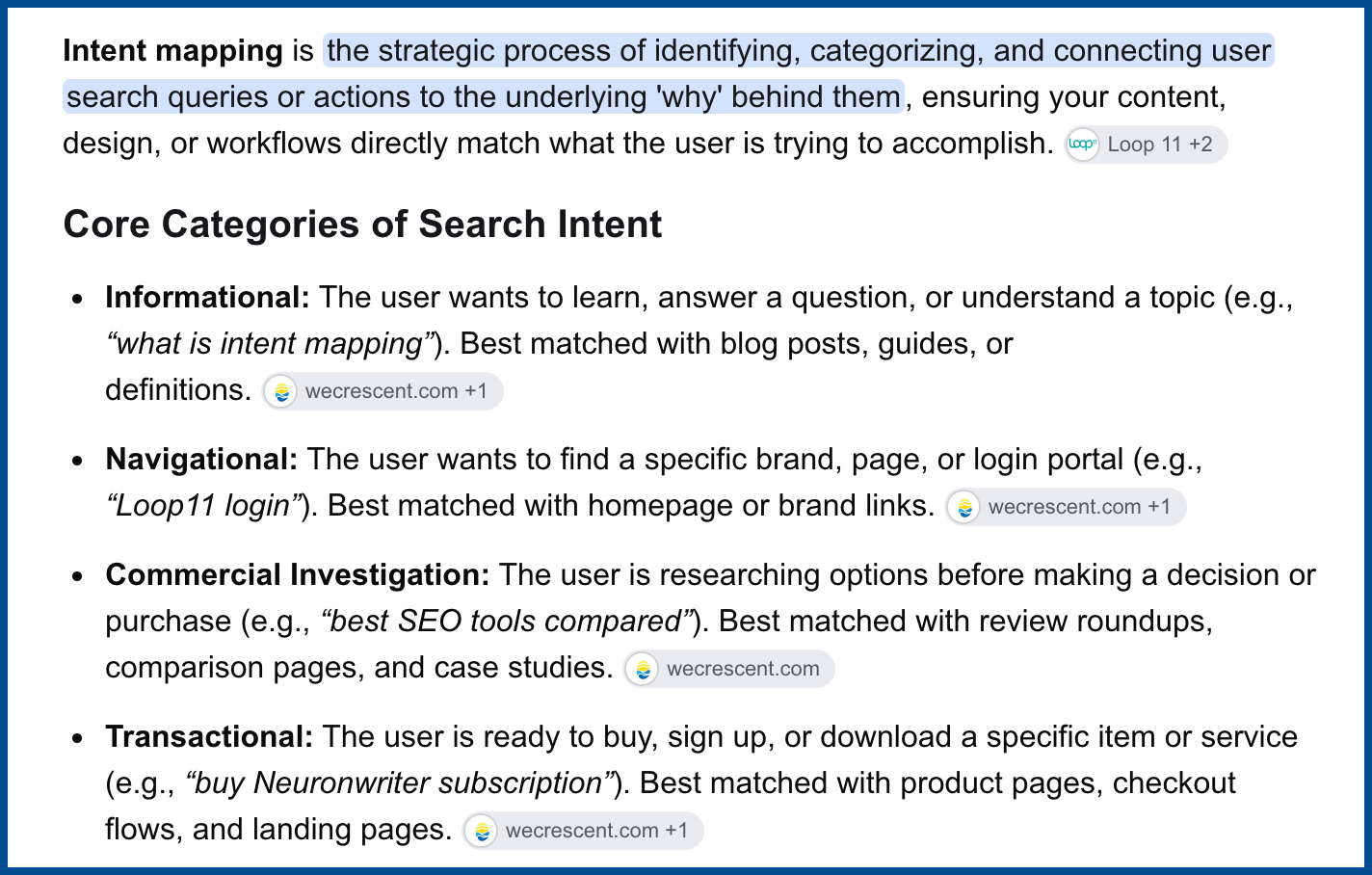
Match every page to what the searcher wants right now.
- List your services.
- Add buying words like “cost,” “hire,” or “near me.”
- Search each phrase yourself. If Google shows service pages, map listings, or shopping results, buyers are there.
- Build one focused page per service (and per city, if you’re local).
For example, a page built for “emergency plumber near me” should be simple. Say what you do, show your service area, and put your phone number up top. Skip the 2,000-word essay.
2. Frictionless UX
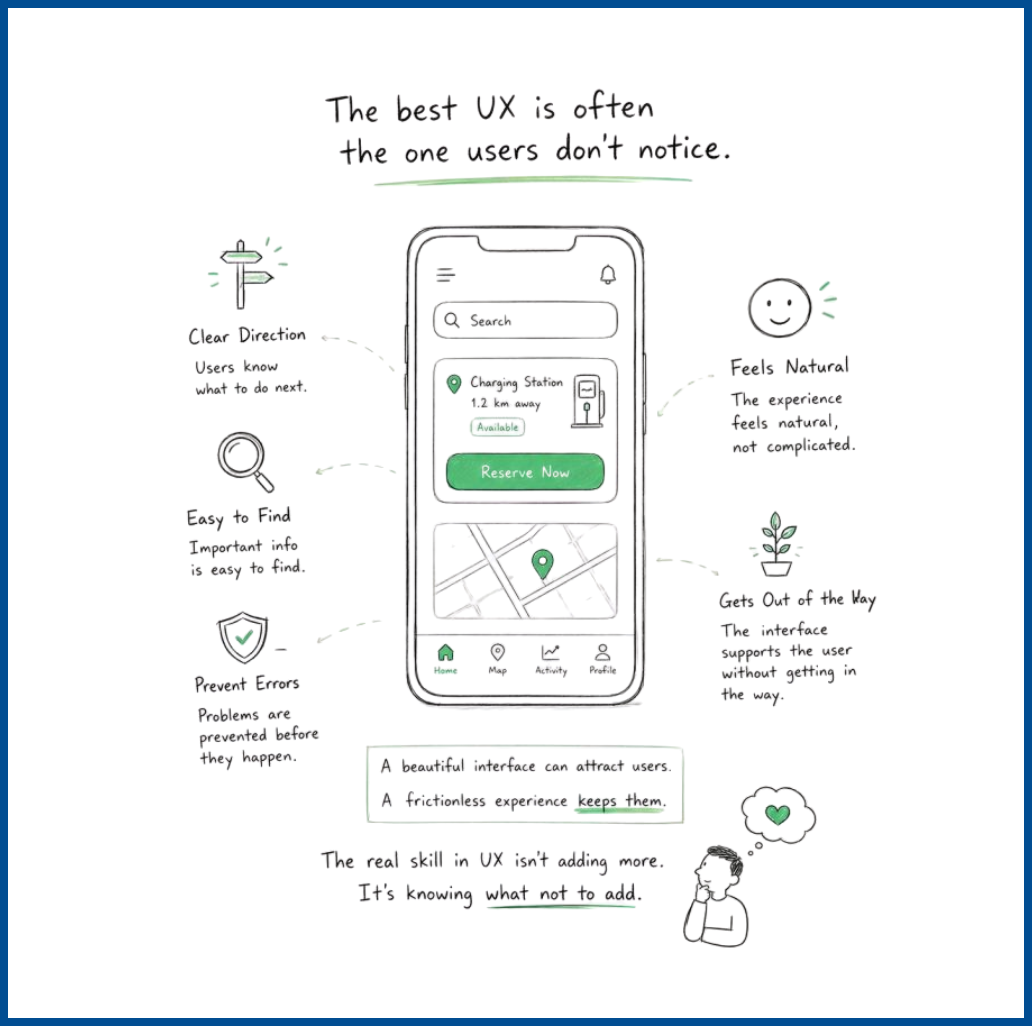
Once a buyer lands on your page, don’t make them work.
- Speed: Portent studied over 100 million page views. B2B sites that loaded in one second converted about three times better than sites that took five.
- Short forms: In a well-known 2008 test, web agency Imagescape cut its contact form from 11 fields to 4. Its conversion rate jumped from 5.4% to 11.9%. It was a small test, so run your own.
- Easy next steps: Put a click-to-call button, booking widget, or short form where people can see it without scrolling.
Quick tip: test your page on a phone. If it feels slow or clunky there, fix that first.
3. Authority and Trust
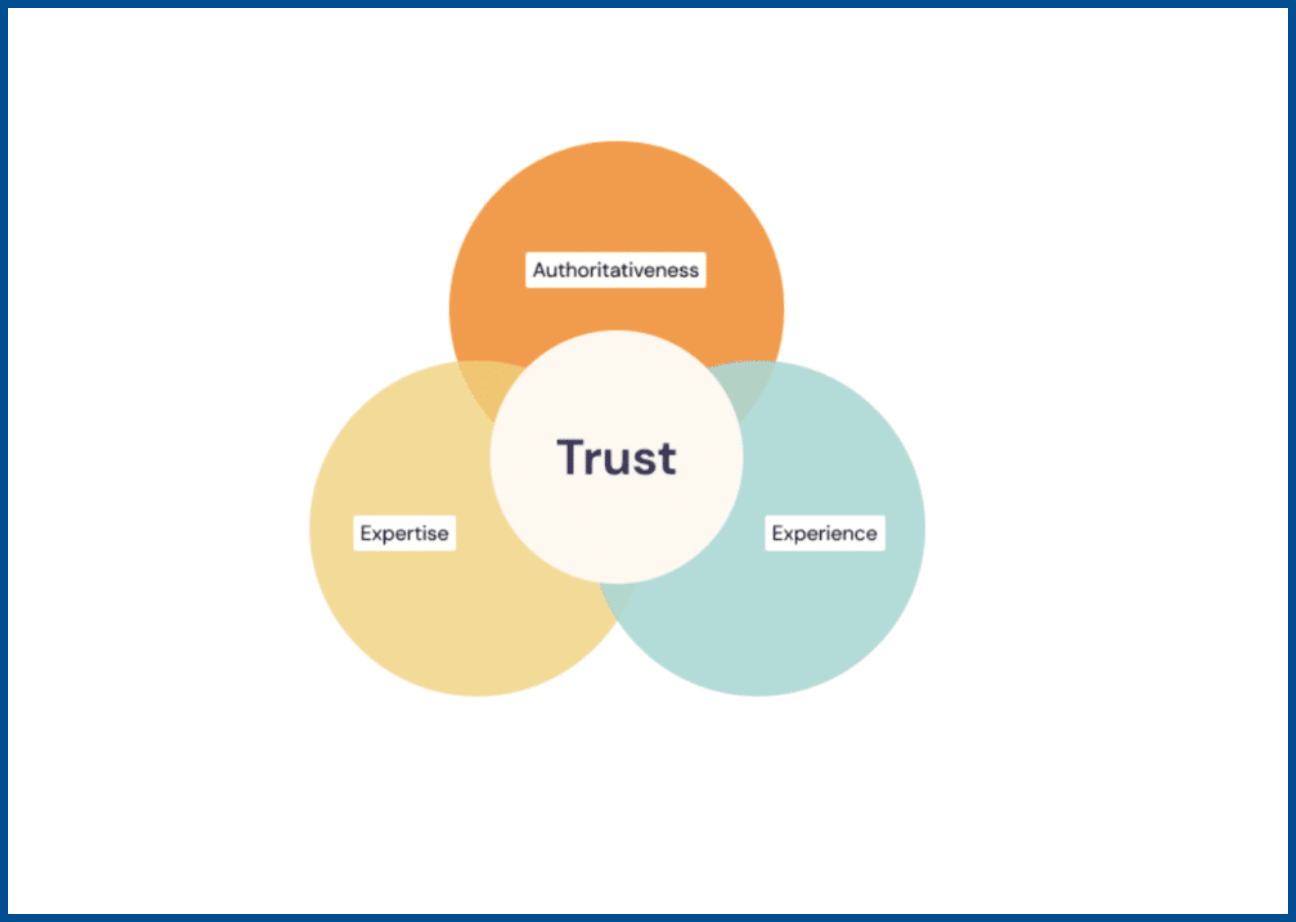
Buyers check you out before they commit.
BrightLocal’s 2026 survey of 1,002 US consumers found that 97% read reviews for local businesses. And 47% won’t use a business with fewer than 20 reviews. After reading a good review, 54% head to the business’s website next.
So your page is the second stop. Make it prove you’re the safest pick:
- Show real reviews and star ratings near your call-to-action.
- Add case studies with real numbers.
- List credentials, awards, and press mentions.
- Put your name, face, and address on the page.
Do this well, and visitors stay instead of bouncing back to Google.
Scaling Your Pipeline: Where SERPninja Comes In
Here’s the catch. A perfect page doesn’t rank itself.
Every other business in your niche wants the same buyers. And the top spot is worth fighting for. Backlinko’s study of 4 million Google results found the #1 result earns about 27.6% of clicks, roughly ten times more than the #10 spot.
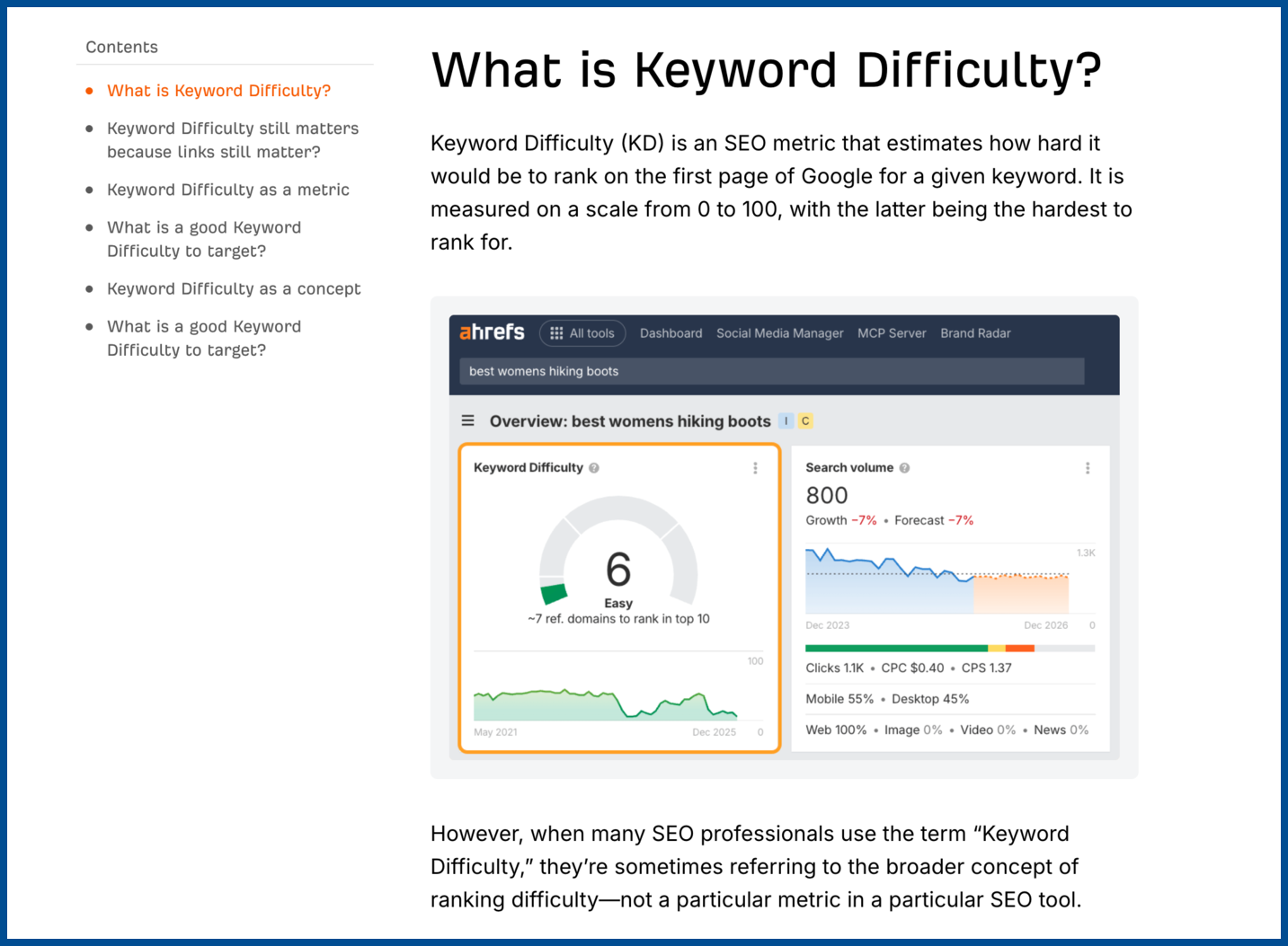
So how do you get ahead? Authority. Even Ahrefs builds its keyword difficulty score from the backlinks that top-ranking pages already have. In competitive niches, links are often what separate the winners from the rest.
That’s where SERPninja comes in.
SERPninja is a link-building specialist with 7+ years of experience and 300+ agency partners and consultants. It builds the off-page trust signals your high-intent pages need to climb. Every order is fulfilled in-house.
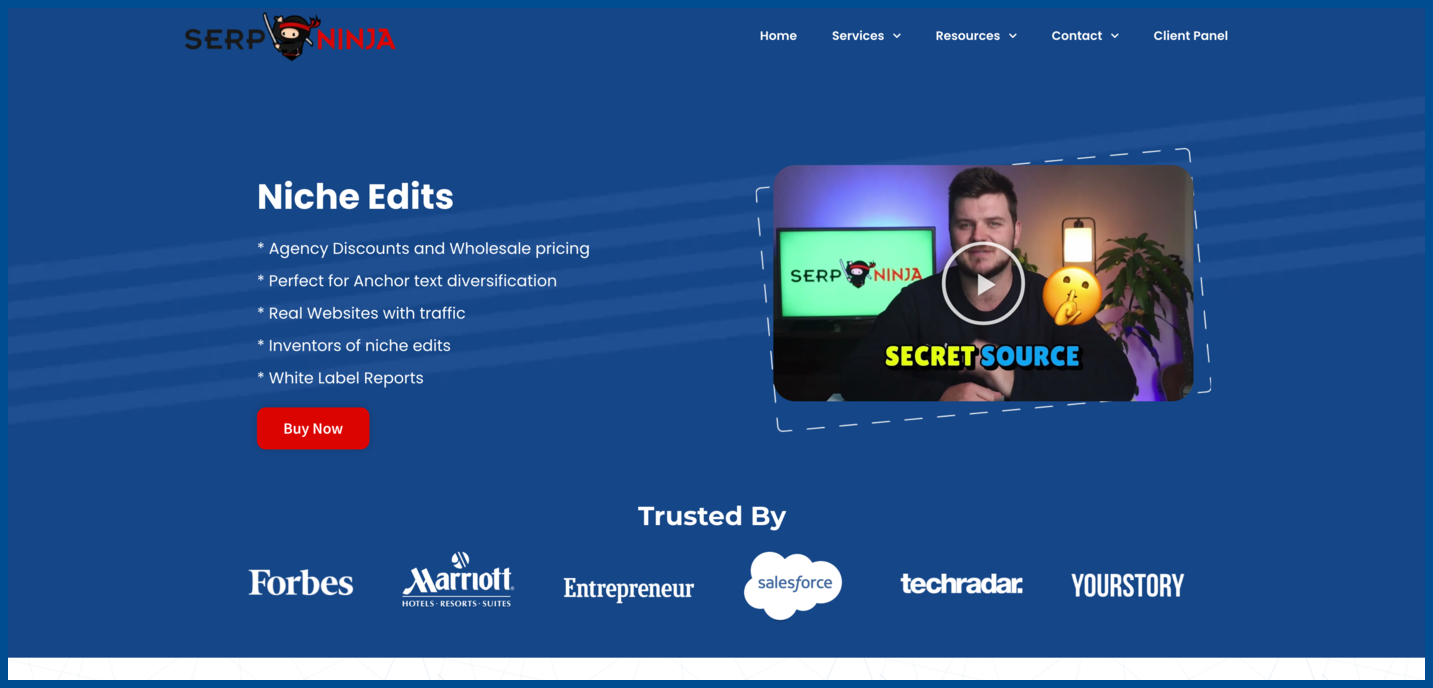
Niche edits place links inside existing, trusted articles. Guest posts put hand-written content on real, high-authority sites.
Local citations keep your business listings consistent, so nearby buyers can find you. Managed link building runs it all as an ongoing campaign, so you don’t juggle vendors.
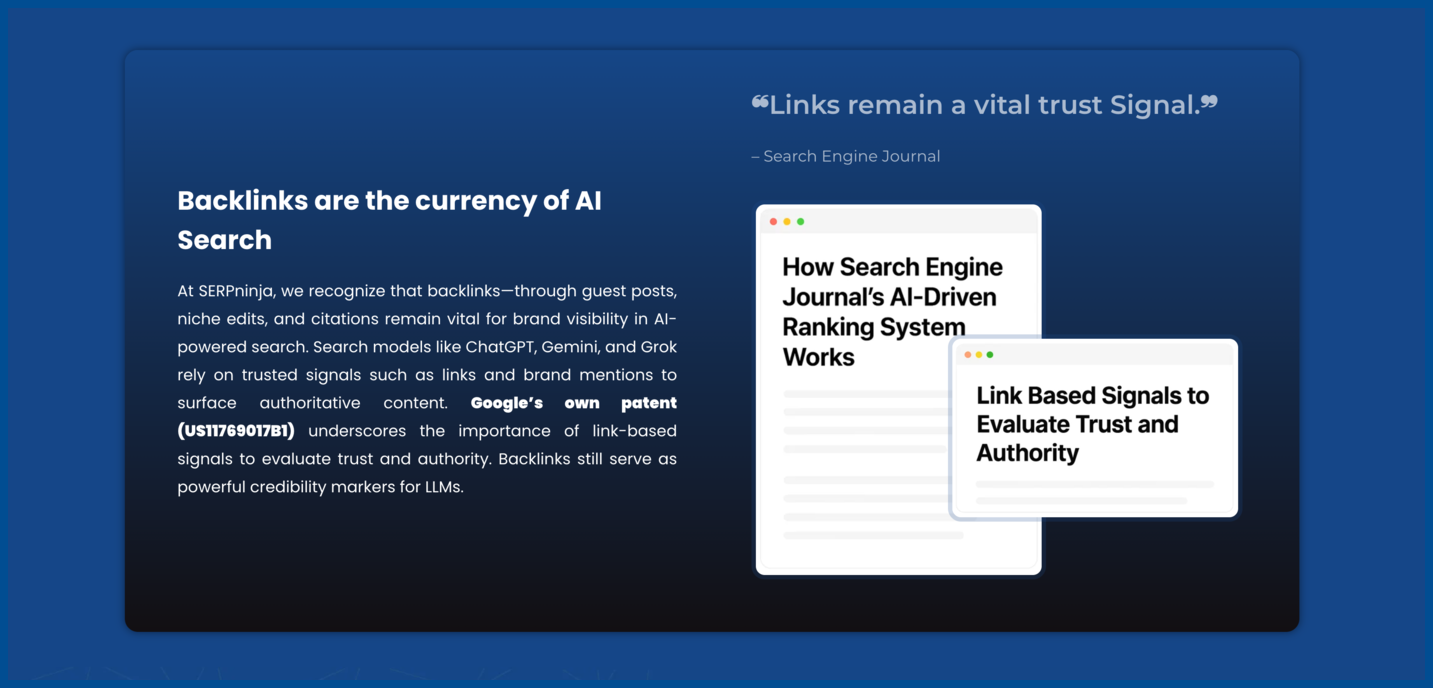
Quality over volume applies to links, too. A handful of links from relevant, trusted sites beats hundreds of junk ones. Junk links can even backfire.
Your job is to build pages that convert. SERPninja’s job is to help buyers find them. Together, they can turn organic search into one of your most reliable revenue channels.
Conclusion
SEO for lead generation isn’t dead. It’s just misunderstood. The old playbook of chasing big keywords and celebrating traffic is what’s broken.
The new playbook is simple. Target searchers who are ready to hire or buy. Make your pages fast, clear, and easy to act on. Prove you’re trustworthy. Then build the authority to beat your competitors to Page 1.
You don’t have to tackle that last part alone. SERPninja builds the authority that helps push your money pages toward the top, so your phone rings, your inbox fills, and your traffic finally turns into clients.
Stop counting visitors. Start counting customers.
Ready to turn your best pages into your best salespeople? See how SERPninja can help.
FAQs
Is SEO for lead generation still worth it in 2026?
Yes. Google still handles more than 5 trillion searches a year. Focus on buying-intent searches, which show far fewer AI summaries.
How long does SEO for lead generation take to work?
Most businesses see early movement in about three to six months. Stronger results usually come around six to twelve, depending on competition.
What are high-intent keywords?
They’re searches from people ready to act, like “hire a roofer,” “SEO agency pricing,” or “dentist near me.”
Can a small business compete for high-intent keywords?
Yes. Start with specific, service-based searches in your area, where the competition is lower, and build authority steadily.
How do I know if SEO is bringing real leads?
Track form fills, calls, and booked meetings, not just visits. Then use Google Analytics, Search Console, and your CRM together to see which pages bring paying clients.
Do backlinks help lead generation pages rank?
Yes, especially in competitive niches. Quality links from relevant sites build the authority that helps your money pages climb.


