

Key Takeaways
-
Quora is an incredibly powerful channel for content marketing, attracting a global, intent-driven audience searching for answers.
-
Making a solid Quora profile with a transparent bio, topic choice, and shown credentials increases your authority and trustworthiness.
-
By filling content gaps and answering relevant questions in a strategic way, you can establish yourself as an industry expert and generate targeted traffic.
-
Leveraging storytelling, images, and organic links in your responses increases engagement and shows authentic value to readers.
-
Quora isn’t only good for answering questions; it’s helpful when conducting market research, monitoring your competitors, and sourcing expert opinions to enrich your content strategy.
-
Consistently monitor your referral traffic, answer views, and follower growth to gauge your performance and optimize your Quora approach for ongoing improvements.
Quora provides a functional content marketing avenue where brands and individuals can respond to authentic user inquiries, build credibility, and attract specific visitors.
With its millions of active users, Quora links businesses to users looking for advice and insight. Marketers utilize Quora to establish trust and distribute content.
The sections below outline demonstrated tactics for transforming Quora engagement into effective content marketing outcomes.
Why Quora for Content Marketing?

Quora is a unique global Q&A platform where real people find answers and write answers. With 300 million monthly users, it gives content marketers more than reach. It is a place to engage with high-intent audiences and get discovered by new prospects.
The dynamic here is different from most social channels. Users arrive with questions in hand, looking for actionable advice, not just entertainment. This intentionality makes Quora a marketer’s dream, a place to build trust, show your expertise and generate serious engagement while following the community’s rigid rules that keep spammy hard sells off the platform.
Audience Intent
Quora’s users are hungry for solutions, frequently in the market for advice, suggestions, or authoritative insight. These aren’t mindless scrollers; they’ve got a mission, from business types addressing pain points to consumers looking for the right product or trend. By leveraging Quora marketing efforts, you can tap into this engaged audience effectively.
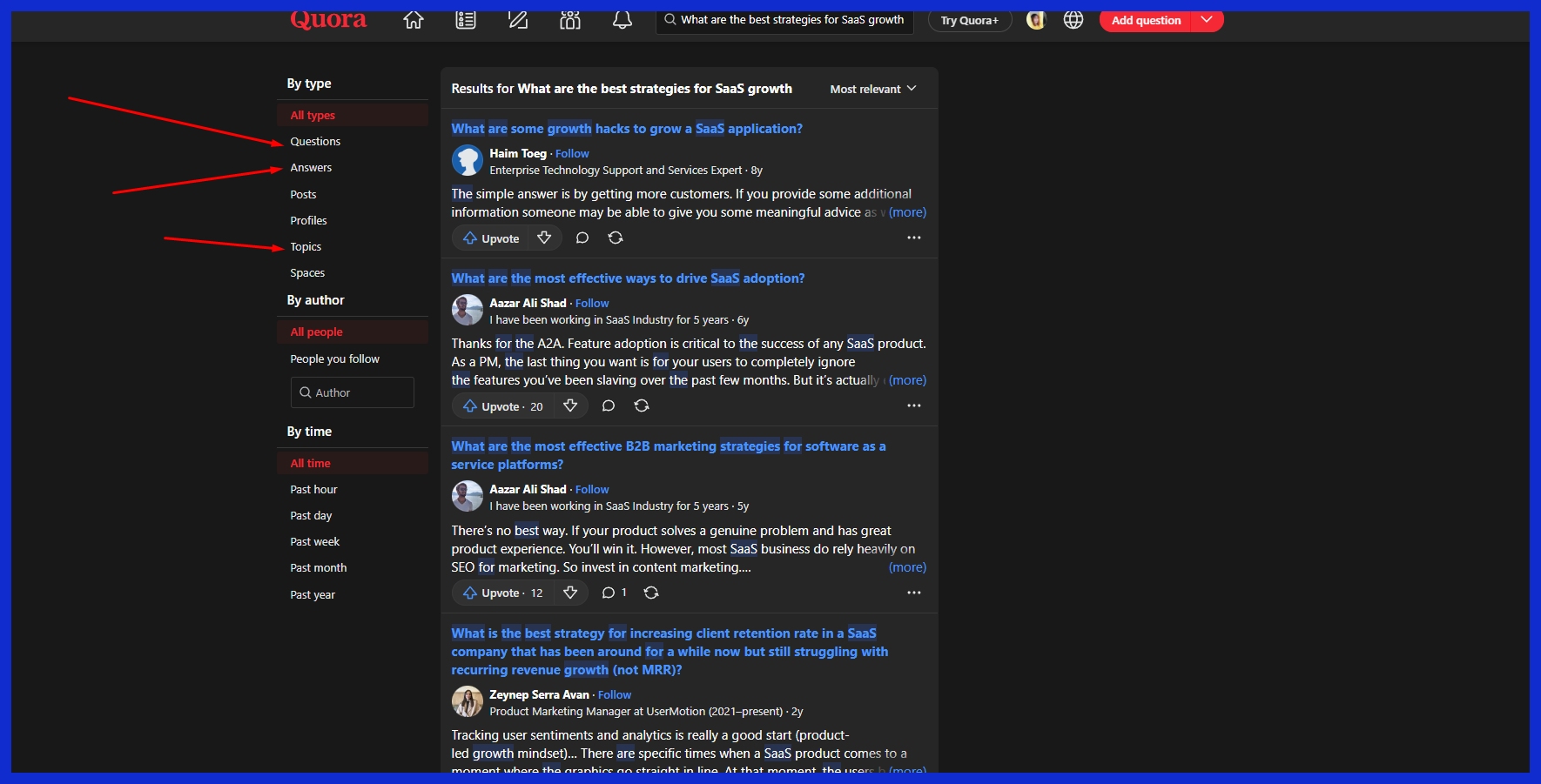
For content marketers, this means every answer you give arrives in front of someone who actually cares about the subject. When someone queries, ‘What are the best strategies for SaaS growth,’ and your answer is detailed and valuable, you’re not just demonstrating expertise—you’re fulfilling an actual need at the exact moment of interest. This is where Quora ads can enhance your visibility even further.
That’s a sweet spot most platforms have a hard time delivering. Since more than 50% of Quora’s traffic comes from search engines, your answers aren’t confined to the platform either. They appear in search, connecting with people who may have never visited Quora but are looking for exactly what you’re an expert on, expanding your reach to new audiences.
This gives your content an extended shelf life and visibility, where every carefully constructed answer becomes a form of long-tail, evergreen traffic back to your site or branded properties, ultimately supporting your overall content marketing strategy.
Topic Validation
For content marketers, scrolling through Quora on a regular basis provides direct exposure to what questions are bubbling up in your niche. Rather than speculating what your audience cares about, you see the real words and issues they’re wrestling with.
If you’re in fintech and see that there are dozens of recent questions around ‘blockchain use cases in banking’, that’s a tip-off. It’s a shortcut to discovering holes in your content, validating new blog topics, or honing your messaging.
After all, sometimes the best content ideas are not the ones you come up with in a vacuum. They are the ones real people are already asking. Quora makes this process organic, not forced.
Quora’s open question threads allow you to see the language people use to describe their issues, which can inform anything from keyword targeting to headline copywriting. If you’re an agency or consultant, this is research gold right from the source, no costly surveys needed.
Authority Building
Authority on Quora isn’t about answers alone. It’s about the profile behind them. Marketers can add educational and certification credentials, as well as specific work experience. These public markers of expertise establish credibility before a single response is consumed.
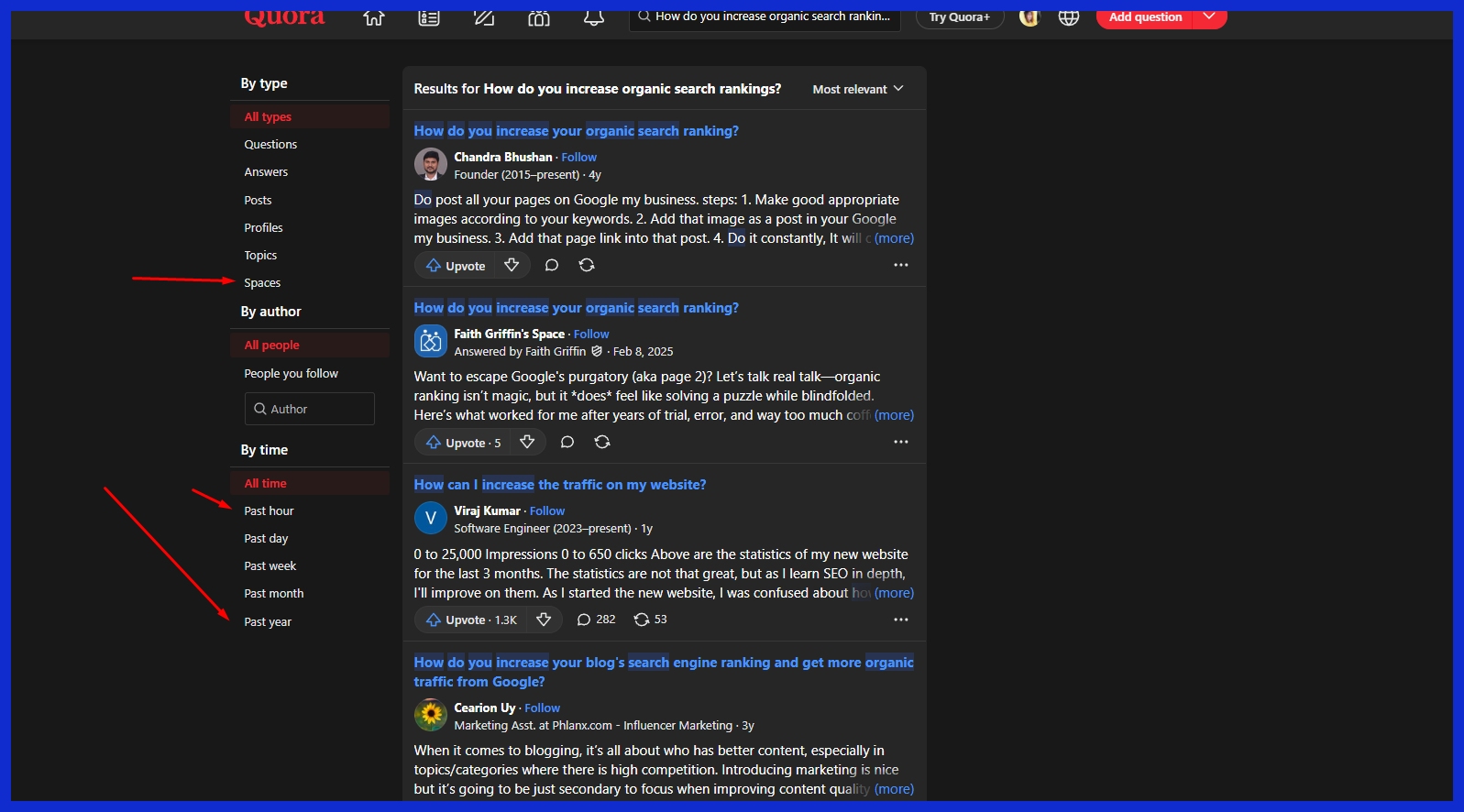
When users see a digital marketing consultant with years of hands-on experience responding to “How do you increase organic search rankings?” that profile information by itself increases trust. Quora’s culture incentivizes non-promotional, very high-value contributions.
Because the platform is so strictly moderated, it keeps out the pop and fizzle of spam, so your authority grows with every quality answer, not how aggressively you promote. Over time, consistent, clear, useful answers create a track record that is difficult to fabricate and easy for clients and prospects to discover.
Because you can retarget users who have read your answer but have not converted yet, you can continue to nurture those relationships, transforming readers into leads and, eventually, customers.
Foundational Quora Profile Setup
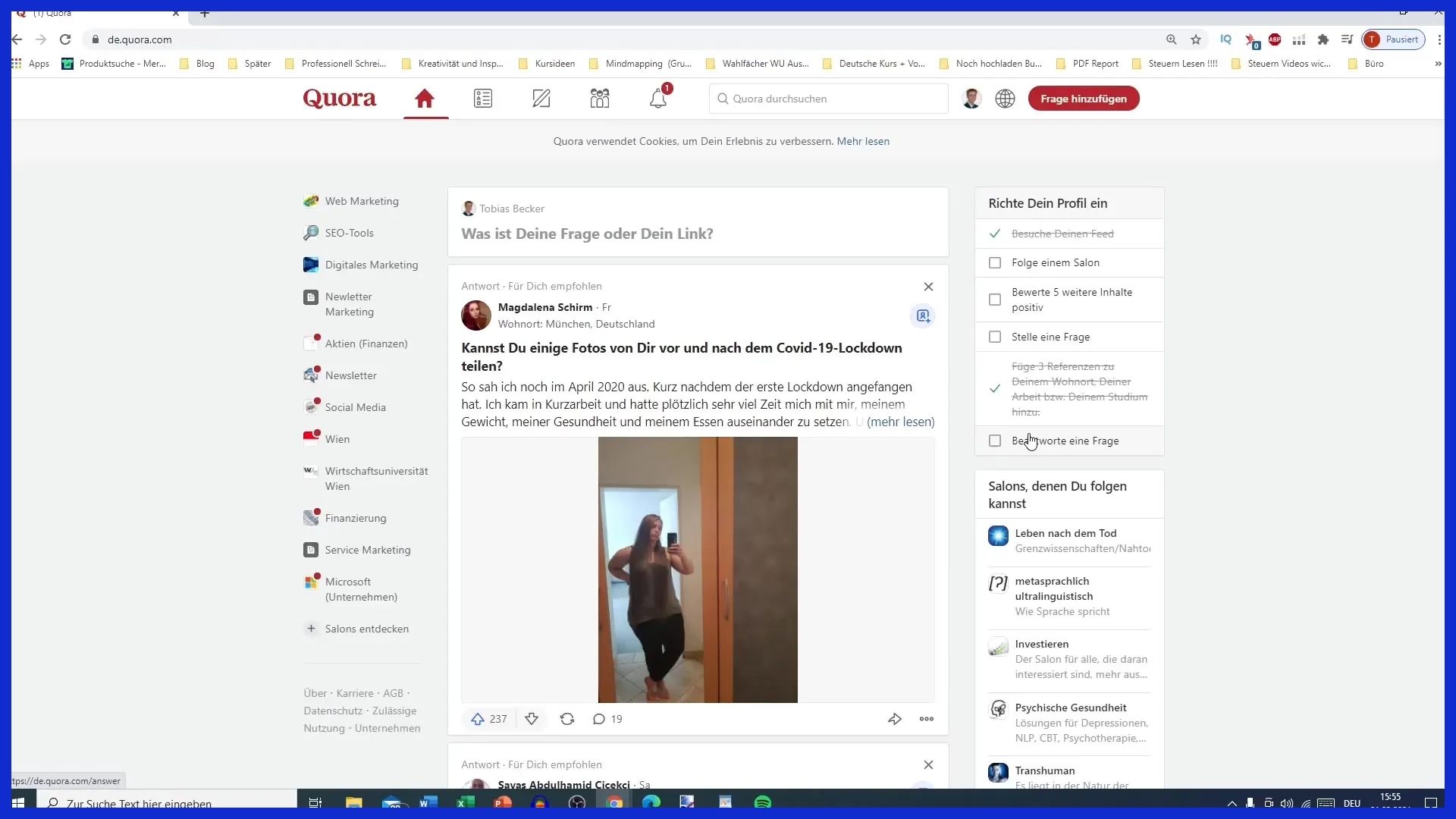
An optimized Quora profile is the springboard for any successful Quora-based content marketing plan. Before jumping into answering questions or engaging with the community, a profile has to communicate clearly who you are, what you know, and why your insights are relevant. Quorans are quick to judge credibility, so a sparse or templated profile works against you.
Profiles serve as digital business cards. When done well, they convey authority and unlock opportunities for authentic interaction.
Craft Your Bio
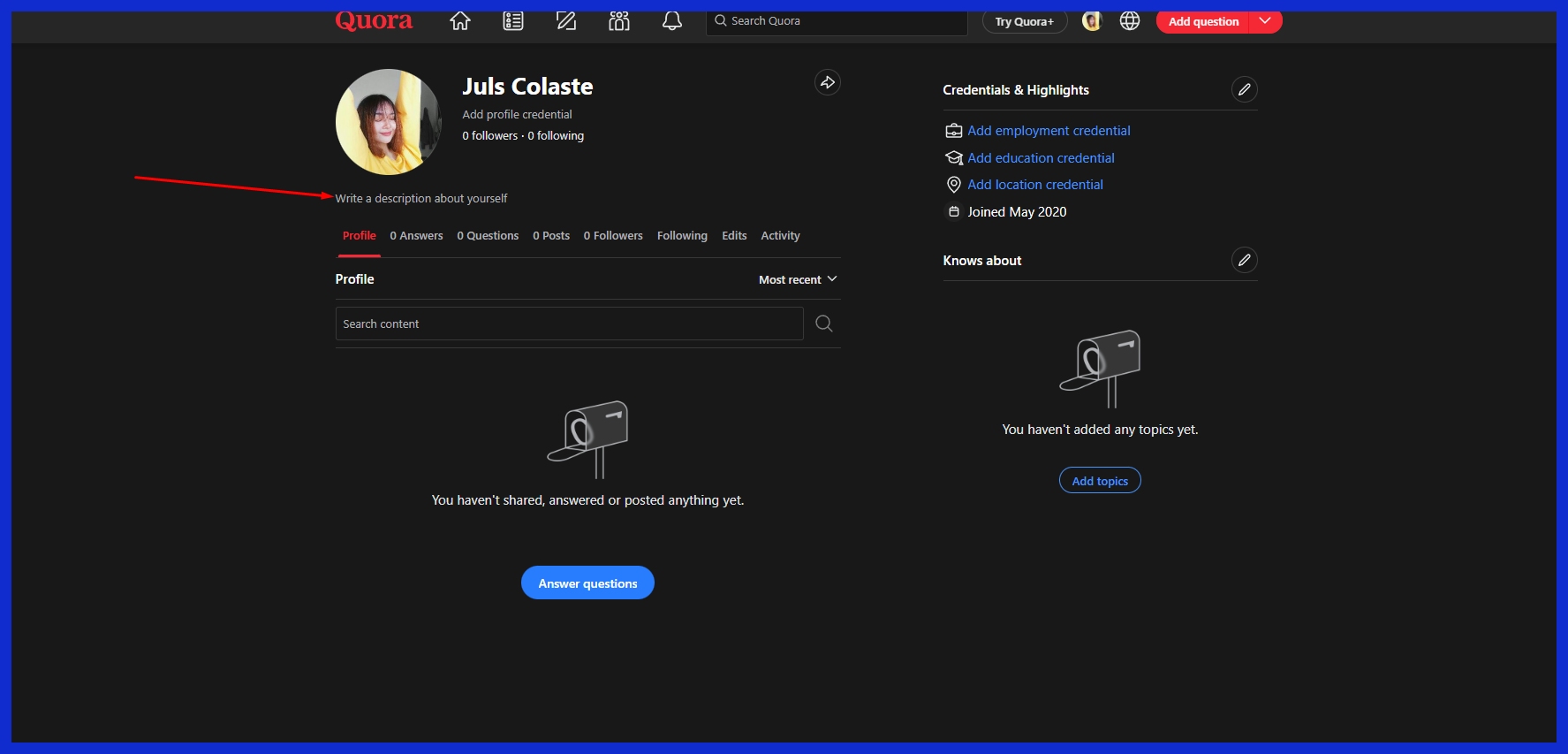
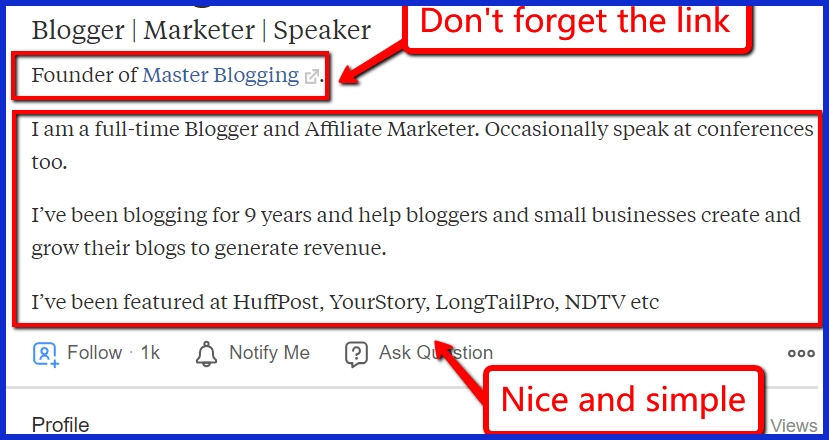
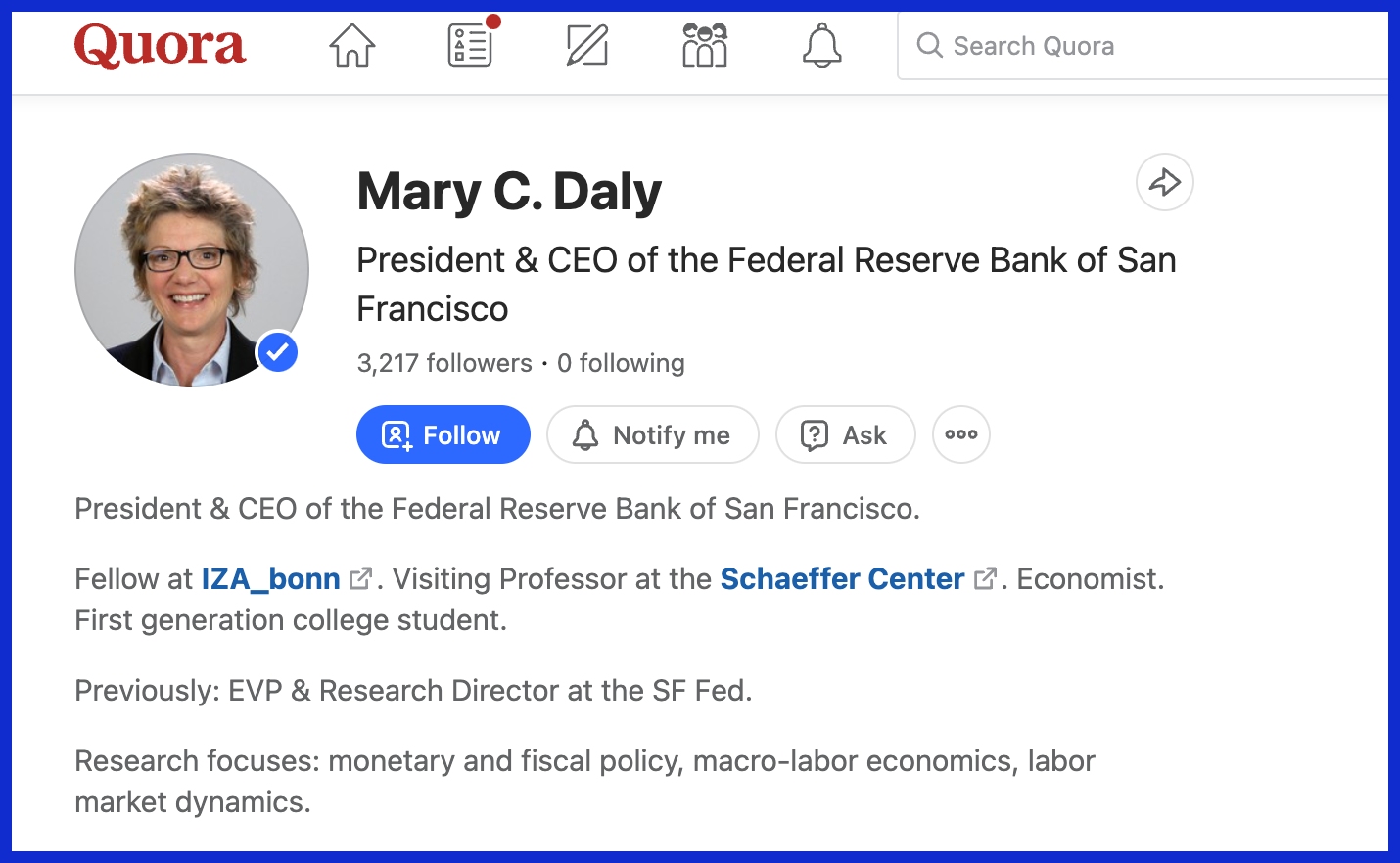
Your bio takes pride of place on your Quora account, serving as both a pitch and a credibility indicator for your Quora marketing efforts. Keep it tight and to the point by mentioning your current position, expertise, and any notable accomplishments. A thorough bio isn’t just resume padding; it’s about making connections for readers who want to understand why your answers merit their interest in popular Quora topics.
If you’re a digital marketing consultant with a decade under your belt, for example, note the particular industries you’ve collaborated with, such as SaaS companies, ecommerce, and hospitality. Toss in a link to your professional site or portfolio to enhance your Quora writing. Just make it organic, not salesy.
Quora allows you to tag other users, which is useful for tagging mentors or collaborators, creating a subtle network effect with your profile. Always include a nice professional profile photo and, if you can, a brand-relevant header image. Half-baked profiles never catch on. A complete one transmits honesty and purpose.
Select Your Topics

Topic selection is where you plant the seed for the discussions you wish to steer. Start by selecting topics that align with your knowledge and target audience. Don’t stop at general topics like “SEO” or “digital marketing.” Drill down to specifics, for example, “link building strategies” or “content marketing for startups.
This makes you appear in the appropriate feeds and makes your answers more available to those interested in those subjects. While you can change your topics as your interests shift, consistency builds a presence.
For instance, if you’re a casino SEO, having specialties such as “online gambling marketing” and “affiliate traffic growth” provides a strong signal to prospects and peers. It’s tempting to overshoot, but keeping to key areas keeps you credible.
Establish Credentials
Setting up a foundational Quora profile involves more than just listing qualifications; it’s about showcasing your expertise in a way that resonates with your target market. Curate proof points that matter to Quora audiences, such as linking your LinkedIn profile, adding case studies, or highlighting your Quora writing experience. Use the credentials feature to indicate relevant positions for each topic area you engage with, enhancing your brand authority.
Include any industry certifications and leverage the profile’s sections to provide context for potential customers. For instance, if you increased a site’s organic traffic by 200% in 12 months, make sure to specify the niche and the challenges you faced. This approach not only builds trust signals but also positions you as a credible Quora user.
If you are part of notable organizations or have public speaking experience, include that as well. Remember, the goal is not to hard-sell your brand but to be informative and accessible, making users comfortable with your insights. This strategy aligns with broader content marketing goals and can significantly enhance your Quora marketing efforts.
Strategic Quora Content Marketing
Quora is a strange playground for content marketers, especially those focused on quora marketing efforts. Answers can appear in Google positions and remain relevant for years. A solid profile with a straightforward bio, professional photo, and site link is a base. Because of Quora’s watchful moderation, value will always beat hype, making it a venue that highlights subject matter savvy and generates focused traffic.
1. Identify Content Gaps
Begin by charting frequent questions in your field. Dig through top-performing Quora threads and look for patterns: What are people asking that isn’t getting detailed or up-to-date answers? This is the gap your expertise plugs.
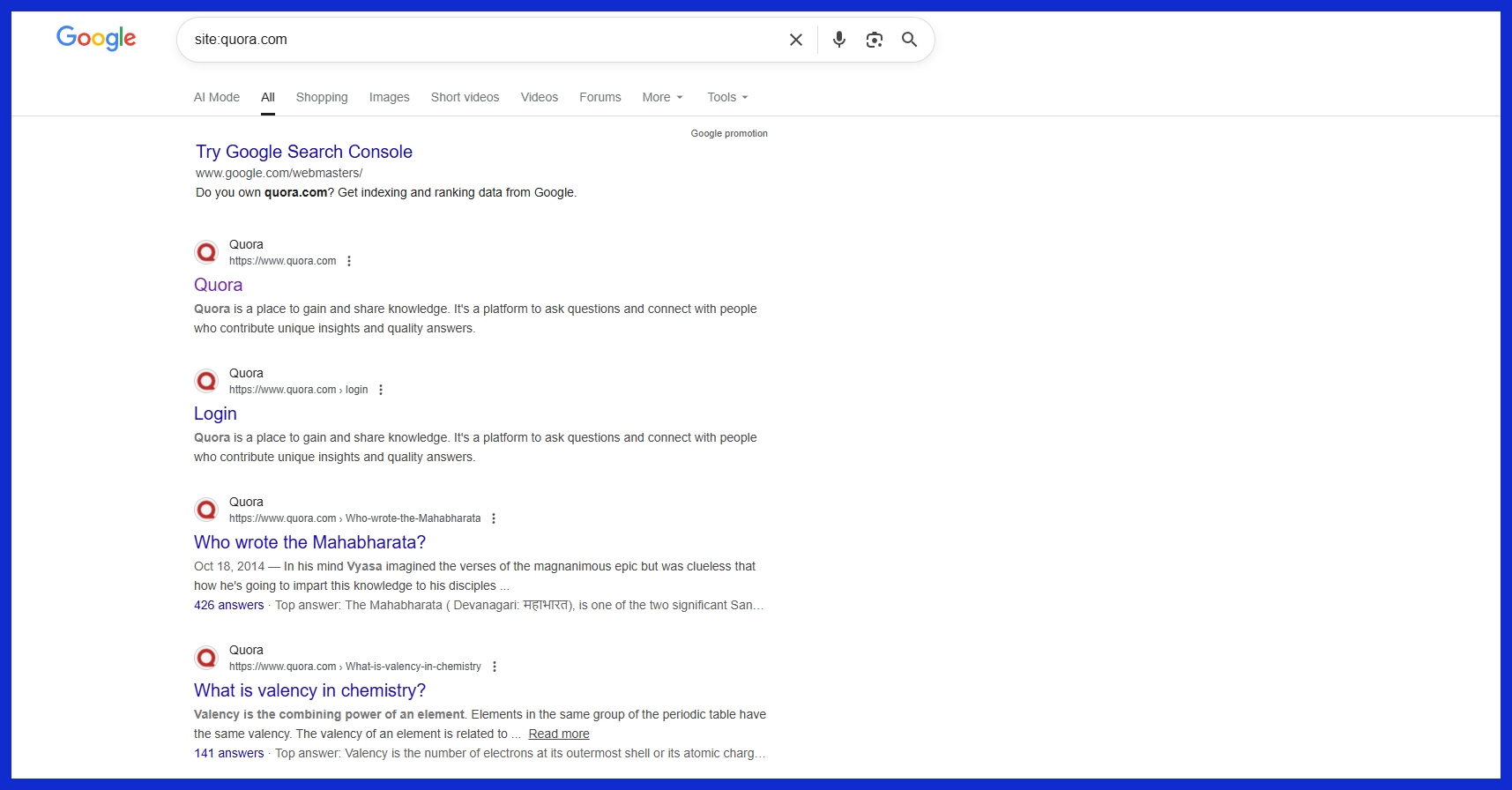
Use tools like Quora’s search filters and Google’s “site:quora.com” command to spot high-ranking, underserved questions. Write down common threads that competitors overlook or misinterpret. Identifying gaps isn’t merely about locating questions with no answers. It’s about recognizing old advice, surface-level reactions, or unresolved threads where you can provide insight.
2. Answer Strategically

As always, seek quality over quantity. Focus on answered questions and those that are already in Google’s top 10, as these will be visible for a long time. Provide answers that transcend banal advice.
Support assertions with real-world examples, perhaps a case study from your own campaigns or a how-to walkthrough. Keep self-promotion subtle; follow the “10% rule” and only link to your content when it genuinely helps. Don’t be bland. Personalize your tone, respond directly to the asker, and format with clarity so your expertise shines without setting off spam filters.
3. Create Quora Spaces
Building a Space positions you as a thought leader in your niche. A Space is essentially a mini-community with your agenda. Curate best answers in your industry, post originals, and invite collaborators.
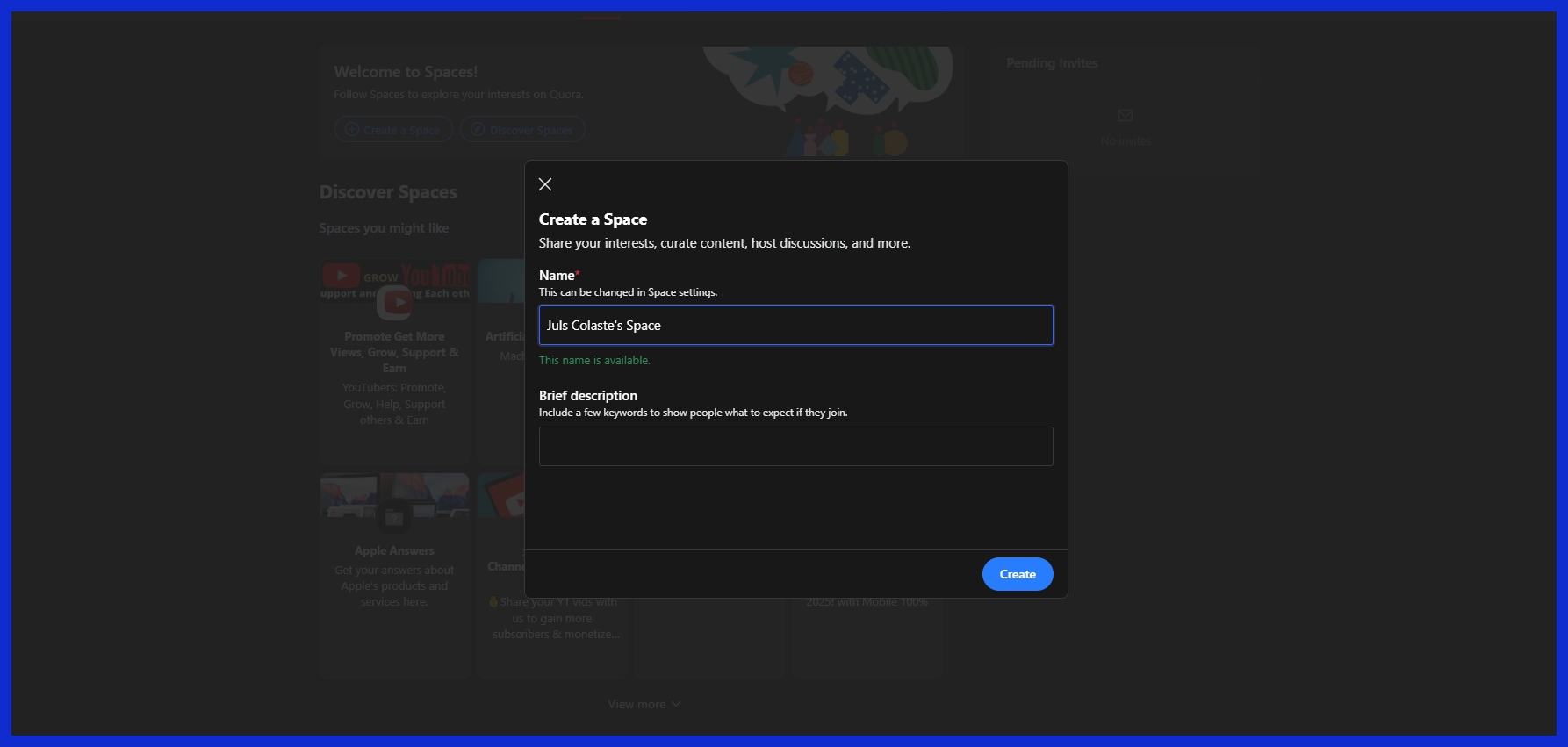
Use Spaces to showcase insights that don’t belong in typical Q&A threads. A powerful Space pulls in followers, sparks conversations, and establishes your brand as the destination for sophisticated industry conversations. Don’t forget, it’s the consistency that counts—post regularly, moderate politely, and generate real discussion.
4. Repurpose Your Answers
Don’t let good content collect dust. Take your top Quora responses and repurpose them for blog posts, LinkedIn articles, email newsletters, or even video scripts. Occasionally, a deep Quora answer can ignite a cascade of how-to content for your site.
Repurposing not only maximizes reach but helps keep your messaging consistent. Showcase the most insightful feedback or commentary from your Quora threads to inject social proof and new angles into your owned channels.
5. Analyze Engagement Data
Follow which responses receive upvotes, shares, and comments. Track Quora referral traffic to your site in analytics. See what subjects get people talking or attract new followers.
Use this data to refine your approach: double down on themes that resonate, adjust your posting frequency, and test new content formats. Engagement review is not just a numbers game; it is about discovering what your audience appreciates and growing your strategy accordingly.
The Art of a Valuable Answer

A valuable answer on Quora is about more than a quick response. It’s a beautifully crafted answer intended to inform, establish trust and demonstrate expertise without coming across as a sales pitch. Leading with your best keeps attention keen, particularly when readers are wading through tens of answers.
Clear, concise language, no jargon and no fluff, that a global audience can understand. Make sure each answer is on point and uses relevant keywords in a natural way so both humans and search engines can find you.
Provide Depth
Depth does not mean immersing the reader in superfluous detail. It means answering the question completely. Picture the contrast between ‘SEO matters for sites’ and ‘SEO drives targeted traffic by getting your site to rank for keywords your audience is already using, such as ‘casino bonuses’ or ‘trusted slots sites.’ The latter shows practical knowledge.
If you spot a post about gambling restrictions, don’t regurgitate the code. Dissect how it affects casino operators across regions or how regulatory shifts can influence player confidence. If they inquire about boosting organic traffic, talk them through a step-by-step strategy such as optimizing page titles or cultivating high-quality backlinks.
Explain the ‘why’ of your answer, not just the ‘what.’ This type of meat differentiates you and establishes your credibility.
Use Storytelling

It’s storytelling that makes boring data forgettable to memorable insights. Picture a marketer flummoxed by fading traffic. They turned to Quora, created responses on slot tactics, and increased referral visits by 30%. This isn’t just hypothetical. It reflects results experienced by experts who incorporate relevant real-world anecdotes in their response.
One well-placed anecdote about a casino operator clearing a regulatory hurdle will resonate way more than a laundry list of compliance tips. Stories put a human face on your expertise and make your advice memorable, particularly when the reader is confronted with analogous struggles.
Utilize plain examples and character-based descriptions wherever you can, while remaining grounded in the lesson or takeaway.
Add Visuals

Visuals—screenshots, charts, infographics—can transform a decent answer into a great one. A screenshot of Google Analytics traffic spikes following a Quora campaign can instantly show effect. Infographics of regulatory changes by country provide an at-a-glance resource to international readers.
Don’t bombard your answer with pictures. A visual or two that directly backs your key message is sufficient. Ensure visuals are accessible with alt text and descriptive captions so all can gain regardless of device or ability.
Link Naturally
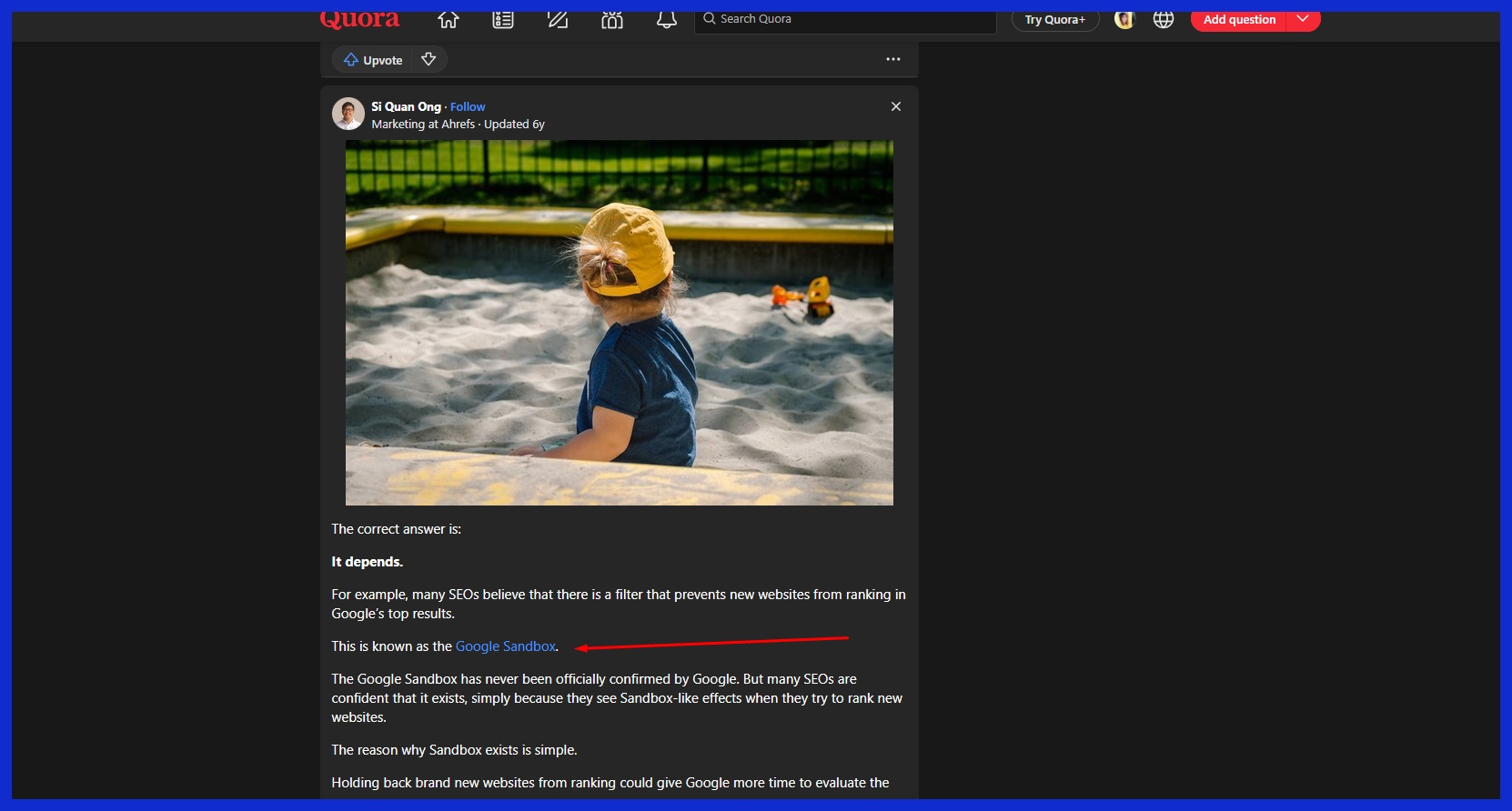
Links must bring real value, not interruptions or self-advertising! If you reference a cheat sheet on casino SEO or research on gambling behavior, link it only if it enhances your answer. Utilize descriptive anchor text such as ‘visit our in-depth casino link building guide’ instead of generalities.
Excessive links come across as spammy and diminish your authority. One contextual link per response is probably enough. Make sure the link points to quality, relevant content. Connecting like this boosts your credibility and makes your answer stay relevant and credible.
Beyond Answering Questions
Quora is not only a Q&A site, it is a living, breathing research tool for digital marketers and SEOs. Many use Quora as a link dropping platform, but the true potential is in using its community-powered perspectives, competitor behavior, and crowdsourced knowledge.
Applied wisely, it transforms into a treasure trove of market intelligence, brand credibility, and content ideas that fuel you for months or even years.
Conduct Market Research
Quora’s open format lets you mine genuine questions actual users are posing today, in every industry and every region. By browsing topic pages related to your niche, you’ll get a sense for what’s keeping your target audience up at night—what trends are emerging, what pain points recur, and even the language they’re using.
Other times, you’ll identify holes where nobody’s given a definitive, actionable solution. That’s your signal to jump in and mold the discussion. Instead of just seeing general feedback or keywords like on a survey or keyword tool, Quora allows you to see unfiltered conversation.
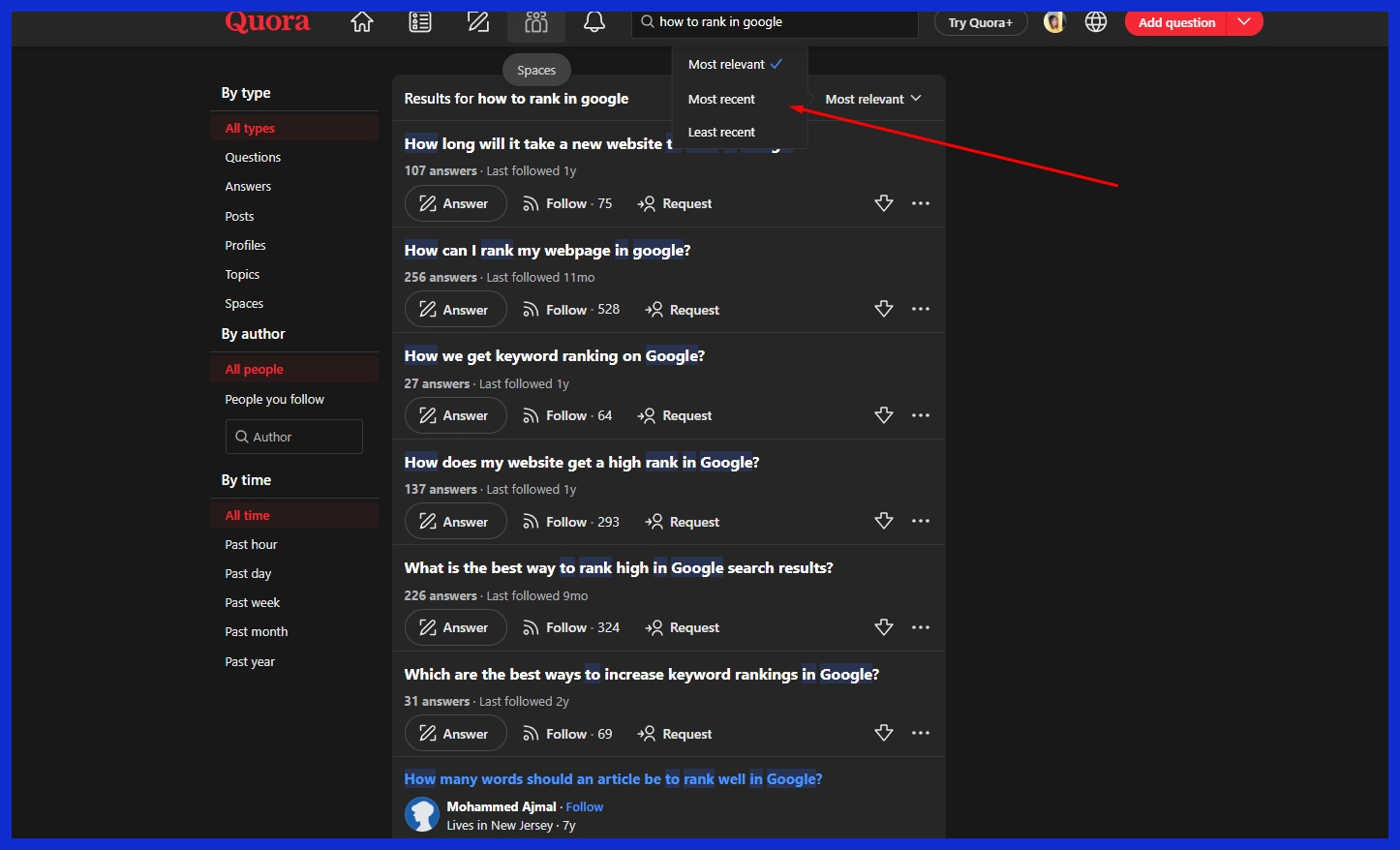
You can sort by ‘most viewed writers’ or ‘top answers’ to get a sense of what kind of content is hitting. If a specific question has thousands of views or upvotes, it means there is intense interest in detailed treatment of that topic. For instance, if queries around affiliate marketing at online casinos get steady traction, that is an indicator your blog or landing page might need some of it.
One overlooked strategy is exporting your favorite Q&A to see offline patterns. By doing this every month, you will notice shifts in user sentiment, changes in seasonal interest, and fresh perspectives for your own campaigns.
Monitor Competitors
Following competitors on Quora is about more than just reading their answers. Begin by looking up their brands or key staff. Observe what questions they respond to, how frequently they post, and what type of response they receive.
Are they receiving upvotes, comments, or shares? That’s free intelligence on what’s effective in your industry. Some will feature slick links to their site or their LinkedIn, a mix of credibility and advertising. If a competitor regularly shares valuable, actionable tips and becomes a top writer, that’s an obvious standard.
Use these observations to perfect your own response approach. Strive to front-load your strongest argument and provide clear, substantive answers in your initial paragraph. This maintains your brand voice across channels and makes you memorable.
Worth testing if their Quora content is reflective of their messaging elsewhere. If not, there’s a space for you to establish trust by delivering cohesive, good answers that fit the style of your site or blog. Paste, find your angle, then add something more valuable.
Source Expert Quotes
Quora is loaded with noted experts and insiders. If you see an interesting expert answer, contact them to get permission to include their quote in your blog or case study. This brings authority to your own post and fosters connections with influencers who might promote your article to their audience.
Beyond Q&A, by consistently drawing insights from thought leaders, you’ll vary your content formats. Imagine “Ask the Expert” blog posts or social media quotes featuring their viewpoints. If you add value to their Quora threads, then you’re more likely to hear back when you contact them directly.
You can transform your own best-performing answers into LinkedIn posts, newsletters, or even shorts. This amplifies your reach, bolsters your authority, and keeps your content stream fresh without reinventing the wheel every week.
Conclusion
Quora provides a clever, adaptable method to establish credibility and generate consistent, targeted traffic for your business. With a smart profile, invaluable answers, and respectful links back to yourself, you can reach interested readers looking for authentic information. The biggest rewards come from consistent work—picking questions that play to your strengths, being active, and measuring what works. With each answer, you’re not just imparting expertise but building credibility.
To streamline your link placement strategy and track which sources drive the most qualified traffic, platforms like SERPninja.io can help you monitor your backlinks and measure the real impact of your Quora efforts. Quora is not just content; it’s a personal connection with your audience. For those who will listen, share, and adapt, the returns are consistent and frequently unexpected.
Frequently Asked Questions
How can Quora help with content marketing?
Quora links you to a worldwide audience, making it an essential part of your content marketing strategy. By answering relevant questions, you demonstrate expertise, establish trust, and generate traffic to your website or brand through quality answers.
What is the first step to using Quora for content marketing?
Begin by building a credible Quora account with a professional profile. Use a clear photo, have a strong bio, and provide links to your website or social media for effective Quora marketing.
How do I choose which questions to answer on Quora?
Concentrate on inquiries in your niche audiences. Seek high engagement and recent activity for effective quora marketing.
How can I make my Quora answers stand out?
To enhance your Quora marketing efforts, provide short, substantiated answers using plain language and include trusted sources for valuable reader insights.
Can I promote my website or products directly on Quora?
Yes, naturally. Link to your website only where appropriate in adding value to your answer, enhancing your content marketing strategy. Don’t be spammy or overly promotional.
How do I measure the success of my Quora content marketing?
Monitor answer views, upvotes, shares, and referral traffic to your site to assess your quora marketing efforts and ensure your content meets your marketing goals.
What are some advanced strategies for Quora content marketing?
Be an active participant in quora communities, subscribe to popular quora topics of interest, connect with fellow professionals, and recycle your top responses for blog posts or social media to maximize your quora marketing efforts.


