

Key Takeaways
-
You can get optimized for AI Overviews by writing clear, accurate, original content that answers a user’s query directly and comprehensively.
-
Prioritizing factual accuracy and using credible sources helps you build trust and ensures your content stands out in AI overviews.
-
By adding headings, bullet points, and schema markup, you ensure AI can read and highlight your content.
-
Including multimedia such as images, videos, and infographics promotes user engagement and serves varied learning styles.
-
Tracking your content’s success and continually refreshing it keeps you ahead of AI search tech and user trends.
-
Mixing your uniquely human insights with AI tools enables you to write authoritative, ethical, user-focused content for the future of search.
AI savors structured data, neat topic headings, and authoritative indicators. Let your content address immediate questions, contain useful data, and emphasize digestible takeaways.
When your site is the obvious choice for AI results, your visibility and credibility get a boost. Let’s break down how to make your content AI-friendly in reality.
Understand AI Overviews
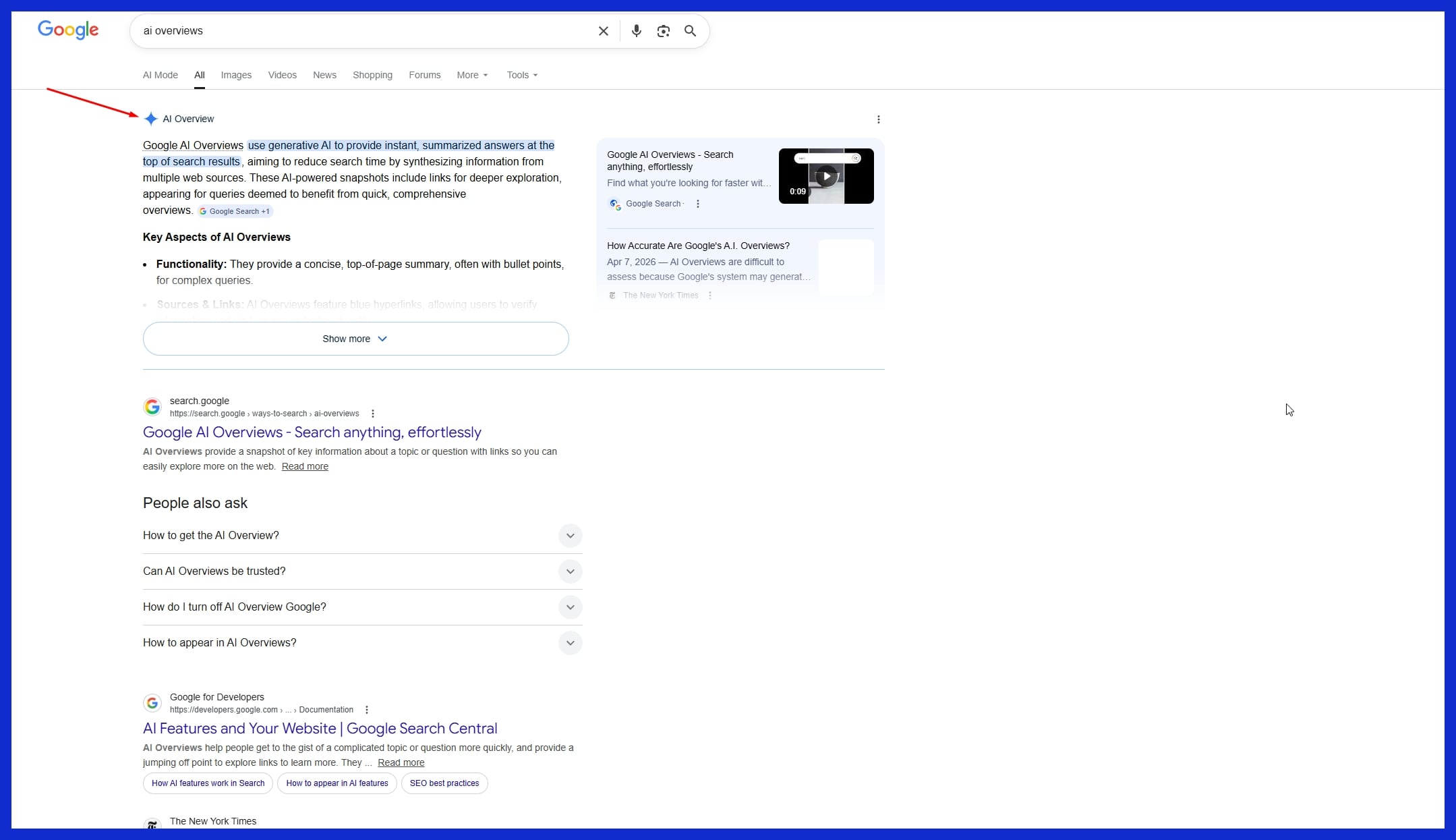
AI Overviews are short, AI-generated snippets that appear above search results, providing quick, easily consumed responses to users’ queries. These overviews mine key takeaways from top-ranking web resources using high-powered algorithms and natural language processing. The objective is always speedy presentation.
Users receive pertinent context with minimal clicking. AI Overviews generally reference original sources, connecting back for those who desire more granular information and that can generate up to 40% additional exposure for those sources. In health, sites like nih.gov or healthline.com get referenced a lot, but Google’s query fan-out means more general content can get pulled in, even from outside the top ten.
Crucially, AI Overviews can decrease click-through by over 50% for certain queries.
The Synthesis Engine
The magic behind AI Overviews is its synthesis engine, which scans vast amounts of online text, breaking down patterns and extracting the top lines from several sources. Google or OpenAI’s LLMs are masters of reading between the lines, deciphering explicit and subtle user intent.
Meaningful stuff counts big—AI can’t recap what’s not there or fuzzy. Thanks to advances in LLMs and data processing, the overviews are becoming increasingly lucid, context-aware, and less prone to stretch or distort the original content.
The User Intent
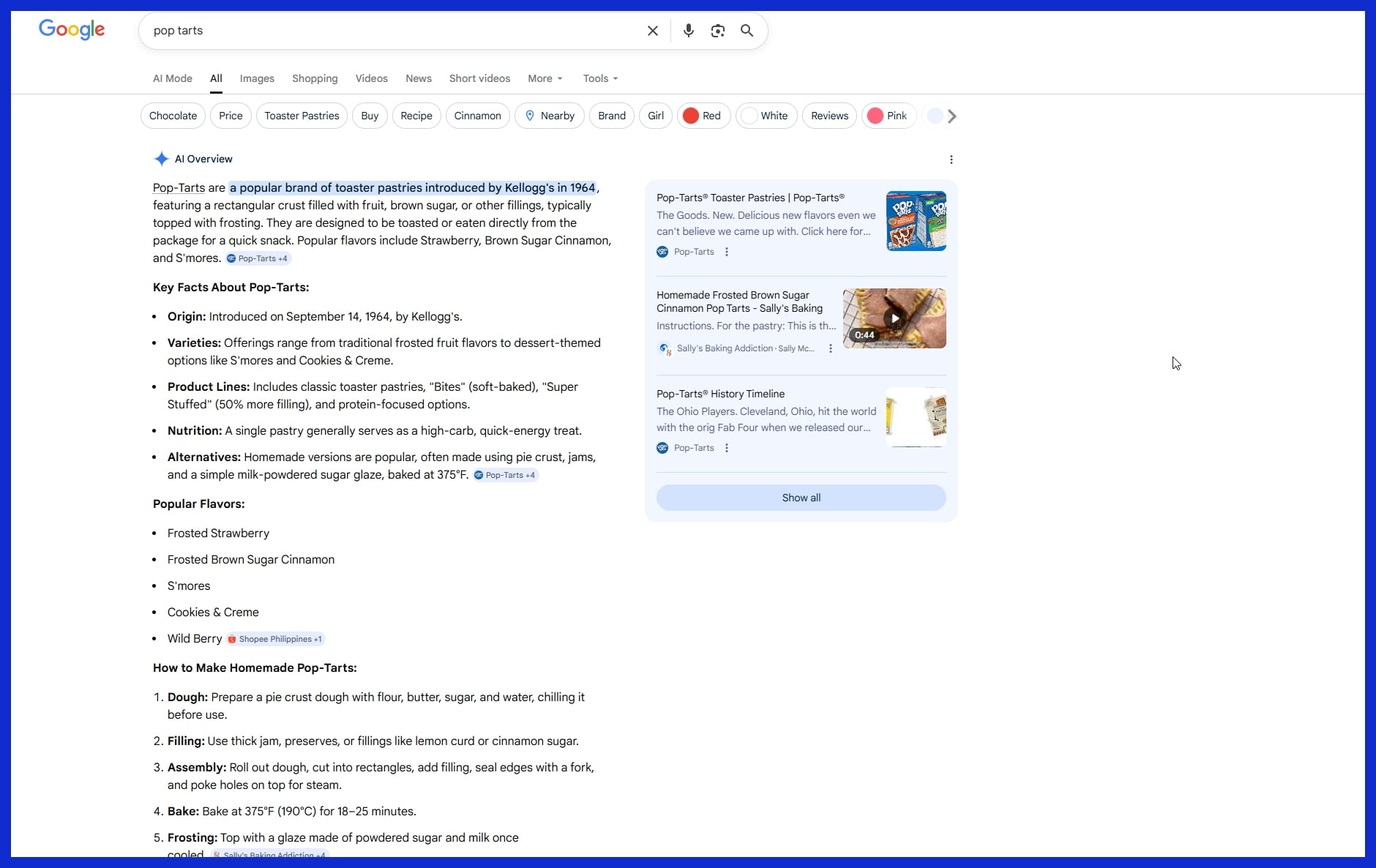
User intent — what searchers really want — motivates the whole AI Overview process. If your content answers anticipated user questions, you’re already halfway to being featured. Knowing searcher intent, from informational to transactional, enables you to tailor content to what they really want.
For the majority of industries, informational queries (the who, what, why, how) tend to be more aligned with the AI summaries and therefore have a higher SEO impact. When your content ties directly to user intent, AI is more inclined to mark it as a valuable result.
The Data Sources
|
Data Source Type |
Example Domains |
Content Format |
|---|---|---|
|
Government |
nih.gov, cdc.gov |
Articles, Reports |
|
Educational |
harvard.edu, mit.edu |
Research, Guides |
|
Reputable Platforms |
youtube.com, healthline.com |
Videos, Guides |
|
Forums/Communities |
stackoverflow.com, reddit.com |
Q&A, Discussions |
Reliable sources are a must for credible AI Overviews. Richer summaries arise from a combination of formats, including articles, videos, and user discussions.
For content writers, that translates to producing well-formatted, authoritative content and mixing up formats to maximize your likelihood of being referenced, even if not ranked for the main keywords.
The Impact on Search
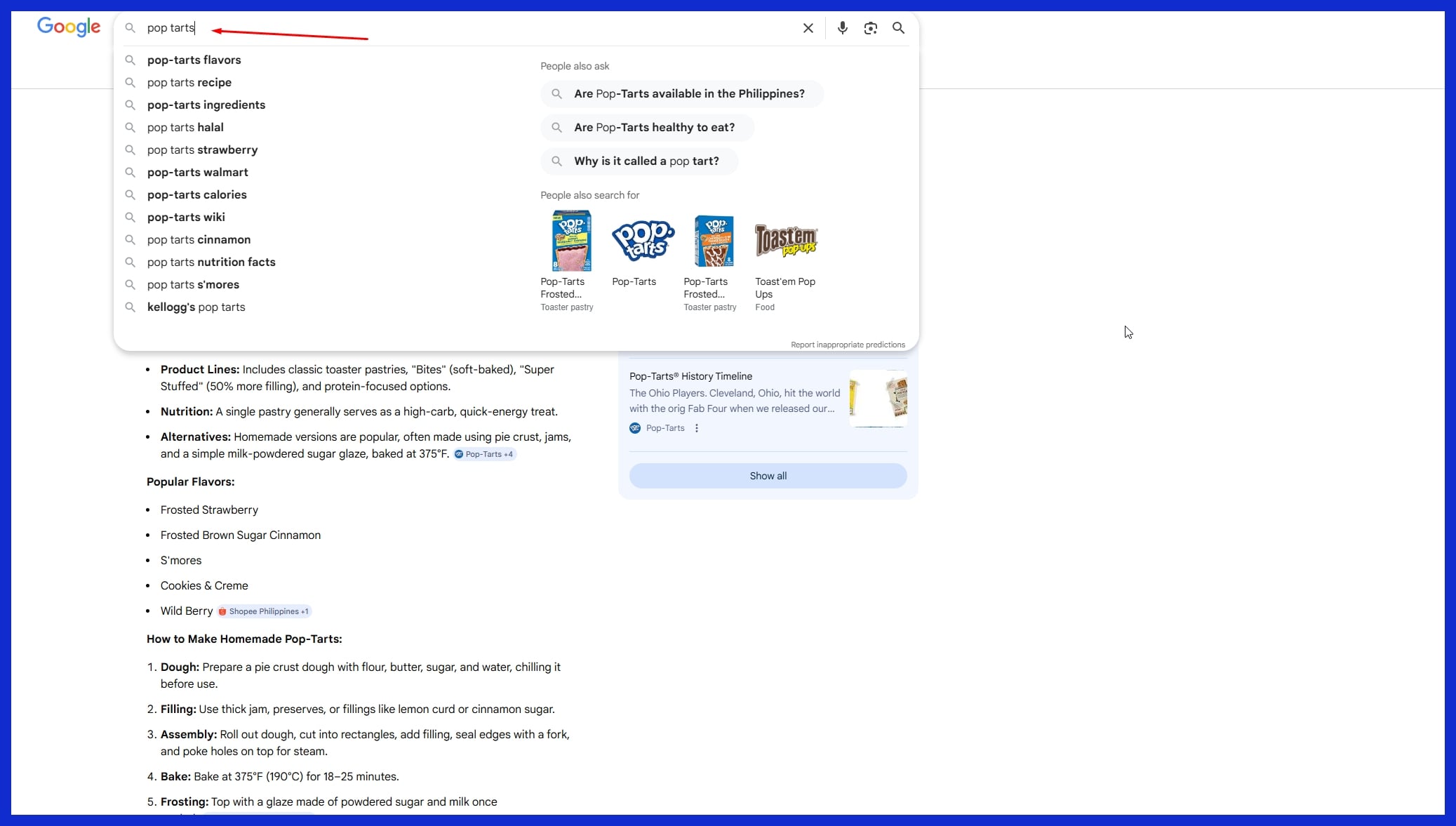
AI Overviews are disrupting the search landscape, affecting click-through rates and engagement with search results. These Google AI overviews often dominate the most coveted real estate above the fold, pushing organic search results lower or even off mobile devices’ screens. Now, you’re competing not only with other companies but also with AI search experiences.
Here’s a snapshot of what’s changed in the search experience.
|
Implication |
Before AI Overviews |
With AI Overviews |
|---|---|---|
|
Organic Clicks |
Higher, more distributed |
Lower, concentrated on top results |
|
Local Pack Impressions |
Strong, visible |
Decreased, less above-the-fold space |
|
User Click Behavior |
More likely to click through |
More zero-click searches |
|
Content Ownership |
Clear attribution |
Summarized, sometimes unclear |
|
Trust Factors |
Direct from source |
Reliant on AI summary accuracy |
Organic Traffic
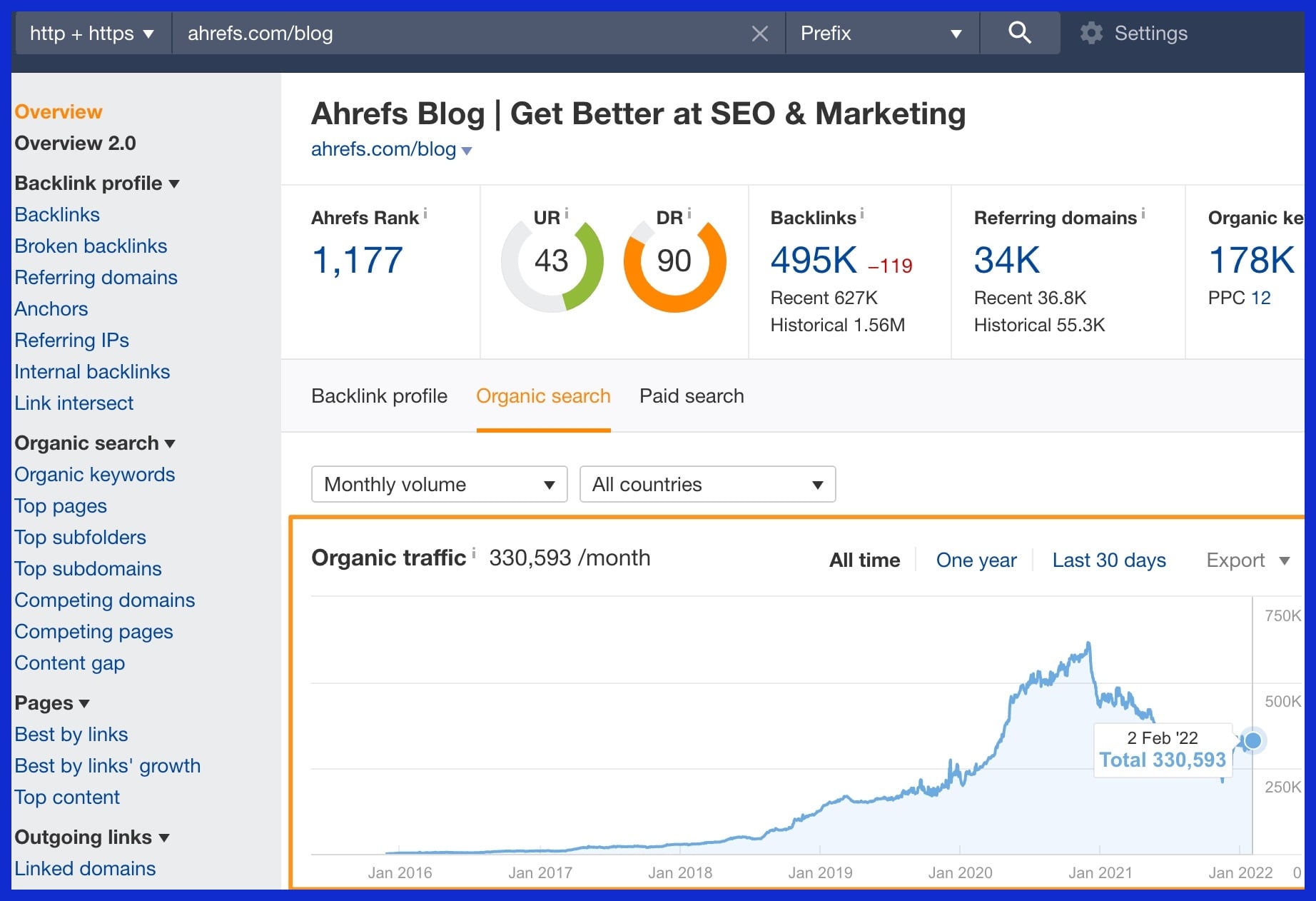
AI Overviews are pinching organic lists — particularly on mobile. If you’re not in the top 10, your visibility drops off a cliff. With AI Overviews occupying half the screen or more, users can find what they need without clicking — classic zero-click search.
This results in less traffic landing on your site, particularly if your ranking is lacking. Don’t freak out. Focus on optimizing for top positions, use schema markup, and create content that answers questions directly.
Monitor where your traffic originates and adjust your strategy accordingly. Staying visible means playing by new rules.
Information Integrity
As AI scrapes and summarizes your content, accuracy is everything. One hallucination—inaccurate AI-generated content—can damage trust quickly. Given that 67% won’t bother fact-checking, you can’t have mistakes.
So, always fact-check, reference reliable sources, and keep pages fresh. You are building trust by being transparent about your process. If AI misrepresents your business, user trust and engagement suffer.
Keep fact-checking front and center in your content workflow.
Copyright Concerns
AI summaries, while useful, often draw from copyrighted content, triggering copyright alarms. To guard your labor and ensure quality content, emphasize innovation rather than merely rewriting existing material. Understand your rights, and when your work is quoted, verify proper indexing and attribution to maintain your visibility in the evolving search landscape.
Promote transparent attribution for your content, especially as AI search experiences grow. This practice not only safeguards your brand but also assists users in tracing information to its authoritative sources, enhancing the overall search experience.
How to Optimize for AI Overviews
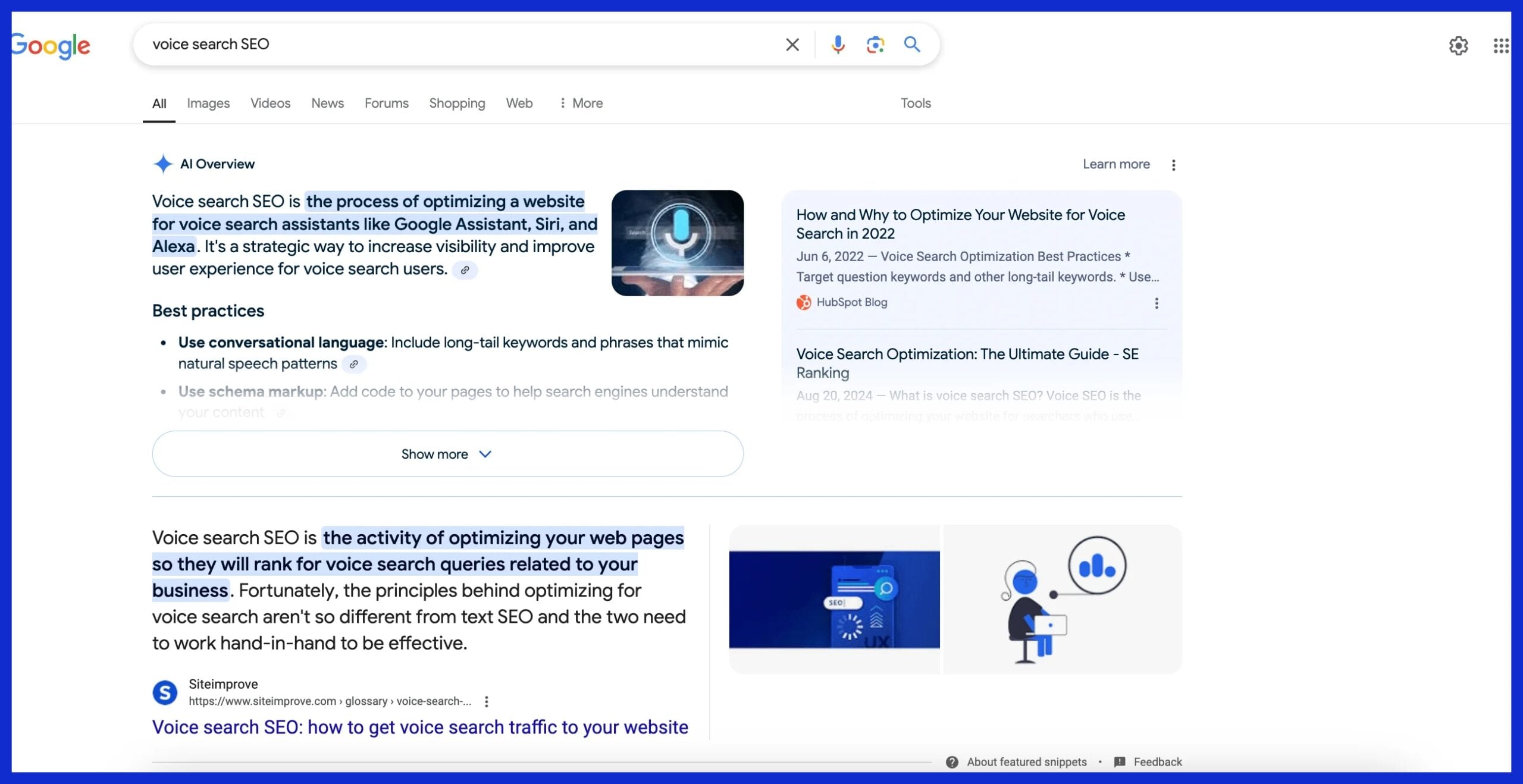
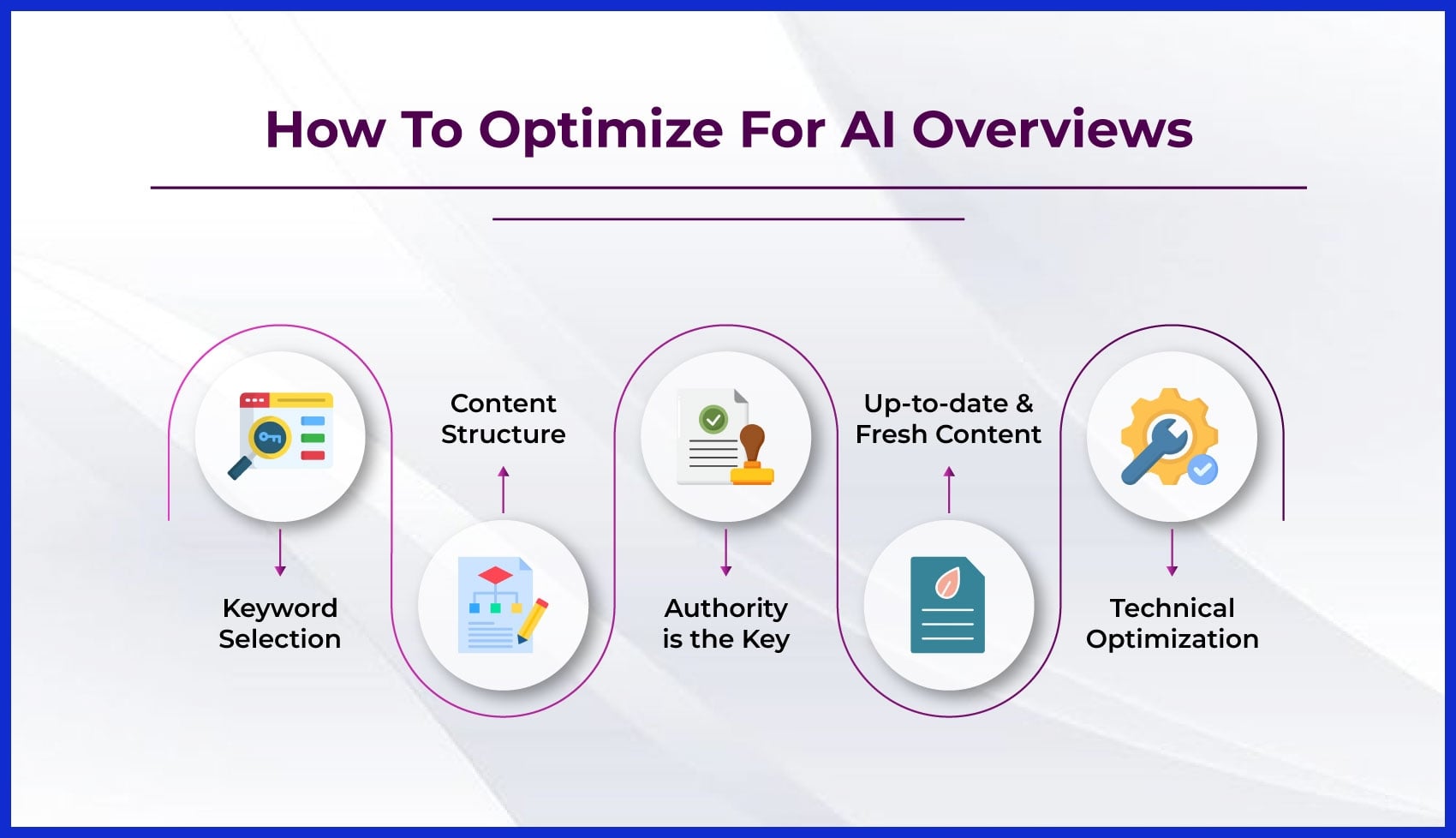
AI Overviews draw from premium, well-organized content that provides direct, precise answers to user questions, enhancing the search experience. To accomplish that, you’ve got to mix clever content strategy, traditional SEO, and continuous iteration.
-
Heading tags should correspond to actual user questions and organize related information logically.
-
Respond to fundamental user inquiries inside the first 8 to 12 lines of your content.
-
Use schema markup so Google can easily understand your content’s context and relevance.
-
Maintain accuracy and update facts regularly to build trust.
-
Increase your site’s topical authority through expert citations and mentions on trusted sources.
-
Optimize for fast load times and mobile usability.
-
Utilize a combination of text, images, and video for best results.
-
Track performance and continuously refine based on analytics.
1. Create Original Research
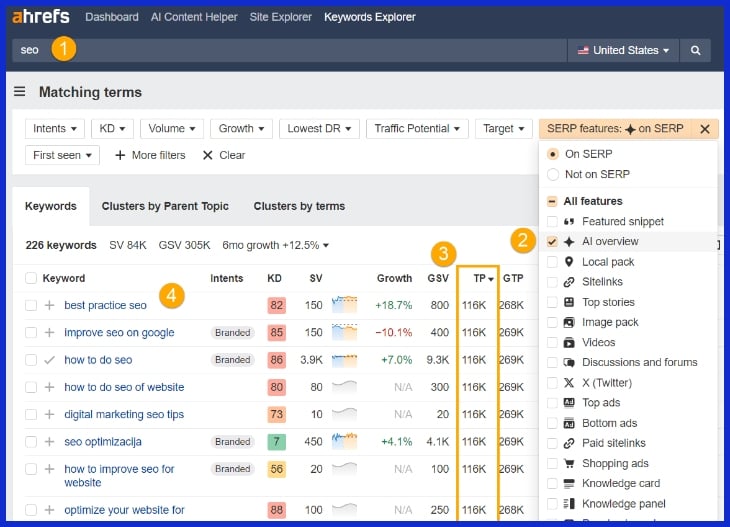
Posting original research immediately differentiates your content. Original research, surveys, or first-party data tells AI algorithms you’re offering something unique. If you back up your conclusions with data, graphs, or case studies, you provide users and search engines additional cause to believe in your authority.
Publishing this research as downloadable reports, infographics, or videos broadens your reach and establishes credibility in your niche.
2. Answer Complex Questions
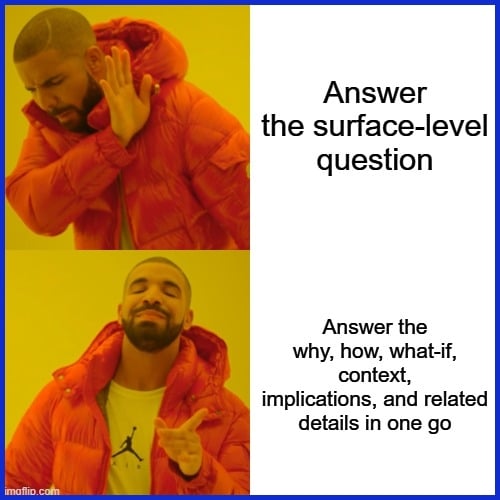
Tackle complicated, multi-part user queries directly. Think of the ‘why,’ ‘how,’ and ‘what if’ lurking behind every question. Don’t just answer the shallow question; answer the context, the implications, and related details.
Users are happier when you provide them with all they need in a single location, and AI Overviews incentivize this comprehensiveness.
3. Prioritize Factual Accuracy
Accuracy is a must. Fact-check every claim, reference high-quality sources, and proofread before posting. False claims will destroy user trust and your search presence.
Support with fresh statistics and reputable experts.
4. Structure for Clarity

A clear, logical structure is your friend. Notes for how to optimize for AI overviews: use headings, bullet points, and short paragraphs so your content is scannable. Schema markup adds another layer, helping search engines parse your content cleanly.
Structure your thoughts such that readers can track the jump in logic.
5. Enhance Page Experience
Quick, mobile-friendly pages with easy navigation retain visitors and reduce bounce. Good images, such as charts, videos, and infographics, aid readability and demonstrate points.
Optimize page speed. Users expect content to load in seconds, and so do AI Overview algorithms.
6. Build Topical Authority
Find your niche. Address relevant sub-topics comprehensively and post consistently to demonstrate authority. Quote industry experts, participate in discussions and receive mentions from trusted sources.
Over time, you’ll be the resource AI Overviews want to highlight!
7. Use Multimodal Content
Mix paragraphs with images, videos, and infographics. Different people like things in different ways. Visuals clarify hard concepts quicker, and video and audio increase recall.
Try formats and see what gets the best engagement.
8. Monitor and Iterate
Use analytics to see what content gets picked for AI Overviews. Monitor impressions, clicks, and engagement and iterate. Refresh ancient posts and tidy up your structure and redo what works.
Search evolves; your strategy should, too.
A New eCommerce Frontier
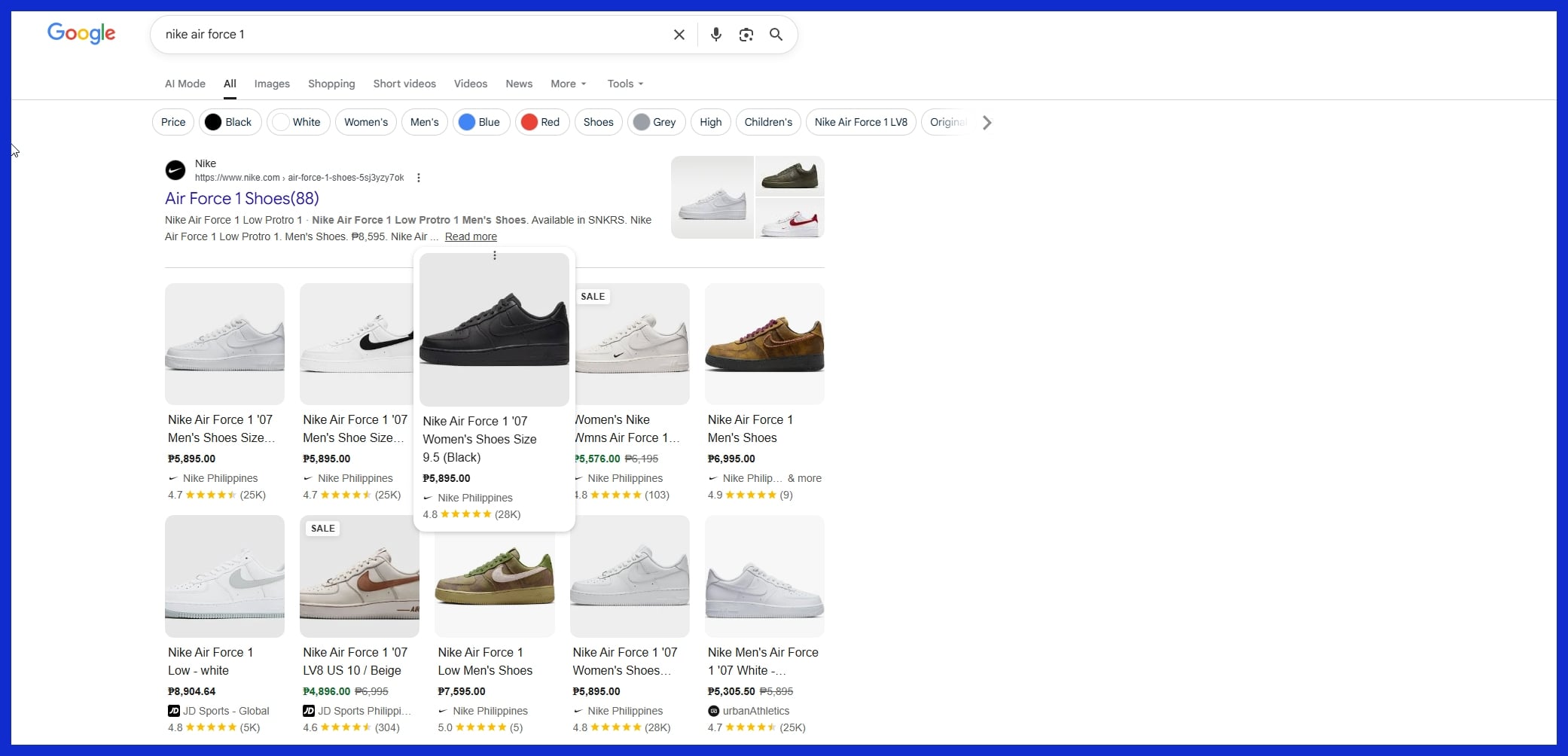
A New eCommerce Frontier Shopping is now a hybrid of visuals, voice and natural dialogue. They want fast, pertinent results. This transformation presents new opportunities and new challenges for your company. Keeping a step ahead is about making products, images, and content available for machines as well as humans.
Schema markup, rich product feeds, and high-quality images are no longer nice-to-haves if you want to compete in a world where AI is deciding what gets seen.
Product Discovery
-
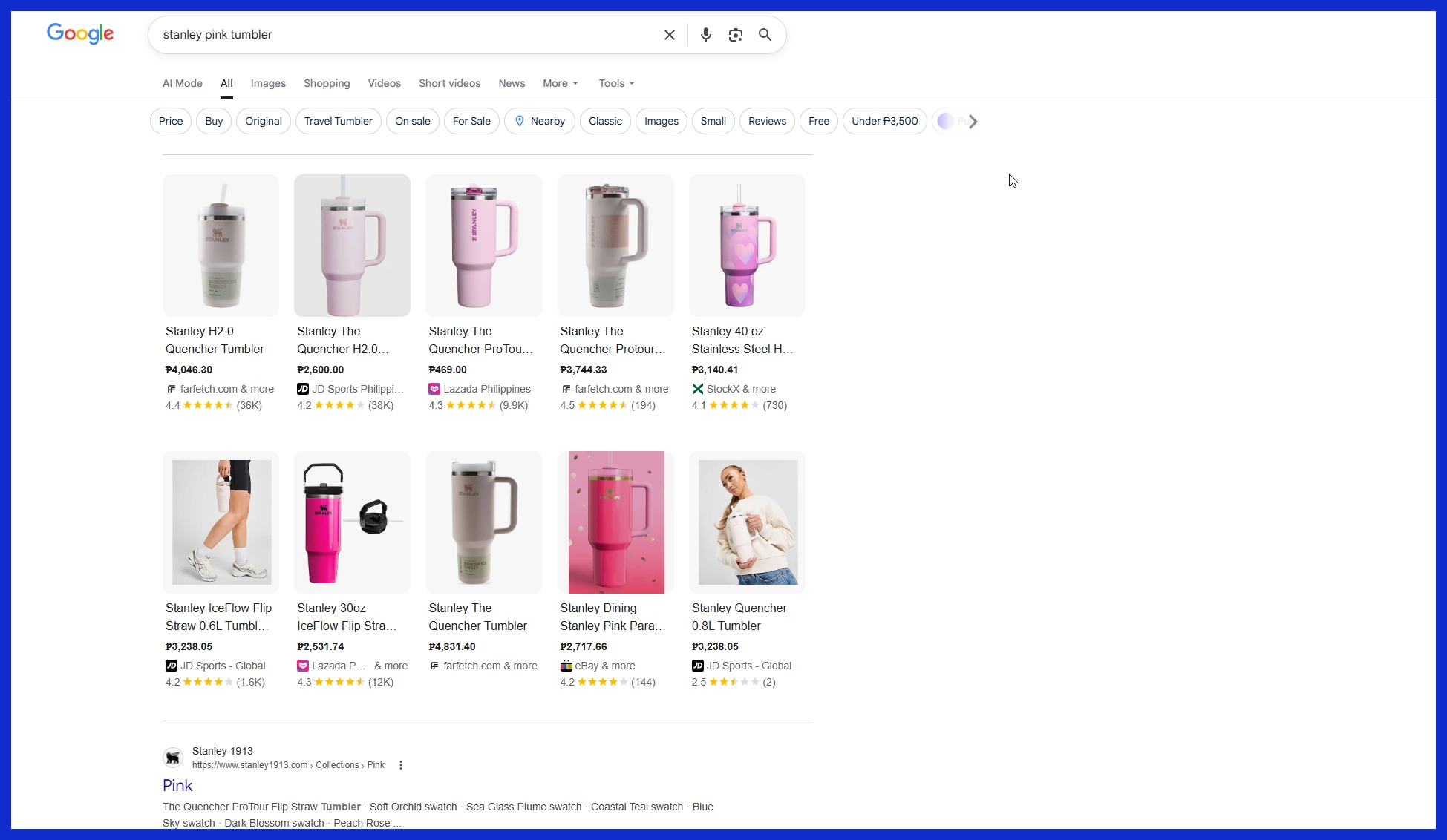
AI Overviews make product discovery easier by processing massive amounts of product information, including images, reviews, and specs, and highlighting the most important choices. They can understand a voice query like “best running shoes for rain” or extract products from a photo you’ve uploaded.
-
AI-generated summaries assist users in focusing on their priorities, whether it is features, price, or brand, without having to navigate through countless listings.
-
Optimizing product descriptions isn’t just about stuffing keywords. Think carefully about your content. Write with clarity, detail, and context. Add lifestyle images with descriptive alt text and product schema so AI knows what you sell.
-
Brands will find visibility even in saturated markets, as long as their products are machine-readable and image-full. An alt text reading ‘red ceramic coffee mug with ergonomic handle’ does more than sound cool. It helps AI position your product exactly in front of the right shopper.
Transactional Queries
-
AI Overviews are designed to accommodate targeted, high-intent queries. Imagine “purchase an electric toothbrush under $100.” Answering these questions in your content is crucial.
-
Calls-to-action have to be direct and in your face. AI draws attention to clear calls to action. Don’t bury the ‘Buy Now’ under paragraphs of text.
-
Aim for transaction-related terms such as ‘order,’ ‘buy,’ ‘get delivered,’ and you’ll boost your chances of being surfaced when buy intent is strong.
-
Compelling content means anticipating what your customer needs, such as shipping info, return policy, and warranty, and addressing it up front, building trust and driving conversions.
Shoppable Journeys
AI Overviews can trace a shopper’s path from discovery to purchase, interlacing reviews, videos and FAQs. It ends up feeling more like a friendly chat than a sale.
Content that guides users step-by-step, including video demos, FAQs and product comparisons, keeps shoppers engaged and lowers friction. Every touchpoint, whether image-based search or voice-triggered command, is an opportunity to gain loyalty and boost satisfaction.
Brands that invest in these journeys experience improved retention and increased repeat purchase.
The Future of Discovery
Search is no longer about ten blue links on a white page; instead, Google AI overviews are disrupting the status quo by providing users with rapid, immediate answers—even sometimes prior to them clicking on a result. This means that your content’s going to have to work harder to be noticed in the evolving search landscape.
AI is advancing rapidly, transforming search to be more personal, visual, and interactive than ever before. Now, it’s no longer just about being found. It’s about becoming the source the algorithm selects as most useful to the user’s intent – anywhere in the world.
Personalization is the next great leap. AI search adapts to your behavior, preferences, and location, making results feel nearly bespoke. It’s not sufficient to merely rank; you want your content to be the response.
Use schema markup such as FAQ, HowTo, and Product schema so search engines understand your context. Consider it providing search engines a navigating chart via your web. For instance, including a HowTo schema on a guide to setting up a payment method in online casinos signals AI that you’re the authority and boosts your likelihood of appearing in coveted AI search results.
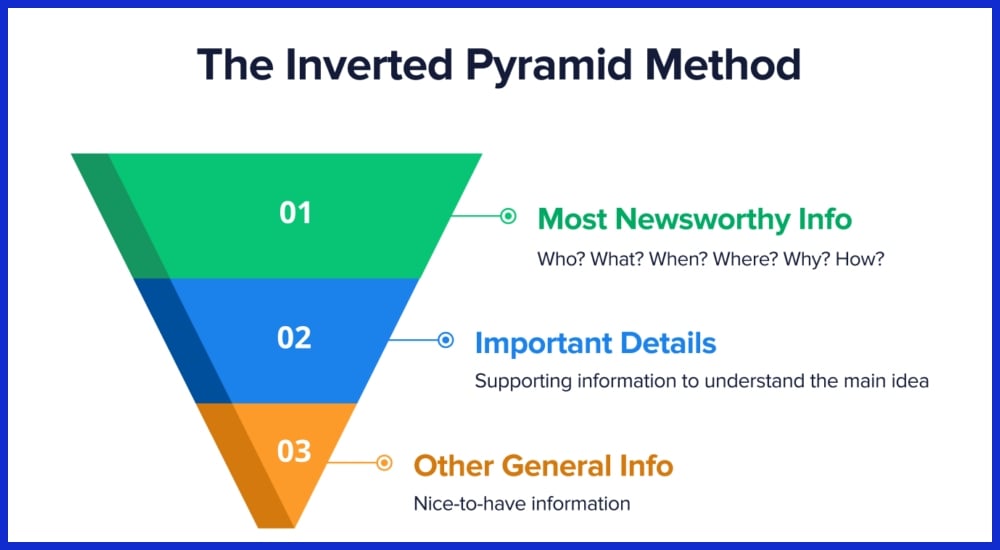
Content creators must evolve or become invisible. This “inverted pyramid” style—starting with the conclusion, then backing it up—works because AI overviews prioritize straightforward content. Ensure that the first 1-2 sentences under each heading respond to the implied query.
Build content hubs: a strong pillar page supported by 5-10 focused articles. This frame guides AI to connect the dots and amplifies your exposure in organic search results.
Be at the forefront by trying things out and optimizing. Leverage ‘PAA’ data to discover what users desire, then update your key pages each quarter. This keeps your content fresh and relevant, signaling to AI that your site remains the authority.
Conclusion
Optimizing for AI Overviews adds exciting new dimensions to your search strategy. You’re not just chasing algorithms anymore. You’re collaborating, providing them clear, comprehensive signals that make your brand pop. Whether you run an eCommerce shop or mold content for worldwide audiences, the fundamentals remain—zero in on intent, organize your data, and stay credible.
AI is disrupting the way we find products, solutions, and inspiration. Your advantage lies in combining human creativity with technical skill—the kind of precision that teams like SERPninja use to navigate these shifts. Both strategies position you for consistent visibility as search changes. You’re not on the sidelines, you’re in the mix—primed for what’s next. That’s the real victory—confidence and clarity, exactly where you want it.
Frequently Asked Questions
What are AI Overviews in search?
AI Overviews are AI-generated summaries that deliver succinct, contextually appropriate responses to your searches, enhancing the search experience by assisting you in finding crucial information quicker than traditional search listings.
How can you optimize your content for AI Overviews?
Concentrate on transparent, pithy data to enhance your google ai overviews. By adding structured data, answering FAQs, and utilizing trustworthy sources, you improve your chances of being included in organic search results.
Why are AI Overviews important for your website?
AI overviews can amplify your site’s prominence and authority, enhancing your organic search results. When you appear in these summaries, you gain more clicks, trust, and engagement from users worldwide.
Does optimizing for AI Overviews help with eCommerce?
Yes. For eCommerce, AI overviews can enhance your products’ visibility in Google search results, translating to extended customer reach and new sales opportunities.
What role does human expertise play in AI Overviews?
Your human know-how ensures that your content is correct and helpful. By sharing real experiences and insights, you assist AI in delivering better and more accurate google ai overviews to users.
How do AI Overviews impact your SEO strategy?
AI Overviews shake up the way users discover content, especially through new Google search products. Optimizing for them means enhancing value, clarity, and authority, which are crucial for successful SEO.
What is the future of content discovery with AI Overviews?
AI Overviews will enhance content discovery by making it swifter and more customized, presenting new opportunities for content optimization. Staying on top of these trends ensures you remain visible and relevant as organic search evolves.


