

Key Takeaways
-
Contextually relevant backlinks from authoritative sources are now prized by AI-driven search engines. Quality beats quantity.
-
By constructing diversified backlink profiles optimized for entity-based and semantic hub links, we can increase our visibility in AI-driven search outcomes.
-
Publishing answer-first, data-led content and using structured data markup will draw natural backlinks and make you more discoverable.
-
Participating in niche communities, partnering with influencers, and building connections with authority authors can all increase backlink potency.
-
Optimizing your website’s technical infrastructure, including site speed, crawlability, and schema markup, ensures your backlinks are properly indexed and valued by AI.
-
By keeping an eye on user activity, social proof, and conversion data, you can optimize your backlink strategies for maximum SEO impact.
Increasing AI visibility with backlinks means leveraging quality contextual backlinks to boost AI-based sites or content in search engines. Each backlink serves as a vote of confidence to search algorithms, indicating trust and authority.
In a world where AI-powered tools and content swamp the market, a robust backlink profile distinguishes standout projects. Knowing how backlinks affect AI visibility sets the stage for further strategic expansion in the crowded digital arena.
Why AI Changes Backlinking
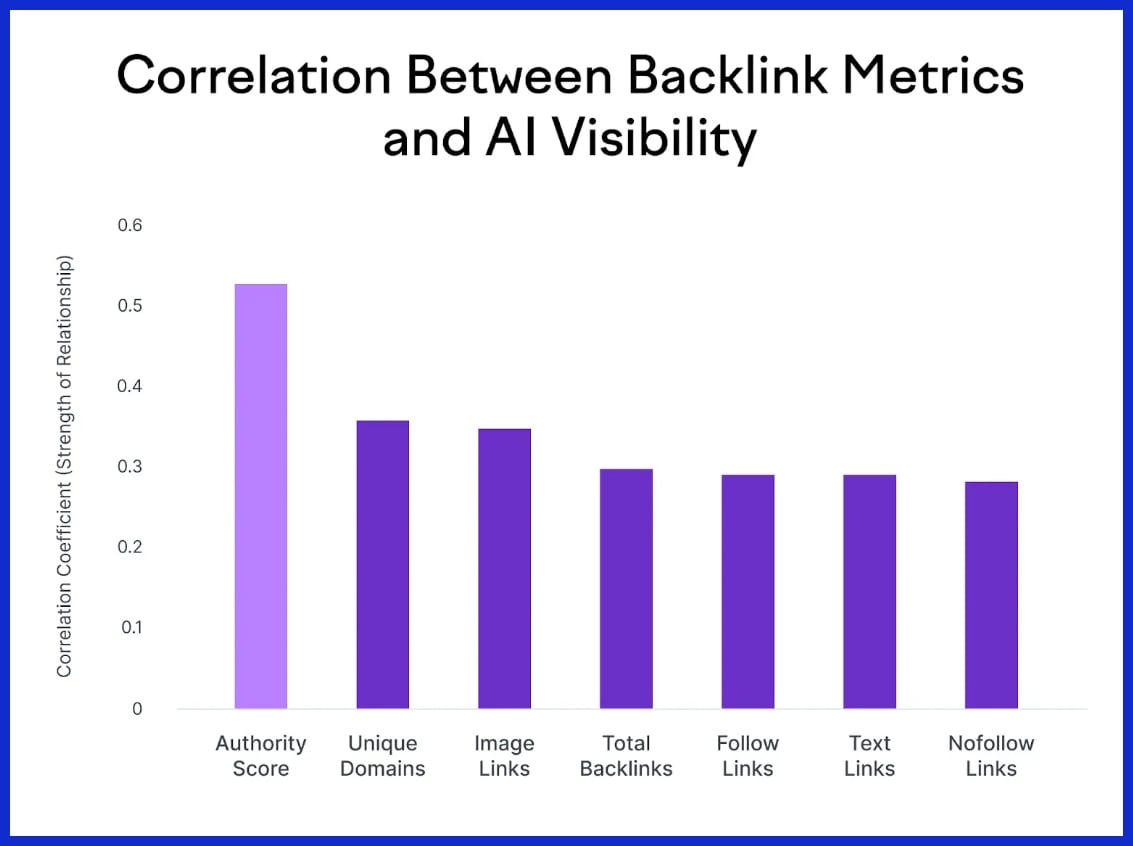
AI-powered search engines have rewritten the rules for establishing prominence on the web. Where old-school SEO once relied on keyword density and manual link review, current systems driven by machine learning evaluate hundreds of factors in an instant. AI is no longer a nice-to-have, and 9 out of 10 marketers will ramp up AI integration by 2025.
It’s no longer about pursuing every link. It’s about context, intent, and the broader signals AI reads when ranking your site, including an understanding of the types of backlinks in SEO that deliver the most value.
Beyond Keywords
Keyword stuffing and exact-match anchor text were de rigueur. AI now puts user intent at the center of the chessboard. The trick is figuring out what users really desire and writing content for those needs.
Backlinks work best when they’re not a keyword-stuffed string, but echo the deeper semantic meaning of the content they support. For instance, an article on sustainable energy that links to a page on green technology means more than a generic ‘click here’.
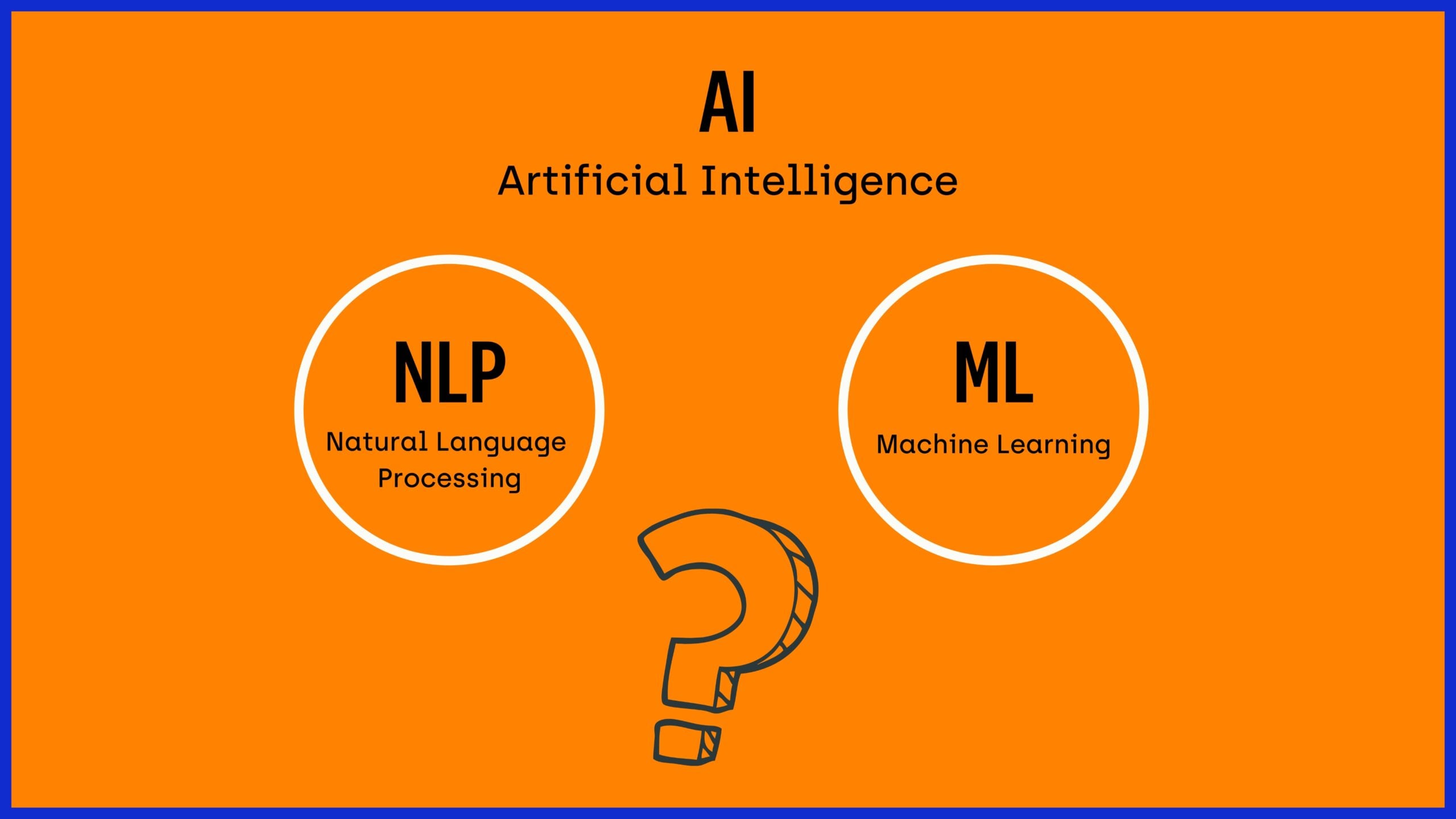
Natural language processing (NLP) is a friend in this regard. Modern link-building strategy needs to borrow from NLP, understanding how people talk, write, and search. This involves developing resources that respond to conversational queries and generating links from sources that use similar language.
If your content matches how people ask questions, the right backlinks come and AI notices.
Context is King
-
Chart your niche and go after sites that are topically relevant.
-
Leverage context tools that look at where links are placed, not just domain authority.
-
Focus on outreach to sites covering the same core topics.
-
Mix up anchor text to reflect the way natural linking patterns occur on authoritative sources.
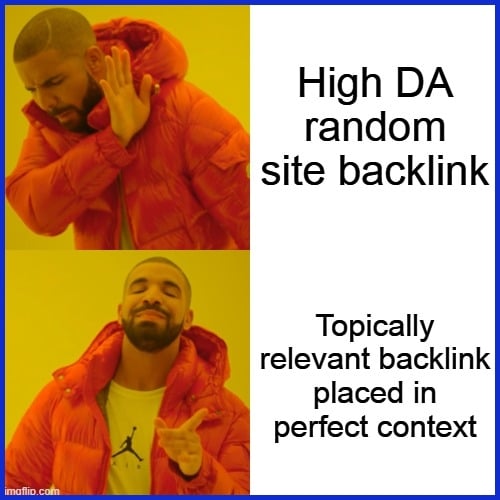
Context around a backlink can make or break it. AI looks at the whole page, not just the link. Foster relationships with publishers in your domain, ones that provide ongoing value, not just links.
Topical alignment is key. A backlink from a closely related topic will boost your visibility more than any generic mention ever could.
The Entity Focus
Entity-based linking is now fundamental. AI search engines understand topics as entities — individuals, companies, locations, items — not merely keywords. Organizing your information assists these platforms in understanding your material and its relationships.
For example, this implies using schema markup or other structured data formats whenever you can. Linking to everyone in your niche isn’t about hunting down every link, but about getting recognized by relevant players.
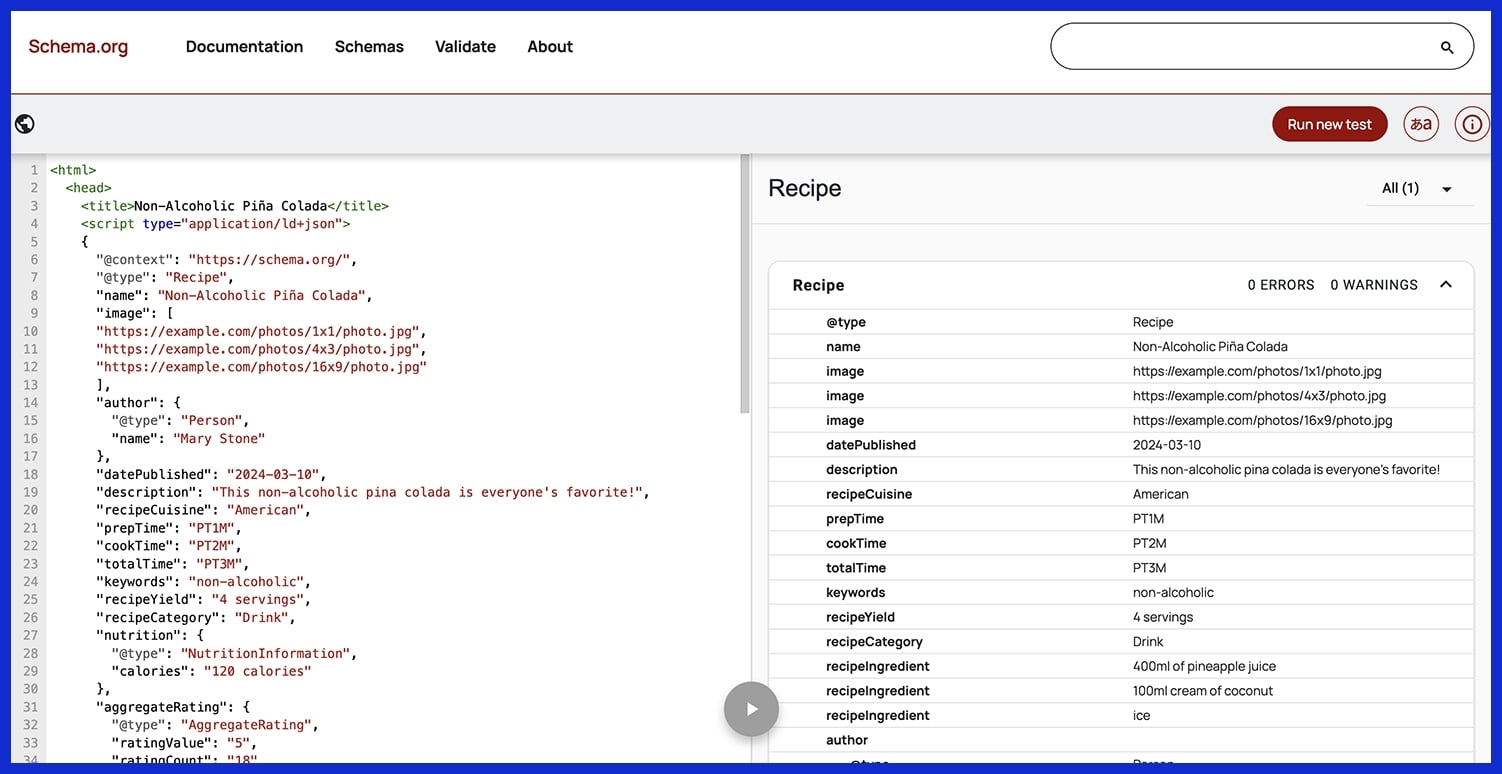
Monitor where your brand or content features in AI-driven results to identify fresh backlink opportunities. As the distinction between classic “backlinks” and “citations” dissolves, it’s more important than ever to consider your link ecosystem a network of connections, not a count of links.
Build Backlinks for AI Visibility
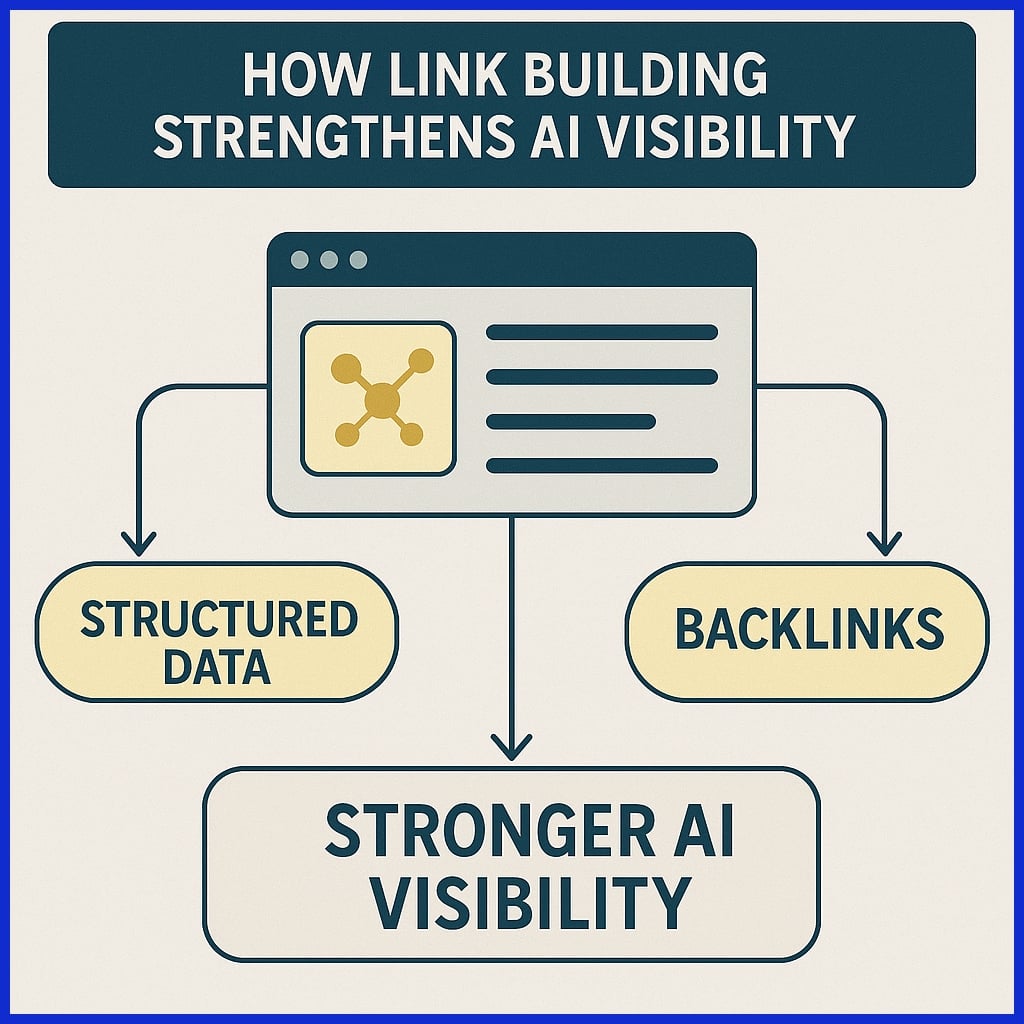
Backlinks remain a robust signal for AI visibility, but the game rules are changing. AI isn’t just tallying links; it’s digesting context, semantics, and trust signals across your entire web ecosystem. Contemporary link-building in one sentence: It’s a combination of technical, creative, and relationship-driven strategies, always with an eye toward how AI models see your brand.
|
Component |
Description |
|---|---|
|
Diverse Link Types |
Editorial, resource, niche, and brand-driven links from trusted sites |
|
Semantic Hub Targeting |
Engaging core industry sites with thematic relevance |
|
Brand Mention Capture |
Turning unlinked brand discussions into valuable backlinks |
|
Data-Led Content |
Unique, shareable statistics, studies, and visualizations |
|
Rich Media Integration |
Videos, podcasts, and infographics optimized for discoverability and engagement |
|
Community Engagement |
Building authority and earning links from active participation in relevant forums |
|
Ongoing Analysis |
Continual review of backlink health and alignment with AI search trends |
1. Target Semantic Hubs
Semantic hubs are the major nodes of your industry’s online discussion. Earning backlinks from these powerhouses sends a signal to AI that your site is contextually relevant and trustworthy. Consider publishing in authoritative industry journals or guest posting on established blogs. These are timeless examples.
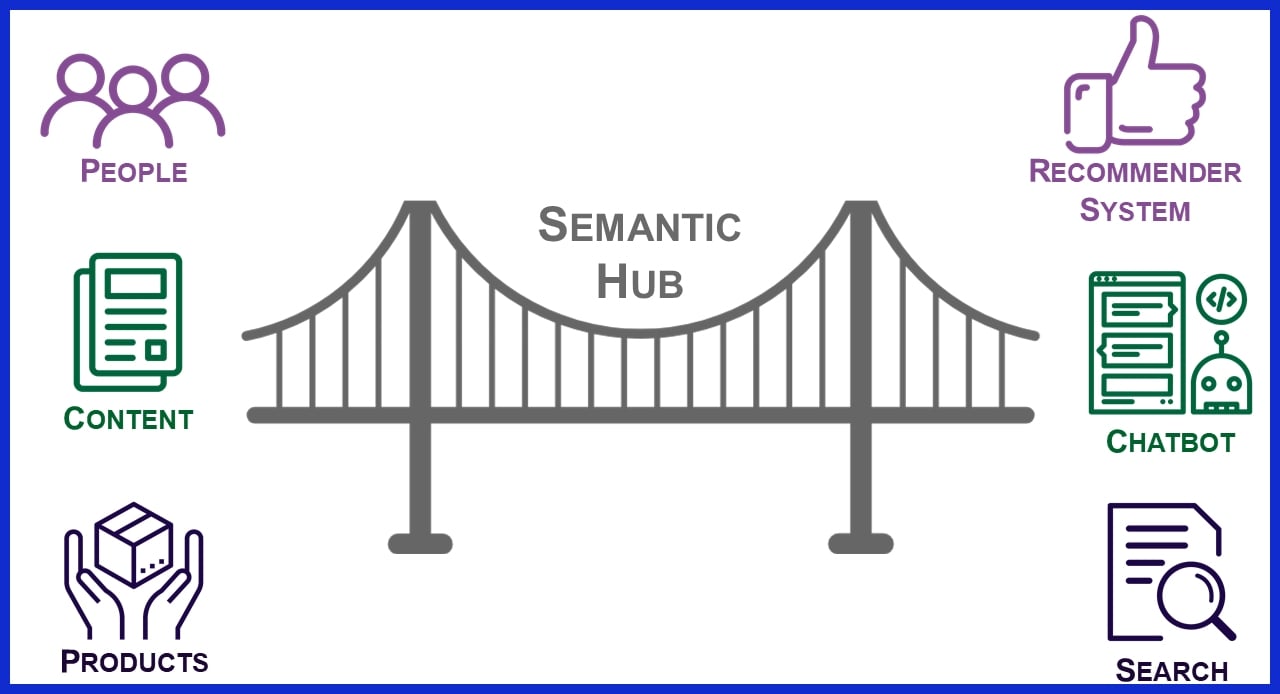
When you create content specifically for these hubs, you can gain organic backlinks from peers and competitors. Work with trusted voices in your vertical. A co-campaign or co-research item can frequently secure links that signal with AI.
Tracking these backlinks with advanced tools uncovers which hubs generate genuine visibility increases for your brand.
2. Pursue Brand Mentions
Branded mentions, even unlinked, are over three times as powerful for AI visibility as backlinks alone. Use monitoring tools to discover every place where your brand surfaces—news, forums, social media. Contact webmasters and journalists and request nicely to convert mentions to backlinks.
Active engagement counts. When you chime in on discussions about your brand, your footprint can turn passive references into authoritative backlinks. A powerful, good brand will make authoritative sites link back to you without you having to ask.
3. Create Linkable Data
Original, data-driven content is backlink candy. Build backlinks for AI visibility. Gather original research, case studies, or industry stats then package the data in a clear, visually appealing form like infographics or easy-to-read charts.
Market this piece with outreach, press releases, and direct journalist pitches. The more interesting and available your data, the more likely it is to be referenced. Sites that depend on AI-powered search, in particular, appreciate reliable and well-formatted data.
4. Leverage Rich Media

Rich media, such as videos, podcasts, and great images, makes your content pop and boosts the likelihood that it will be linked to from different places. SEO requires every media asset to have descriptive filenames, alt text, and transcriptions.
Partnering with other creators or being a guest on established shows can expand your audience. By promoting rich media across social channels, you not only increase visibility but encourage bloggers and journalists to create backlinks to your content.
5. Engage Niche Communities
Niche forums and communities are a goldmine for earning trust and links. Invest time in genuinely participating: answer questions, host webinars, or run Q&A sessions. Share solutions to your community members’ real problems, and you will organically earn backlinks.
Customize your postings to the community’s interest, not your own brand’s message. Over time, this builds authority and drives organic link growth from respected members.
What Content Attracts AI
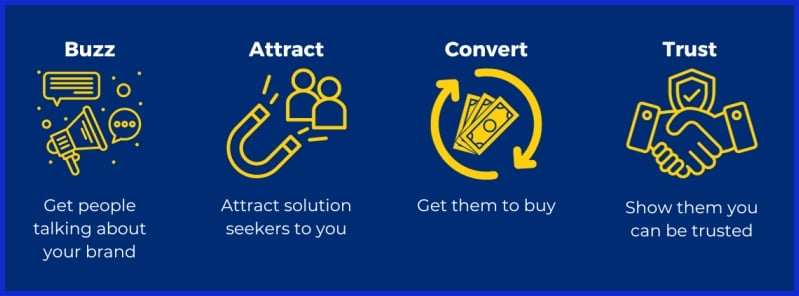
AI search engines and LLMs have changed the game for what content gets visibility and, therefore, backlinks. Not keywords or length, these systems are instead prioritizing content that is clear and direct and formatted for rapid extraction. Content with aggressive authorship, authoritative outbound links, and freshness is more likely to get sourced.
Above all, answer-first organization, structured data, and fresh perspectives are the backbone for leveraging backlink and AI visibility opportunities to the fullest.
Answer-First Content
-
Delivers the main answer in the first paragraph
-
Features concise, self-contained paragraphs (ideally 40–60 words)
-
Includes structured FAQ sections with direct responses
-
Uses bullet lists and tables for digestibility
-
Presents clear conclusions or takeaways early
-
Contains reputable outbound links and clear author attribution
Content that cuts to the chase, responding to the user’s query in the initial lines, does better for AI and humans. Bullet points, lists and section headings make it easy for AI to pull relevant info for featured snippets or direct answers.
Think recipe sites that display key steps first, or a casino SEO guide that enumerates effective backlink types prior to discussing strategy. When you share this answer-first content on social media or niche forums, you increase its reach and likelihood of attracting organic backlinks.
Structured Data
Schema, like Article or FAQ, is basic to making AI systems understand and expose your content. Adding schema informs search engines precisely what your page holds—answers, author, publish date—making it more probable your site will be chosen for source attribution or rich results.
For example, FAQ schema on a casino comparison page can boost your AI results by up to 40%. With regular updates to structured data, you’ll stay relevant for the long term, and tracking performance with Search Console allows you to fine-tune which pages perform best at attracting backlinks.
It sounds a bit technical, but these micro-signals make your content more linkable and discoverable.
Your Technical Infrastructure
Reliable technical infrastructure forms the foundation of effective backlink campaigns, particularly if you want to enhance AI visibility. AI systems don’t only skim the surface; they dig into site architecture, crawlability, structured data, and performance. If your technical infrastructure is wobbly, even the highest quality backlinks may fail to bring the sweet, sweet ROI you crave.
AI Crawlability
Your Technical Infrastructure AI crawlers require a path. If your site’s architecture is convoluted or depends too much on JavaScript for important content, crawlers can struggle. Testing your crawlability with JavaScript disabled is a fast method to identify problems that may prevent AI platforms from accessing your backlinks.
Internal linking structures have more importance than most people realize. A rational, well-linked structure of pages guarantees that crawlers can easily find new backlinks to index. Repairing broken links, flattening site hierarchy, and not orphaning pages matter.
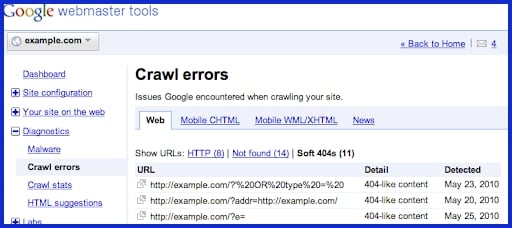
Crawl errors, such as 404s or server hiccups, can sever the link between your hard-won backlinks and search engines. Tools like Google Search Console or Screaming Frog allow you to identify these errors quickly and be proactive.
Examining crawl data assists in troubleshooting and provides you a peek into the world of how the AI bots perceive your site. Regular audits of crawl logs help you fine-tune for better backlink visibility.
Schema Markup
Schema markup provides AI with a cheat sheet. When you mark up your content with structured data, you assist AI in grasping not only what’s on your pages but also how all the pieces connect. Schema is particularly useful for snippet-hunting sites. Roughly 36.6% of schema keywords trigger these fancy results as well.
Don’t set and forget schema. Keep it updated as your content changes so search engines always have an up-to-date map. With your schema active, you’re more prone to pop up in rich snippets, which tend to get more backlinks from quality sources.
Monitor schema’s effect by monitoring what pages acquire new backlinks after markup changes. This data-driven strategy enables you to tune your markup where it is most important.
Site Speed
Site speed isn’t just about impatient humans. It’s a ranking factor and a trust signal. Google’s Core Web Vitals is the defacto standard for what’s fast enough. If your site meets or exceeds these standards, it will be more appealing to visitors and to people who might link to you.
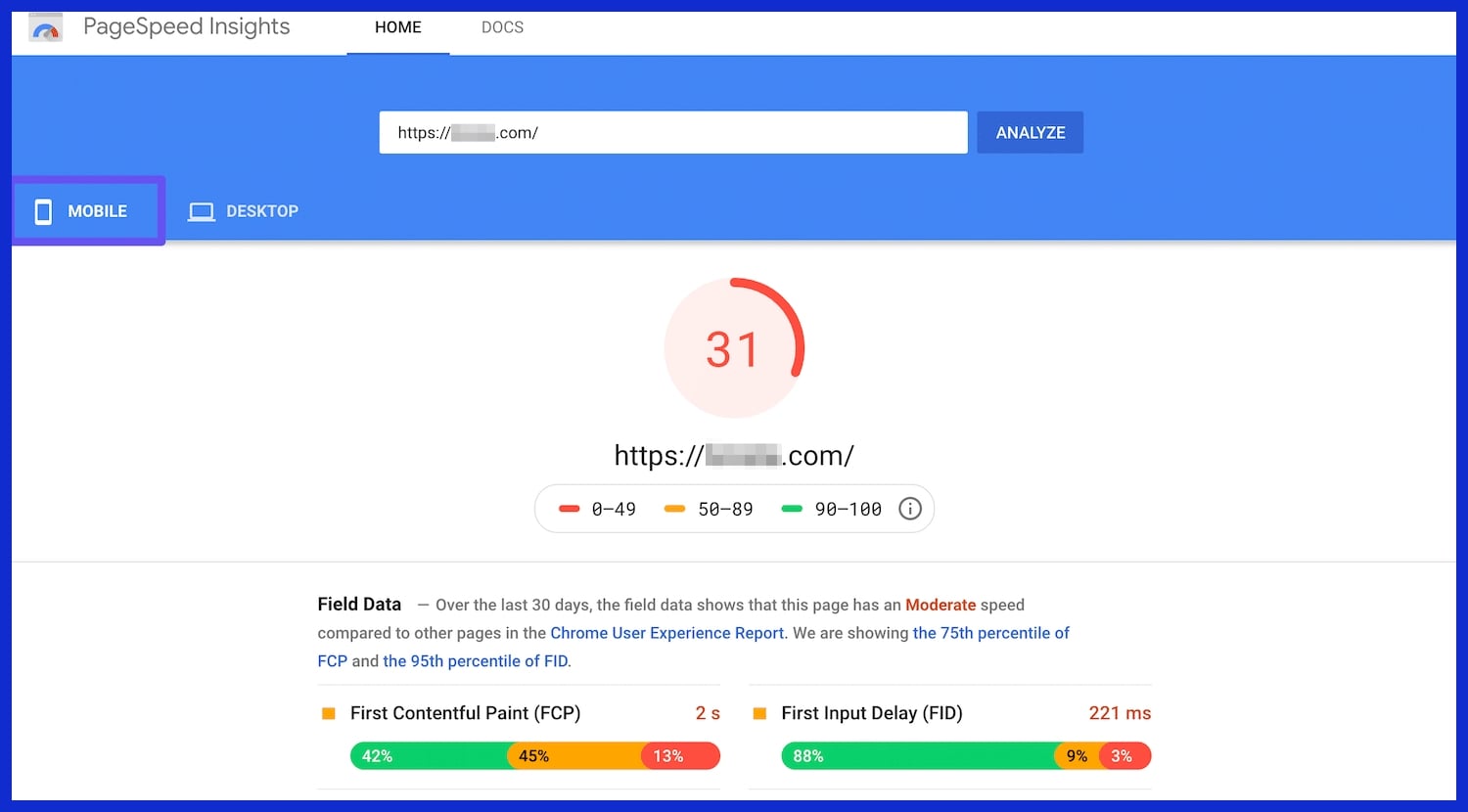
Testing site speed with Lighthouse or PageSpeed Insights points out what’s weighing you down. Compress images, turn on caching, and cut down scripts. JavaScript rendering dependencies are a usual suspect for slow loads, particularly on content-heavy sites.
HTTPS isn’t optional. Trusted, fast-loading sites build trust with users and AI systems. Domain Authority scores frequently follow these technical strengths, pushing your site up in authority scoring.
How to Measure Success
Success in growing AI visibility with backlinks isn’t about flash-in-the-pan spikes or vanity metrics. It takes disciplined, systematic tracking. Consider regular monthly measurements, not ramshackle audits.
For starters, you have to know how AI systems source information and hold a trustworthy protocol for 6 to 12 months. The focus is on new benchmarks: citation share, entity accuracy, and trust depth. Traditional traffic is falling as an indicator. Visibility is now being featured in LLM responses when and where it matters.
Below is a table of core metrics to keep your measurement sharp:
|
Metric |
Description |
Recommended Frequency |
|---|---|---|
|
Citation Share |
% share of brand citations in LLM outputs for core queries |
Monthly |
|
Entity Accuracy |
Correctness of brand/entity representation in AI-generated responses |
Monthly |
|
Trust Depth |
How often LLMs cite authoritative pages from your domain |
Monthly |
|
Lead Quality |
Inbound lead fit and conversion rate post-backlink campaigns |
Quarterly |
|
Sales Cycle Length |
Average time from inquiry to close, segmented by backlink source |
Quarterly |
Visibility Metrics
Visibility is the backbone for measuring if your backlink strategy pays off. Track shifts in keyword rankings and branded presence across search and AI responses. How frequently your brand is cited by LLMs when answering commercial queries is true currency.
Establish a regular ‘query set’ of 20 to 30 key words for your business and monitor on a monthly basis how frequently your brand appears compared to competitors. Getting to see a trend line that’s creeping upward just a little, but definitely creeping. That’s fantastic.
The trick, of course, is to measure this over multiple points in time, not simply once. Contrast your citation share against industry norms. Manufacturers, for example, tend to start at 15 to 25 percent and with some serious schema efforts, hit 35 to 45 percent after 18 months. Don’t simply track rankings. Search for advancement in the ways AIs narrate and believe your brand.
Quality over Quantity
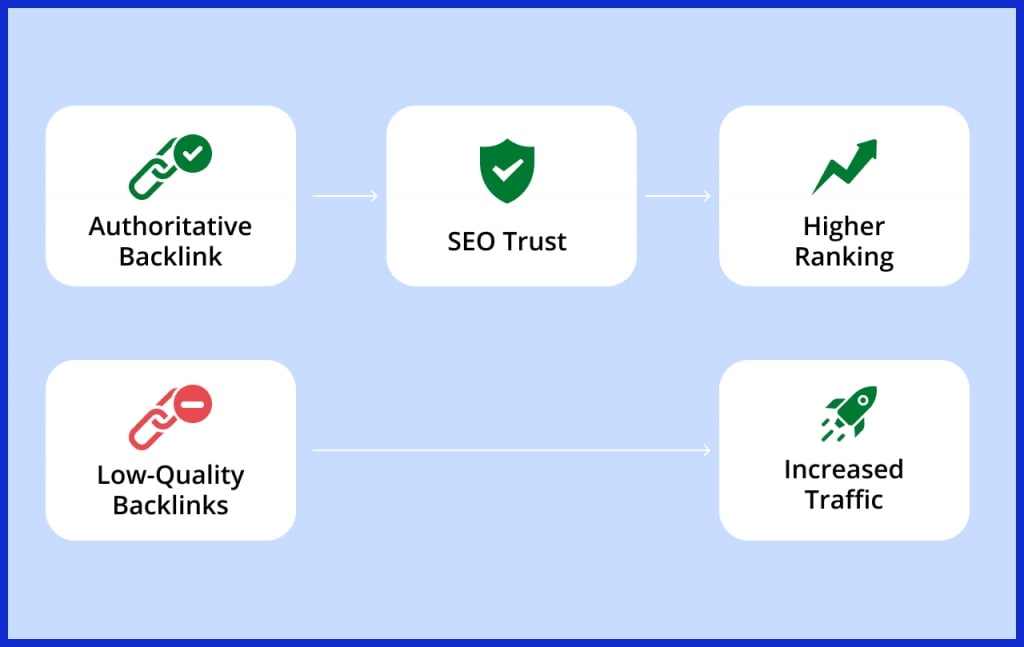
Quality will always beat a big pile of links. Running after every directory or blog link just bloats your profile and endangers penalties. You want backlinks from the places that really count—high-authority, high-traffic domains trusted by users and AIs alike.
Vet every prospective link for authority and relevance before you follow it. Regularly audit your profile to get rid of the dead weight. Any low-quality or spammy links can drag your visibility down and even trigger AI misrepresentation.
Cultivating relationships with respected publications and industry voices, not going for the quick wins, is what moves the needle for search and AI trust.
Conversion Impact
Beyond the clicks, conversion impact tells the true tale. Measure what users do when they click a backlink. Do they stick, do they convert, or do they bounce? Top-notch backlinks should deliver leads that fit better, convert more rapidly, and stick longer.
Instead, rely on conversion-centric metrics to measure how backlinks impact the business. Use demo-to-close rates from backlink referral sources and inbound SQL trends.
Align changes in citation share or visibility with shifts in sales cycle length and lead quality every 90 days, not just once a year. Tune your backlink strategy when you observe what shifts the business needle, not simply what gleams on a dashboard.
Conclusion
Increasing AI visibility with backlinks is more than just sprinkling links here and there. It’s about creating a clever base—robust content, technical savvy, and backlinks from respected sites all in harmony. AI takes notice of user signals and context, not only pure link volume. This means your backlink strategy needs to be considered and oriented towards actual value. Tracking progress with easy metrics lets you know what’s working. Ultimately, premium AI visibility is a blend of technical expertise, personal intuition, and consistent work. That’s what differentiates winning brands. Smart, trustworthy backlink strategies, tuned for AI’s ever-changing rules, make your website distinctive and cultivate sustainable traffic that converts—an approach quietly reflected in how SERPninja approaches its craft.
Frequently Asked Questions
How do backlinks improve AI visibility?
Backlinks communicate confidence and power to search engines. When other reputable sites backlink to your content, AI-driven algorithms view your site as more relevant. That can make your pages rank better and show up more often in searches.
What type of content attracts AI for better backlinking?
Rich, fresh, and factual content appeals to both the user and the AI. Data, research, and helpful resources in articles are particularly good. Content that provides genuine value gets backlinks from trustworthy sources.
Why is technical infrastructure important for AI visibility?
A robust technical foundation, such as speedy page loads, mobile optimization, and HTTPS encryption, enables AI to crawl and index your site more effectively. This enhances your likability for ranking and for other sites to link to you.
How can I measure the success of my backlink strategy?
Monitor backlink-related metrics like referral traffic, domain authority, and keyword rankings. Google Analytics and Search Console, for example, allow you to monitor how backlinks influence your AI visibility. Sustained growth in these metrics indicates success.
What is the human signal layer in backlinking?
The human signal layer captures clicks, shares, and comments. Search engines and AI interpret these activities to understand content quality. Robust user signals increase your site’s authority and presence.
Do all backlinks help with AI visibility?
No, backlinks are not all equal. Backlinks from high-authority relevant sites are more valuable. Bad or spammy backlinks can damage your rankings. Concentrate on acquiring backlinks from reliable sources.
How often should I update my backlink strategy for AI?
Take stock of your backlink strategy every few months. AI algorithms and search trends change fast. Consistent updates keep you ahead and maintain strong search visibility.


