

Key Takeaways
- The Shift in Search: Users are moving from traditional search engines to large language models like ChatGPT, Gemini, and Perplexity for instant, generated answers. This creates a “zero click” search environment.
- What to Measure: To measure LLM visibility, you must track how often your brand appears in AI responses, check the content sentiment, and monitor your overall share of voice against brand competitors.
- A New Tracking Framework: Tracking requires a five-step process: prompt discovery, tracking brand mentions across LLM platforms, sentiment analysis, monitoring referral traffic, and social listening.
- Generative Engine Optimization (GEO): Traditional SEO is not enough. You must optimize for generative search by building thought leadership, targeting “brand + product” keywords, and structuring your content creation to clearly answer user questions.
- The Right Tools: While you can start with free tools like Google Analytics, you will eventually need a dedicated visibility tracker or platforms like Ahrefs Brand Radar to accurately track LLM visibility over time.
The world of digital marketing is going through a massive, undeniable shift. It can be incredibly frustrating to watch your website traffic change and wonder where your organic search visitors went. But the reality is that user behavior has simply evolved. People are no longer just relying on traditional search engines to find information. Instead, they are turning to large language models (LLMs) to get direct, generated answers to their most pressing questions.
This rapid shift to “zero click” search means that users get their questions answered by AI without ever needing to click a link to visit a website. If you want to survive and thrive in this new era, traditional SEO is no longer enough. You need to understand exactly how to measure LLM visibility.
In this article, we are going to break down exactly how to track your brand presence in AI-powered search. We have designed a practical tracking framework that is very easy to understand, so you can start making decisions based on real, actionable data.
What Exactly is LLM Visibility?
When we talk about search visibility today, visibility within large language models is the new frontier. But what does it actually mean for your business?
LLM visibility refers to how often, and in exactly what context, your brand appears in the generated responses of AI platforms like ChatGPT, Gemini, and Perplexity.
To break it down even further, large language models (LLMs) are the complex technology behind these smart chatbots. When someone asks a question, these language models llms pull from their vast training data to write a helpful answer.
If a user asks an AI, “What is the best SEO agency?” and the AI specifically mentions SERP Ninja, that is a prime example of high LLM visibility. Tracking this data helps you understand your overall share voice in the market. It shows whether these models view your brand product or service as a trusted authority. If your brand visibility is high, the AI acts as a recommendation engine for you.
Why You Need to Care About Tracking LLM
In the past, making decisions was all about logging into Google Analytics to check your organic search traffic and looking at basic visibility metrics. But today, the customer journey often begins—and ends—inside an AI chat window.
If your brand does not appear when users ask AI for recommendations, you are essentially invisible to a massive and rapidly growing segment of your audience. You need to actively track LLM visibility because:
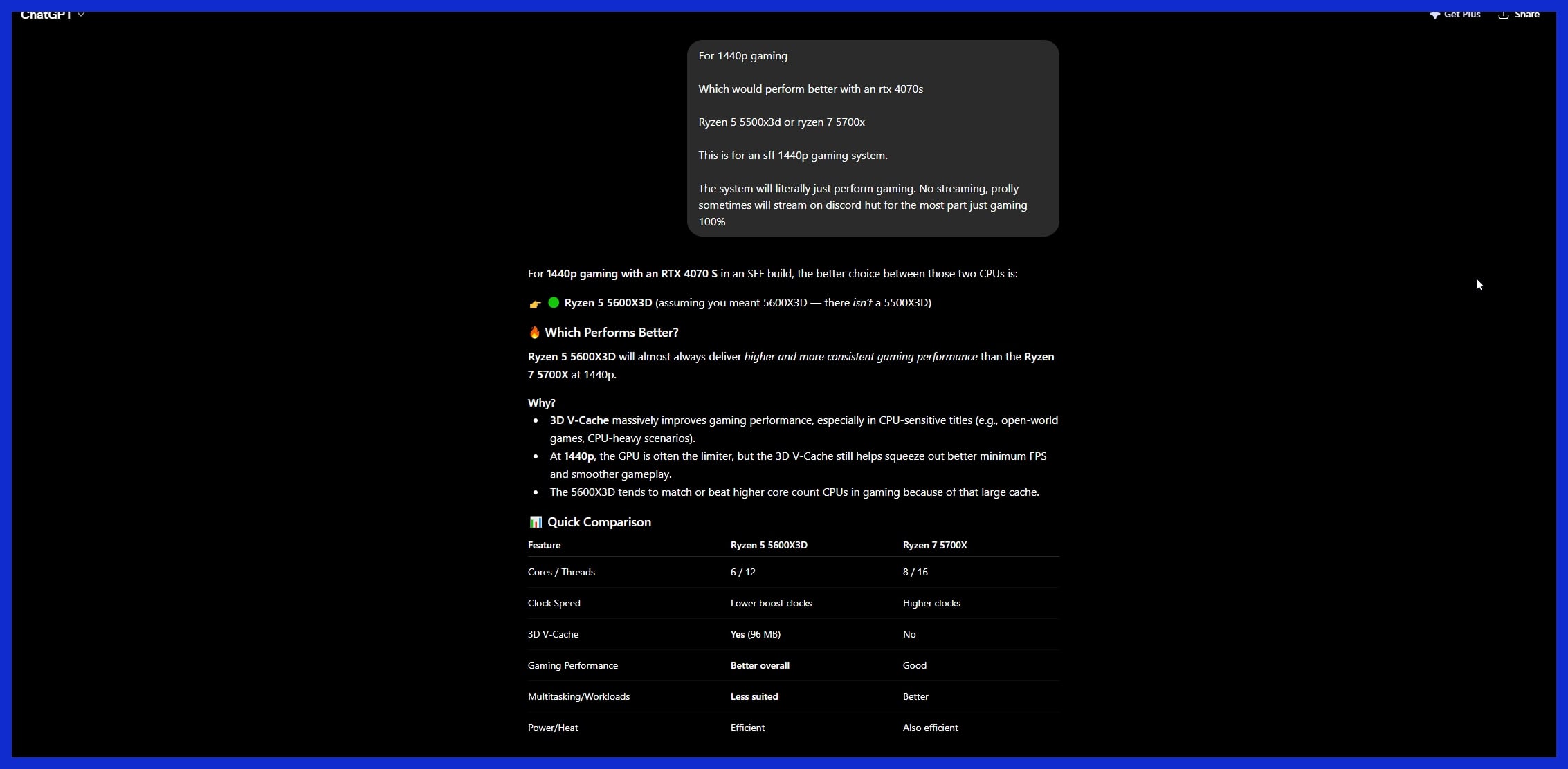
- Users trust AI: People treat platforms like ChatGPT Perplexity Gemini as trusted advisors. If the AI says your product is good, users trust that recommendation.
- It impacts brand reputation: You need to know if the AI is saying good things or bad things about your brand. Tracking helps you understand brand perception.
- It reveals critical content gaps: If your brand competitors are showing up in generated responses and you are not, it is a clear sign that it is time to update your content strategy.
Traditional SEO vs. Generative Engine Optimization
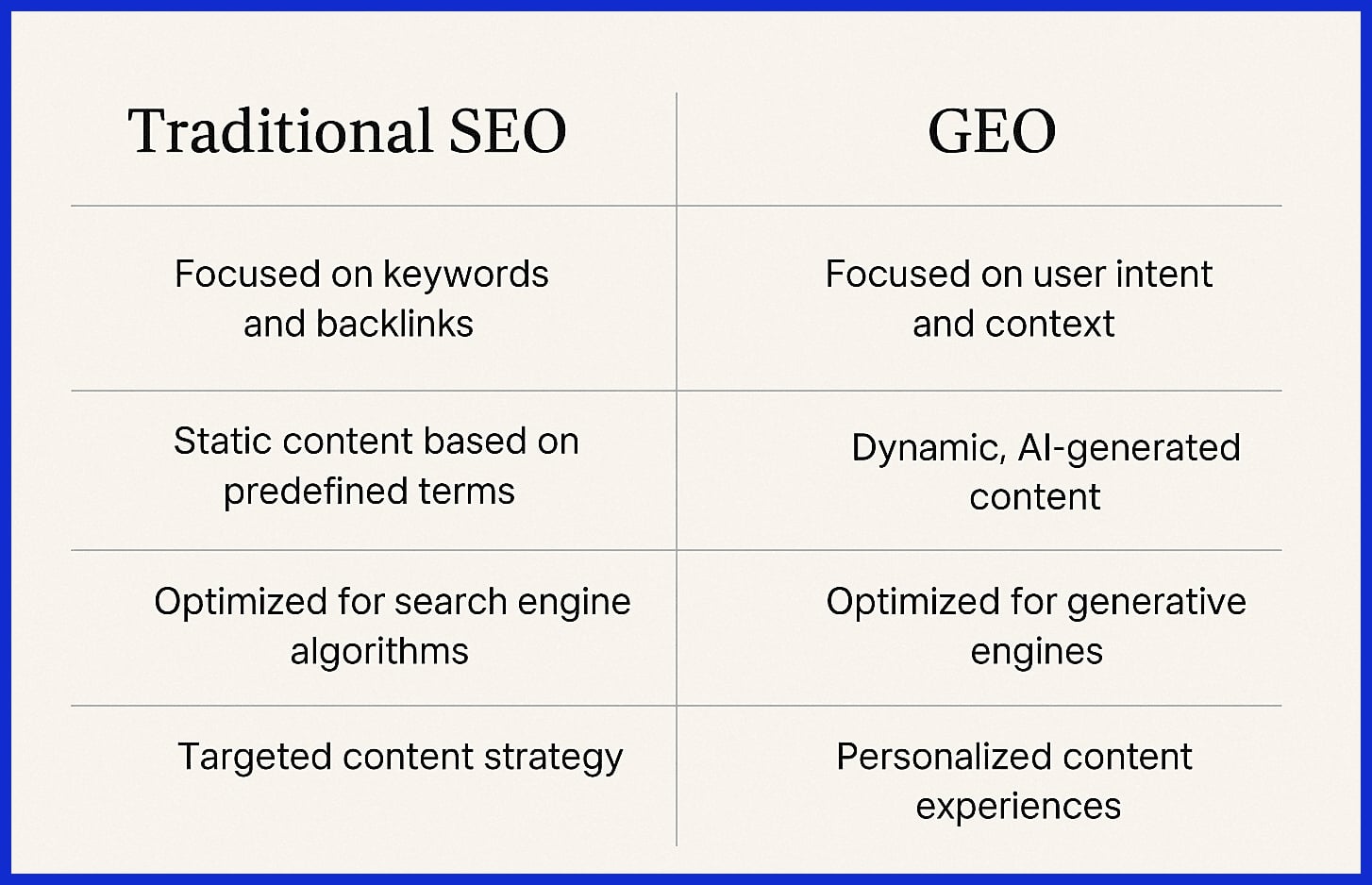
Before diving into the tracking framework, you need understand the core difference between traditional search and generative engine optimization.
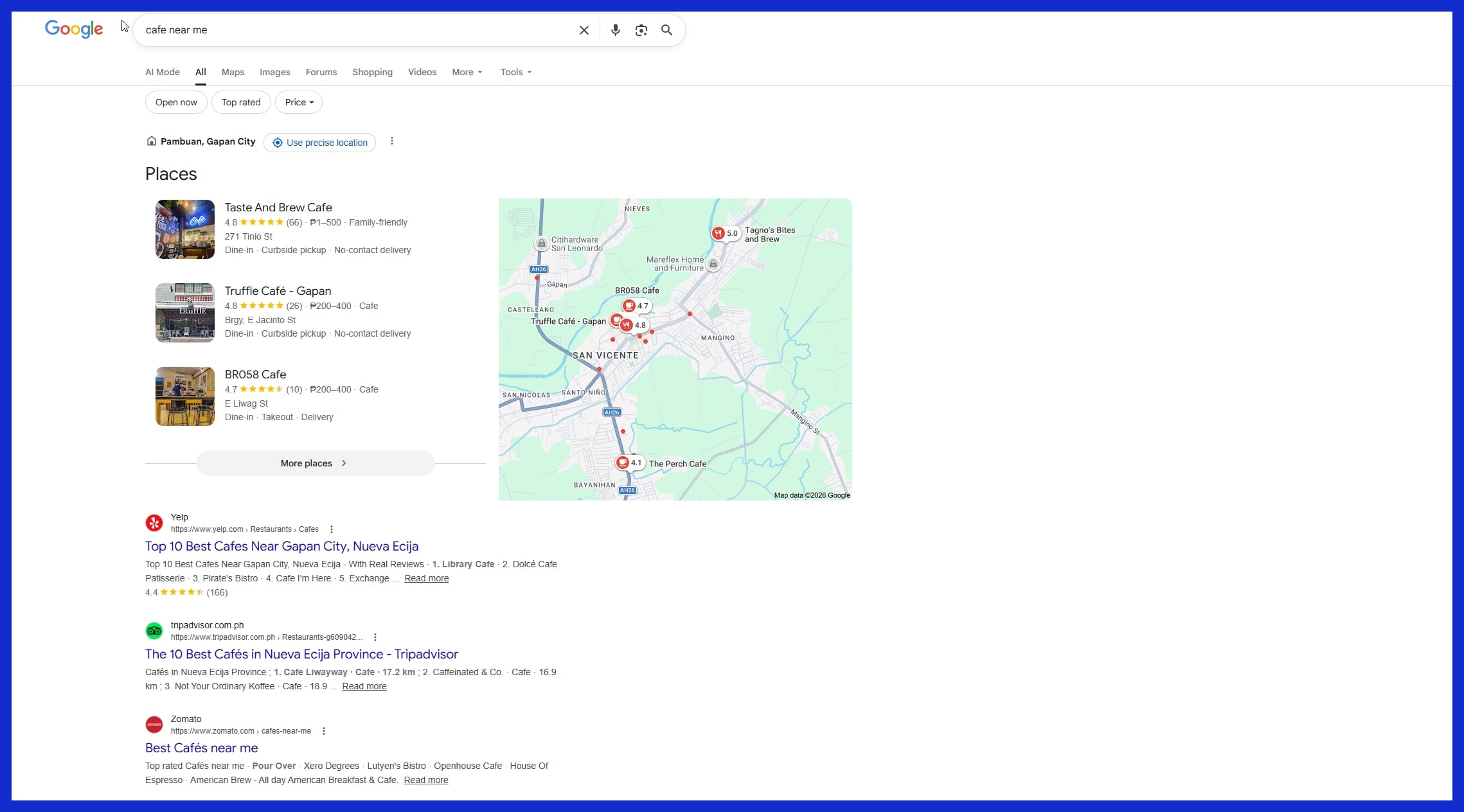
Traditional SEO is all about optimizing your website for Google Search. You use various SEO tools to do keyword research, build backlinks, and perform rank tracking to see where your website features rank on the search results page. The ultimate goal is to get people to click your blue link and visit your site.
Generative Engine Optimization (GEO) is about optimizing for large language models llms. The goal here is to be the primary source of truth that the generative engine uses to create generated answers. Instead of a list of links, users get a paragraph of text. Sometimes they might see Google Overviews (AI summaries at the top of Google), or they might be using a dedicated visibility tool like Perplexity Google.
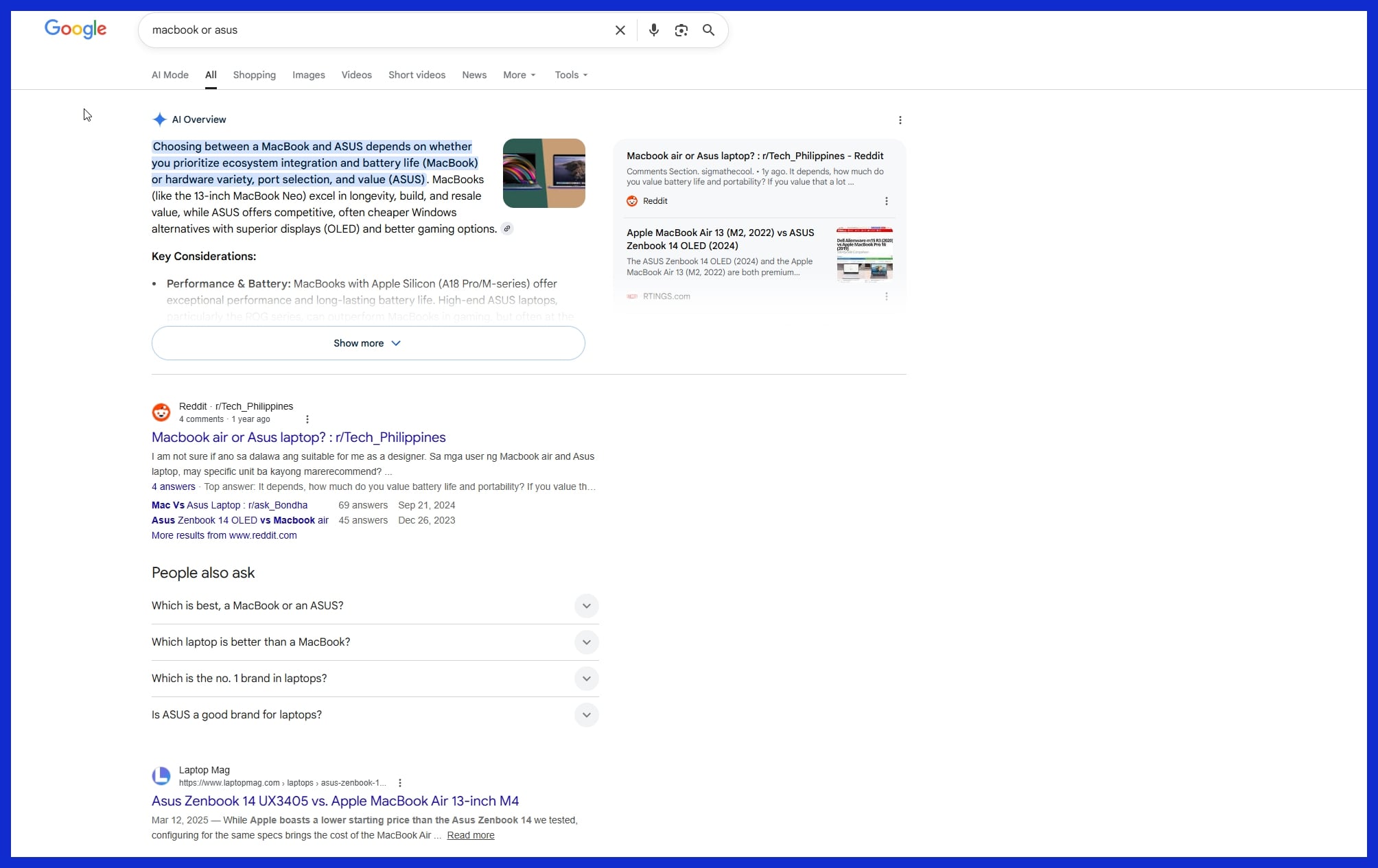
You simply cannot use traditional rank tracking to measure LLM visibility. You need a completely new set of visibility metrics and tracking tools.
A Practical Tracking Framework: How to Measure LLM Visibility
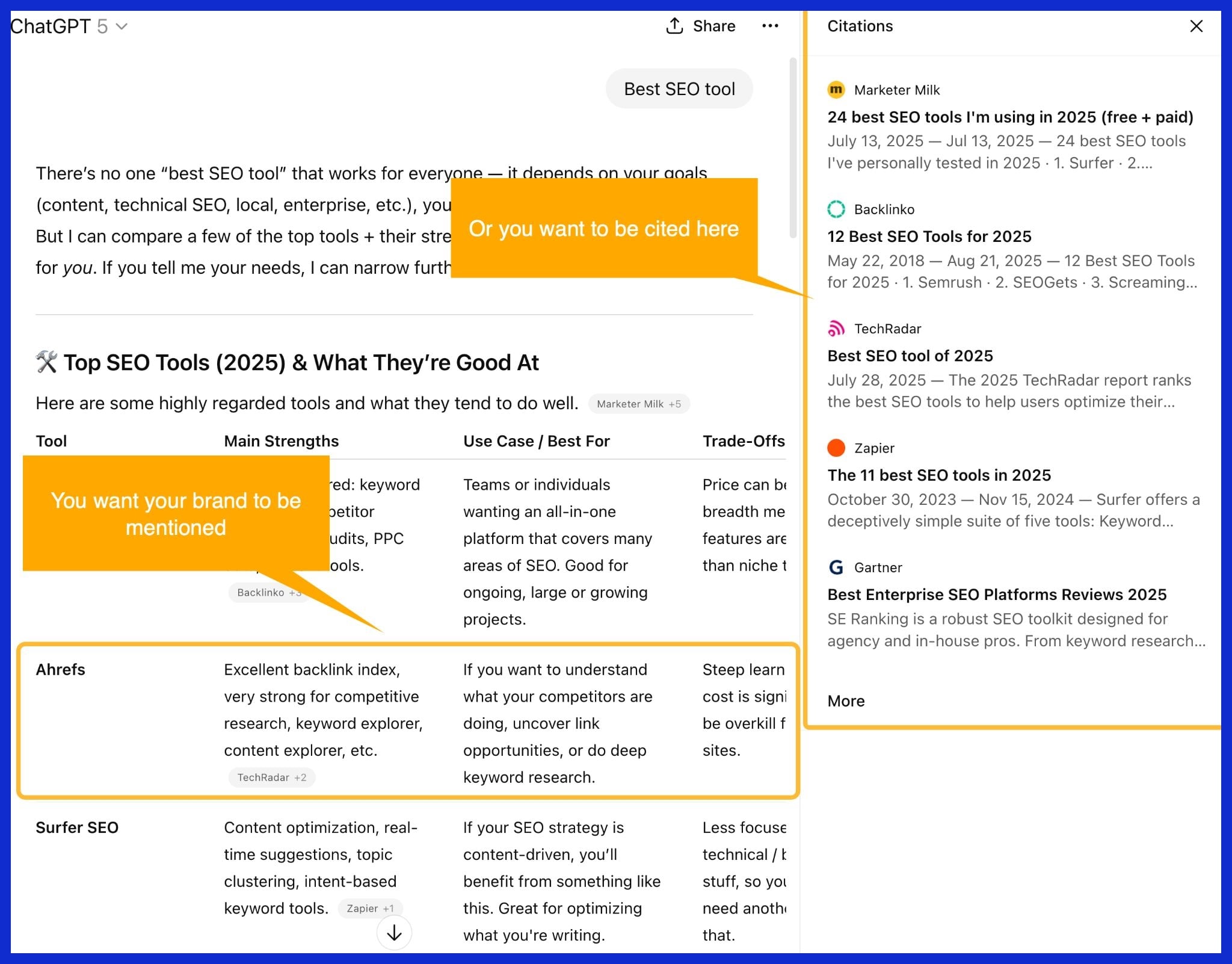
How do you actually track brand mentions in a closed AI chat? It requires a careful blend of manual prompt discovery, specialized tracking tools, and detailed analysis. Here is our step-by-step framework to measure LLM visibility effectively.
Step 1: Prompt Discovery and Keyword Research
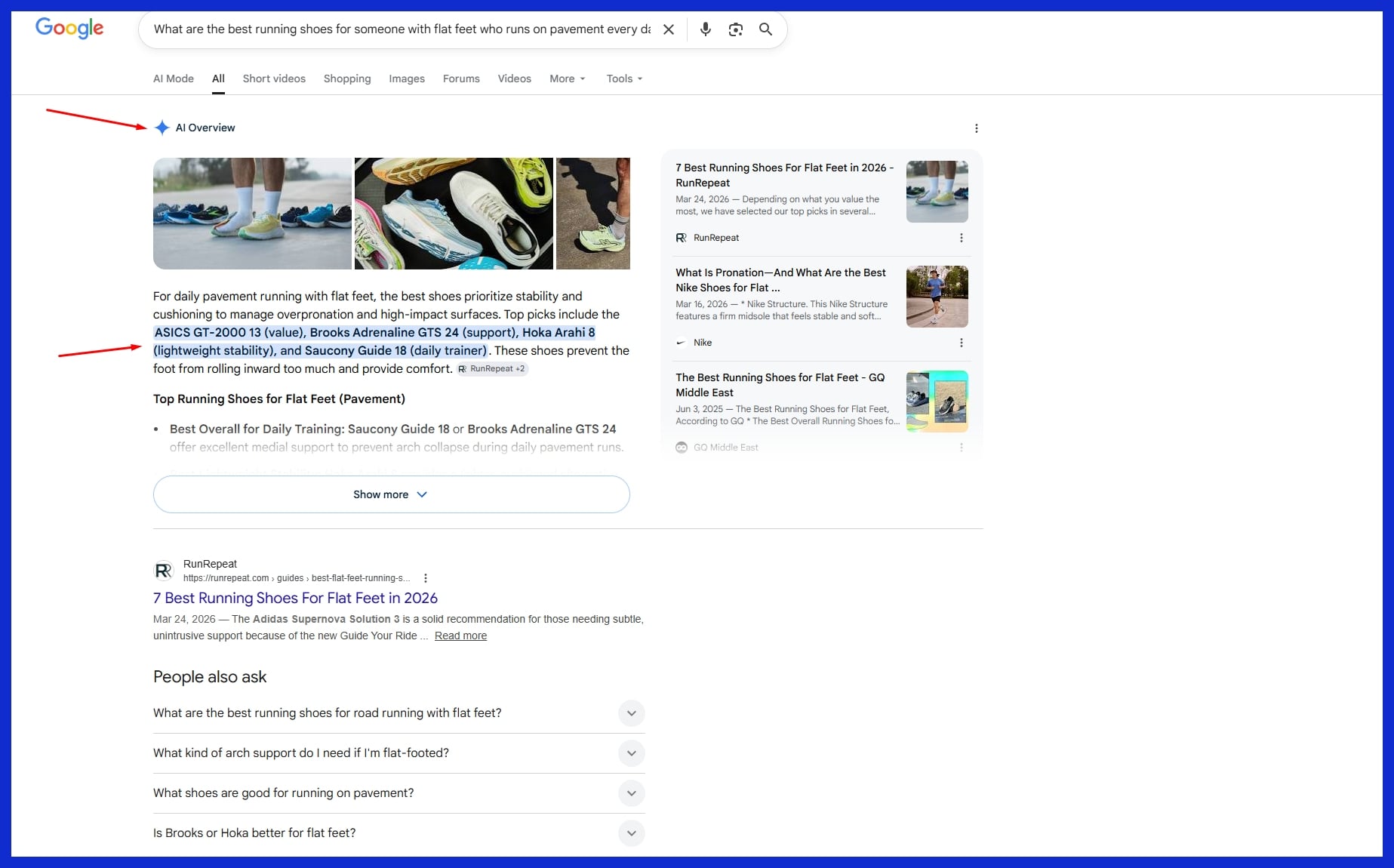
You cannot track your visibility if you do not know what your customers are asking the AI. In traditional SEO, you look for search volume. In LLM tracking, you look for conversational prompts.
Think deeply about the customer journey. What long-form questions do people ask before they buy your product?
- Instead of typing “best running shoes,” a user might ask an AI, “What are the best running shoes for someone with flat feet who runs on pavement every day?”
- You need to map out these long-form LLM prompts. Look at your existing content, customer service emails, sales calls, and social media comments to find the real questions your audience asks. This prompt discovery phase will inform content updates later.
Step 2: Tracking Brand Mentions in Generated Responses
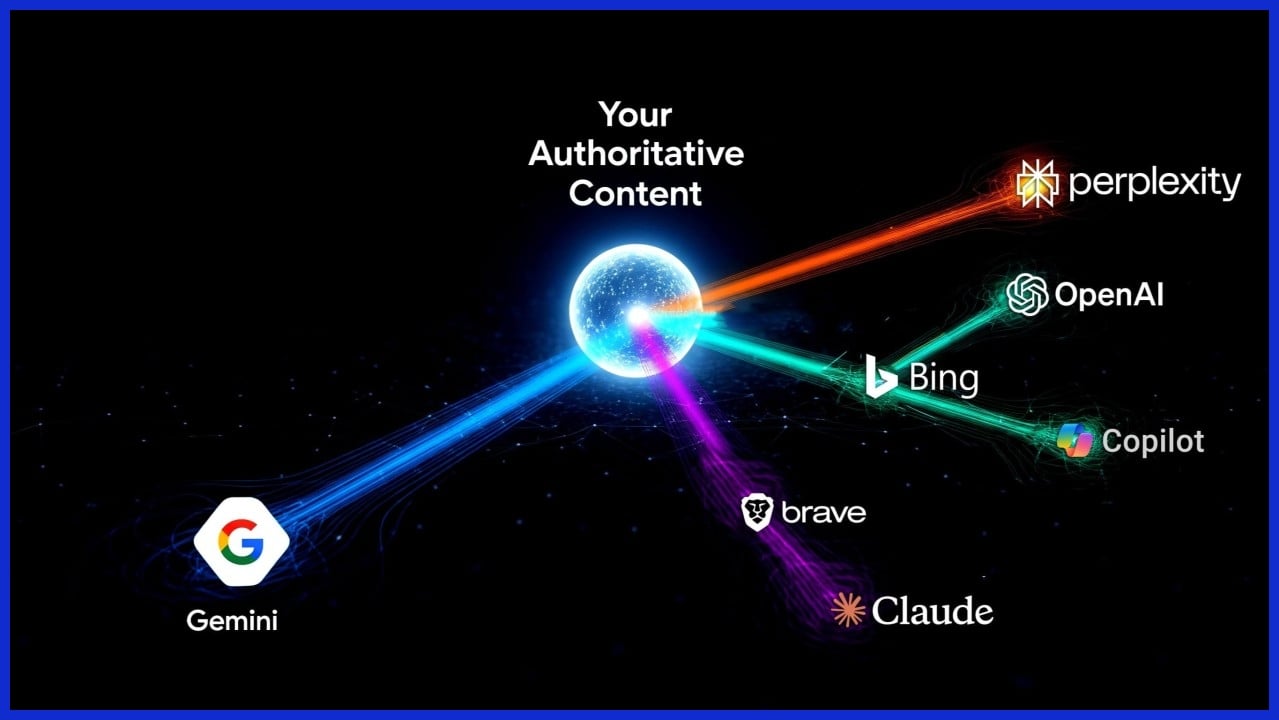
Once you have a solid list of prompts, it is time to test them. You need to see if your brand appears when these specific questions are asked across different LLM platforms.
You should test your prompts in the major platforms:
- ChatGPT (OpenAI)
- Gemini (Google)
- Perplexity (which functions highly as an AI-powered search engine)
- Claude (Anthropic)
Keep a detailed spreadsheet and record the number times your brand is mentioned. Does the AI recommend you? Does it mention your brand competitors instead? Tracking visibility across ChatGPT Gemini Perplexity gives you a solid baseline of your current brand radar.
Step 3: Content Sentiment and Sentiment Analysis
Finding your brand name in an AI answer is great, but what is the AI actually saying? This is where content sentiment comes into play.
Sentiment analysis is the process of figuring out if the AI’s opinion of your brand is positive, negative, or neutral. How do models llms perceive you? If ChatGPT says, “SERP Ninja is a highly rated, reliable agency,” that is a very positive sentiment. If it says, “SERP Ninja is expensive and slow,” you have a serious reputation problem on your hands. You must monitor this closely so you can inform content updates to correct any false information the AI might have learned from the web.
Step 4: Monitoring LLM Traffic and Referral Traffic
Even though zero click searches are rising rapidly, LLMs still send highly qualified traffic to websites. Platforms like Perplexity Claude often include clickable footnote citations, and Google Overviews links out to sources.
You need to track LLM referrals in your analytics software (like Google Analytics). Look for referral traffic coming from domains like chatgpt.com, perplexity.ai, or gemini.google.com. By tracking this search traffic month month, you can clearly measure the direct ROI of your LLM visibility tracking efforts. If you see LLM traffic increasing, your strategy is working.
Step 5: Utilizing Social Listening

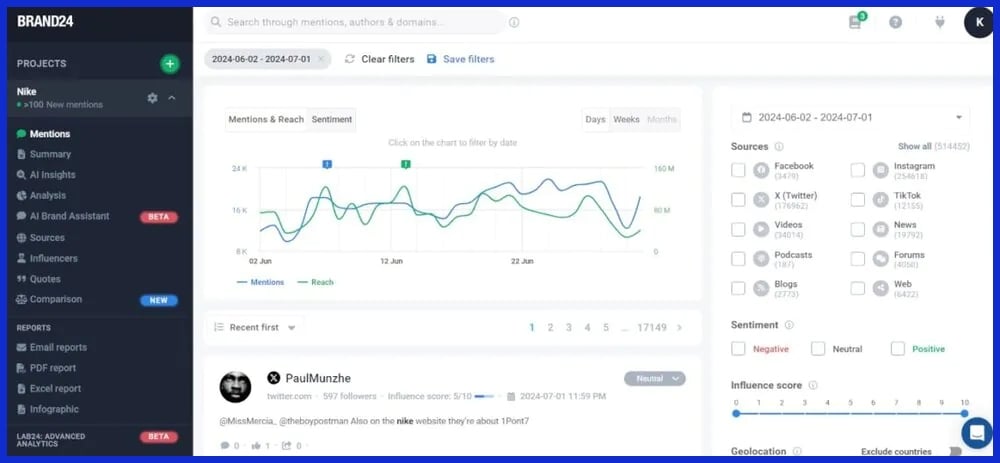
To truly understand brand health and track LLM performance, combine your tracking with social listening. The massive data that feeds large language models often comes from public forums, review sites, and social media platforms. If you have high visibility on social networks, it will eventually boost your visibility llm scores. You need to track brand conversations everywhere to ensure the LLM platforms have positive data to pull from.
Best Tools to Measure LLM Visibility
Doing all of this manually is exhausting, especially for enterprise brands. Thankfully, new tracking tools and visibility tools are entering the market to help you automate this tedious process.
Here are some of the best ways to use tools to measure your brand presence:
1. Ahrefs Brand Radar & Site Explorer
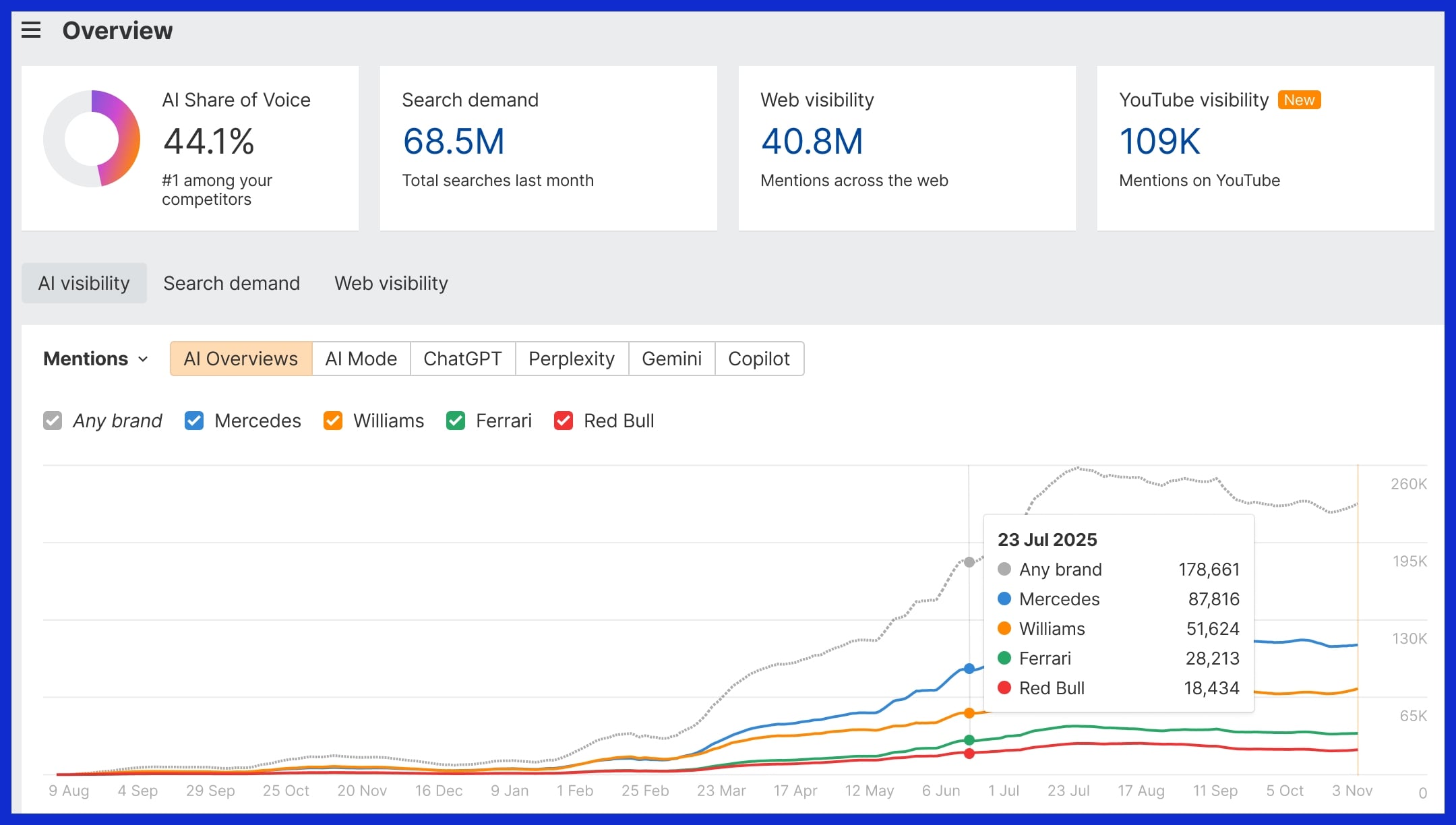
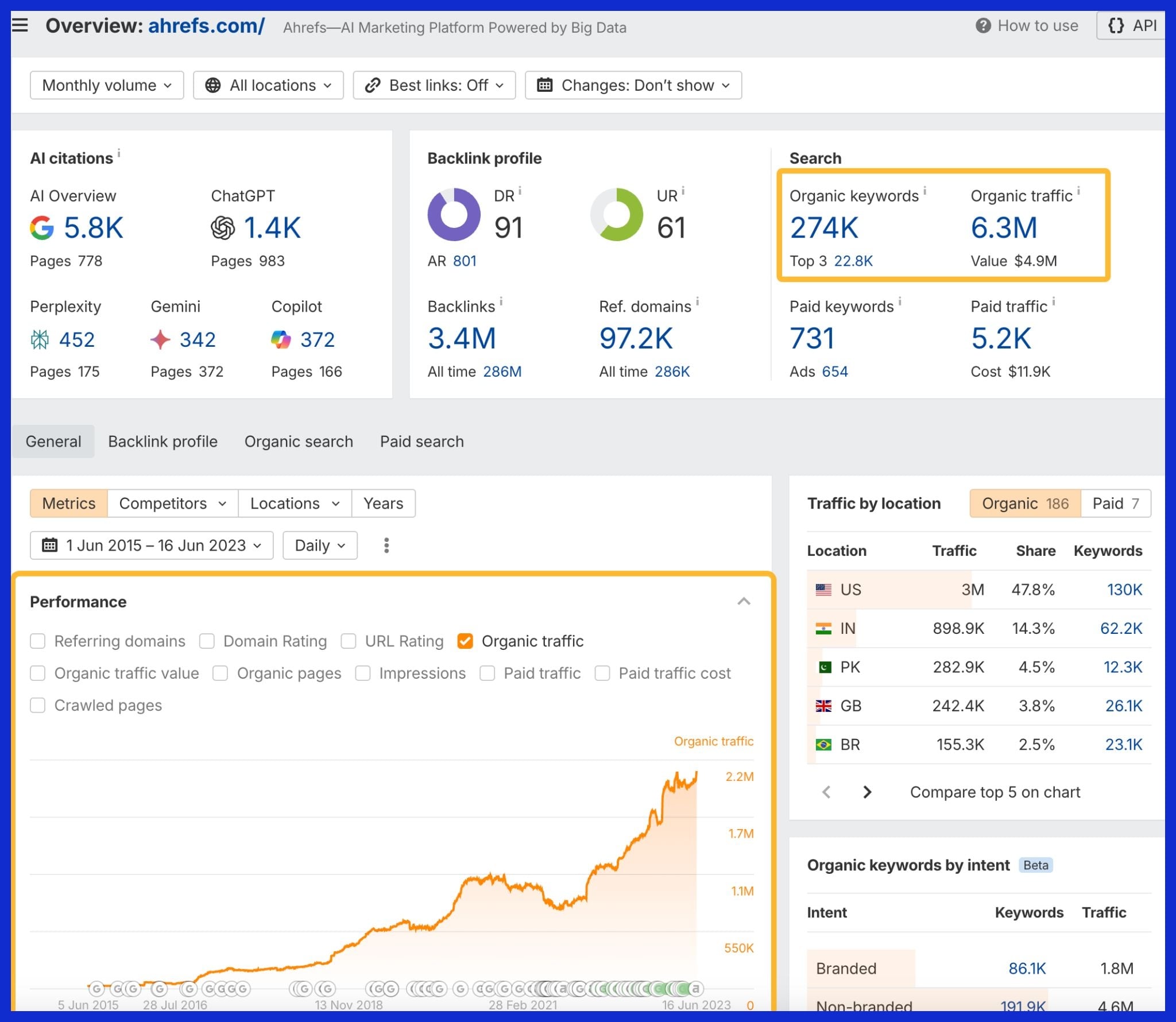
While Ahrefs is primarily known for traditional SEO, they are rapidly evolving. Features like the Ahrefs Brand tool or Ahrefs Brand Radar can help you track brand mentions across the open web. While it doesn’t look directly inside private ChatGPT chats, it shows you the public web mentions that feed the AI models. You can also use their Site Explorer to see which pages on your site are getting the most referral traffic from AI engines.
2. Specialized LLM Visibility Trackers
New platforms are emerging that act as a dedicated visibility tracker specifically for AI. These tools automatically run thousands of prompts through ChatGPT, Gemini, and Perplexity to see where your brand appears. Many of these tools let you start free trial without needing a credit card, allowing you to test their key features before committing to a paid plan. Look for tools like chatgpt perplexity gemini trackers.
3. Google Analytics and Google Search Console
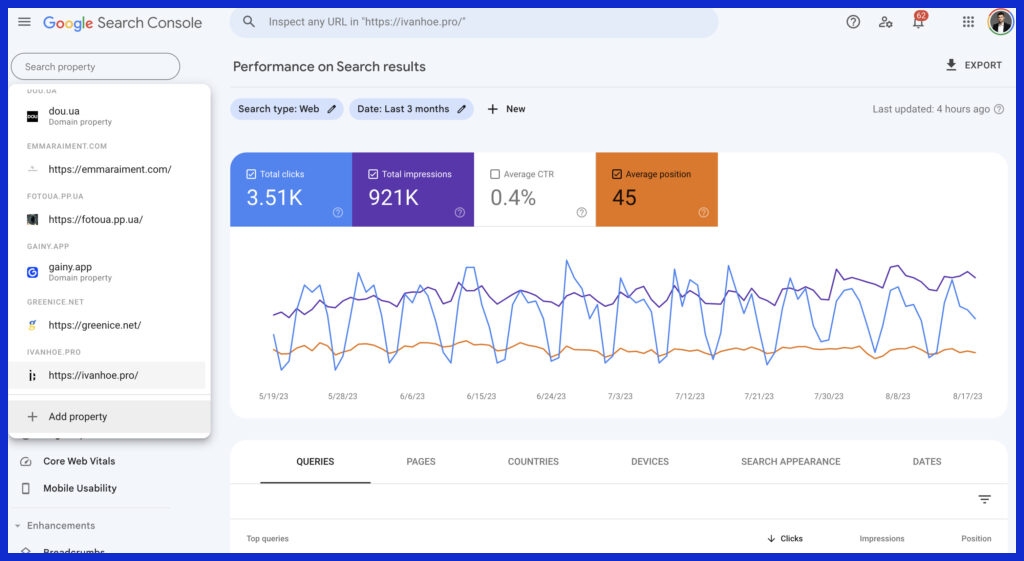
These remain essential free tools for any digital marketing campaign. Use them to track referral traffic from LLM platforms and to carefully monitor how your site performs in Google Overviews.
4. White Label Tools for Agencies
If you run an agency, look for a visibility tool that offers white label reporting. This allows you to easily show your clients their insights llm visibility with your own branding attached.
Tip: When setting up your tracking, remember that users aren’t looking for your careers contact or service privacy pages. Focus your tracking tools on your core service pages, product pages, and high-value blog posts!
Optimizing for Generative Search: How to Get Cited by ChatGPT
Now that you know how to track LLM visibility, how do you actually improve it? If your brand radar shows that you are practically invisible to the AI, here is a guide on optimizing for generative search and how to get cited by ChatGPT and other language models.
1. Build Thought Leadership
Large language models are trained on consensus. If twenty different high-authority websites all say that your brand is the best in the industry, the AI will learn that as a hard fact. You need to proactively build thought leadership by getting featured on industry podcasts, major blogs, and news outlets. This is where a strong digital PR and organic strategy is vital.
2. Focus on Clear Content Creation
To succeed in AI-powered search, your content creation must focus on answering specific user questions clearly and concisely.
- Use simple, direct language. Avoid unnecessary jargon.
- Format your existing content with clear, descriptive headings and bullet points.
- Answer the “who, what, where, when, and why” directly in the first few paragraphs of your article.
- This structured format makes it much easier for the AI to understand and extract your information for its generated answers.
3. Target “Brand + Product” Keywords
Make sure your website clearly explains exactly what you do. If you sell SEO services, ensure your content clearly links your brand name to the service. When the AI scans your site, it needs to instantly recognize the connection between your brand product offerings and the user’s prompt.
4. Provide Unique Data and Research
AI models love statistics and original research. If you publish unique data that no one else has, AI platforms like Perplexity Gemini have no choice but to cite you as the primary source. Publish surveys, case studies, and industry reports to become a reliable sources llm platforms want to link to.
Making Decisions Based on Insights LLM Visibility
Collecting data is useless if you do not use it to improve your business. Once you have your tracking framework in place, you need to start making decisions based on insights llm visibility provides. Making decisions based on real data is the only way to grow in 2026.
- If your visibility is low: You need to invest more in digital PR, backlink building, and comprehensive content creation. You need to feed the internet with more high-quality information about your brand.
- If your sentiment is negative: Address the complaints immediately. Update your FAQs, respond professionally to bad reviews on third-party sites, and publish content that specifically counters the negative narrative.
Analyze the sources LLM platforms are using to cite them. If they are getting cited because of a specific blog post they wrote, you need to write a better, more updated, and more comprehensive version of that post.
Conclusion
The transition from traditional search to generative AI search is happening right now, and it is changing the internet forever. Users are bypassing standard search results to get immediate, generated responses from large language models. If you do not track LLM visibility, you are flying blind in the most important digital landscape of the decade.
By implementing this practical tracking framework—from careful prompt discovery to in-depth sentiment analysis—you can take full control of your brand presence. Start making decisions based on real visibility metrics rather than simply guessing what the AI thinks of you. Do not let your share of voice disappear.
Are you ready to adapt your organic strategy for the AI era? At SERPninja, we have the cutting-edge tools, expertise, and proven strategies to help your brand dominate both traditional search and modern AI-powered search engines. If you are ready to grow, request demo today or start free with our organic growth plans to see exactly how we can help you drastically increase your LLM visibility and drive highly targeted traffic to your site.
Frequently Asked Questions
How to measure LLM visibility Reddit?
Many users on Reddit frequently ask this question in SEO and marketing communities. The general consensus from digital marketing professionals is that you must combine manual prompt testing across platforms like chatgpt google and perplexity claude with careful referral traffic tracking in Google Analytics. Relying on just one method will not give you the full picture.
How to get cited by ChatGPT?
To get cited by ChatGPT, you need to publish high-quality, clearly structured original content. ChatGPT favors unique data, comprehensive guides, and content that is widely referenced by other authoritative websites. Building your brand’s thought leadership across the web is the fastest way to get cited.
Optimizing for generative search: is it different from SEO?
Yes. While traditional SEO focuses on optimizing for search engine algorithms to rank higher on a page of links, optimizing for generative search focuses on ensuring your content is clear, factual, and authoritative enough to be used as the definitive answer by an AI language model.
Does LLM visibility impact traditional SEO?
While having high visibility does not directly boost your Google rank in traditional search, the actions you take to improve it (like creating great content, answering user intent, and getting brand mentions) are highly beneficial for traditional SEO. The two strategies work hand-in-hand to build overall brand presence.
Can I learn SEO specifically for LLMs?
Yes, the industry is currently calling it Generative Engine Optimization (GEO). To learn SEO for LLMs, you should focus your efforts on understanding natural language processing, clear content structuring, and entity-based optimization rather than just traditional keyword stuffing.
What is the best LLM to track for my brand?
You should track the platforms your target audience uses the most. Generally, for maximum llm coverage, you need to track ChatGPT, Google Gemini, and Perplexity, as these are the most widely used AI platforms currently shaping the zero-click search landscape.


